Finding the right shoes for a treadmill workout involves more than choosing a popular running shoe. Proper fit, cushioning, stability, and comfort can all influence how your feet feel during repetitive movement.
Dr. Rizwan Tai, D.P.M., podiatrist, podiatric surgeon, and owner of Vital Podiatry in Houston, Texas, recently shared his expertise in an EatingWell article examining the best shoes for treadmill running and walking. The feature explores what to look for in treadmill footwear and includes Dr. Tai’s recommendations for shoes designed to provide support and cushioning during indoor workouts.
Published on September 11, 2026, the article, “I Asked Podiatrists for the Best Shoes for Treadmill Running—Here’s What to Wear for Comfort and Stability,” brings attention to an important aspect of exercise: choosing footwear that accommodates your feet and the demands of your workout.
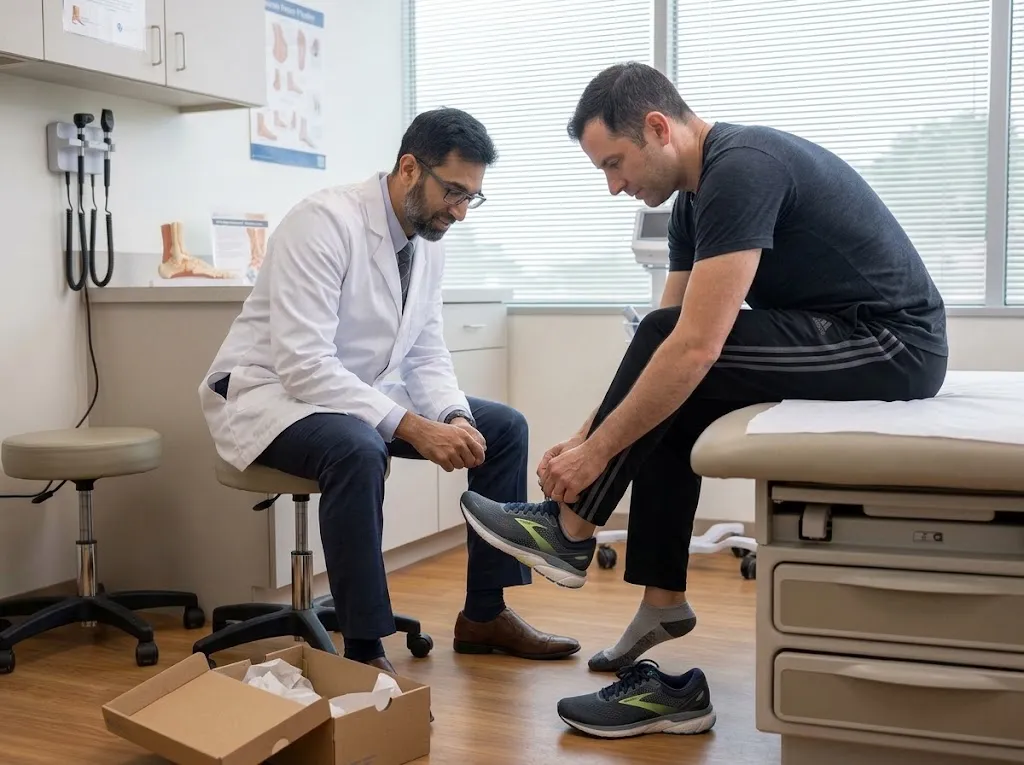
Why Your Treadmill Shoes Matter
Treadmill running offers a convenient way to maintain an exercise routine regardless of outdoor weather or terrain. However, the repetitive nature of walking or running on a consistent surface makes appropriate footwear an important consideration.
Shoes that do not fit well or provide suitable support may contribute to discomfort in the feet, heels, arches, or knees. The right pair should accommodate your foot shape, feel comfortable throughout your workout, and provide the support you need for your individual gait.
Several features deserve attention when choosing treadmill shoes:
- Cushioning: A comfortable midsole helps absorb some of the forces generated with each step.
- Stability: A secure heel and appropriate shoe structure can help support a consistent stride.
- Forefoot flexibility: The front of the shoe should allow the foot to move naturally during walking and running.
- Breathability: Materials that allow airflow can help improve comfort during longer workouts.
- Proper fit: Adequate toe room and a secure fit help reduce rubbing and pressure.
No single shoe works best for everyone. Your foot structure, running mechanics, comfort preferences, and any existing foot concerns should guide your selection.
Dr. Rizwan Tai’s Recommendations for Treadmill Footwear
In the EatingWell feature, Dr. Tai recommends options that balance cushioning, support, and responsiveness for treadmill activity. His recommendations include the Brooks Ghost line and Nike Pegasus 40.
Brooks Ghost: Cushioning for Everyday Workouts
The Brooks Ghost line is known for its cushioned ride and neutral support. Dr. Tai notes that its midsole helps absorb the impact generated with each stride, making it an option worth considering for treadmill users who prefer a comfortable daily running shoe.
A neutral running shoe may suit people whose gait does not require additional stability features. However, cushioning preferences and support needs vary, so the fit and feel of the shoe remain important.
Nike Pegasus 40: Support and Responsiveness
Dr. Tai also recommends the Nike Pegasus 40 as a treadmill option. Its cushioning and responsive midsole can provide a comfortable feel for people who want a versatile running shoe for indoor workouts.
As with any running shoe, individual fit matters. A model that feels comfortable for one runner may not provide the same experience for someone with a different foot shape or support requirement.
These recommendations are starting points rather than universal prescriptions. The most appropriate shoe is the one that fits comfortably and meets your individual needs.

How to Find the Right Running Shoes for Your Feet
When comparing treadmill running shoes, consider more than the brand name or the amount of cushioning advertised on the box.
1. Choose a Shoe That Matches Your Gait
Your gait refers to how your feet move as you walk or run. Some people have a neutral stride, while others experience more inward foot rolling, commonly called overpronation.
Neither pattern automatically means you need a particular shoe. However, understanding your gait and support needs can help narrow your choices, especially if you regularly experience discomfort during exercise.
2. Make Sure the Fit Is Comfortable
Your toes should have enough room to move without pressing against the front of the shoe. At the same time, your heel should feel secure without excessive slipping.
Try shoes while standing and walking, and consider how your feet may swell during exercise. Avoid shoes that create pressure points, rubbing, or numbness.
3. Consider Your Workout Intensity
A person who primarily walks on a treadmill may prefer different cushioning and flexibility from someone who runs at higher speeds or for longer distances.
Think about how you exercise, how long your sessions last, and whether you prefer a softer or firmer feel underfoot. Your shoes should support the activities you perform most often.
4. Pay Attention to Changes in Comfort
Footwear needs can change over time. Worn cushioning, changes in fit, and increasing workout intensity may affect how your feet feel during exercise.
If you begin experiencing new or persistent discomfort, review your footwear and training routine. Do not assume that pain is simply a normal part of working out.
When Should You See a Podiatrist About Running-Related Foot Pain?
Choosing appropriate shoes can improve comfort, but footwear alone may not resolve every foot or ankle problem.
Recurring heel pain, arch discomfort, swelling, numbness, or pain that worsens during activity may indicate an underlying condition that deserves professional attention. A podiatrist can assess your symptoms, evaluate contributing factors, and discuss appropriate treatment options.
You should also seek guidance before changing to a substantially different shoe design if you have an existing foot condition or specific medical needs.
Early evaluation can help you better understand what is causing your discomfort and how to approach exercise safely.
CALL US NOW!
(281) 937-4546
National Media Recognition Highlights Vital Podiatry’s Foot Health Expertise
Dr. Tai’s contribution to EatingWell offers readers practical information about footwear selection while highlighting the role of podiatric expertise in everyday foot health.
Running and walking shoes are often chosen based on appearance, brand familiarity, or cushioning alone. However, a more informed approach considers fit, gait, stability, and individual comfort.
At Vital Podiatry, patients can seek professional care for a range of foot and ankle concerns. Understanding how footwear interacts with your feet is one part of a broader approach to maintaining comfort and mobility.
Read the original feature in EatingWell: I Asked Podiatrists for the Best Shoes for Treadmill Running—Here’s What to Wear for Comfort and Stability.
Get Expert Foot and Ankle Care at Vital Podiatry
Whether you are starting a treadmill routine, increasing your running distance, or dealing with discomfort during exercise, choosing appropriate footwear is an important consideration.
Vital Podiatry serves patients in Houston and Cypress, Texas, with care for a variety of foot and ankle conditions. If persistent pain or discomfort is affecting your workouts, a professional evaluation can help you understand the possible causes and explore suitable treatment options.
Take the next step toward better foot health.
Visit Vital Podiatry to learn more about the practice and schedule an appointment.