Why Diabetic Foot Care Matters
If you have diabetes, you probably already know how crucial it is to manage your blood sugar, eat well, and stay active. But there’s one part of your body that often gets overlooked—your feet. Foot problems are among the most common complications for people with diabetes, and unfortunately, they’re also some of the most dangerous if left untreated.
Minor cuts, blisters, or nail issues might seem insignificant at first, but in someone with diabetes, they can quickly turn into infections or ulcers that take weeks or even months to heal. In severe cases, neglected foot care can lead to hospitalization or amputation. That’s why daily foot care, preventative measures, and professional guidance are so important.
Living in Marks Glen, you have access to specialized care from experts like Vital Podiatry Cypress Foot and Ankle Specialist, who can guide you in taking the right steps to keep your feet healthy, safe, and strong. By adopting a consistent foot care routine, you can prevent many complications and enjoy a better quality of life.
Understanding Diabetes and Its Impact on Your Feet
Diabetes affects nearly every system in your body, including your circulatory and nervous systems. Understanding how these changes affect your feet is the first step toward prevention.
How High Blood Sugar Affects Circulation
Chronic high blood sugar can damage your blood vessels, a condition known as peripheral vascular disease. Reduced blood flow means that cuts, scrapes, or blisters on your feet take longer to heal.
Imagine trying to water a garden with a kinked hose—the soil doesn’t get enough water. Similarly, your tissues don’t get enough oxygen and nutrients, which makes healing slower and complications more likely.
Poor circulation can also cause your feet to feel cold or numb, which makes it harder to notice injuries until they become serious. That’s why daily inspection and preventive care are so important.
Nerve Damage and Peripheral Neuropathy
Peripheral neuropathy is another common complication of diabetes. It occurs when high blood sugar damages the nerves in your feet, causing numbness, tingling, burning, or sharp pain.
Why does this matter? If you can’t feel a pebble in your shoe or a small cut, you’re more likely to walk on it, aggravating the injury. Over time, untreated nerve damage can increase the risk of ulcers, infections, and even gangrene.
Common Foot Problems in Diabetics
Diabetic foot problems can range from minor discomforts to severe medical emergencies. Knowing what to look out for can save you from serious complications.
Ulcers and Sores: The Hidden Danger
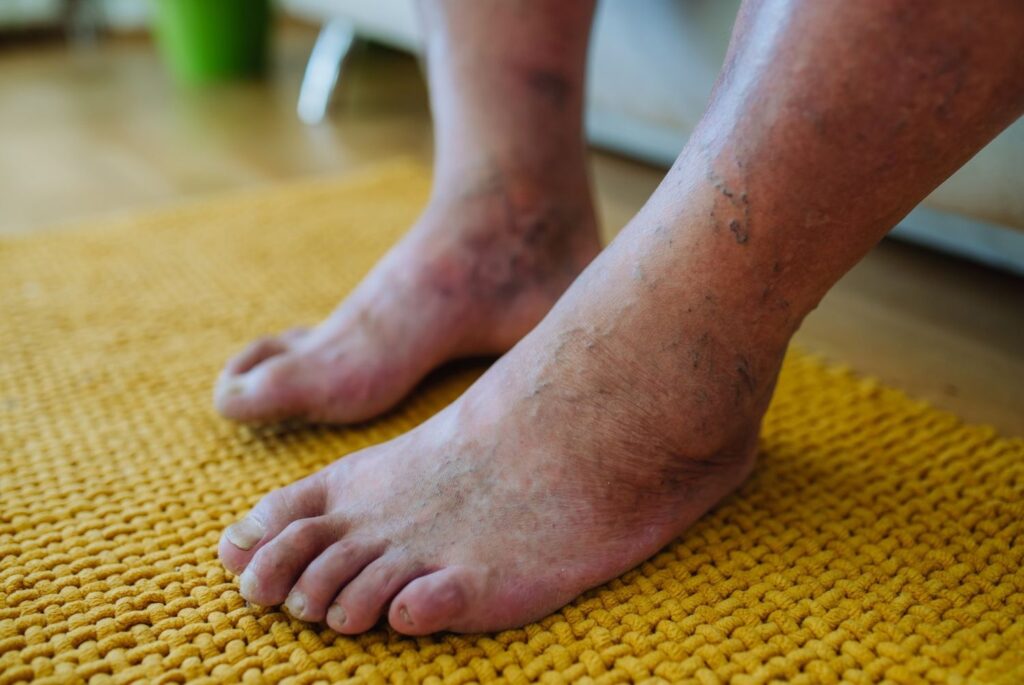
Foot ulcers are open wounds that heal very slowly due to poor circulation and nerve damage. Even a small blister can turn into a serious ulcer if ignored. Diabetic ulcers often appear on pressure points, such as the bottom of the foot or around toes.
If you notice any persistent sores, it’s essential to get them checked immediately. Specialists at Vital Podiatry Cypress Foot and Ankle Specialist can provide advanced wound care to prevent infections and promote faster healing.
Infections and Skin Conditions
Cuts, scrapes, fungal infections, and dry, cracked skin can quickly become gateways for bacteria. Infections in diabetics can escalate faster than in the general population, sometimes requiring antibiotics or more intensive treatment. Keeping feet clean, dry, and well-moisturized (without overdoing it between toes) is key to prevention.
Toenail Issues and Fungal Infections
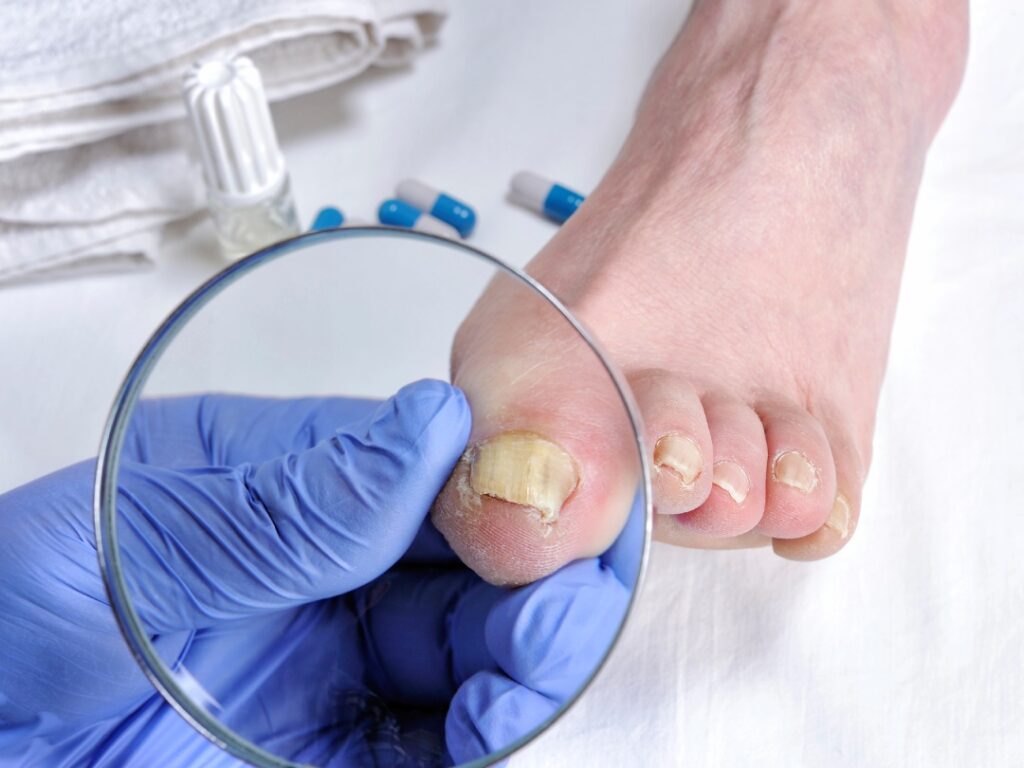
Thick, discolored, or brittle nails aren’t just an aesthetic issue—they can trap moisture and bacteria, leading to fungal infections. Ingrown nails, if not treated properly, can also cause pain and infections. Professional podiatrists can safely trim nails, treat fungal infections, and provide advice for ongoing nail health.
Daily Foot Care Routine: Step by Step
Daily care is your first line of defense against diabetic foot complications. A consistent routine can dramatically reduce the risk of problems.
Inspecting Your Feet Daily
Every day, take time to check your feet from top to bottom. Look for redness, swelling, blisters, cuts, or changes in nail color. Use a mirror for hard-to-see areas or ask a family member for help.
Even if your feet feel fine, small changes can signal early problems. Catching issues early can prevent them from becoming serious.
Washing and Moisturizing
Wash your feet daily with lukewarm water and mild soap. Avoid hot water, which can damage sensitive skin. After washing, dry your feet thoroughly, paying special attention to the spaces between your toes.
Moisturize daily to prevent dry, cracked skin, but avoid applying lotion between the toes to reduce the risk of fungal infections. Think of it like oiling a leather boot—you want it supple, not soggy.
Proper Nail Care Techniques
Cut nails straight across, avoid trimming cuticles aggressively, and don’t round the edges too much, as this can cause ingrown nails. If you struggle with nail care, professional podiatrists can safely manage nail trimming and treatment.
Choosing the Right Socks and Footwear
Socks should wick away moisture, and shoes should fit well, provide support, and have a wide toe box. Shoes that are too tight or lack cushioning can cause blisters or calluses, which can turn into serious problems if left untreated. Always wear shoes, even at home—barefoot walking is risky.
Lifestyle Habits to Protect Your Feet
Foot care isn’t just about what you do with your feet—it’s about how you care for your body overall.
Managing Blood Sugar Levels
Consistent blood sugar control is essential. Stable glucose levels improve circulation, reduce nerve damage, and accelerate wound healing. Make sure to monitor your levels regularly and follow your diabetes management plan.
Staying Active Safely
Exercise improves circulation and supports overall health. Low-impact activities like swimming, cycling, and walking are great for diabetics. Always inspect your feet before and after exercise to ensure you haven’t developed blisters or injuries.
Avoiding Risky Habits
Certain habits, like smoking, walking barefoot, or ignoring foot pain, can significantly increase your risk of complications. Think of your feet as the foundation of a house—if the foundation is weak, the whole structure suffers. Avoid these risks to maintain healthy feet.
When to See a Specialist
Even with the best home care, there are times when professional intervention is essential.
Signs You Shouldn’t Ignore
Persistent pain, swelling, redness, warmth, open sores, or slow-healing wounds are all red flags. Delaying care can result in infections or worse complications.
How Vital Podiatry Cypress Foot and Ankle Specialist Can Help in Marks Glen
The team at Vital Podiatry offers comprehensive diabetic foot care, including routine checkups, wound management, nail care, custom orthotics, and preventive education. Their expertise ensures early detection of problems and personalized treatment plans tailored to your needs.
Advanced Treatments and Preventive Measures
Custom Orthotics and Insoles
Orthotics help redistribute pressure, improve alignment, and prevent ulcers from developing. Custom insoles are designed to fit the unique contours of your feet, providing comfort and protection.
Regular Podiatric Check-Ups
Even if your feet feel healthy, routine podiatric evaluations are essential. Specialists can spot early signs of neuropathy, vascular issues, or skin changes before they become serious.
Wound Care and Infection Prevention
If you develop a cut, blister, or sore, proper wound care is critical. Cleaning, dressing, and monitoring the injury under professional supervision prevents infections from spreading. Vital Podiatry employs advanced wound care techniques to accelerate healing and minimize complications.
Myths About Diabetic Foot Care
“Nothing Will Happen if I Don’t Check Daily”
Ignoring daily foot inspections is a risky myth. Many serious complications start small, as tiny cuts, blisters, or cracks. Early detection prevents escalation.
“Shoes Don’t Make a Difference”
Shoes aren’t just fashion—they’re protection. Ill-fitting footwear can lead to blisters, calluses, and ulcers. Investing in proper shoes is one of the simplest ways to safeguard your feet.
Vital Podiatry Cypress Foot and Ankle Specialist Serving the Marks Glen Community and Beyond in Houston
Vital Podiatry Cypress Foot and Ankle Specialist is dedicated to serving the diverse needs of the local community of Houston, including individuals residing in neighborhoods like Marks Glen. With its convenient location near landmarks such as the No air neighbor park and major intersections like Saras Walk and Adams Run Dr. (coordinates: 29.948352538487466, -95.6343527370113), we offer diabetic foot care doctor Cypress services.
Get Diabetic Foot Care Doctor Services At Marks Glen Now
CALL US NOW!
(281) 937-4546
Navigate from Marks Glen to Vital Podiatry Cypress Foot and Ankle Specialist Now
Taking Charge of Your Foot Health
Your feet carry you through life, and for diabetics, they need special attention. Daily care, smart lifestyle choices, and professional guidance from Vital Podiatry Cypress Foot and Ankle Specialist in Marks Glen can prevent serious problems and keep you walking confidently.
It’s never too late to start caring for your feet properly. By combining a solid home care routine with professional checkups, you can dramatically reduce your risk of complications and enjoy better mobility and comfort for years to come.
FAQs
1. How often should I check my feet if I have diabetes?
Every day, especially after showering or walking barefoot. Daily inspections catch problems early before they worsen.
2. Can foot problems be prevented entirely?
While not all issues are avoidable, consistent care, proper footwear, and blood sugar management drastically reduce risks.
3. What type of shoes are best for diabetics?
Shoes should be supportive, well-fitted, and have a wide toe box. Moisture-wicking socks and custom orthotics add extra protection.
4. When should I see a podiatrist?
See a podiatrist for redness, swelling, persistent pain, blisters, sores, or nail issues. Early intervention prevents serious complications.
5. Are foot ulcers dangerous?
Yes. Ulcers can become infected and escalate quickly. Professional care is crucial for healing and preventing further complications.