Can Children Need Foot and Ankle Doctors?

January 16, 2026

Children never seem to slow down. They run across playgrounds, sprint through soccer fields, jump off furniture, and treat every step like part of an adventure. Their feet and ankles carry the full load of that energy. Because children grow fast and move even faster, foot and ankle problems can develop quietly until pain or mobility issues appear. That reality leads many parents to ask an important question: can children need foot and ankle doctors? The answer is a confident yes. Early evaluation and care often shape how a child walks, runs, and stays active well into adulthood.

Pediatric foot care focuses on growth, balance, and long-term comfort. A specialist understands how developing bones, soft cartilage, and flexible joints respond to stress. When concerns show up early, professional care helps children stay pain-free while continuing the activities they love.

Female athlete at Foot and Ankle Doctor Cypress for sports injury rehabilitation and physical therapy exam.

Understanding Pediatric Foot and Ankle Health

Children’s feet differ greatly from adult feet. At birth, feet consist largely of cartilage. Over time, that cartilage hardens into bone, arches begin to form, and muscles strengthen to support body weight. This process continues through adolescence.

Foot and ankle health during childhood affects posture, coordination, and athletic performance. Poor alignment or untreated pain can influence knees, hips, and even the lower back. Pediatric-focused care looks beyond short-term relief and aims to guide healthy development.

Why Children’s Feet Are Different From Adults

Adult feet have finished growing. Children’s feet change constantly. Growth plates sit at the ends of bones and remain vulnerable to stress and impact. Because these areas lack full strength, children face unique risks related to overuse, improper footwear, and repetitive motion.

Treatment for kids requires a different approach. What works for adults may interfere with natural development in younger patients. A foot and ankle doctor trained in pediatric care understands these differences and tailors treatment to support growth rather than restrict it.

Growth Stages That Impact Foot Development

Growth spurts place sudden tension on muscles and tendons. Bones lengthen faster than surrounding soft tissue can adjust. That imbalance explains why children sometimes develop heel pain, tight calves, or awkward walking patterns overnight.

These changes often coincide with increased activity levels at school or in sports. Monitoring foot health during growth stages helps catch problems before they turn into chronic pain or movement limitations.

Common Foot and Ankle Problems in Children

Children experience a wide range of foot and ankle issues. Some resolve naturally, while others benefit from early care. Understanding common conditions helps parents recognize when professional input matters.

Flat Feet and Arch Development

Flat feet appear frequently in young children. In many cases, arches develop naturally with age. Trouble arises when flat feet cause pain, fatigue, or instability. Children may complain of aching legs, tire quickly during play, or avoid physical activities.

Persistent flat feet can influence alignment throughout the lower body. Evaluation helps determine if supportive care, exercises, or custom orthotics would benefit the child.

Heel Pain and Growth Plate Issues

Heel pain stands out as one of the most common pediatric complaints. Active children place repeated stress on the heel during running and jumping. Growth plates in the heel remain sensitive during development.

Sever’s Disease Explained Simply

Sever’s disease involves inflammation near the heel growth plate. Sports like soccer, basketball, and track often trigger symptoms. Children report pain during activity that improves with rest. Treatment focuses on reducing strain, managing inflammation, and supporting the foot during growth.

Toe Walking and Gait Concerns

Occasional toe walking appears during early development. Persistent toe walking beyond toddler years may signal muscle tightness, balance challenges, or neurological concerns. Left unaddressed, it can affect posture and coordination.

A foot and ankle doctor evaluates walking patterns, muscle flexibility, and overall movement. Early guidance often improves gait and prevents secondary issues.

Ingrown Toenails in Kids

Ingrown toenails cause discomfort that children often hide. Tight shoes, improper trimming, and rapid growth increase risk. Redness, swelling, or drainage indicate infection. Prompt care relieves pain and prevents complications that interfere with daily activities.

Signs Your Child May Need a Foot and Ankle Doctor

Children express discomfort differently than adults. Behavioral changes often provide the first clue that something feels wrong.

Pain That Interrupts Play or Sports

Kids rarely choose to sit out unless pain limits them. Complaints after activity, frequent requests to rest, or avoidance of favorite games signal an issue worth checking. Pain does not belong in normal childhood movements.

Visible Changes in Walking or Standing

Limping, walking on the sides of the feet, or uneven shoe wear suggest alignment concerns. These signs often appear gradually, making them easy to overlook. Early evaluation helps prevent strain on other joints.

Frequent Tripping or Balance Problems

Clumsiness happens, yet repeated tripping or balance struggles point to underlying foot or ankle issues. Muscle weakness, improper alignment, or sensory concerns may play a role.
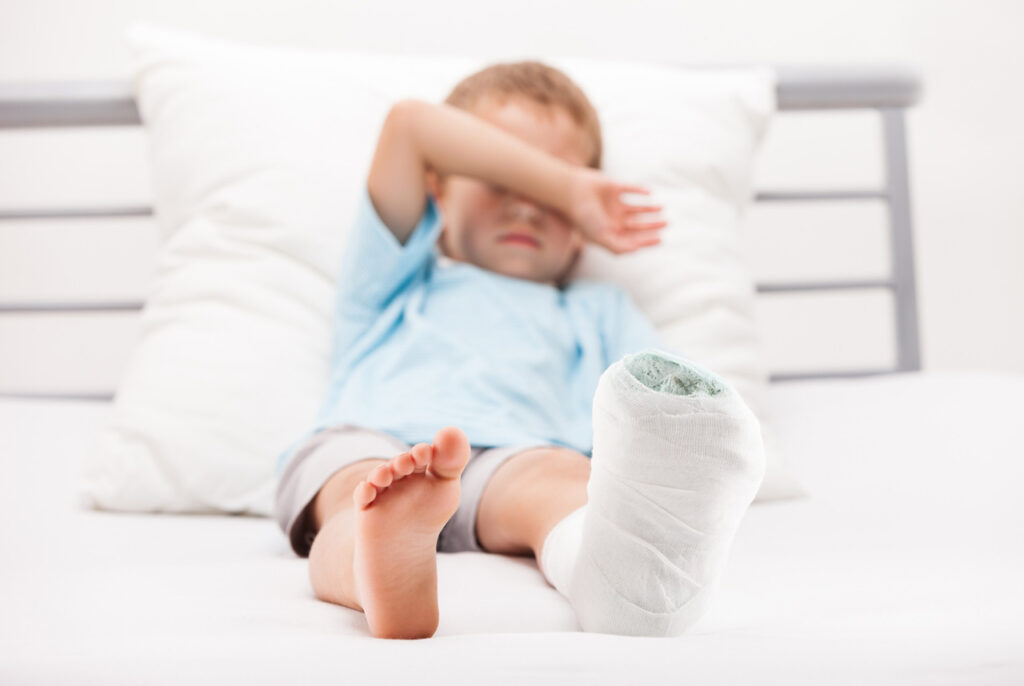
Pediatric patient in a cast recovering from a broken bone, managed by a Foot and Ankle Doctor Cypress specialist.

Sports, Injuries, and Overuse in Growing Feet

Youth sports encourage fitness and confidence. They also place repetitive stress on developing feet and ankles. Proper guidance keeps kids active without risking injury.

Soccer, Dance, and High-Impact Activities

Sports involving running, jumping, or tight footwear increase injury risk. Cleats, ballet shoes, and court shoes alter foot mechanics. Without support, children may develop pain that worsens over time.

A foot specialist helps manage training loads, footwear choices, and recovery strategies.

Stress Injuries in Young Athletes

Stress fractures and tendon irritation appear more often in young athletes than many parents realize. Rapid growth combined with intense training places added pressure on bones and soft tissue. Early care shortens recovery time and protects long-term foot health.

Pediatric Foot Care at Vital Podiatry Cypress Foot and Ankle Specialist

Vital Podiatry Cypress Foot and Ankle Specialist provides focused pediatric care designed around growing bodies. The clinic understands that children need patience, reassurance, and treatment plans that fit active lifestyles.

Each visit emphasizes education for both child and parent. Clear explanations build trust and encourage cooperation throughout treatment.

What Sets Pediatric Podiatry Apart

Pediatric podiatry looks ahead. Treatment considers how today’s care influences tomorrow’s movement. That forward-thinking approach supports healthy development while easing current discomfort.

Gentle Diagnostics and Child-Friendly Care

Exams stay calm and pressure-free. Doctors explain each step in simple terms. Children feel comfortable asking questions, and parents leave with a clear plan that feels manageable.

Preventing Long-Term Foot Problems Early

Early care shapes lifelong movement patterns. Addressing issues during childhood often prevents chronic pain later in life.

Proper Footwear for Kids

Shoes influence foot development more than many parents realize. Proper fit, flexible soles, and activity-appropriate design matter. Ill-fitting shoes restrict natural movement and contribute to discomfort.

Guidance from a foot specialist simplifies footwear choices during rapid growth stages.

When Orthotics Make Sense

Custom orthotics support alignment and reduce strain during activity. Designed specifically for children, they guide movement without limiting growth. Used appropriately, orthotics improve comfort and confidence.

What to Expect During a Child’s First Visit

First visits set the tone for successful care. Pediatric-focused clinics prioritize comfort and communication.

Exams Without Fear

Doctors approach exams with patience and humor. Children understand what happens and why it matters. That transparency reduces anxiety and builds cooperation.

Parent Involvement in Care Plans

Parents play an essential role in outcomes. Clear instructions and realistic expectations make home care effective. Follow-up visits track progress and adjust treatment as children grow.

Vital Podiatry Cypress Foot and Ankle Specialist Serving the White Oak Springs Community and Beyond in Houston

Vital Podiatry Cypress Foot and Ankle Specialist is dedicated to serving the diverse needs of the local community of Houston, including individuals residing in neighborhoods like White Oak Springs. With its convenient location near landmarks such as the Neighborhood Park and major intersections like Hempstead Hwy. & Hemwick Dr. (coordinates: 29.93036610644286, -95.63435179882528), we offer foot and ankle doctor Cypress services.

Get Foot and Ankle Doctor Services at White Oak Springs Now

CALL US NOW!

(281) 937-4546

Navigate from White Oak Springs to Vital Podiatry Cypress Foot and Ankle Specialist Now

Building Strong Foundations for Lifelong Movement

Children rely on healthy feet and ankles to explore the world. Pain, imbalance, or injury can limit more than movement; it can affect confidence and joy. Foot and ankle doctors trained in pediatric care help guide development, manage discomfort, and support active lifestyles. Early attention often leads to stronger, healthier steps that last well into adulthood.

FAQs

1. At what age should a child see a foot and ankle doctor?
Any age works if pain, walking changes, or injuries appear.

2. Are flat feet always a concern in children?
No. Pain or fatigue signals the need for evaluation.

3. Can children outgrow foot pain naturally?
Some discomfort fades, yet ongoing pain deserves professional care.

4. Do sports increase the risk of foot injuries in kids?
High-impact sports raise risk, especially during growth spurts.

5. Are custom orthotics safe for growing feet?
Yes, when designed specifically for pediatric development.

TAKE YOUR FIRST STEP

OR CALL US

(281) 937-4546

Related Post


Children never seem to slow down. They run across playgrounds, sprint through soccer fields, jump off furniture, and treat every step like part of an adventure. Their feet and ankles carry the full load of that energy. Because children grow fast and move even faster, foot and ankle problems can develop quietly until pain or mobility issues appear. That reality leads many parents to ask an important question: can children need foot and ankle doctors? The answer is a confident yes. Early evaluation and care often shape how a child walks, runs, and stays active well into adulthood.

Pediatric foot care focuses on growth, balance, and long-term comfort. A specialist understands how developing bones, soft cartilage, and flexible joints respond to stress. When concerns show up early, professional care helps children stay pain-free while continuing the activities they love.

Female athlete at Foot and Ankle Doctor Cypress for sports injury rehabilitation and physical therapy exam.

Understanding Pediatric Foot and Ankle Health

Children’s feet differ greatly from adult feet. At birth, feet consist largely of cartilage. Over time, that cartilage hardens into bone, arches begin to form, and muscles strengthen to support body weight. This process continues through adolescence.

Foot and ankle health during childhood affects posture, coordination, and athletic performance. Poor alignment or untreated pain can influence knees, hips, and even the lower back. Pediatric-focused care looks beyond short-term relief and aims to guide healthy development.

Why Children’s Feet Are Different From Adults

Adult feet have finished growing. Children’s feet change constantly. Growth plates sit at the ends of bones and remain vulnerable to stress and impact. Because these areas lack full strength, children face unique risks related to overuse, improper footwear, and repetitive motion.

Treatment for kids requires a different approach. What works for adults may interfere with natural development in younger patients. A foot and ankle doctor trained in pediatric care understands these differences and tailors treatment to support growth rather than restrict it.

Growth Stages That Impact Foot Development

Growth spurts place sudden tension on muscles and tendons. Bones lengthen faster than surrounding soft tissue can adjust. That imbalance explains why children sometimes develop heel pain, tight calves, or awkward walking patterns overnight.

These changes often coincide with increased activity levels at school or in sports. Monitoring foot health during growth stages helps catch problems before they turn into chronic pain or movement limitations.

Common Foot and Ankle Problems in Children

Children experience a wide range of foot and ankle issues. Some resolve naturally, while others benefit from early care. Understanding common conditions helps parents recognize when professional input matters.

Flat Feet and Arch Development

Flat feet appear frequently in young children. In many cases, arches develop naturally with age. Trouble arises when flat feet cause pain, fatigue, or instability. Children may complain of aching legs, tire quickly during play, or avoid physical activities.

Persistent flat feet can influence alignment throughout the lower body. Evaluation helps determine if supportive care, exercises, or custom orthotics would benefit the child.

Heel Pain and Growth Plate Issues

Heel pain stands out as one of the most common pediatric complaints. Active children place repeated stress on the heel during running and jumping. Growth plates in the heel remain sensitive during development.

Sever’s Disease Explained Simply

Sever’s disease involves inflammation near the heel growth plate. Sports like soccer, basketball, and track often trigger symptoms. Children report pain during activity that improves with rest. Treatment focuses on reducing strain, managing inflammation, and supporting the foot during growth.

Toe Walking and Gait Concerns

Occasional toe walking appears during early development. Persistent toe walking beyond toddler years may signal muscle tightness, balance challenges, or neurological concerns. Left unaddressed, it can affect posture and coordination.

A foot and ankle doctor evaluates walking patterns, muscle flexibility, and overall movement. Early guidance often improves gait and prevents secondary issues.

Ingrown Toenails in Kids

Ingrown toenails cause discomfort that children often hide. Tight shoes, improper trimming, and rapid growth increase risk. Redness, swelling, or drainage indicate infection. Prompt care relieves pain and prevents complications that interfere with daily activities.

Signs Your Child May Need a Foot and Ankle Doctor

Children express discomfort differently than adults. Behavioral changes often provide the first clue that something feels wrong.

Pain That Interrupts Play or Sports

Kids rarely choose to sit out unless pain limits them. Complaints after activity, frequent requests to rest, or avoidance of favorite games signal an issue worth checking. Pain does not belong in normal childhood movements.

Visible Changes in Walking or Standing

Limping, walking on the sides of the feet, or uneven shoe wear suggest alignment concerns. These signs often appear gradually, making them easy to overlook. Early evaluation helps prevent strain on other joints.

Frequent Tripping or Balance Problems

Clumsiness happens, yet repeated tripping or balance struggles point to underlying foot or ankle issues. Muscle weakness, improper alignment, or sensory concerns may play a role.

Pediatric patient in a cast recovering from a broken bone, managed by a Foot and Ankle Doctor Cypress specialist.

Sports, Injuries, and Overuse in Growing Feet

Youth sports encourage fitness and confidence. They also place repetitive stress on developing feet and ankles. Proper guidance keeps kids active without risking injury.

Soccer, Dance, and High-Impact Activities

Sports involving running, jumping, or tight footwear increase injury risk. Cleats, ballet shoes, and court shoes alter foot mechanics. Without support, children may develop pain that worsens over time.

A foot specialist helps manage training loads, footwear choices, and recovery strategies.

Stress Injuries in Young Athletes

Stress fractures and tendon irritation appear more often in young athletes than many parents realize. Rapid growth combined with intense training places added pressure on bones and soft tissue. Early care shortens recovery time and protects long-term foot health.

Pediatric Foot Care at Vital Podiatry Cypress Foot and Ankle Specialist

Vital Podiatry Cypress Foot and Ankle Specialist provides focused pediatric care designed around growing bodies. The clinic understands that children need patience, reassurance, and treatment plans that fit active lifestyles.

Each visit emphasizes education for both child and parent. Clear explanations build trust and encourage cooperation throughout treatment.

What Sets Pediatric Podiatry Apart

Pediatric podiatry looks ahead. Treatment considers how today’s care influences tomorrow’s movement. That forward-thinking approach supports healthy development while easing current discomfort.

Gentle Diagnostics and Child-Friendly Care

Exams stay calm and pressure-free. Doctors explain each step in simple terms. Children feel comfortable asking questions, and parents leave with a clear plan that feels manageable.

Preventing Long-Term Foot Problems Early

Early care shapes lifelong movement patterns. Addressing issues during childhood often prevents chronic pain later in life.

Proper Footwear for Kids

Shoes influence foot development more than many parents realize. Proper fit, flexible soles, and activity-appropriate design matter. Ill-fitting shoes restrict natural movement and contribute to discomfort.

Guidance from a foot specialist simplifies footwear choices during rapid growth stages.

When Orthotics Make Sense

Custom orthotics support alignment and reduce strain during activity. Designed specifically for children, they guide movement without limiting growth. Used appropriately, orthotics improve comfort and confidence.

What to Expect During a Child’s First Visit

First visits set the tone for successful care. Pediatric-focused clinics prioritize comfort and communication.

Exams Without Fear

Doctors approach exams with patience and humor. Children understand what happens and why it matters. That transparency reduces anxiety and builds cooperation.

Parent Involvement in Care Plans

Parents play an essential role in outcomes. Clear instructions and realistic expectations make home care effective. Follow-up visits track progress and adjust treatment as children grow.

Vital Podiatry Cypress Foot and Ankle Specialist Serving the White Oak Springs Community and Beyond in Houston

Vital Podiatry Cypress Foot and Ankle Specialist is dedicated to serving the diverse needs of the local community of Houston, including individuals residing in neighborhoods like White Oak Springs. With its convenient location near landmarks such as the Neighborhood Park and major intersections like Hempstead Hwy. & Hemwick Dr. (coordinates: 29.93036610644286, -95.63435179882528), we offer foot and ankle doctor Cypress services.

Get Foot and Ankle Doctor Services at White Oak Springs Now

CALL US NOW!

(281) 937-4546

Navigate from White Oak Springs to Vital Podiatry Cypress Foot and Ankle Specialist Now

Building Strong Foundations for Lifelong Movement

Children rely on healthy feet and ankles to explore the world. Pain, imbalance, or injury can limit more than movement; it can affect confidence and joy. Foot and ankle doctors trained in pediatric care help guide development, manage discomfort, and support active lifestyles. Early attention often leads to stronger, healthier steps that last well into adulthood.

FAQs

1. At what age should a child see a foot and ankle doctor?
Any age works if pain, walking changes, or injuries appear.

2. Are flat feet always a concern in children?
No. Pain or fatigue signals the need for evaluation.

3. Can children outgrow foot pain naturally?
Some discomfort fades, yet ongoing pain deserves professional care.

4. Do sports increase the risk of foot injuries in kids?
High-impact sports raise risk, especially during growth spurts.

5. Are custom orthotics safe for growing feet?
Yes, when designed specifically for pediatric development.