How Do DPM Doctors Help Athletes?

January 20, 2026

Athletes put their bodies through intense stress every day, but it’s easy to forget that their feet and ankles are the real unsung heroes. Every sprint, jump, pivot, and run depends on these structures working perfectly. When injuries strike or performance dips, that’s when a DPM (Doctor of Podiatric Medicine) steps in. 

DPM doctors specialize in diagnosing, treating, and preventing foot and ankle issues, helping athletes stay in the game longer and stronger. In this article, we’ll break down exactly how DPM doctors support athletes and why they are essential to peak performance.
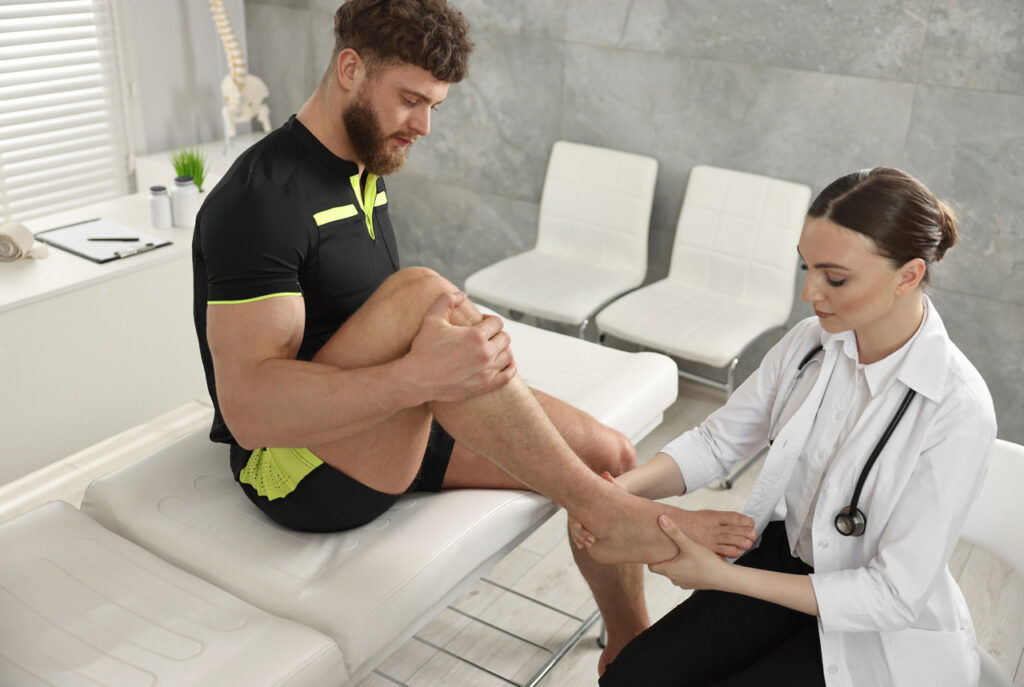
DPM Doctor Cypress providing a sports injury consultation for foot and ankle pain to help an athlete return to play.

Understanding DPM Doctors

What is a DPM?

A DPM, or Doctor of Podiatric Medicine, is a medical professional who focuses entirely on the lower extremities, including the feet, ankles, and related structures. Unlike general practitioners, DPMs undergo specialized training that allows them to identify and treat complex foot and ankle injuries, as well as chronic conditions that can affect an athlete’s performance. 

From simple sprains to severe fractures, a DPM evaluates the root cause of pain and designs a treatment plan tailored to the athlete’s unique needs.

Specialized Training for Foot and Ankle Care

DPM doctors complete extensive education, including medical school, podiatry residency, and often additional fellowship training in sports medicine or surgery. Their curriculum covers anatomy, biomechanics, pathology, and injury management specific to the lower extremities. This level of training allows DPMs to provide highly targeted treatments, whether that’s prescribing orthotics, performing surgery, or creating rehabilitation programs. For athletes, this expertise translates into faster recovery and better long-term performance.

Common Foot and Ankle Issues in Athletes

Athletes constantly push their bodies to the limit, making foot and ankle injuries one of the most common problems in sports. Understanding these issues is the first step toward prevention and effective treatment.

Sprains and Strains

Ankle sprains happen when ligaments stretch or tear, usually from sudden twists or uneven surfaces. Even a minor sprain can sideline an athlete if left untreated. DPM doctors not only provide immediate care, such as bracing or taping, but also design rehab programs to strengthen surrounding muscles and prevent future injuries.

Plantar Fasciitis and Heel Pain

Heel pain, often caused by plantar fasciitis, is a frequent issue for runners, dancers, and athletes who spend long hours on their feet. A DPM identifies the source of the pain, evaluates biomechanics, and prescribes treatments like stretching routines, night splints, or custom orthotics. These interventions help athletes continue training without worsening the injury.

Stress Fractures

Repetitive impact can lead to tiny cracks in bones, especially in the metatarsals or heel. Stress fractures are tricky because they may not be obvious at first. A DPM uses imaging and clinical evaluation to catch these injuries early, ensuring proper healing and preventing more severe fractures.

Tendonitis and Overuse Injuries

Overuse is common in sports, leading to tendonitis or inflammation of the tendons. A DPM provides targeted therapy to reduce inflammation, correct movement patterns, and strengthen the foot and ankle. This allows athletes to train safely without sacrificing performance.

Role of DPM Doctors in Athletic Performance

DPM doctors are more than injury specialists—they help athletes improve overall performance by optimizing foot and ankle health.

Injury Prevention

Prevention is a cornerstone of podiatric care. DPMs identify risk factors such as improper footwear, biomechanical imbalances, or muscle weakness. They implement strategies like corrective exercises, orthotics, and gait adjustments to reduce injury risk. For athletes, fewer injuries mean more time on the field, court, or track.

Biomechanical Assessments

Every athlete moves differently, and subtle inefficiencies can lead to injuries or decreased performance. DPMs study gait, foot alignment, and joint mechanics to uncover imbalances. Adjusting these patterns can improve running speed, agility, and endurance while reducing unnecessary stress on the lower body.

Customized Orthotics and Supports

Generic shoes often fail to provide the support athletes need. DPMs create custom orthotics that align the foot, redistribute pressure, and reduce strain on muscles and ligaments. These orthotics can make a significant difference in both injury prevention and performance enhancement.

Diagnosis Techniques Used by DPM Doctors

Effective treatment begins with an accurate diagnosis. DPM doctors use a combination of hands-on assessment and advanced technology.

Physical Examination

A thorough physical exam allows the DPM to identify pain sources, measure range of motion, and detect structural abnormalities. Manual testing helps reveal problems that may not be visible on scans or X-rays.

Imaging and Advanced Technology

X-rays, MRIs, and ultrasounds provide a deeper look at bones, ligaments, and soft tissue. Some podiatrists also use 3D scanning and pressure mapping to analyze how forces move through the foot during athletic activity, helping create precise treatment plans.

Gait Analysis

Studying how an athlete walks or runs uncovers hidden weaknesses and inefficient movement patterns. Gait analysis guides corrective measures, including footwear adjustments, orthotics, and strengthening exercises, ultimately improving both performance and injury resistance.

Treatment Strategies for Athletes

Treatment plans from DPM doctors focus on restoring function, preventing future injuries, and maintaining athletic performance.

Non-Surgical Treatments

Most foot and ankle injuries respond well to non-invasive approaches. DPMs use physical therapy, orthotics, anti-inflammatory therapy, taping, and footwear modifications. These strategies promote healing without downtime, keeping athletes active and competitive.

Surgical Interventions When Necessary

In some cases, surgery is the best solution. DPM doctors perform procedures to repair torn ligaments, fractured bones, or damaged tendons. Their focus on precision and minimally invasive techniques reduces recovery time, allowing athletes to return to competition safely.

Rehabilitation Programs

Healing isn’t just about rest—it’s about retraining the foot and ankle. DPMs develop sport-specific rehab programs that combine strength, balance, and mobility exercises. These programs help athletes regain full function and prevent recurring injuries.

A doctor evaluating the flexibility or range of motion of a patient’s ankle during a follow-up or rehab session.

How Vital Podiatry Cypress Foot and Ankle Specialist Supports Athletes

Vital Podiatry Cypress Foot and Ankle Specialist understands the unique demands athletes face. They focus on personalized care and long-term performance.

Personalized Care Plans

Every athlete is different. The team at Vital Podiatry Cypress Foot and Ankle Specialist designs individualized plans that address current injuries, biomechanical issues, and overall foot health. These plans ensure recovery is safe, effective, and tailored to the athlete’s sport.

Sports-Specific Injury Management

Whether it’s soccer, running, basketball, or dance, the clinic develops treatments that match each sport’s unique demands. This targeted approach accelerates recovery and helps athletes maintain peak performance.

Long-Term Foot Health for Athletes

Vital Podiatry doesn’t stop at treating injuries. They focus on prevention, education, and strengthening to ensure athletes stay healthy over the long term. Regular monitoring and care help athletes avoid chronic issues that could derail their careers.

Tips for Athletes to Maintain Healthy Feet

Even with expert care, athletes can take steps to protect their feet.

Proper Footwear Selection

Shoes designed for the athlete’s specific sport reduce injury risk. DPMs recommend footwear based on foot shape, arch type, and activity level. The right shoes support proper biomechanics and cushion the feet during high-impact movements.

Stretching and Strengthening Exercises

Simple exercises like calf raises, toe curls, and ankle mobility drills strengthen the foot and ankle, improving flexibility and resilience. Consistent practice can prevent many overuse injuries.

Regular Check-Ups with a DPM Doctor

Athletes benefit from regular podiatric check-ups, even without pain. DPMs can detect subtle changes in gait, pressure points, or minor injuries before they escalate, helping athletes stay ahead of potential problems.

Vital Podiatry Cypress Foot and Ankle Specialist Serving the Tower Oaks Community and Beyond in Houston

Vital Podiatry Cypress Foot and Ankle Specialist is dedicated to serving the diverse needs of the local community of Houston, including individuals residing in neighborhoods like Tower Oaks. With its convenient location near landmarks such as the CASA DE ORACION and major intersections like Dakar Dr. & N Eldridge Pkwy. (coordinates: 29.93935779811094, -95.60840692896417), we offer DPM doctor Cypress services.

Get DPM Doctor Services at Tower Oaks Now

CALL US NOW!

(281) 937-4546

Navigate from Tower Oaks to Vital Podiatry Cypress Foot and Ankle Specialist Now

The Foundation of Athletic Excellence

Athletic success starts at the ground level—literally. DPM doctors play a critical role in injury prevention, treatment, and performance optimization. By combining expertise in biomechanics, surgery, orthotics, and rehabilitation, they keep athletes moving efficiently and safely. 

For those serious about protecting their feet and maximizing performance, partnering with specialists like Vital Podiatry Cypress Foot and Ankle Specialist ensures a foundation built for success. Healthy feet don’t just support your body—they support your dreams.

FAQs

1. How often should an athlete see a DPM doctor?
Athletes should schedule check-ups at least twice a year or immediately after any injury. Early detection prevents small issues from becoming major setbacks.

2. Can DPM doctors help with sports shoe selection?
Absolutely. They recommend shoes that match foot shape, arch type, and the athlete’s specific sport to reduce injury risk and improve performance.

3. Are orthotics necessary for all athletes?
Not all athletes need orthotics. They are most beneficial for individuals with biomechanical imbalances, chronic pain, or a history of injuries.

4. How long does recovery take after foot or ankle surgery?
Recovery varies depending on the injury and procedure. DPM doctors create tailored rehabilitation plans to speed up recovery and maintain athletic performance safely.

5. Can DPM doctors improve running efficiency?
Yes. Through gait analysis, orthotic adjustments, and strengthening exercises, DPMs can optimize running mechanics, reduce fatigue, and prevent injuries.

TAKE YOUR FIRST STEP

OR CALL US

(281) 937-4546

Related Post


Athletes put their bodies through intense stress every day, but it’s easy to forget that their feet and ankles are the real unsung heroes. Every sprint, jump, pivot, and run depends on these structures working perfectly. When injuries strike or performance dips, that’s when a DPM (Doctor of Podiatric Medicine) steps in. 

DPM doctors specialize in diagnosing, treating, and preventing foot and ankle issues, helping athletes stay in the game longer and stronger. In this article, we’ll break down exactly how DPM doctors support athletes and why they are essential to peak performance.

DPM Doctor Cypress providing a sports injury consultation for foot and ankle pain to help an athlete return to play.

Understanding DPM Doctors

What is a DPM?

A DPM, or Doctor of Podiatric Medicine, is a medical professional who focuses entirely on the lower extremities, including the feet, ankles, and related structures. Unlike general practitioners, DPMs undergo specialized training that allows them to identify and treat complex foot and ankle injuries, as well as chronic conditions that can affect an athlete’s performance. 

From simple sprains to severe fractures, a DPM evaluates the root cause of pain and designs a treatment plan tailored to the athlete’s unique needs.

Specialized Training for Foot and Ankle Care

DPM doctors complete extensive education, including medical school, podiatry residency, and often additional fellowship training in sports medicine or surgery. Their curriculum covers anatomy, biomechanics, pathology, and injury management specific to the lower extremities. This level of training allows DPMs to provide highly targeted treatments, whether that’s prescribing orthotics, performing surgery, or creating rehabilitation programs. For athletes, this expertise translates into faster recovery and better long-term performance.

Common Foot and Ankle Issues in Athletes

Athletes constantly push their bodies to the limit, making foot and ankle injuries one of the most common problems in sports. Understanding these issues is the first step toward prevention and effective treatment.

Sprains and Strains

Ankle sprains happen when ligaments stretch or tear, usually from sudden twists or uneven surfaces. Even a minor sprain can sideline an athlete if left untreated. DPM doctors not only provide immediate care, such as bracing or taping, but also design rehab programs to strengthen surrounding muscles and prevent future injuries.

Plantar Fasciitis and Heel Pain

Heel pain, often caused by plantar fasciitis, is a frequent issue for runners, dancers, and athletes who spend long hours on their feet. A DPM identifies the source of the pain, evaluates biomechanics, and prescribes treatments like stretching routines, night splints, or custom orthotics. These interventions help athletes continue training without worsening the injury.

Stress Fractures

Repetitive impact can lead to tiny cracks in bones, especially in the metatarsals or heel. Stress fractures are tricky because they may not be obvious at first. A DPM uses imaging and clinical evaluation to catch these injuries early, ensuring proper healing and preventing more severe fractures.

Tendonitis and Overuse Injuries

Overuse is common in sports, leading to tendonitis or inflammation of the tendons. A DPM provides targeted therapy to reduce inflammation, correct movement patterns, and strengthen the foot and ankle. This allows athletes to train safely without sacrificing performance.

Role of DPM Doctors in Athletic Performance

DPM doctors are more than injury specialists—they help athletes improve overall performance by optimizing foot and ankle health.

Injury Prevention

Prevention is a cornerstone of podiatric care. DPMs identify risk factors such as improper footwear, biomechanical imbalances, or muscle weakness. They implement strategies like corrective exercises, orthotics, and gait adjustments to reduce injury risk. For athletes, fewer injuries mean more time on the field, court, or track.

Biomechanical Assessments

Every athlete moves differently, and subtle inefficiencies can lead to injuries or decreased performance. DPMs study gait, foot alignment, and joint mechanics to uncover imbalances. Adjusting these patterns can improve running speed, agility, and endurance while reducing unnecessary stress on the lower body.

Customized Orthotics and Supports

Generic shoes often fail to provide the support athletes need. DPMs create custom orthotics that align the foot, redistribute pressure, and reduce strain on muscles and ligaments. These orthotics can make a significant difference in both injury prevention and performance enhancement.

Diagnosis Techniques Used by DPM Doctors

Effective treatment begins with an accurate diagnosis. DPM doctors use a combination of hands-on assessment and advanced technology.

Physical Examination

A thorough physical exam allows the DPM to identify pain sources, measure range of motion, and detect structural abnormalities. Manual testing helps reveal problems that may not be visible on scans or X-rays.

Imaging and Advanced Technology

X-rays, MRIs, and ultrasounds provide a deeper look at bones, ligaments, and soft tissue. Some podiatrists also use 3D scanning and pressure mapping to analyze how forces move through the foot during athletic activity, helping create precise treatment plans.

Gait Analysis

Studying how an athlete walks or runs uncovers hidden weaknesses and inefficient movement patterns. Gait analysis guides corrective measures, including footwear adjustments, orthotics, and strengthening exercises, ultimately improving both performance and injury resistance.

Treatment Strategies for Athletes

Treatment plans from DPM doctors focus on restoring function, preventing future injuries, and maintaining athletic performance.

Non-Surgical Treatments

Most foot and ankle injuries respond well to non-invasive approaches. DPMs use physical therapy, orthotics, anti-inflammatory therapy, taping, and footwear modifications. These strategies promote healing without downtime, keeping athletes active and competitive.

Surgical Interventions When Necessary

In some cases, surgery is the best solution. DPM doctors perform procedures to repair torn ligaments, fractured bones, or damaged tendons. Their focus on precision and minimally invasive techniques reduces recovery time, allowing athletes to return to competition safely.

Rehabilitation Programs

Healing isn’t just about rest—it’s about retraining the foot and ankle. DPMs develop sport-specific rehab programs that combine strength, balance, and mobility exercises. These programs help athletes regain full function and prevent recurring injuries.

A doctor evaluating the flexibility or range of motion of a patient’s ankle during a follow-up or rehab session.

How Vital Podiatry Cypress Foot and Ankle Specialist Supports Athletes

Vital Podiatry Cypress Foot and Ankle Specialist understands the unique demands athletes face. They focus on personalized care and long-term performance.

Personalized Care Plans

Every athlete is different. The team at Vital Podiatry Cypress Foot and Ankle Specialist designs individualized plans that address current injuries, biomechanical issues, and overall foot health. These plans ensure recovery is safe, effective, and tailored to the athlete’s sport.

Sports-Specific Injury Management

Whether it’s soccer, running, basketball, or dance, the clinic develops treatments that match each sport’s unique demands. This targeted approach accelerates recovery and helps athletes maintain peak performance.

Long-Term Foot Health for Athletes

Vital Podiatry doesn’t stop at treating injuries. They focus on prevention, education, and strengthening to ensure athletes stay healthy over the long term. Regular monitoring and care help athletes avoid chronic issues that could derail their careers.

Tips for Athletes to Maintain Healthy Feet

Even with expert care, athletes can take steps to protect their feet.

Proper Footwear Selection

Shoes designed for the athlete’s specific sport reduce injury risk. DPMs recommend footwear based on foot shape, arch type, and activity level. The right shoes support proper biomechanics and cushion the feet during high-impact movements.

Stretching and Strengthening Exercises

Simple exercises like calf raises, toe curls, and ankle mobility drills strengthen the foot and ankle, improving flexibility and resilience. Consistent practice can prevent many overuse injuries.

Regular Check-Ups with a DPM Doctor

Athletes benefit from regular podiatric check-ups, even without pain. DPMs can detect subtle changes in gait, pressure points, or minor injuries before they escalate, helping athletes stay ahead of potential problems.

Vital Podiatry Cypress Foot and Ankle Specialist Serving the Tower Oaks Community and Beyond in Houston

Vital Podiatry Cypress Foot and Ankle Specialist is dedicated to serving the diverse needs of the local community of Houston, including individuals residing in neighborhoods like Tower Oaks. With its convenient location near landmarks such as the CASA DE ORACION and major intersections like Dakar Dr. & N Eldridge Pkwy. (coordinates: 29.93935779811094, -95.60840692896417), we offer DPM doctor Cypress services.

Get DPM Doctor Services at Tower Oaks Now

CALL US NOW!

(281) 937-4546

Navigate from Tower Oaks to Vital Podiatry Cypress Foot and Ankle Specialist Now

The Foundation of Athletic Excellence

Athletic success starts at the ground level—literally. DPM doctors play a critical role in injury prevention, treatment, and performance optimization. By combining expertise in biomechanics, surgery, orthotics, and rehabilitation, they keep athletes moving efficiently and safely. 

For those serious about protecting their feet and maximizing performance, partnering with specialists like Vital Podiatry Cypress Foot and Ankle Specialist ensures a foundation built for success. Healthy feet don’t just support your body—they support your dreams.

FAQs

1. How often should an athlete see a DPM doctor?
Athletes should schedule check-ups at least twice a year or immediately after any injury. Early detection prevents small issues from becoming major setbacks.

2. Can DPM doctors help with sports shoe selection?
Absolutely. They recommend shoes that match foot shape, arch type, and the athlete’s specific sport to reduce injury risk and improve performance.

3. Are orthotics necessary for all athletes?
Not all athletes need orthotics. They are most beneficial for individuals with biomechanical imbalances, chronic pain, or a history of injuries.

4. How long does recovery take after foot or ankle surgery?
Recovery varies depending on the injury and procedure. DPM doctors create tailored rehabilitation plans to speed up recovery and maintain athletic performance safely.

5. Can DPM doctors improve running efficiency?
Yes. Through gait analysis, orthotic adjustments, and strengthening exercises, DPMs can optimize running mechanics, reduce fatigue, and prevent injuries.