If you’ve ever wondered how regenerative medicine harnesses the healing power of stem cells, chances are you’ve heard of Wharton’s Jelly. But what exactly is it, and how do you get it?
In this article, we’ll dive deep into the science, collection process, uses, and safety of Wharton’s Jelly. We’ll also explain how Vital Podiatry Foot and Ankle Specialist near Schroeder Oaks Village can guide patients in exploring treatments that involve this fascinating tissue.
Let’s start with the basics. Wharton’s Jelly might sound like something you’d find in a science fiction lab, but it’s actually a natural tissue found in the umbilical cord. Over the past decade, it has gained attention in medicine because of its incredible regenerative properties. Its stem cells, proteins, and growth factors make it a valuable tool for healing and recovery in orthopedic and regenerative medicine.
Why should you care? Well, if you’ve ever struggled with tendon, joint, or foot issues, understanding how regenerative therapies work could open new doors for treatment—sometimes even helping avoid invasive surgeries.

What Is Wharton’s Jelly?
Wharton’s Jelly is a gelatinous substance that surrounds the blood vessels in the umbilical cord. Imagine it as a cushion or shock absorber that keeps the vessels safe during the baby’s development.
But here’s the exciting part—it’s not just a passive protective layer. It’s packed with mesenchymal stem cells (MSCs) and growth factors that can help repair tissues, reduce inflammation, and promote healing.
Why Wharton’s Jelly Is Gaining Attention
Doctors and researchers are particularly interested in Wharton’s Jelly because its stem cells are incredibly potent. Unlike adult stem cells, which lose some ability to regenerate over time, these cells are “younger” and more versatile. They can differentiate into bone, cartilage, fat, and connective tissue—making them ideal for a wide range of therapeutic applications.
Think of it like a natural repair kit: a reservoir of healing potential just waiting to be used safely in the right medical context.
The Biological Source of Wharton’s Jelly
So, where does this amazing substance come from? The answer is the umbilical cord—the same cord that connects a baby to its mother during pregnancy. The umbilical cord isn’t just a lifeline for nutrients and oxygen; it’s also a source of regenerative medicine gold.
Wharton’s Jelly sits snugly around the veins and arteries in the cord, cushioning the vessels while harboring cells and proteins that can later support healing in humans. The best part? Collecting it doesn’t harm either the baby or the mother, making it ethically accessible.
Composition and Key Components
Wharton’s Jelly is more than just a blob of gelatinous tissue. It’s a carefully structured environment that contains:
Stem Cells in Wharton’s Jelly
The mesenchymal stem cells (MSCs) in Wharton’s Jelly are the stars of the show. They can develop into multiple types of tissue, including bone, cartilage, and fat. This ability makes them highly useful in orthopedic treatments and regenerative therapies.
Growth Factors and Proteins
In addition to stem cells, Wharton’s Jelly contains growth factors and proteins that encourage tissue repair and reduce inflammation. These molecules act like signals to your body, telling injured tissues to start repairing and regenerating efficiently.
Methods of Obtaining Wharton’s Jelly
Now, you might be wondering: how do you actually get this tissue? The process is simpler than you’d think—but it must be done under sterile and controlled conditions to ensure safety and effectiveness.
Collection During Birth
The most common method for obtaining Wharton’s Jelly is immediately after birth. The umbilical cord, which is normally discarded, is carefully processed to isolate the Wharton’s Jelly.
Normal Vaginal Delivery
After a vaginal birth, the cord is clamped and cut, as usual. Medical staff can then separate the Wharton’s Jelly from the rest of the cord without causing any discomfort or risk to the baby or mother.
Cesarean Section
Even in a C-section, the process is straightforward. Once the cord is delivered, Wharton’s Jelly can be collected, ensuring the same high-quality tissue for medical use.
Processing and Preservation
Collecting Wharton’s Jelly is only the first step. To use it safely in medical treatments, it needs careful processing.
Sterilization and Safety Measures
The tissue is cleaned, sterilized, and tested to remove any potential contaminants. This step is crucial—it ensures that the final product is safe for injections or regenerative therapies.
Cryopreservation for Future Use
After processing, Wharton’s Jelly is often frozen, a process known as cryopreservation. This allows it to be stored long-term while maintaining its healing potential. When a patient needs it, the tissue can be thawed and used safely.
Wharton’s Jelly in Medical Treatments
Wharton’s Jelly is not just a lab curiosity—it’s actively used in medicine today. Its versatility makes it valuable for a wide range of conditions.
Uses in Orthopedics
Orthopedic specialists use Wharton’s Jelly to support joint repair, tendon injuries, and cartilage regeneration. Imagine a torn tendon in your ankle healing faster because these stem cells are guiding new tissue growth—that’s the kind of impact we’re talking about.
Uses in Regenerative Medicine
Beyond orthopedics, Wharton’s Jelly is being studied for conditions like heart disease, neurological disorders, and chronic wounds. Its regenerative properties make it an exciting tool for a wide variety of medical applications.
Anti-Inflammatory and Healing Properties
Wharton’s Jelly doesn’t just regenerate tissues—it also helps reduce inflammation, swelling, and pain. For patients recovering from surgery or chronic injuries, this can mean faster recovery times and improved outcomes.
Where to Access Wharton’s Jelly
So, how can you access this remarkable tissue?
Hospitals and Birth Centers
Some hospitals and birthing centers partner with stem cell banks. Parents can choose to donate the umbilical cord for research or store it privately for future personal use.
Stem Cell Banks and Specialists
Private stem cell banks process and store Wharton’s Jelly for patients who want to keep it available for future treatments. When choosing a provider, it’s crucial to select a reputable, FDA-compliant lab.
Choosing a Reputable Provider
Not all providers are created equal. Look for labs with solid safety protocols, experience in regenerative medicine, and transparency about storage, processing, and quality assurance.
Vital Podiatry Foot and Ankle Specialist: Your Local Resource
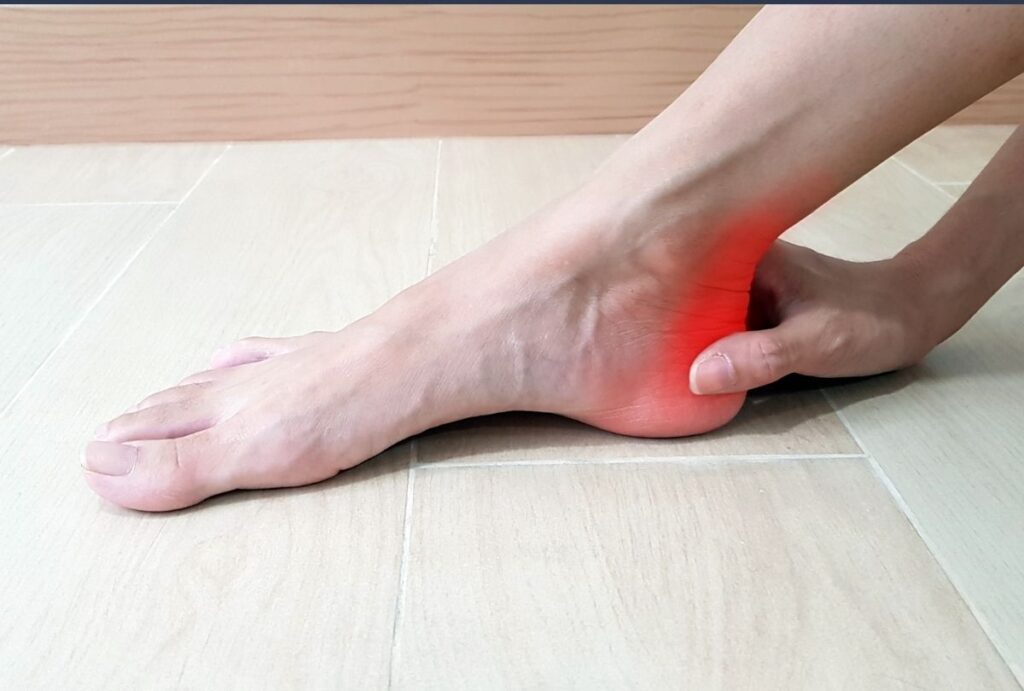
If you live in Schroeder Oaks Village, Vital Podiatry Foot and Ankle Specialist is your go-to clinic for foot and ankle care that incorporates the latest in regenerative therapies. While they primarily focus on podiatry, they collaborate with specialists who use Wharton’s Jelly treatments for musculoskeletal injuries.
Services in Schroeder Oaks Village
Their clinic offers comprehensive care, from diagnostics and treatments to rehabilitation. For patients with tendon injuries, joint pain, or post-surgery recovery, they can help integrate Wharton’s Jelly therapies safely and effectively.
How Wharton’s Jelly Treatments Can Support Foot & Ankle Health
Wharton’s Jelly can support faster tendon healing, reduce inflammation, and potentially help avoid surgery. Patients report improvements in mobility, reduced pain, and enhanced recovery times—a big deal if you want to get back on your feet quickly.
Safety, Ethics, and Legal Considerations
Even though Wharton’s Jelly is natural, safety and ethics matter.
Ethical Collection Practices
Collection is always done after birth, with the mother’s consent. There’s no risk to the mother or baby, making it an ethical source of stem cells.
FDA Regulations and Guidelines
In the United States, the FDA regulates the use of stem cell therapies. Only processed and tested Wharton’s Jelly from compliant providers should be used in treatments. Always confirm your provider follows these regulations.
Common Questions About Wharton’s Jelly
Is It Safe?
Yes, when collected, processed, and administered correctly, Wharton’s Jelly is considered safe. Certified labs and clinics follow strict sterilization and testing protocols.
Can I Donate or Store Wharton’s Jelly Myself?
Yes. Parents can donate to public banks or store it privately for personal use, but professional processing is essential to maintain safety and efficacy.
How Much Does It Cost?
The cost varies depending on the provider, storage duration, and whether you’re donating or keeping it for personal use. Consulting directly with a clinic or bank provides accurate pricing.
Can It Help With Chronic Foot Pain?
Some studies suggest Wharton’s Jelly may reduce inflammation and support tissue repair, which can be beneficial for chronic foot or ankle pain.
How Long Does It Take to See Results?
Recovery times vary, but many patients notice improvements in weeks to months, depending on the injury and treatment plan.
Are There Side Effects?
Side effects are rare but may include mild swelling, soreness, or temporary discomfort at the injection site. Proper administration by a qualified specialist minimizes risks.
Vital Podiatry Foot and Ankle Specialist Serving the Schroeder Oaks Village Community and Beyond in Houston
Vital Podiatry Foot and Ankle Specialist is dedicated to serving the diverse needs of the local community of Houston, including individuals residing in neighborhoods like Schroeder Oaks Village. With its convenient location near landmarks such as the Champion Forest Park and major intersections like Cypresswood Dr. and Prestonwood Forest Dr. (coordinates: 29.98603240775268, -95.56190271558665), we offer Wharton’s jelly podiatrist Houston services.
Get Wharton’s Jelly Podiatrist Services At Schroeder Oaks Village Now
CALL US NOW!
(281) 937-4546
Navigate from Schroeder Oaks Village to Vital Podiatry Foot and Ankle Specialist Now
Conclusion
Wharton’s Jelly is a naturally occurring tissue with extraordinary potential. From its stem cells to its healing proteins, it has opened doors in regenerative medicine and orthopedic care.
For residents of Schroeder Oaks Village, Vital Podiatry Foot and Ankle Specialist is a trusted resource to guide patients in exploring these treatments safely. Whether for tendon injuries, joint repair, or overall foot and ankle health, Wharton’s Jelly may offer a non-invasive, cutting-edge solution to get you back on your feet faster.
FAQs
1. What makes Wharton’s Jelly different from other stem cells?
Wharton’s Jelly stem cells are younger, more potent, and versatile compared to adult stem cells, making them highly effective in tissue repair.
2. Can Wharton’s Jelly help with chronic foot pain?
Yes, it may reduce inflammation, support tissue regeneration, and improve mobility in patients with chronic foot or ankle issues.
3. Is there an age limit for using Wharton’s Jelly treatments?
Generally, no, but a doctor will evaluate your overall health to determine suitability.
4. How long does it take to see results from Wharton’s Jelly therapy?
Results vary, but many patients experience noticeable improvements within a few weeks to months.
5. Are there any risks or side effects?
Side effects are rare and usually mild, such as temporary soreness or swelling at the injection site.