Foot pain might start as a small annoyance, but anyone who has experienced it knows how quickly it can affect everyday life. Something as simple as walking across the room, standing in the kitchen, or taking a morning jog can suddenly feel uncomfortable or even unbearable. Because our feet carry the full weight of our bodies, even minor issues can quickly escalate into persistent pain.
Fortunately, medical advancements have transformed the way foot and ankle problems are treated. Today’s specialists rely on innovative diagnostics, non-surgical therapies, and minimally invasive procedures to relieve pain and restore mobility. Modern treatments are not only more effective but also designed to help patients recover faster and return to their normal routines.
If you live in Camden Park and are dealing with ongoing foot discomfort, understanding these modern treatment options can help you take the first step toward relief.
Understanding Foot Pain: Why It Happens
The human foot is one of the most complex structures in the body. It contains 26 bones, dozens of joints, and an intricate network of muscles, ligaments, and tendons. All of these components must work in harmony to allow smooth movement and support your body weight.
When even one of these structures becomes irritated, inflamed, or injured, it can cause pain that spreads through the foot and ankle.
Think of your feet like the foundation of a house. If the foundation is uneven or damaged, everything above it becomes unstable. Similarly, when foot structures are misaligned or strained, it can affect your posture, walking pattern, and even your knees and hips.
The Role of Daily Stress on Your Feet
Every step you take places pressure on your feet. Over the course of a single day, your feet may absorb thousands of pounds of force. Activities such as running, prolonged standing, or wearing unsupportive shoes can increase this stress significantly.
Over time, these repeated pressures may lead to inflammation, tissue damage, and chronic pain.

Common Causes of Foot Pain
Foot pain can develop for many different reasons. Some conditions appear suddenly due to injuries, while others gradually develop over time.
One of the most common causes is plantar fasciitis, a condition that occurs when the thick band of tissue along the bottom of the foot becomes inflamed. This often results in sharp heel pain, especially during the first steps in the morning.
Other frequent causes include bunions, flat feet, tendon injuries, arthritis, and stress fractures. Each of these conditions affects different parts of the foot and may require unique treatment strategies.
Lifestyle Factors That Contribute to Foot Pain
Certain lifestyle habits can also increase the risk of foot problems. For example:
- People who stand for long hours at work may experience strain on the arches and heels
- Athletes often develop overuse injuries due to repetitive motion
- Improper footwear, such as shoes with poor arch support, can worsen foot alignment
Understanding these factors is often the first step toward effective treatment.
When Foot Pain Becomes a Medical Concern
Many people assume foot pain will disappear with time. While this may be true for mild soreness, persistent or worsening pain should not be ignored.
If your discomfort lasts longer than a week or interferes with your ability to walk normally, it’s important to consult a specialist.
Warning Signs That Require Professional Attention
Certain symptoms may indicate a more serious issue, including:
- Persistent swelling or redness
- Sharp pain when bearing weight
- Limited range of motion in the foot or ankle
- Numbness or tingling sensations
Ignoring these warning signs can lead to more complex problems that require longer recovery times.
Why Seeing a Foot and Ankle Specialist Matters
Foot and ankle specialists dedicate years of advanced training to understanding the biomechanics of the lower extremities. While general practitioners can provide initial guidance, specialists are better equipped to diagnose complex foot conditions.
They focus exclusively on the foot and ankle, which allows them to recognize subtle issues that might otherwise go unnoticed.
Specialized Knowledge of Foot Mechanics
Every foot is slightly different. Some people have higher arches, while others have flatter feet. These structural differences influence how pressure is distributed when walking.
Foot specialists analyze these mechanics carefully to determine the most effective treatment plan.
The Difference Between a General Doctor and a Specialist
Imagine you have a complicated electrical issue in your home. You could call a general handyman, but an electrician would likely solve the problem faster and more accurately.
The same principle applies to foot care.
Foot and ankle specialists use advanced training and diagnostic tools to identify the root cause of pain, rather than simply treating symptoms.
Precision in Diagnosis
Because specialists focus on a narrow field, they often recognize patterns and conditions that general physicians may encounter less frequently.
This specialized insight often leads to quicker diagnosis and more effective treatment strategies.
Benefits of Early Diagnosis
Early diagnosis can make a significant difference in recovery time and treatment outcomes. Addressing foot problems early often prevents the condition from becoming chronic.
For example, mild plantar fasciitis may resolve with stretching exercises and supportive footwear. However, if left untreated, the condition could progress to severe inflammation requiring more intensive therapies.
Long-Term Health Advantages
Early treatment also helps prevent compensatory injuries. When people experience foot pain, they often adjust their walking pattern without realizing it. This altered gait can lead to knee, hip, or lower back pain over time.
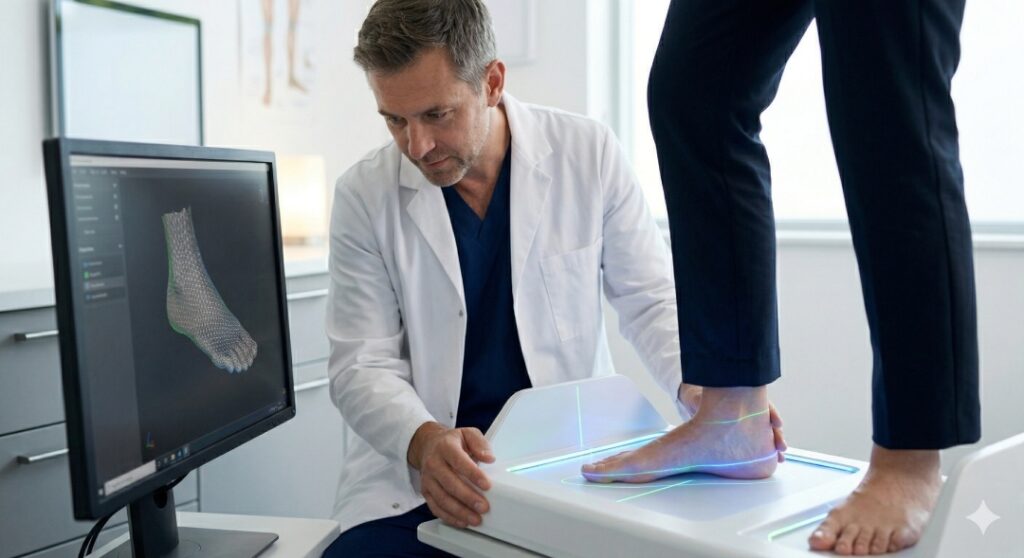
Modern Diagnostic Tools Used by Specialists
Modern podiatry relies heavily on advanced diagnostic technology. These tools allow specialists to examine the internal structures of the foot with remarkable precision.
Instead of relying solely on physical examinations, doctors can now visualize bone alignment, tissue damage, and movement patterns in detail.
Combining Technology With Clinical Expertise
Technology enhances diagnosis, but it works best when combined with a specialist’s experience and clinical judgment.
Together, these tools provide a comprehensive understanding of the patient’s condition.
Digital X-Rays and Advanced Imaging
Digital X-rays provide high-resolution images of the bones and joints in the foot. These images help doctors detect fractures, bone spurs, and structural abnormalities that might otherwise be difficult to identify.
Compared to traditional X-rays, digital imaging offers faster results and clearer detail.
MRI and Ultrasound Applications
In some cases, specialists may recommend MRI scans or ultrasound imaging to examine soft tissues such as tendons and ligaments. These tools are particularly helpful when diagnosing tendon injuries or ligament tears.
Gait Analysis Technology
Your walking pattern, known as your gait, can reveal important clues about foot health. Gait analysis systems use sensors and cameras to track how your feet move when walking or running.
These systems measure factors such as stride length, foot pressure distribution, and alignment.
Identifying Hidden Biomechanical Issues
Sometimes pain is caused by subtle biomechanical problems. For instance, uneven pressure on one side of the foot may lead to chronic strain.
Gait analysis helps specialists identify these patterns and correct them through targeted treatments.
Non-Surgical Treatments for Foot Pain
One of the greatest advancements in modern podiatry is the ability to treat many foot conditions without surgery.
Non-surgical treatments focus on reducing inflammation, supporting proper alignment, and promoting natural healing.
Why Conservative Treatments Come First
Doctors typically begin with conservative treatments because they carry fewer risks and shorter recovery times.
Many patients experience significant improvement using these approaches alone.
Custom Orthotics
Custom orthotics are specially designed inserts that fit inside your shoes. Unlike standard store-bought inserts, these devices are tailored specifically to your foot structure.
Orthotics provide support where your foot needs it most, redistributing pressure and improving alignment.
Long-Term Benefits of Orthotic Support
Many patients find that orthotics not only relieve pain but also prevent future injuries. They are particularly beneficial for individuals with flat feet, high arches, or chronic heel pain.
Physical Therapy for Foot Rehabilitation
Physical therapy focuses on restoring strength, flexibility, and mobility in the foot and ankle.
Therapists guide patients through targeted exercises that strengthen supporting muscles and improve joint function.
Restoring Balance and Stability
Rehabilitation exercises often include balance training, resistance exercises, and mobility drills. These activities help retrain the body’s movement patterns and reduce the risk of reinjury.
Anti-Inflammatory Treatments
Inflammation is a common contributor to foot pain. Specialists often use anti-inflammatory treatments to reduce swelling and promote healing.
These treatments may include medications, icing protocols, and supportive taping techniques.
Supporting the Healing Process
Reducing inflammation allows injured tissues to heal more efficiently, often leading to faster recovery times.
Minimally Invasive Treatments
When conservative treatments are not sufficient, minimally invasive therapies may be recommended.
These procedures are designed to target the source of pain without requiring large surgical incisions.
Shorter Recovery and Reduced Risk
Minimally invasive treatments often involve shorter recovery times and fewer complications compared to traditional surgery.
Corticosteroid Injections
Corticosteroid injections are commonly used to treat inflammation-related foot conditions.
These injections deliver powerful anti-inflammatory medication directly to the affected area, providing targeted relief.
Conditions Treated With Injections
They are frequently used for conditions such as plantar fasciitis, arthritis, and tendon inflammation.
Shockwave Therapy
Shockwave therapy uses high-energy acoustic waves to stimulate healing in damaged tissues. The treatment encourages increased blood flow and cellular repair.
Many patients find relief after just a few sessions.
Why Shockwave Therapy Is Effective
This therapy is especially helpful for chronic conditions that have not responded to traditional treatments.
Platelet-Rich Plasma Therapy
Platelet-rich plasma therapy, often called PRP, harnesses the body’s natural healing abilities.
Doctors draw a small sample of the patient’s blood, concentrate the healing platelets, and inject them into the injured area.
Accelerating Tissue Regeneration
The growth factors in PRP stimulate tissue repair, making it an increasingly popular option for tendon injuries and chronic inflammation.
Advanced Surgical Options
In some cases, surgery may be necessary to correct structural problems in the foot.
Modern surgical techniques are far more precise and less invasive than traditional procedures.
Improved Outcomes With Modern Techniques
Many surgeries now use smaller incisions and advanced tools, which help reduce recovery time.
Arthroscopic Foot Surgery
Arthroscopy uses a small camera inserted through tiny incisions to examine and repair joint problems.
This technique allows surgeons to treat injuries with minimal disruption to surrounding tissues.
Bunion Correction Procedures
Bunions can cause severe discomfort and affect walking patterns. Modern bunion surgeries focus on correcting bone alignment while preserving joint mobility.
Many patients can resume walking relatively quickly after treatment.
Tendon Repair Techniques
Tendon injuries may occur due to trauma or repetitive strain.
Advanced surgical repair techniques help restore tendon strength and function, allowing patients to regain mobility.
Lifestyle and Preventive Treatments
Preventing foot pain is just as important as treating it.
Lifestyle adjustments often play a major role in maintaining healthy feet.
Proper Footwear Guidance
Choosing the right shoes can make a significant difference in foot health. Supportive footwear helps distribute weight evenly and reduce stress on the arches and heels.
Specialists often recommend shoes with proper arch support, cushioning, and stability.
Strengthening and Stretching Exercises
Simple exercises can strengthen foot muscles and improve flexibility.
Stretching the calves, strengthening the toes, and practicing balance exercises can help prevent injuries and maintain healthy movement.
Vital Podiatry Foot and Ankle Specialist Serving Camden Park
Residents of Camden Park seeking expert foot care often rely on Vital Podiatry Foot and Ankle Specialist for comprehensive treatment solutions.
Their team focuses on combining modern medical technology with personalized care to address a wide range of foot and ankle conditions.
Patient-Focused Care Approach
Every patient receives individualized attention. Specialists evaluate medical history, lifestyle habits, and physical activity levels before recommending treatments.
This personalized approach ensures that care plans address each patient’s specific needs.
Modern Technology and Personalized Treatment
By integrating advanced diagnostics with modern therapies, clinics serving Camden Park are able to provide highly effective treatments.
Patients benefit from faster recovery times and improved long-term outcomes.
When to Schedule an Appointment
Recognizing when to seek professional help is essential. Persistent foot pain should never be ignored.
If discomfort interferes with daily activities or worsens over time, consulting a specialist can help prevent complications.
Warning Signs You Shouldn’t Ignore
Symptoms such as severe swelling, persistent heel pain, numbness, or pain after an injury should be evaluated by a professional.
Early diagnosis often leads to simpler treatments and faster recovery.
Long-Term Benefits of Early Treatment
Addressing foot pain early helps maintain mobility and prevents additional injuries. Proper treatment ensures that patients can continue enjoying their favorite activities without discomfort.
Vital Podiatry Foot and Ankle Specialist Serving the Camden Park Community and Beyond in Houston
Vital Podiatry Foot and Ankle Specialist is dedicated to serving the diverse needs of the local community of Houston, including individuals residing in neighborhoods like Camden Park. With its convenient location near landmarks such as the Roberson Middle School and major intersections like Veterans Memorial Dr and Antoiner Dr (coordinates: 29.96162,-95.48108), we offer foot and ankle specialist Houston services.
Get Foot and Ankle Specialist Services at Camden Park Now
CALL US NOW!
(281) 937-4546
Navigate from Camden Park to Vital Podiatry Foot and Ankle Specialist Now
Conclusion
Foot pain can affect every aspect of daily life, from walking and exercising to simply standing comfortably. Thankfully, modern treatments provided by foot and ankle specialists have made it easier than ever to diagnose and treat these conditions effectively.
Through advanced diagnostics, innovative therapies, and personalized care, patients can achieve lasting relief and improved mobility. For individuals living in Camden Park, access to professional podiatric care ensures that foot problems are addressed quickly and effectively.
Taking care of your feet means protecting your overall health. When discomfort arises, seeking expert care can help you stay active and pain-free.
FAQs
1. What is the most common cause of heel pain?
Plantar fasciitis is the leading cause of heel pain and often results from inflammation in the plantar fascia ligament.
2. Can foot pain heal without treatment?
Minor soreness may improve with rest, but persistent or severe pain should be evaluated by a specialist.
3. Are orthotics worth it for foot pain?
Yes. Custom orthotics provide targeted support and can significantly reduce pain for many conditions.
4. How long does shockwave therapy take to work?
Most patients begin noticing improvement after several sessions, typically within a few weeks.
5. Is foot surgery always necessary for bunions?
No. Many bunions can be managed with conservative treatments unless the condition becomes severe.