When To See A Doctor For A Toe?

November 3, 2025

Why Toes Matter

Toes might seem like small, insignificant parts of your body, but they carry a big load, literally. Each step you take relies on your toes to balance your weight, stabilize your stride, and propel you forward. When a single toe becomes injured or infected, you instantly feel it. Walking, running, and even standing still can turn into painful chores.

Ignoring toe pain might seem harmless at first, but it can quickly spiral into something more serious. Infections, fractures, or nerve damage can spread or worsen if left untreated. Paying attention to what your toes are trying to tell you helps you avoid complications and keeps your mobility intact.

Common Toe Problems People Ignore

It’s easy to dismiss a bit of soreness or redness around a toe. After all, most of us think minor aches will fade on their own. Yet some “small” problems often turn into stubborn medical issues.

Ingrown Toenails: Causes and Warning Signs

An ingrown toenail happens when the edge of your nail grows into the surrounding skin. Tight shoes, improper nail trimming, or even stubbed toes can cause it. Early on, you might notice tenderness, redness, and swelling around the nail. But if you spot pus, increased warmth, or severe pain, the infection has likely set in.

Left untreated, an ingrown toenail can create a deep infection that may require nail removal or antibiotics. If you’re diabetic, this type of infection can become dangerous quickly so don’t delay seeking care.

Toenail Infections (Fungal and Bacterial)

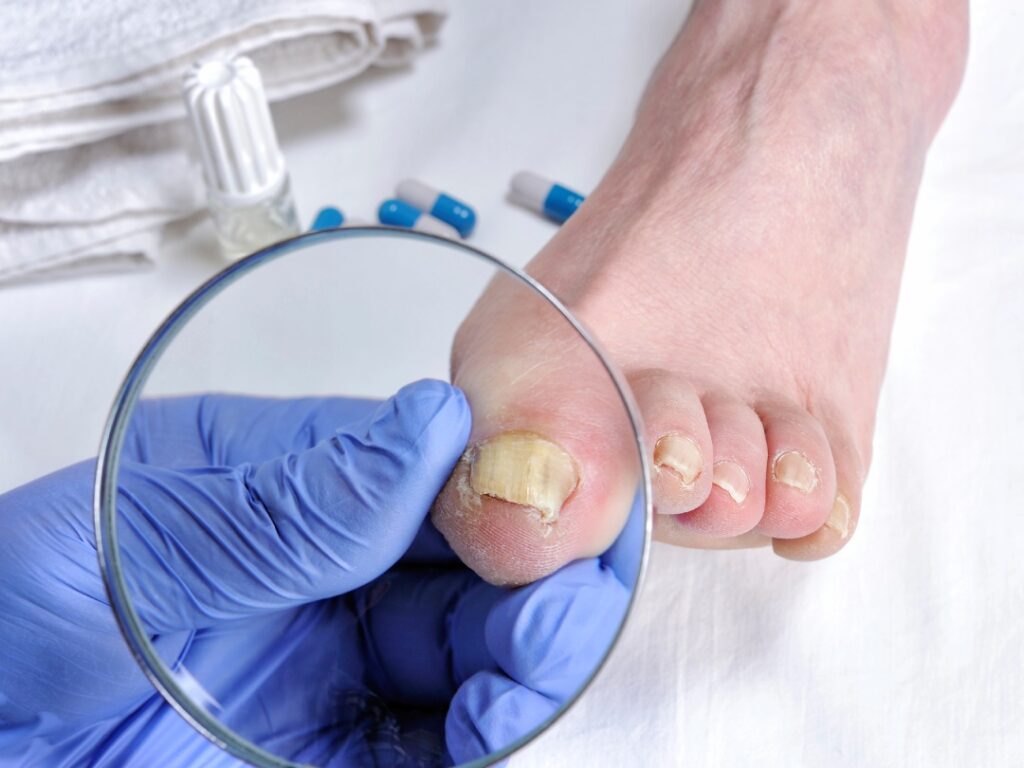
Toenail infections can start small, appearing as yellowing or thickening of the nail. Over time, they can become brittle, crumbly, and even foul-smelling. Bacterial infections cause redness, throbbing, and drainage near the nail bed.

Over-the-counter creams rarely fix these infections completely. A podiatrist can confirm the exact cause and prescribe antifungal or antibacterial medications that actually work. Fungal nails are stubborn and may take months to fully clear up, so patience and professional help are key.

Traumatic Toe Injuries: Fractures, Sprains, and Bruises

Dropped something heavy on your toe? Stubbed it against a table leg? It happens to everyone. But sometimes that “harmless” stub hides a fracture or sprain. If your toe swells, turns purple, or looks crooked, it’s best to get an X-ray. Untreated fractures may heal improperly and lead to deformity or arthritis later.

When Pain Is More Than “Just Sore”

Pain tells you something’s wrong. If the ache doesn’t fade after rest or worsens with time, that’s a red flag.

Sudden Severe Pain After an Injury

If your toe hurts sharply after an impact and you can’t bend or walk on it, a fracture or joint dislocation might be the culprit. Cracking sounds or immediate swelling are signs that you need an X-ray right away.

Pain That Gets Worse at Night or Wakes You Up

Nighttime toe pain shouldn’t be ignored. It can signal gout, infection, or nerve irritation. Gout usually strikes the big toe joint and causes intense throbbing and swelling. If your sleep keeps getting interrupted by toe pain, it’s time for a professional exam.

DPM Doctor Cypress treats red, swollen toe with expert care. Close-up shows foot inflammation on blue surface

Red Flags That Need Prompt Medical Attention

Certain symptoms should never be ignored because they can point to serious problems.

Signs of Infection: Heat, Redness, Pus, and Streaking

A red, hot, or swollen toe that oozes pus usually indicates infection. If you notice red streaks moving up your foot or leg, the infection may be spreading through your bloodstream, a medical emergency. Quick treatment with antibiotics or drainage can stop it from worsening.

Loss of Sensation or Tingling

Tingling, burning, or numbness could mean nerve compression, neuropathy, or circulation issues. People with diabetes should be especially careful, as nerve damage can make it easy to miss injuries and ulcers.

Circulation Problems: Cold, Pale, or Blue Toes

Poor blood flow can turn toes cold, pale, or bluish. This could stem from vascular disease, severe swelling, or tight footwear. In extreme cases, it can lead to tissue death. A podiatrist or vascular specialist can assess blood flow and restore healthy circulation.

Chronic Toe Conditions That Deserve a Doctor’s Care

Not all toe issues come from sudden injuries. Some develop slowly over months or years.

Bunions, Hammertoes, and Structural Problems

Bunions form when the big toe leans toward the second toe, creating a bony bump. Hammertoes bend at the middle joint, making the toe curl downward. Both cause pain, corns, and shoe discomfort.

Early treatment like wearing wide shoes, using toe spacers, or trying orthotics can slow progression. If deformity worsens, surgical correction may be necessary to restore alignment.

Gout and Inflammatory Arthritis

Gout occurs when uric acid builds up in joints, leading to sudden flare-ups of sharp pain, redness, and swelling. It commonly affects the big toe. Chronic gout or arthritis can damage joints if untreated. Doctors can prescribe medications to control inflammation and prevent recurrence.

Special Populations: When Toes Are Urgent

Diabetes and Foot Risk

People with diabetes must never ignore foot or toe changes. Even a small blister can turn into an ulcer due to poor circulation and slow healing. If you notice redness, drainage, or numbness, call your podiatrist immediately.

Older Adults and Reduced Healing

Age slows healing. Thin skin and weaker immunity make infections more common. Seniors should inspect their toes daily and wear well-fitting shoes to prevent injuries.

How a Podiatrist Examines a Toe

A podiatrist’s exam is simple and thorough. You’ll discuss symptoms, medical history, and daily habits before the doctor inspects your toe’s color, skin, and nail condition.

What To Expect During the Visit

The podiatrist may gently move your toe to test range of motion, look for deformities, and check circulation. They’ll also assess walking patterns to see how the toe affects your gait.

Common Tests and Imaging

X-rays help identify fractures or misalignments. If infection is suspected, lab tests or swabs may be taken. For chronic pain, imaging like MRI might reveal ligament or tendon issues.

Treatments You Might Receive

Nail Procedures, Antibiotics, and Antifungals

Infected or ingrown nails may require partial nail removal to relieve pressure. Oral antibiotics clear bacterial infections, while antifungal pills or topical lacquers handle fungus. These treatments relieve pain and prevent recurrence.

Splints, Supports, and Minor Surgery

Broken toes might need buddy taping or special footwear to immobilize them. Severe deformities may require outpatient surgery to correct structure and relieve discomfort. Recovery usually takes a few weeks, depending on the procedure.

DPM Doctor Cypress offers professional toenail care. Technician in scrubs treats patient’s feet in clean medical room.

Self-Care You Can Use at Home and Its Limits

Some toe issues respond well to gentle home care, but you must know when to stop.

When Home Care Helps

Try resting your toe, applying ice for 10–15 minutes, and keeping it clean. Wear soft shoes that don’t pinch and monitor for swelling or discoloration. Minor bruises and sprains often heal within a week.

When Home Care Fails

If swelling grows, pain worsens, or pus develops, stop self-treating. Avoid “bathroom surgery” on ingrown nails, it can worsen infections. Persistent problems mean it’s time for a podiatrist visit.

Preventive Habits for Healthier Toes

Footwear, Nail Trimming, Hygiene, and Exercise

Wear shoes that allow your toes to move freely and provide good support. Trim nails straight across, never rounded at the corners to avoid ingrowth. Keep feet clean and dry to prevent fungus. Strengthen your toes by doing simple exercises like toe curls or picking up marbles.

Vital Podiatry Cypress Foot and Ankle Specialist: Your Toe Care Team in Crossroads Park

When your toes start acting up and you’re near Crossroads Park, visit Vital Podiatry Cypress Foot and Ankle Specialist. This local clinic focuses on foot and ankle health, offering everything from minor procedures to advanced treatments. Their team tailors care plans to your activity level, footwear, and lifestyle, ensuring long-lasting relief.

With expert diagnostics and a compassionate approach, they help you walk comfortably again. Local care means convenient follow-ups and faster recovery.

When To Head to Urgent Care or the ER Instead

Not all toe injuries should wait for a scheduled appointment.

Severe Bleeding, Open Fractures, or High Fevers

If you see exposed bone, heavy bleeding, or experience a fever above 101°F with red streaks around the toe, head to the emergency room. Such symptoms may indicate serious infection or severe fracture that needs immediate treatment.

Practical Tips Before Visiting Your Doctor

  • Bring your medical history. Include details about medications, diabetes, or circulation issues.
  • Wear loose shoes. This makes examination easier.
  • Document changes. Take photos if swelling or color changes over time.

These small steps help your podiatrist assess the issue faster and more accurately.

Vital Podiatry Cypress Foot and Ankle Specialist Serving the Crossroads Park Community and Beyond in Cypress

Vital Podiatry Cypress Foot and Ankle Specialist is dedicated to serving the diverse needs of the local community of Cypress, including individuals residing in neighborhoods like Crossroads Park. With its convenient location near landmarks such as the Primrose School at Crossroads Park and major intersections like FM-1960 Frontage Rd. & US-290 Frontage Rd. (coordinates: 29.916875470157933, -95.61359951285324), we offer dpm doctor Cypress services.

Get DPM Doctor Services at Crossroads Park Now

CALL US NOW!

(281) 937-4546

Navigate from Crossroads Park to Vital Podiatry Cypress Foot and Ankle Specialist Now

Take the Right Step Toward Toe Health

Your toes are small but mighty. They carry you through every step, and ignoring their signals can cost you comfort or even mobility. Persistent pain, redness, or swelling deserves attention. The earlier you seek care, the simpler your recovery will be.

If you’re around Crossroads Park, schedule a visit with Vital Podiatry Cypress Foot and Ankle Specialist. Their experienced team can pinpoint the cause and help you get back on your feet, literally.

FAQs

1. How long should I wait before seeing a doctor for toe pain?
If the pain lasts more than three days or worsens, it’s time to book an appointment. Persistent swelling or redness also warrants a check-up.

2. How do I know if my toe is broken?
Common signs include severe pain, swelling, bruising, and deformity. If you can’t move the toe or walk properly, it’s likely fractured.

3. Are fungal toenail infections contagious?
Yes. Fungal spores spread easily in damp environments like locker rooms or showers. Avoid sharing shoes or nail clippers and keep feet dry.

4. What shoes prevent most toe problems?
Shoes with wide toe boxes, firm soles, and breathable material reduce pressure and friction, protecting nails and joints.

5. Does toe pain always mean something serious?
Not always, but it’s smart to monitor. Mild soreness from overuse might fade with rest. But if pain keeps returning, it’s best to have it checked professionally.

TAKE YOUR FIRST STEP

OR CALL US

(281) 937-4546

Related Post


Why Toes Matter

Toes might seem like small, insignificant parts of your body, but they carry a big load, literally. Each step you take relies on your toes to balance your weight, stabilize your stride, and propel you forward. When a single toe becomes injured or infected, you instantly feel it. Walking, running, and even standing still can turn into painful chores.

Ignoring toe pain might seem harmless at first, but it can quickly spiral into something more serious. Infections, fractures, or nerve damage can spread or worsen if left untreated. Paying attention to what your toes are trying to tell you helps you avoid complications and keeps your mobility intact.

Common Toe Problems People Ignore

It’s easy to dismiss a bit of soreness or redness around a toe. After all, most of us think minor aches will fade on their own. Yet some “small” problems often turn into stubborn medical issues.

Ingrown Toenails: Causes and Warning Signs

An ingrown toenail happens when the edge of your nail grows into the surrounding skin. Tight shoes, improper nail trimming, or even stubbed toes can cause it. Early on, you might notice tenderness, redness, and swelling around the nail. But if you spot pus, increased warmth, or severe pain, the infection has likely set in.

Left untreated, an ingrown toenail can create a deep infection that may require nail removal or antibiotics. If you’re diabetic, this type of infection can become dangerous quickly so don’t delay seeking care.

Toenail Infections (Fungal and Bacterial)

Toenail infections can start small, appearing as yellowing or thickening of the nail. Over time, they can become brittle, crumbly, and even foul-smelling. Bacterial infections cause redness, throbbing, and drainage near the nail bed.

Over-the-counter creams rarely fix these infections completely. A podiatrist can confirm the exact cause and prescribe antifungal or antibacterial medications that actually work. Fungal nails are stubborn and may take months to fully clear up, so patience and professional help are key.

Traumatic Toe Injuries: Fractures, Sprains, and Bruises

Dropped something heavy on your toe? Stubbed it against a table leg? It happens to everyone. But sometimes that “harmless” stub hides a fracture or sprain. If your toe swells, turns purple, or looks crooked, it’s best to get an X-ray. Untreated fractures may heal improperly and lead to deformity or arthritis later.

When Pain Is More Than “Just Sore”

Pain tells you something’s wrong. If the ache doesn’t fade after rest or worsens with time, that’s a red flag.

Sudden Severe Pain After an Injury

If your toe hurts sharply after an impact and you can’t bend or walk on it, a fracture or joint dislocation might be the culprit. Cracking sounds or immediate swelling are signs that you need an X-ray right away.

Pain That Gets Worse at Night or Wakes You Up

Nighttime toe pain shouldn’t be ignored. It can signal gout, infection, or nerve irritation. Gout usually strikes the big toe joint and causes intense throbbing and swelling. If your sleep keeps getting interrupted by toe pain, it’s time for a professional exam.

DPM Doctor Cypress treats red, swollen toe with expert care. Close-up shows foot inflammation on blue surface

Red Flags That Need Prompt Medical Attention

Certain symptoms should never be ignored because they can point to serious problems.

Signs of Infection: Heat, Redness, Pus, and Streaking

A red, hot, or swollen toe that oozes pus usually indicates infection. If you notice red streaks moving up your foot or leg, the infection may be spreading through your bloodstream, a medical emergency. Quick treatment with antibiotics or drainage can stop it from worsening.

Loss of Sensation or Tingling

Tingling, burning, or numbness could mean nerve compression, neuropathy, or circulation issues. People with diabetes should be especially careful, as nerve damage can make it easy to miss injuries and ulcers.

Circulation Problems: Cold, Pale, or Blue Toes

Poor blood flow can turn toes cold, pale, or bluish. This could stem from vascular disease, severe swelling, or tight footwear. In extreme cases, it can lead to tissue death. A podiatrist or vascular specialist can assess blood flow and restore healthy circulation.

Chronic Toe Conditions That Deserve a Doctor’s Care

Not all toe issues come from sudden injuries. Some develop slowly over months or years.

Bunions, Hammertoes, and Structural Problems

Bunions form when the big toe leans toward the second toe, creating a bony bump. Hammertoes bend at the middle joint, making the toe curl downward. Both cause pain, corns, and shoe discomfort.

Early treatment like wearing wide shoes, using toe spacers, or trying orthotics can slow progression. If deformity worsens, surgical correction may be necessary to restore alignment.

Gout and Inflammatory Arthritis

Gout occurs when uric acid builds up in joints, leading to sudden flare-ups of sharp pain, redness, and swelling. It commonly affects the big toe. Chronic gout or arthritis can damage joints if untreated. Doctors can prescribe medications to control inflammation and prevent recurrence.

Special Populations: When Toes Are Urgent

Diabetes and Foot Risk

People with diabetes must never ignore foot or toe changes. Even a small blister can turn into an ulcer due to poor circulation and slow healing. If you notice redness, drainage, or numbness, call your podiatrist immediately.

Older Adults and Reduced Healing

Age slows healing. Thin skin and weaker immunity make infections more common. Seniors should inspect their toes daily and wear well-fitting shoes to prevent injuries.

How a Podiatrist Examines a Toe

A podiatrist’s exam is simple and thorough. You’ll discuss symptoms, medical history, and daily habits before the doctor inspects your toe’s color, skin, and nail condition.

What To Expect During the Visit

The podiatrist may gently move your toe to test range of motion, look for deformities, and check circulation. They’ll also assess walking patterns to see how the toe affects your gait.

Common Tests and Imaging

X-rays help identify fractures or misalignments. If infection is suspected, lab tests or swabs may be taken. For chronic pain, imaging like MRI might reveal ligament or tendon issues.

Treatments You Might Receive

Nail Procedures, Antibiotics, and Antifungals

Infected or ingrown nails may require partial nail removal to relieve pressure. Oral antibiotics clear bacterial infections, while antifungal pills or topical lacquers handle fungus. These treatments relieve pain and prevent recurrence.

Splints, Supports, and Minor Surgery

Broken toes might need buddy taping or special footwear to immobilize them. Severe deformities may require outpatient surgery to correct structure and relieve discomfort. Recovery usually takes a few weeks, depending on the procedure.

DPM Doctor Cypress offers professional toenail care. Technician in scrubs treats patient’s feet in clean medical room.

Self-Care You Can Use at Home and Its Limits

Some toe issues respond well to gentle home care, but you must know when to stop.

When Home Care Helps

Try resting your toe, applying ice for 10–15 minutes, and keeping it clean. Wear soft shoes that don’t pinch and monitor for swelling or discoloration. Minor bruises and sprains often heal within a week.

When Home Care Fails

If swelling grows, pain worsens, or pus develops, stop self-treating. Avoid “bathroom surgery” on ingrown nails, it can worsen infections. Persistent problems mean it’s time for a podiatrist visit.

Preventive Habits for Healthier Toes

Footwear, Nail Trimming, Hygiene, and Exercise

Wear shoes that allow your toes to move freely and provide good support. Trim nails straight across, never rounded at the corners to avoid ingrowth. Keep feet clean and dry to prevent fungus. Strengthen your toes by doing simple exercises like toe curls or picking up marbles.

Vital Podiatry Cypress Foot and Ankle Specialist: Your Toe Care Team in Crossroads Park

When your toes start acting up and you’re near Crossroads Park, visit Vital Podiatry Cypress Foot and Ankle Specialist. This local clinic focuses on foot and ankle health, offering everything from minor procedures to advanced treatments. Their team tailors care plans to your activity level, footwear, and lifestyle, ensuring long-lasting relief.

With expert diagnostics and a compassionate approach, they help you walk comfortably again. Local care means convenient follow-ups and faster recovery.

When To Head to Urgent Care or the ER Instead

Not all toe injuries should wait for a scheduled appointment.

Severe Bleeding, Open Fractures, or High Fevers

If you see exposed bone, heavy bleeding, or experience a fever above 101°F with red streaks around the toe, head to the emergency room. Such symptoms may indicate serious infection or severe fracture that needs immediate treatment.

Practical Tips Before Visiting Your Doctor

  • Bring your medical history. Include details about medications, diabetes, or circulation issues.
  • Wear loose shoes. This makes examination easier.
  • Document changes. Take photos if swelling or color changes over time.

These small steps help your podiatrist assess the issue faster and more accurately.

Vital Podiatry Cypress Foot and Ankle Specialist Serving the Crossroads Park Community and Beyond in Cypress

Vital Podiatry Cypress Foot and Ankle Specialist is dedicated to serving the diverse needs of the local community of Cypress, including individuals residing in neighborhoods like Crossroads Park. With its convenient location near landmarks such as the Primrose School at Crossroads Park and major intersections like FM-1960 Frontage Rd. & US-290 Frontage Rd. (coordinates: 29.916875470157933, -95.61359951285324), we offer dpm doctor Cypress services.

Get DPM Doctor Services at Crossroads Park Now

CALL US NOW!

(281) 937-4546

Navigate from Crossroads Park to Vital Podiatry Cypress Foot and Ankle Specialist Now

Take the Right Step Toward Toe Health

Your toes are small but mighty. They carry you through every step, and ignoring their signals can cost you comfort or even mobility. Persistent pain, redness, or swelling deserves attention. The earlier you seek care, the simpler your recovery will be.

If you’re around Crossroads Park, schedule a visit with Vital Podiatry Cypress Foot and Ankle Specialist. Their experienced team can pinpoint the cause and help you get back on your feet, literally.

FAQs

1. How long should I wait before seeing a doctor for toe pain?
If the pain lasts more than three days or worsens, it’s time to book an appointment. Persistent swelling or redness also warrants a check-up.

2. How do I know if my toe is broken?
Common signs include severe pain, swelling, bruising, and deformity. If you can’t move the toe or walk properly, it’s likely fractured.

3. Are fungal toenail infections contagious?
Yes. Fungal spores spread easily in damp environments like locker rooms or showers. Avoid sharing shoes or nail clippers and keep feet dry.

4. What shoes prevent most toe problems?
Shoes with wide toe boxes, firm soles, and breathable material reduce pressure and friction, protecting nails and joints.

5. Does toe pain always mean something serious?
Not always, but it’s smart to monitor. Mild soreness from overuse might fade with rest. But if pain keeps returning, it’s best to have it checked professionally.