How Do Specialists Treat Non Healing Wounds

February 9, 2026

Non healing wounds are more than just stubborn cuts or sores, they are a signal that your body needs specialized attention. These wounds refuse to follow the usual healing pattern, lingering for weeks or months despite proper home care. This can be frustrating, painful, and even risky if ignored. 

Specialists step in because these wounds require a detailed, personalized approach that addresses both the surface injury and the underlying conditions preventing recovery. In Houston, advanced wound care options have dramatically improved outcomes, helping patients regain comfort, mobility, and confidence.
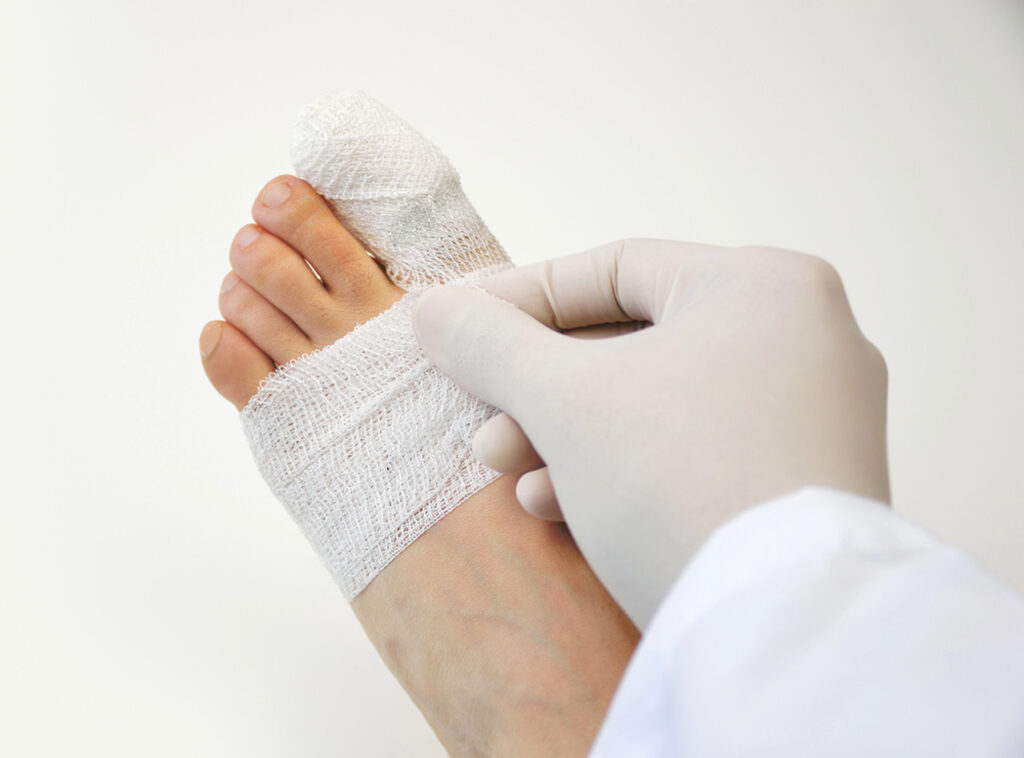
A specialist at a wound care clinic Houston applies a protective net dressing to a patient's injured big toe in a sterile setting.

Understanding Non Healing Wounds

Before treatment begins, specialists focus on understanding the wound itself. Chronic wounds behave differently than fresh injuries, and grasping these differences is crucial to effective treatment.

What Defines a Non Healing Wound

A wound becomes classified as “non healing” when it fails to progress toward closure after a few weeks of standard care. While acute wounds normally follow a predictable healing pattern, non healing wounds stall during one or more stages. 

Common examples include diabetic foot ulcers, venous leg ulcers, pressure sores, and post-surgical wounds. These wounds often appear on feet, ankles, or lower legs, particularly in patients with diabetes, vascular disease, or limited mobility.

Why These Wounds Stall

Healing requires a delicate balance of oxygen, nutrients, immune function, and proper blood flow. When one of these elements is missing or compromised, the wound struggles to repair itself.

Poor Circulation and Oxygen Supply

Blood carries oxygen and nutrients essential for tissue repair. Reduced circulation starves the wound at a cellular level, slowing or stopping new tissue growth. Specialists often assess vascular health early, using tests such as Doppler studies or angiograms to ensure blood is reaching the affected area.

Infection and Biofilm Formation

Chronic wounds are prone to infection. Bacteria can form biofilms, protective layers that shelter them from the immune system and antibiotics. These biofilms keep inflammation high, further preventing healing. Effective management requires specialized antimicrobial treatments and sometimes debridement to remove these barriers.

Underlying Medical Conditions

Conditions like diabetes, neuropathy, or autoimmune disorders can impede healing. Even lifestyle factors like smoking, poor nutrition, or prolonged pressure on the wound area contribute to delayed recovery.

Why Early Specialist Care Changes Outcomes

Time is a critical factor in wound care. Early intervention by a specialist can drastically alter the healing trajectory.

The Risks of Delayed Treatment

Waiting too long allows infections to deepen, tissue to die, and complications to multiply. Chronic wounds can extend beneath the skin even if the surface appears stable. Delayed care often leads to more aggressive interventions, longer recovery, and higher medical costs.

When a Wound Needs Advanced Care

Specialists recommend early evaluation if a wound shows no significant healing after two to four weeks of home care. Warning signs include persistent drainage, foul odor, discoloration, thickened tissue, or changes in sensation. Pain, swelling, or numbness also indicate the need for expert attention.

Initial Evaluation by a Wound Care Specialist

Specialists approach non healing wounds like detectives. They assess the wound itself while also looking at the patient’s overall health to uncover barriers to healing.

Comprehensive Medical History Review

Specialists review your full medical history, including chronic illnesses, medications, prior wounds, and lifestyle factors. Even seemingly minor details like diet, sleep, or activity levels can influence healing.

Physical Examination and Diagnostic Imaging

A thorough exam assesses wound size, depth, tissue quality, and drainage. Imaging tests such as X-rays, ultrasound, or MRI may reveal hidden infections, bone involvement, or other structural issues.

Vascular Testing and Lab Work

Lab tests like blood sugar monitoring, complete blood count, and cultures provide crucial information. Vascular testing evaluates blood flow to the wound, helping specialists determine whether interventions like surgery or specialized therapy are necessary.

Advanced Treatment Strategies Used by Specialists

Once the underlying cause of the wound is identified, specialists create a precise treatment plan designed to kickstart the healing process.

Debridement: Resetting the Healing Process

Debridement involves removing dead, damaged, or infected tissue from the wound. Think of it as clearing debris before rebuilding a road, healing cannot progress until the wound bed is clean.

Types of Debridement Used in Modern Care

  • Sharp Debridement: Using scalpels or scissors for quick removal of non-viable tissue.
  • Enzymatic Debridement: Applying special enzymes to dissolve dead tissue gradually.
  • Mechanical Debridement: Gently cleaning the wound using sterile techniques, irrigation, or dressings.
  • Autolytic Debridement: Allowing the body’s own enzymes to break down tissue using moisture-retaining dressings.

Each method is selected based on the wound’s characteristics and patient comfort.

Infection Control and Targeted Therapies

Specialists often use culture-guided antibiotics, antiseptic dressings, or topical antimicrobials. Targeted therapy ensures infection is effectively eliminated without unnecessary exposure to broad-spectrum antibiotics.

Role of Specialized Dressings and Technologies

Dressings are not just coverings, they create an environment that promotes natural tissue repair.

Moist Wound Healing Principles

Moisture promotes cell migration and tissue regeneration. Modern dressings manage exudate, maintain optimal moisture, and prevent contamination. Specialized gels, foams, or hydrocolloids are chosen based on wound type.

Negative Pressure Wound Therapy

Also known as vacuum-assisted closure, this technique uses controlled suction to remove excess fluid, improve blood flow, and stimulate tissue growth. Many chronic wounds respond faster once this therapy is implemented.

How Vital Podiatry Foot and Ankle Specialist Approaches Wound Care in Belmont Place

Vital Podiatry Foot and Ankle Specialist in Houston combines clinical expertise with a patient-centered approach. Their philosophy prioritizes both immediate wound healing and long-term health.

Personalized Treatment Plans in Houston

No two wounds are alike. Specialists at Vital Podiatry Foot and Ankle Specialist design customized care plans, addressing the wound’s depth, the patient’s health status, and lifestyle factors. This targeted approach maximizes healing potential.

Multidisciplinary Collaboration for Better Results

For complex cases, coordination with endocrinologists, vascular surgeons, and primary care providers ensures the wound is treated within the broader context of the patient’s health. Collaboration reduces complications and improves outcomes.

Managing Underlying Conditions That Block Healing

Treating the wound alone often falls short. Specialists address root causes to prevent recurrence.

Diabetes and Neuropathy Management

High blood sugar delays healing, while neuropathy reduces sensation, increasing risk of unnoticed injuries. Specialists educate patients on glucose control, daily foot inspections, and protective footwear.

Circulatory and Pressure-Related Issues

Poor circulation or constant pressure over a wound area can prevent healing. Techniques such as offloading pressure, compression therapy, or vascular interventions restore the environment necessary for recovery.
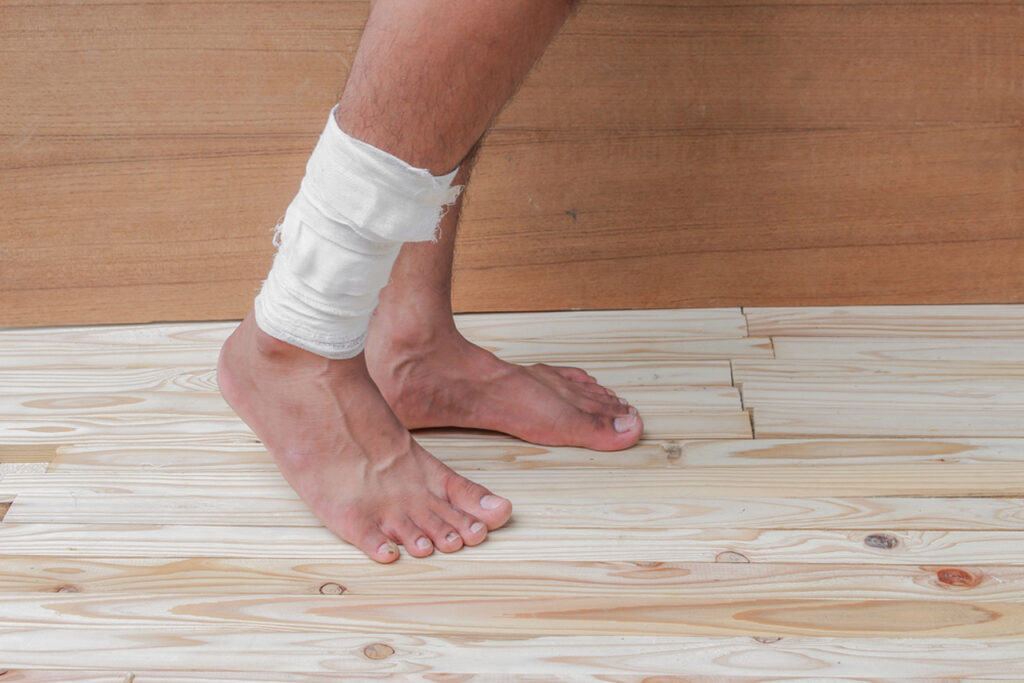
A patient stands on a wooden floor with a properly bandaged ankle after receiving treatment at a top wound care clinic Houston.

Patient Education and Lifestyle Adjustments

Healing accelerates when patients actively participate in care.

Daily Wound Care at Home

Clear guidance on cleaning, dressing, and monitoring wounds empowers patients. Understanding how to avoid contamination or pressure on the wound prevents setbacks.

Footwear, Mobility, and Activity Guidance

Specialized footwear and activity adjustments protect the wound while maintaining mobility. This balance prevents further tissue damage and encourages recovery.

Monitoring Progress and Adjusting Care Plans

Specialists continuously assess progress and adapt the care plan based on the wound’s response.

Signs of Improvement Specialists Track

Indicators include reduced wound size, healthier tissue color, less drainage, and decreased inflammation. Close tracking ensures rapid adjustments if healing stalls.

When Surgical Intervention Becomes Necessary

In some cases, surgical procedures like skin grafts, vascular repair, or minor amputations are needed. Specialists discuss options in detail, balancing risks and benefits for each patient.

Long-Term Prevention of Chronic Wounds

Preventing recurrence is a major part of chronic wound care.

Routine Foot Exams and Early Warning Signs

Regular exams catch problems early. Even minor skin changes can signal deeper issues. Specialists recommend routine visits, especially for high-risk patients.

Preventive Care for High-Risk Patients

Patients with diabetes, vascular disease, or neuropathy benefit from ongoing specialist care. Education, footwear, and lifestyle adjustments reduce the risk of future wounds.

Vital Podiatry Foot and Ankle Specialist Serving the Belmont Place Community and Beyond in Houston

Vital Podiatry Foot and Ankle Specialist is dedicated to serving the diverse needs of the local community of Houston, including individuals residing in neighborhoods like Belmont Place. With its convenient location near landmarks such as the Echo Community Church TX and major intersections like Willow Centre Dr & Cutten Rd (coordinates: 29.96525,-95.53225), we offer wound care clinic Houston services.

Get Wound Care Clinic Services at Belmont Place Now

CALL US NOW!

(281) 937-4546

Navigate from Belmont Place to Vital Podiatry Foot and Ankle Specialist Now

Turning Chronic Wounds into Healing Success

Specialists treat non healing wounds with precision, strategy, and compassion. They address both the visible wound and the underlying causes that block healing. Through personalized treatment, advanced therapies, and patient education, chronic wounds can be transformed into healing successes. 

In Houston, Vital Podiatry Foot and Ankle Specialist stands as a trusted partner for anyone struggling with persistent wounds, offering hope, expertise, and results that restore both mobility and quality of life.

FAQs

1. How long does it take for a non healing wound to improve with specialist care?
Progress often appears within a few weeks once treatment begins, but complete healing varies depending on wound size, depth, and underlying conditions.

2. Are chronic wounds painful during treatment?
Specialists prioritize comfort, using pain management strategies and gentle procedures to reduce discomfort while promoting healing.

3. Can non healing wounds return after treatment?
Recurrence is less likely with preventive care, proper footwear, and regular follow-ups, though high-risk patients need ongoing monitoring.

4. Do specialists treat wounds caused by diabetes differently?
Yes. Diabetic wounds require careful blood sugar management, nerve protection, and regular inspection to prevent complications.

5. Is advanced wound care covered by insurance?
Many treatments qualify for coverage, though policies differ. Clinics often help patients navigate insurance to access necessary care.

TAKE YOUR FIRST STEP

OR CALL US

(281) 937-4546

Related Post


Non healing wounds are more than just stubborn cuts or sores, they are a signal that your body needs specialized attention. These wounds refuse to follow the usual healing pattern, lingering for weeks or months despite proper home care. This can be frustrating, painful, and even risky if ignored. 

Specialists step in because these wounds require a detailed, personalized approach that addresses both the surface injury and the underlying conditions preventing recovery. In Houston, advanced wound care options have dramatically improved outcomes, helping patients regain comfort, mobility, and confidence.

A specialist at a wound care clinic Houston applies a protective net dressing to a patient's injured big toe in a sterile setting.

Understanding Non Healing Wounds

Before treatment begins, specialists focus on understanding the wound itself. Chronic wounds behave differently than fresh injuries, and grasping these differences is crucial to effective treatment.

What Defines a Non Healing Wound

A wound becomes classified as “non healing” when it fails to progress toward closure after a few weeks of standard care. While acute wounds normally follow a predictable healing pattern, non healing wounds stall during one or more stages. 

Common examples include diabetic foot ulcers, venous leg ulcers, pressure sores, and post-surgical wounds. These wounds often appear on feet, ankles, or lower legs, particularly in patients with diabetes, vascular disease, or limited mobility.

Why These Wounds Stall

Healing requires a delicate balance of oxygen, nutrients, immune function, and proper blood flow. When one of these elements is missing or compromised, the wound struggles to repair itself.

Poor Circulation and Oxygen Supply

Blood carries oxygen and nutrients essential for tissue repair. Reduced circulation starves the wound at a cellular level, slowing or stopping new tissue growth. Specialists often assess vascular health early, using tests such as Doppler studies or angiograms to ensure blood is reaching the affected area.

Infection and Biofilm Formation

Chronic wounds are prone to infection. Bacteria can form biofilms, protective layers that shelter them from the immune system and antibiotics. These biofilms keep inflammation high, further preventing healing. Effective management requires specialized antimicrobial treatments and sometimes debridement to remove these barriers.

Underlying Medical Conditions

Conditions like diabetes, neuropathy, or autoimmune disorders can impede healing. Even lifestyle factors like smoking, poor nutrition, or prolonged pressure on the wound area contribute to delayed recovery.

Why Early Specialist Care Changes Outcomes

Time is a critical factor in wound care. Early intervention by a specialist can drastically alter the healing trajectory.

The Risks of Delayed Treatment

Waiting too long allows infections to deepen, tissue to die, and complications to multiply. Chronic wounds can extend beneath the skin even if the surface appears stable. Delayed care often leads to more aggressive interventions, longer recovery, and higher medical costs.

When a Wound Needs Advanced Care

Specialists recommend early evaluation if a wound shows no significant healing after two to four weeks of home care. Warning signs include persistent drainage, foul odor, discoloration, thickened tissue, or changes in sensation. Pain, swelling, or numbness also indicate the need for expert attention.

Initial Evaluation by a Wound Care Specialist

Specialists approach non healing wounds like detectives. They assess the wound itself while also looking at the patient’s overall health to uncover barriers to healing.

Comprehensive Medical History Review

Specialists review your full medical history, including chronic illnesses, medications, prior wounds, and lifestyle factors. Even seemingly minor details like diet, sleep, or activity levels can influence healing.

Physical Examination and Diagnostic Imaging

A thorough exam assesses wound size, depth, tissue quality, and drainage. Imaging tests such as X-rays, ultrasound, or MRI may reveal hidden infections, bone involvement, or other structural issues.

Vascular Testing and Lab Work

Lab tests like blood sugar monitoring, complete blood count, and cultures provide crucial information. Vascular testing evaluates blood flow to the wound, helping specialists determine whether interventions like surgery or specialized therapy are necessary.

Advanced Treatment Strategies Used by Specialists

Once the underlying cause of the wound is identified, specialists create a precise treatment plan designed to kickstart the healing process.

Debridement: Resetting the Healing Process

Debridement involves removing dead, damaged, or infected tissue from the wound. Think of it as clearing debris before rebuilding a road, healing cannot progress until the wound bed is clean.

Types of Debridement Used in Modern Care

  • Sharp Debridement: Using scalpels or scissors for quick removal of non-viable tissue.
  • Enzymatic Debridement: Applying special enzymes to dissolve dead tissue gradually.
  • Mechanical Debridement: Gently cleaning the wound using sterile techniques, irrigation, or dressings.
  • Autolytic Debridement: Allowing the body’s own enzymes to break down tissue using moisture-retaining dressings.

Each method is selected based on the wound’s characteristics and patient comfort.

Infection Control and Targeted Therapies

Specialists often use culture-guided antibiotics, antiseptic dressings, or topical antimicrobials. Targeted therapy ensures infection is effectively eliminated without unnecessary exposure to broad-spectrum antibiotics.

Role of Specialized Dressings and Technologies

Dressings are not just coverings, they create an environment that promotes natural tissue repair.

Moist Wound Healing Principles

Moisture promotes cell migration and tissue regeneration. Modern dressings manage exudate, maintain optimal moisture, and prevent contamination. Specialized gels, foams, or hydrocolloids are chosen based on wound type.

Negative Pressure Wound Therapy

Also known as vacuum-assisted closure, this technique uses controlled suction to remove excess fluid, improve blood flow, and stimulate tissue growth. Many chronic wounds respond faster once this therapy is implemented.

How Vital Podiatry Foot and Ankle Specialist Approaches Wound Care in Belmont Place

Vital Podiatry Foot and Ankle Specialist in Houston combines clinical expertise with a patient-centered approach. Their philosophy prioritizes both immediate wound healing and long-term health.

Personalized Treatment Plans in Houston

No two wounds are alike. Specialists at Vital Podiatry Foot and Ankle Specialist design customized care plans, addressing the wound’s depth, the patient’s health status, and lifestyle factors. This targeted approach maximizes healing potential.

Multidisciplinary Collaboration for Better Results

For complex cases, coordination with endocrinologists, vascular surgeons, and primary care providers ensures the wound is treated within the broader context of the patient’s health. Collaboration reduces complications and improves outcomes.

Managing Underlying Conditions That Block Healing

Treating the wound alone often falls short. Specialists address root causes to prevent recurrence.

Diabetes and Neuropathy Management

High blood sugar delays healing, while neuropathy reduces sensation, increasing risk of unnoticed injuries. Specialists educate patients on glucose control, daily foot inspections, and protective footwear.

Circulatory and Pressure-Related Issues

Poor circulation or constant pressure over a wound area can prevent healing. Techniques such as offloading pressure, compression therapy, or vascular interventions restore the environment necessary for recovery.

A patient stands on a wooden floor with a properly bandaged ankle after receiving treatment at a top wound care clinic Houston.

Patient Education and Lifestyle Adjustments

Healing accelerates when patients actively participate in care.

Daily Wound Care at Home

Clear guidance on cleaning, dressing, and monitoring wounds empowers patients. Understanding how to avoid contamination or pressure on the wound prevents setbacks.

Footwear, Mobility, and Activity Guidance

Specialized footwear and activity adjustments protect the wound while maintaining mobility. This balance prevents further tissue damage and encourages recovery.

Monitoring Progress and Adjusting Care Plans

Specialists continuously assess progress and adapt the care plan based on the wound’s response.

Signs of Improvement Specialists Track

Indicators include reduced wound size, healthier tissue color, less drainage, and decreased inflammation. Close tracking ensures rapid adjustments if healing stalls.

When Surgical Intervention Becomes Necessary

In some cases, surgical procedures like skin grafts, vascular repair, or minor amputations are needed. Specialists discuss options in detail, balancing risks and benefits for each patient.

Long-Term Prevention of Chronic Wounds

Preventing recurrence is a major part of chronic wound care.

Routine Foot Exams and Early Warning Signs

Regular exams catch problems early. Even minor skin changes can signal deeper issues. Specialists recommend routine visits, especially for high-risk patients.

Preventive Care for High-Risk Patients

Patients with diabetes, vascular disease, or neuropathy benefit from ongoing specialist care. Education, footwear, and lifestyle adjustments reduce the risk of future wounds.

Vital Podiatry Foot and Ankle Specialist Serving the Belmont Place Community and Beyond in Houston

Vital Podiatry Foot and Ankle Specialist is dedicated to serving the diverse needs of the local community of Houston, including individuals residing in neighborhoods like Belmont Place. With its convenient location near landmarks such as the Echo Community Church TX and major intersections like Willow Centre Dr & Cutten Rd (coordinates: 29.96525,-95.53225), we offer wound care clinic Houston services.

Get Wound Care Clinic Services at Belmont Place Now

CALL US NOW!

(281) 937-4546

Navigate from Belmont Place to Vital Podiatry Foot and Ankle Specialist Now

Turning Chronic Wounds into Healing Success

Specialists treat non healing wounds with precision, strategy, and compassion. They address both the visible wound and the underlying causes that block healing. Through personalized treatment, advanced therapies, and patient education, chronic wounds can be transformed into healing successes. 

In Houston, Vital Podiatry Foot and Ankle Specialist stands as a trusted partner for anyone struggling with persistent wounds, offering hope, expertise, and results that restore both mobility and quality of life.

FAQs

1. How long does it take for a non healing wound to improve with specialist care?
Progress often appears within a few weeks once treatment begins, but complete healing varies depending on wound size, depth, and underlying conditions.

2. Are chronic wounds painful during treatment?
Specialists prioritize comfort, using pain management strategies and gentle procedures to reduce discomfort while promoting healing.

3. Can non healing wounds return after treatment?
Recurrence is less likely with preventive care, proper footwear, and regular follow-ups, though high-risk patients need ongoing monitoring.

4. Do specialists treat wounds caused by diabetes differently?
Yes. Diabetic wounds require careful blood sugar management, nerve protection, and regular inspection to prevent complications.

5. Is advanced wound care covered by insurance?
Many treatments qualify for coverage, though policies differ. Clinics often help patients navigate insurance to access necessary care.