Bunions have a way of creeping into everyday life and slowly taking control. Shoes start to pinch, walking feels awkward, and that once-small bump near the big toe becomes impossible to ignore. When bunion pain starts dictating how you move, what you wear, and how long you can stay on your feet, surgery often becomes a serious consideration.
Bunion surgery today looks very different than it did years ago. Techniques have evolved, recovery feels more manageable, and outcomes focus on long-term correction rather than quick fixes.
This guide walks through the different types of bunion surgery available, how surgeons decide which approach fits best, and what patients in Houston can expect throughout the process.
Understanding Bunions and Why Surgery May Be Recommended
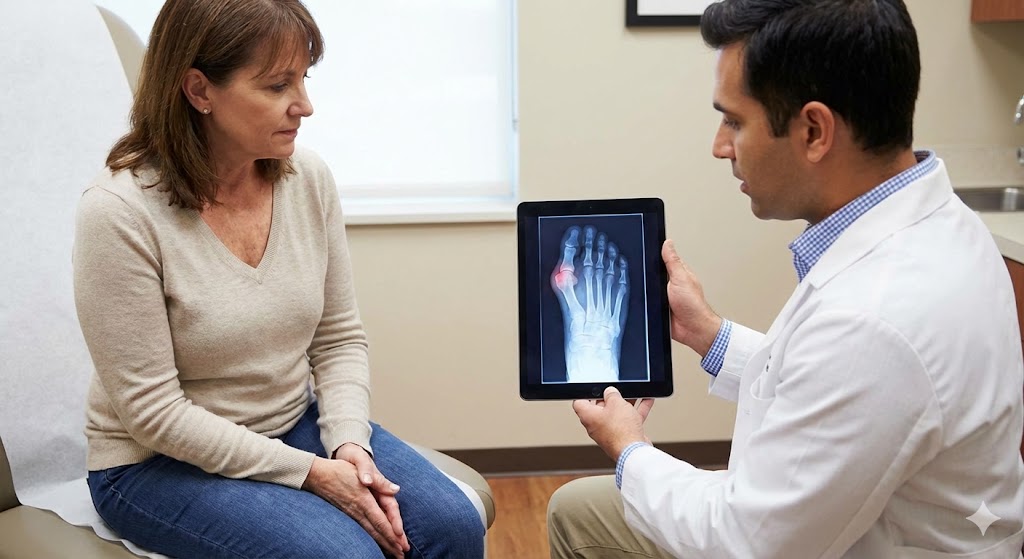
A bunion forms when the bones at the front of the foot lose proper alignment. The big toe shifts toward the smaller toes, while the joint at its base pushes outward. Over time, this misalignment creates pain, stiffness, swelling, and difficulty walking.
Bunions do not improve on their own. They often worsen slowly, especially when faulty foot mechanics continue unchecked. Surgery becomes part of the discussion once pain interferes with daily activities or conservative treatments stop delivering relief.
What Causes Bunions to Progress
Bunions usually develop because of inherited foot structure. Some people have joints that move too much or bones shaped in a way that encourages drifting. Footwear can speed up the process, especially shoes that crowd the toes or place pressure on the forefoot.
As the big toe drifts inward, tendons and ligaments pull unevenly. This imbalance increases pressure at the joint, leading to inflammation and gradual deformity. Over time, walking patterns change, and pain becomes more persistent.
Signs Surgery Might Be the Best Option
Surgery may make sense when bunion pain affects work, exercise, or normal walking. Common signs include ongoing swelling, sharp or aching pain, visible joint deformity, reduced toe motion, and difficulty finding comfortable shoes.
If custom orthotics, shoe changes, and activity modifications no longer help, surgery offers a way to correct the underlying structure rather than manage symptoms.
Goals of Bunion Surgery
Modern bunion surgery focuses on restoring natural foot alignment and improving function. The goal goes far beyond removing the visible bump.
Pain Relief and Functional Improvement
Correcting bone position reduces joint stress, which eases pain during walking and standing. Patients often notice improved balance and smoother movement once the foot regains proper alignment.
Correcting Structural Imbalance
A successful procedure addresses the bones, joints, and soft tissues involved. Realigning the first metatarsal and stabilizing the joint helps prevent the deformity from returning.
Non-Surgical Options Before Considering Surgery
Many patients try conservative care before exploring surgery. This approach works best during early stages of bunion development.
When Conservative Care Stops Working
Supportive shoes, padding, orthotics, and anti-inflammatory care may ease discomfort early on. Once the deformity progresses, these measures lose effectiveness. At that point, surgery provides the most reliable path toward lasting relief.
Types of Bunion Surgery Explained
Surgeons choose from several procedures depending on foot structure, deformity severity, and lifestyle needs. Each technique targets a specific problem within the joint.
Osteotomy Procedures
Osteotomy procedures involve cutting and repositioning bone to restore proper alignment. These techniques remain among the most common and effective options.
Chevron Osteotomy
The Chevron osteotomy works well for mild to moderate bunions. Surgeons create a small V-shaped cut near the big toe joint and slide the bone into better alignment. Screws hold the correction in place while healing occurs.
This approach offers reliable correction with a predictable recovery timeline. Many patients return to regular shoes within several weeks.
Scarf Osteotomy
The Scarf osteotomy allows for greater correction and works well for moderate to more advanced bunions. Surgeons reshape the bone using a longer cut that provides stability and flexibility during realignment.
This procedure offers strong fixation and helps maintain correction over time, making it a popular option for active individuals.
Exostectomy
An exostectomy removes the bony prominence at the joint without correcting bone alignment. Surgeons rarely perform this procedure on its own because the bunion often returns without realignment.
In select cases, an exostectomy may accompany another corrective technique.
Arthrodesis (Joint Fusion)
Joint fusion suits severe bunions or cases involving arthritis. Surgeons remove damaged cartilage and fuse the joint into a stable position.
While joint motion decreases, patients often experience significant pain relief and improved stability. This option works well for individuals with advanced joint damage.
Lapidus Procedure
The Lapidus procedure corrects bunions caused by instability at the base of the first metatarsal. Surgeons stabilize this joint to prevent excessive motion that drives deformity.
This technique works especially well for patients with flat feet, joint hypermobility, or recurrent bunions.
Minimally Invasive Bunion Surgery
Minimally invasive surgery uses small incisions and specialized instruments to correct alignment with less disruption to surrounding tissue. Patients often experience less swelling and a smoother early recovery.
This approach requires precise planning and surgeon experience. Not every bunion qualifies, though results can be excellent for appropriate candidates.

How Surgeons Choose the Right Procedure
Choosing the right bunion surgery depends on more than how the foot looks. Surgeons evaluate the entire lower limb to create a lasting correction.
Severity of the Deformity
Mild bunions require less aggressive correction. Severe deformities demand deeper structural changes to restore alignment and function.
Lifestyle and Activity Level
Work demands, exercise habits, and personal goals influence procedure selection. Surgeons consider how much stress the foot will handle after healing.
Recovery Timeline After Bunion Surgery
Recovery varies depending on the procedure performed, though most patients follow a structured healing process.
Early Healing Phase
Patients often wear a surgical boot to protect the foot during early healing. Swelling and stiffness peak early, then gradually improve with proper care.
Returning to Normal Activities
Many patients return to comfortable shoes within six to eight weeks. Full healing continues for several months as bone and soft tissue strengthen.
Risks and Success Rates of Bunion Surgery
Modern bunion surgery delivers high success rates when performed by experienced specialists. Risks remain low, though infection, stiffness, or delayed healing may occur in rare cases.
Careful planning and patient compliance play a major role in achieving strong outcomes.
Bunion Surgery at Vital Podiatry Foot and Ankle Specialist near Woodwind Lakes
Expert Bunion Care in Houston
Vital Podiatry Foot and Ankle Specialist provides comprehensive bunion care for patients throughout Houston. The clinic focuses on precise diagnosis, personalized treatment planning, and advanced surgical techniques designed to restore comfort and mobility.
Each patient receives a tailored approach based on foot structure, lifestyle, and long-term goals.
Choosing the Right Surgeon for Bunion Correction
Experience matters when it comes to bunion surgery. A skilled foot and ankle specialist evaluates alignment, joint motion, and overall biomechanics. Clear communication and individualized planning help ensure lasting results.
Vital Podiatry Foot and Ankle Specialist Serving the Woodwind Lakes Community and Beyond in Houston
Vital Podiatry Foot and Ankle Specialist is dedicated to serving the diverse needs of the local community of Houston, including individuals residing in neighborhoods like Woodwind Lakes. With its convenient location near landmarks such as the Faith Church and major intersections like Andante Dr & Scherzo Ln (coordinates: 29.88683,-95.53023), we offer bunion surgery services.
Get Bunion Surgery at Woodwind Lakes Now
CALL US NOW!
(281) 937-4546
Navigate from Woodwind Lakes to Vital Podiatry Foot and Ankle Specialist Now
Restoring Comfort, Stability, and Confidence in Every Step
Bunion surgery offers more than cosmetic improvement. It restores alignment, reduces pain, and improves quality of life. With modern techniques and thoughtful planning, patients can return to walking comfortably and confidently. Understanding the types of bunion surgery available empowers patients to take the next step with clarity and confidence.
FAQs
1. How long does bunion surgery take?
Most procedures take one to two hours, depending on complexity.
2. Will I need crutches after surgery?
Some patients use crutches or a walker briefly, though many rely on a surgical boot.
3. How long does swelling last?
Swelling may linger for several months but improves steadily.
4. Does bunion surgery leave scars?
Scars remain small and fade over time, especially with minimally invasive techniques.
5. Is bunion surgery permanent?
Proper correction offers long-term results when patients follow post-surgical guidance.