Your feet are the unsung heroes of your body. They absorb impact, support your weight, and keep you moving forward—literally. Yet, most people only pay attention to their feet when something goes wrong.
That’s where a Doctor of Podiatric Medicine (DPM) steps in. Whether you’re dealing with nagging heel pain, a sports injury, or a chronic condition like diabetes, a DPM has the expertise to diagnose, treat, and prevent a wide range of issues.
Let’s dive deep into what conditions a DPM can treat—and why seeing one might be one of the best decisions you make for your overall health.
Understanding What a DPM Is
What Does DPM Stand For?
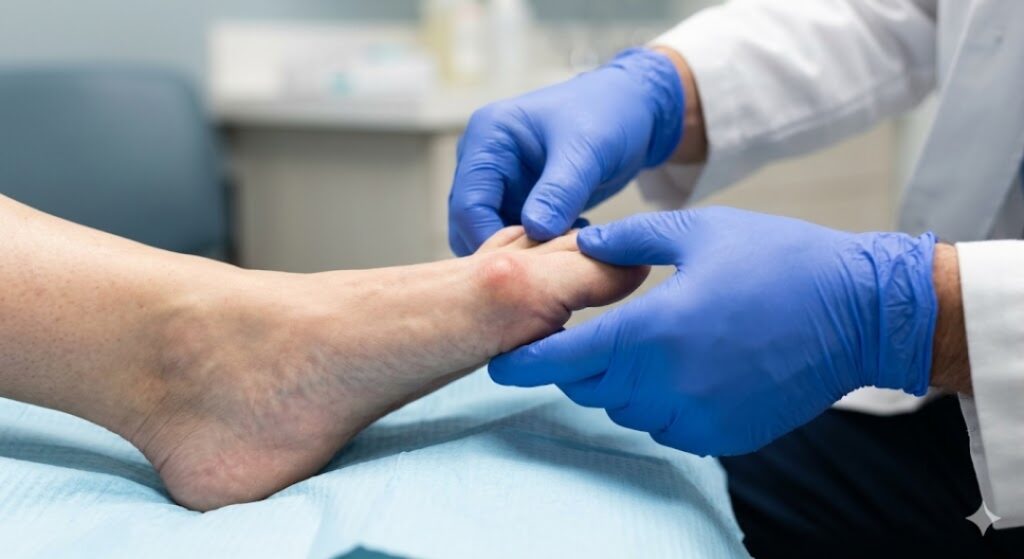
A DPM, or Doctor of Podiatric Medicine, is a highly trained medical professional specializing in the foot, ankle, and lower extremities. But don’t mistake them for “just foot doctors.” Their training is extensive, covering anatomy, biomechanics, surgery, and even systemic diseases that show symptoms in the feet.
Think of a DPM as both a detective and a mechanic. They identify the root cause of your pain and then fix it using precise, targeted treatments.
They don’t just treat symptoms—they solve problems.
Why See a Podiatrist Instead of a General Doctor?
Imagine going to a general doctor for persistent foot pain. You might get a temporary solution—painkillers, rest, maybe a basic diagnosis. But a DPM goes deeper.
They analyze how you walk, how your weight is distributed, and even how your shoes affect your feet. It’s like comparing a general inspection to a full diagnostic scan.
For example:
- A general doctor might say “you have foot pain.”
- A DPM will say, “your arch collapses when you walk, causing strain on your plantar fascia.”
That level of detail makes all the difference in long-term recovery.
Common Foot and Ankle Problems Treated by a DPM
Heel Pain and Plantar Fasciitis
Heel pain can feel like stepping on broken glass first thing in the morning. That sharp, stabbing sensation? Classic plantar fasciitis.
This condition occurs when the thick band of tissue along the bottom of your foot becomes inflamed due to overuse, poor footwear, or improper biomechanics.
A DPM doesn’t just recommend rest—they may provide:
- Stretching programs tailored to your foot structure
- Custom orthotics to redistribute pressure
- Shockwave therapy for stubborn cases
It’s about fixing the cause, not masking the pain.
Bunions and Structural Deformities
Bunions don’t appear overnight. They develop gradually due to genetics, footwear choices, and mechanical stress.
At first, it’s just a slight bump. Then comes redness, swelling, and eventually pain that affects your daily life.
A DPM evaluates the severity and offers solutions like:
- Padding and footwear adjustments
- Orthotics to correct alignment
- Surgical correction for advanced cases
Ignoring a bunion is like ignoring a crack in a wall—it only gets worse over time.
Hammertoes and Toe Conditions
Hammertoes may seem like a minor cosmetic issue, but they can lead to serious discomfort. When toes bend abnormally, they rub against shoes, causing pain, corns, and even open sores.
A DPM can intervene early with non-invasive treatments or recommend corrective procedures if the condition progresses.
Skin and Nail Conditions a DPM Can Treat
Ingrown Toenails
An ingrown toenail can go from annoying to unbearable in a matter of days. When the nail grows into the surrounding skin, it can cause swelling, infection, and intense pain.
A DPM provides quick relief through safe removal techniques and preventive care strategies.
No more DIY fixes that make things worse.
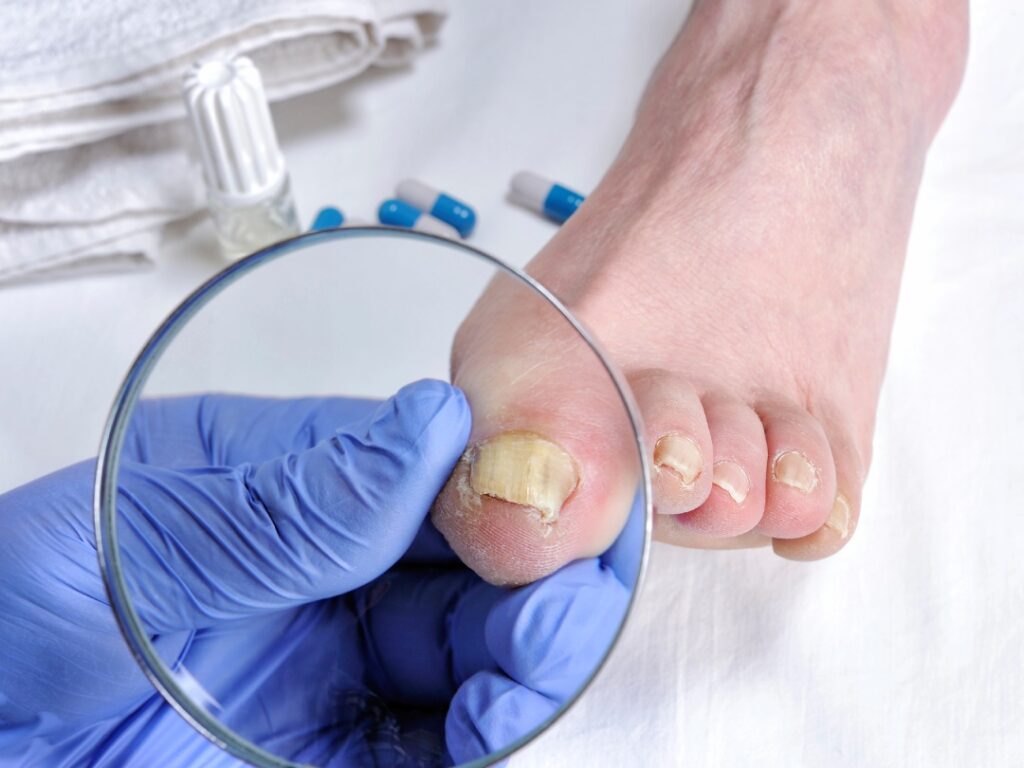
Fungal Nail Infections
Fungal infections are stubborn. They don’t just disappear with over-the-counter creams.
A DPM uses advanced treatments like:
- Prescription antifungal medications
- Laser therapy
- Debridement to remove infected nail tissue
It’s like removing weeds from the root instead of trimming the surface.
Corns and Calluses
These thickened areas of skin are your body’s way of protecting itself from pressure. But too much buildup can lead to pain and even ulcers.
A DPM identifies the source of friction and corrects it, ensuring the problem doesn’t come back.

Sports Injuries and Foot Trauma
Sprains and Strains
Ankle sprains are incredibly common, especially among active individuals. But improper healing can lead to chronic instability.
A DPM ensures proper recovery through:
- Bracing and support
- Rehabilitation exercises
- Advanced imaging if needed
Stress Fractures
Unlike sudden fractures, stress fractures develop slowly—like a crack forming in a sidewalk over time.
Athletes, runners, and even people with repetitive jobs are at risk. Early diagnosis by a DPM prevents long-term damage.
Achilles Tendon Injuries
The Achilles tendon is the powerhouse of your movement. When injured, even walking becomes difficult.
A DPM creates a recovery plan that may include physical therapy, immobilization, or surgery depending on severity.
Chronic Conditions Managed by a DPM
Diabetic Foot Care
Diabetes can turn small foot issues into serious medical emergencies. Reduced sensation means injuries often go unnoticed.
A DPM provides:
- Routine foot exams
- Wound care management
- Preventative strategies
This proactive care can literally save limbs—and lives.
Arthritis in the Feet and Ankles
Arthritis doesn’t just affect hands—it can make every step painful.
A DPM helps manage inflammation and improve mobility with customized treatment plans.
Nerve Disorders (Neuropathy)
Burning, tingling, numbness—neuropathy can feel like your feet are constantly “asleep.”
A DPM works to reduce symptoms and prevent complications like ulcers.
Pediatric Foot Conditions
Flat Feet in Children
Flat feet are common in children, but not always harmless.
A DPM evaluates whether intervention is needed and may recommend orthotics or exercises to support proper development.
Toe Walking and Gait Issues
If your child walks on their toes or has an unusual gait, it could signal underlying issues.
Early evaluation ensures proper growth and prevents long-term complications.
Advanced Treatments Offered by DPMs
Custom Orthotics
Custom orthotics are like tailor-made suits for your feet. They align your body, reduce stress, and improve movement efficiency.
Minimally Invasive Surgery
Modern podiatry has revolutionized surgery. Smaller incisions mean faster recovery and less pain.
Wound Care and Ulcer Treatment
Chronic wounds require expert care. A DPM ensures proper healing while preventing infection.
When Should You See a DPM?
If pain lingers, worsens, or affects your daily activities, it’s time to act.
Don’t normalize discomfort—your body is signaling that something needs attention.
Why Choose Vital Podiatry Foot and Ankle Specialist in Mckamy Meadows
When it comes to expert foot care, Vital Podiatry Foot and Ankle Specialist in Mckamy Meadows delivers unmatched expertise and compassionate service.
Patients trust them because they combine:
- Advanced diagnostics
- Personalized treatment plans
- Cutting-edge technology
- A genuine commitment to patient well-being
Whether it’s a minor concern or a complex condition, they treat every patient with precision and care.
Preventative Foot Care Tips
Healthy feet don’t happen by accident—they’re the result of consistent care.
Simple habits make a big difference:
- Choose supportive footwear
- Keep feet clean and moisturized
- Stretch regularly
- Address issues early
Think of it like brushing your teeth—small daily habits prevent major problems.
Vital Podiatry Foot and Ankle Specialist Serving the Mckamy Meadows Community and Beyond in Houston
Vital Podiatry Foot and Ankle Specialist is dedicated to serving the diverse needs of the local community of Houston, including individuals residing in neighborhoods like Mckamy Meadows. With its convenient location near landmarks such as the Ronald L. MUMPHERY Park and major intersections like Timberhaven Dr and Fountain Spring Dr (coordinates: 29.9406,-95.47174), we offer DPM Houston services.
Get DPM Services at Mckamy Meadows Now
CALL US NOW!
(281) 937-4546
Navigate from Mckamy Meadows to Vital Podiatry Foot and Ankle Specialist Now
Conclusion
Your feet are your foundation. When they’re healthy, life feels easier. When they’re not, everything becomes a challenge.
A DPM is your partner in maintaining that foundation. From everyday discomfort to serious medical conditions, they provide the expertise you need to stay active and pain-free.
And if you’re in Mckamy Meadows, Vital Podiatry Foot and Ankle Specialist is your trusted destination for high-quality, patient-centered care.
Take care of your feet—they take care of you.
FAQs
1. What conditions do DPMs treat most often?
Plantar fasciitis, bunions, ingrown toenails, and diabetic foot issues are among the most common.
2. Can a DPM help with sports injuries?
Yes, they specialize in diagnosing and treating foot and ankle injuries related to sports.
3. Are podiatry treatments painful?
Most treatments are minimally invasive and designed to reduce pain, not cause it.
4. Do children need podiatry care?
Yes, especially if they show signs of gait issues or foot discomfort.
5. How long does recovery take for foot conditions?
It varies depending on the condition, but early treatment speeds up recovery significantly.