If you’ve ever struggled with itchy, cracked skin between your toes or toenails that have turned thick, yellow, and brittle despite your best efforts, you’re far from alone. Foot fungal infections affect millions of people and often linger far longer than expected. They’re stubborn, uncomfortable, and frustrating—but they’re also very treatable with the right care.
A foot specialist is uniquely trained to diagnose, treat, and prevent these infections at every stage. Understanding what they do can help you stop guessing, stop cycling through ineffective remedies, and finally get lasting relief.
Understanding Fungal Infections of the Foot
Before treatment makes sense, it helps to understand what’s actually happening beneath the surface of your skin and nails.
What Is a Fungal Foot Infection?
A fungal foot infection occurs when microscopic fungi invade the skin or nails of the feet and begin feeding on keratin, the protein that gives skin and nails their structure. These organisms thrive in warm, dark, and moist environments—exactly the conditions created by sweaty socks, tight shoes, and shared spaces like gyms or locker rooms.
Once fungi take hold, they behave like weeds in a garden: if only the surface is treated, the roots remain, allowing the problem to return again and again.
Common Types of Foot Fungal Infections
Fungal infections don’t all look or act the same. Some affect only the outer layers of skin, while others penetrate deep into the nail bed and require more advanced care.
Athlete’s Foot
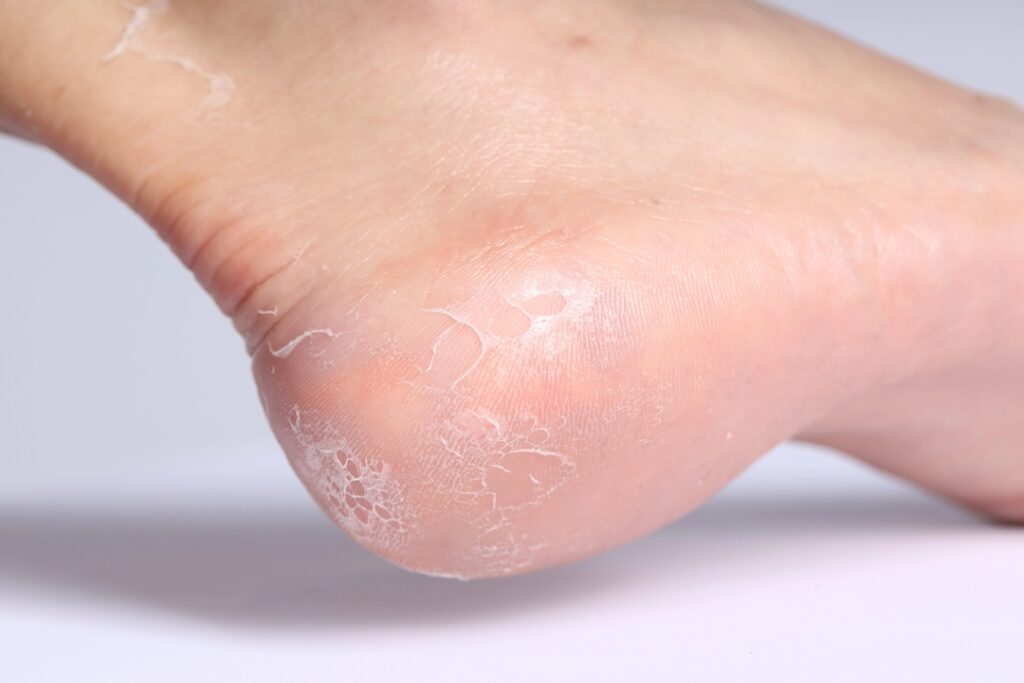
Athlete’s foot usually begins between the toes and often causes itching, burning, redness, and peeling skin. Many people mistake it for dry skin or irritation and apply moisturizer, which can actually worsen the infection by trapping moisture.
If left untreated, athlete’s foot can spread across the soles, sides of the feet, or even to the hands, increasing discomfort and infection risk.
Toenail Fungus
Toenail fungus tends to develop slowly and quietly. It may start as a small white or yellow spot but gradually causes nails to thicken, discolor, crumble, or lift from the nail bed. Beyond appearance, this condition can cause pain in shoes, make walking uncomfortable, and increase the risk of bacterial infection, particularly in older adults.

Why Fungal Infections Shouldn’t Be Ignored
Many people hope fungal infections will simply go away with time. Unfortunately, that rarely happens.
Health Risks of Untreated Fungal Infections
Untreated fungal infections often spread to other toes, nails, or areas of skin. Over time, the skin barrier weakens, increasing the likelihood of cracks, sores, and secondary bacterial infections. For people with diabetes, poor circulation, or weakened immune systems, even minor foot infections can escalate into serious medical issues requiring intensive care.
How Fungal Infections Spread
Fungal infections are contagious and resilient. They spread through shared floors, towels, shoes, socks, nail clippers, and pedicure tools. Fungi can also survive inside shoes long after symptoms improve, leading to reinfection if proper precautions aren’t taken. Once established, they behave like unwelcome houseguests—hard to get rid of without a clear plan.
What Is a Foot Specialist?
A foot specialist, also known as a podiatrist, is a medical professional who focuses exclusively on conditions affecting the feet and ankles.
Difference Between a Podiatrist and a General Doctor
While a general doctor may prescribe a standard antifungal cream, a foot specialist looks deeper.
Podiatrists are trained to understand nail growth patterns, pressure points, circulation issues, and how footwear affects healing. This specialized knowledge allows them to diagnose fungal infections accurately and choose treatments that address both the infection and the factors contributing to it.
What Does a Foot Specialist Do for Fungal Infections?
This is where expert care truly stands apart from trial-and-error treatment.
Accurate Diagnosis of Foot Fungus
A foot specialist doesn’t rely on assumptions. They carefully examine the affected area and may take a small skin or nail sample for laboratory testing. This confirms whether the issue is truly fungal or something else—such as psoriasis, trauma, or eczema—ensuring treatment targets the real cause rather than just the symptoms.
Personalized Treatment Plans
No two infections are identical. A foot specialist creates a treatment plan tailored to the severity of the infection, lifestyle habits, occupation, footwear choices, and overall health. This individualized approach dramatically improves treatment success.
Topical Antifungal Treatments
Topical treatments include medicated creams, sprays, powders, or nail lacquers applied directly to the affected area. These are commonly used for mild to moderate infections and work best when applied consistently and correctly—something a foot specialist carefully guides.
Oral Antifungal Medications
For deeper or more stubborn infections, especially toenail fungus, oral antifungal medications may be prescribed. These treatments work from the inside out and are closely monitored to ensure safety and effectiveness, particularly for patients with other medical conditions.
Advanced In-Office Procedures
In more severe cases, a foot specialist may perform medical nail debridement to remove infected tissue, reduce pressure, and allow treatments to penetrate more effectively. Laser therapy or other advanced techniques may also be used to speed healing and improve outcomes.
Vital Podiatry Cypress Foot and Ankle Specialist
When it comes to expert fungal infection care, Vital Podiatry Cypress Foot and Ankle Specialist is recognized for precision diagnosis, advanced treatment options, and a patient-first philosophy.
Specialized Fungal Infection Care
This clinic emphasizes evidence-based treatments designed to resolve infections fully—not just temporarily improve symptoms. From early athlete’s foot to long-standing toenail fungus, each case is treated with attention to detail and long-term success.
Patient-Focused Approach
Patients aren’t rushed through appointments. Education, prevention strategies, and realistic expectations are prioritized so infections don’t keep returning like an unfinished chapter.
Treating Fungal Infections in Tower Oaks Meadows
Living in Tower Oaks Meadows means access to reliable, specialized foot care without the inconvenience of long travel times.
Why Local Podiatry Care Matters
Local specialists understand environmental factors such as climate, activity levels, and footwear trends common in the area. That insight allows for more practical treatment plans and stronger prevention strategies.
Prevention Tips from a Foot Specialist
Treatment solves the immediate problem—but prevention keeps it from coming back.
Daily Foot Hygiene Habits
Washing your feet daily, drying them thoroughly (especially between the toes), inspecting them regularly, and moisturizing appropriately can prevent fungal infections from gaining a foothold. Think of it like routine maintenance—small habits that prevent major repairs later.
Shoe and Sock Best Practices
Choose breathable shoes, change socks daily, avoid walking barefoot in public places, and rotate footwear to allow shoes to dry completely. Fungi thrive in damp environments, and these simple steps make survival much harder for them.
When to See a Foot Specialist
If you’re unsure whether your symptoms are serious enough, that uncertainty alone is often a sign it’s time to seek professional care.
Warning Signs You Shouldn’t Ignore
Persistent itching, cracked or peeling skin, nail discoloration, thickened nails, recurring infections, or ongoing foot odor are clear indicators that a foot specialist should be consulted sooner rather than later.
Vital Podiatry Cypress Foot and Ankle Specialist Serving the Tower Oaks MeadowsCommunity and Beyond in Cypress
Vital Podiatry Cypress Foot and Ankle Specialist is dedicated to serving the diverse needs of the local community of Cypress, including individuals residing in neighborhoods like Tower Oaks Meadows. With its convenient location near landmarks such as the Adam Elementary School and major intersections like Windy Cape Rd and Fallbrook Dr (coordinates: 29.9348619016126, -95.61359670020863), we offer foot specialist for fungus Cypress services.
Get Foot Specialist for Fungus Services at Tower Oaks Meadows Now
CALL US NOW!
(281) 937-4546
Navigate from Tower Oaks Meadows to Vital Podiatry Cypress Foot and Ankle Specialist Now
Conclusion
Fungal foot infections are more than a minor inconvenience—they’re persistent, contagious, and capable of causing real health problems if left untreated. A foot specialist doesn’t just treat what’s visible; they identify the root cause, customize treatment, and help prevent future flare-ups.
With expert care from providers like Vital Podiatry Cypress Foot and Ankle Specialist, especially for residents of Tower Oaks Meadows, long-term foot health and comfort are absolutely achievable.
FAQs
1. Can a foot specialist permanently cure toenail fungus?
A foot specialist can often eliminate toenail fungus with proper treatment, though ongoing prevention is essential to avoid recurrence.
2. How long does fungal infection treatment usually take?
Skin infections may improve within weeks, while toenail fungus can take several months due to slow nail growth.
3. Are over-the-counter treatments effective?
They may help mild cases, but chronic or severe infections usually require prescription-strength care.
4. Is toenail fungus dangerous?
It can be, especially for people with diabetes or circulation issues, as it increases infection risk.
5. Does nail removal hurt?
When medically necessary, it’s done carefully with minimal discomfort and proper aftercare.