If you’ve ever experienced persistent foot or ankle pain, you know how it can disrupt daily life. Walking, running, or even standing for a few minutes can become a challenge. That’s when the question arises: who should you actually see? The world of foot care is full of specialists, but one name stands out—DPM, or Doctor of Podiatric Medicine.
Unlike general practitioners or orthopedic surgeons who treat feet as part of a larger system, DPMs dedicate their careers solely to foot and ankle health.
In Lake Cypress Estates, Vital Podiatry Foot and Ankle Specialist demonstrates the unique expertise DPMs bring. Let’s explore what sets them apart and why choosing a DPM can be a game-changer for your foot health.
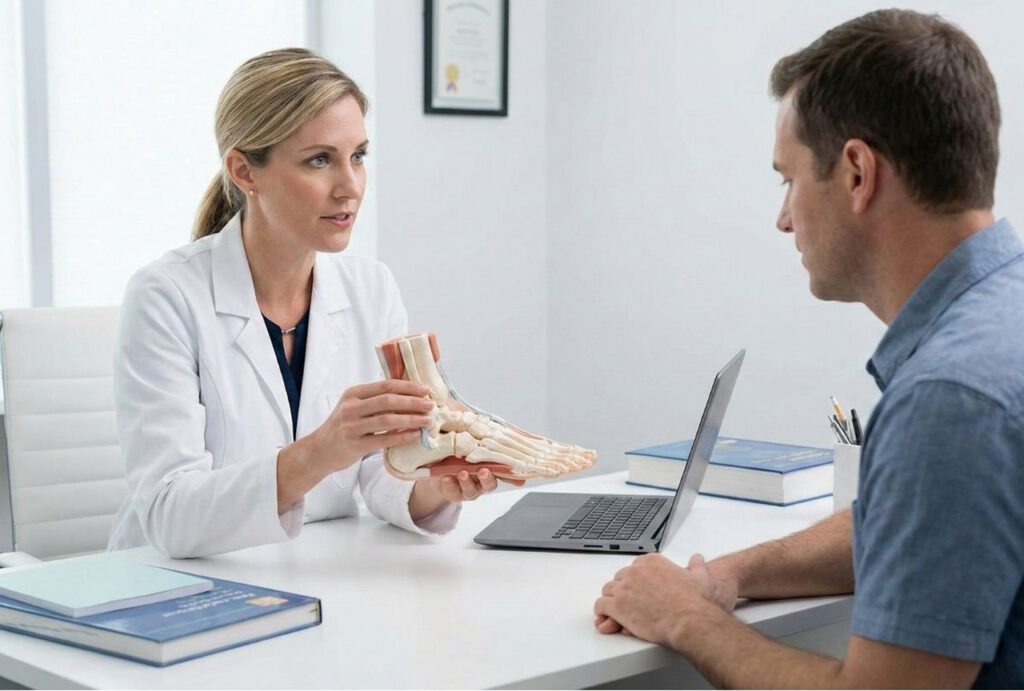
Introduction to Foot Specialists
Foot care isn’t just about pedicures or minor cuts. Your feet are complex—26 bones, 33 joints, and over 100 muscles, tendons, and ligaments. They are literally your body’s foundation.
There’s a spectrum of specialists: orthopedic surgeons, physical therapists, chiropodists, and DPMs. Each has strengths, but their expertise differs. Think of it like maintaining a house: a general handyman can fix minor issues, a carpenter handles structural repairs, and an electrician manages wiring.
A DPM? They’re like the architect and engineer rolled into one—someone who knows the foundation inside out, can design solutions, and fix problems at the source.
Who is a DPM Doctor?
A DPM (Doctor of Podiatric Medicine) is a licensed medical professional specializing in diagnosing, treating, and preventing foot and ankle problems.
Unlike other specialists, DPMs focus exclusively on the lower extremities. They handle everything from minor nail infections to structural deformities and sports injuries. Think of them as your foot’s personal specialist—someone who truly understands how your feet carry the weight of your life.
Education and Training of a DPM
Becoming a DPM is no simple feat. After an undergraduate degree, aspiring podiatrists complete four years of podiatric medical school. They study anatomy, physiology, pathology, and pharmacology—all focused on the foot and ankle.
Next comes a three-year residency, gaining hands-on experience with surgeries, trauma, and complex disorders. While orthopedic surgeons cover the entire musculoskeletal system, a DPM’s focus is highly specialized. This training allows them to spot subtle issues—like a minor gait problem that could later cause knee or back pain—before they snowball into bigger problems.
Licensing and Certification
DPMs are required to pass rigorous national board exams and obtain state licensure. Many pursue additional certifications in reconstructive surgery, sports medicine, or diabetic foot care. This ensures they don’t just practice—they practice at the highest standard.
Imagine trusting your car to someone who’s read a manual once versus someone certified multiple times on your exact model. That’s the level of expertise a DPM offers.
Common Foot Specialists Compared
With so many foot specialists around, it’s easy to get confused. Here’s a comparison:
Orthopedic Surgeons
Orthopedic surgeons focus on the entire musculoskeletal system: bones, joints, muscles, and ligaments. Some specialize in foot and ankle surgery, but their training is broad, covering knees, hips, and spine. They’re excellent for fractures or complex reconstructive procedures, but may not have the same depth of knowledge in foot biomechanics or preventive care as a DPM.
Think of them as general engineers—they can repair many parts of a building but might miss minor foundational cracks.
Physical Therapists
Physical therapists excel in rehabilitation. They restore mobility, strengthen muscles, and improve balance. However, they cannot prescribe medications, perform surgery, or correct structural deformities. In other words, they’re like a personal trainer with medical insight—they optimize function but cannot fix root causes if the problem is structural or medical.
Chiropodists
Chiropodists mainly handle basic foot maintenance: trimming nails, removing calluses, or treating minor skin issues. They’re great for everyday foot hygiene but aren’t trained for complex medical or surgical cases. If your concern is structural, chronic, or requires surgery, a DPM is the safer choice.
How DPMs Approach Foot and Ankle Care Differently
What truly sets DPMs apart is their approach. They focus on:
- Comprehensive assessment
- Surgical capabilities
- Preventive strategies
This isn’t just about fixing problems—it’s about understanding how your feet interact with your body and keeping them healthy for life.
Comprehensive Diagnosis
DPMs examine more than just the site of pain. They look at gait, posture, footwear, and lifestyle habits. For instance, recurring plantar fasciitis might not just be a heel issue—it could be due to how you walk or the shoes you wear. By identifying root causes, DPMs provide lasting solutions instead of temporary relief.
Surgical Expertise
DPMs are trained and licensed to perform specialized foot and ankle surgeries. From bunion correction to ligament reconstruction, their surgical expertise is highly focused. This means smaller incisions, faster recovery, and more precise outcomes than broader surgical specialties.
Preventive Care Focus
DPMs don’t just treat problems—they prevent them. Custom orthotics, gait correction, lifestyle advice, and routine screenings help prevent injuries, arthritis, and chronic pain. Think of it as maintaining your car regularly instead of waiting for a major breakdown—it saves time, money, and discomfort.
Vital Podiatry Foot and Ankle Specialist in Lake Cypress Estates
In Lake Cypress Estates, Vital Podiatry Foot and Ankle Specialist exemplifies what a DPM can do. They combine expertise, surgical skill, and preventive care to deliver personalized treatment. Whether it’s routine foot care, chronic conditions, or advanced surgery, patients receive top-quality care.
Patient-Centered Care
At Vital Podiatry, patients are more than diagnoses. Every plan considers lifestyle, activity level, and health history. For instance, a runner with chronic heel pain may get gait analysis, custom orthotics, and a rehab plan to return safely to activity. It’s about treating the whole person, not just the foot.
Advanced Treatments and Technology
Vital Podiatry uses digital gait analysis, 3D orthotics, and minimally invasive surgery. These technologies improve diagnosis accuracy, allow personalized treatment, and speed recovery. Think of it like comparing an old map to modern GPS—precise, efficient, and tailored to you.
Common Conditions Treated by DPMs
DPMs handle a wide range of foot and ankle issues, including:
Bunions and Hammer Toes
These deformities cause pain and affect balance. DPMs offer surgical correction, orthotics, and exercises. For example, a runner with bunions can return to training faster with the right surgical and rehab plan.
Plantar Fasciitis and Heel Pain
Chronic heel pain can be debilitating. DPMs provide stretching programs, physical therapy, night splints, shockwave therapy, and surgery if necessary. They also educate on footwear and activity modifications to prevent recurrence.
Sports Injuries
Athletes often face sprains, tendon injuries, and stress fractures. DPMs assess, treat, and rehabilitate while offering injury-prevention strategies. They are like a coach and doctor rolled into one for your feet.
Diabetic Foot Care
Diabetes can cause neuropathy, ulcers, and circulation issues. DPMs monitor at-risk patients, provide specialized footwear, and intervene early to prevent infections or amputations. Early DPM care can literally save limbs.
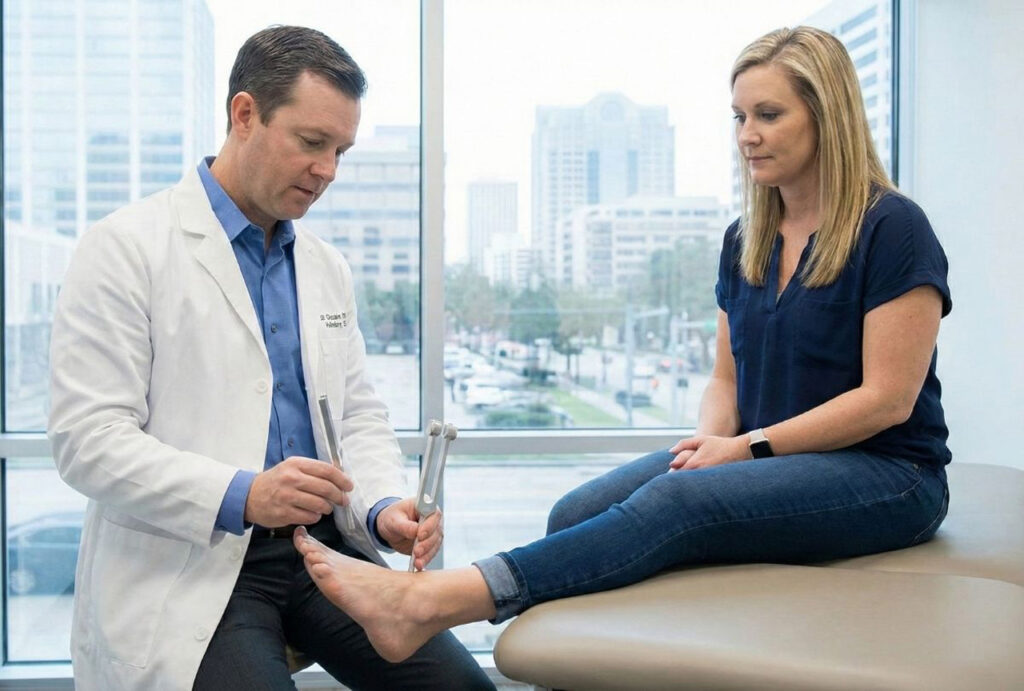
When to See a DPM vs Other Specialists
Choosing the right specialist saves time, money, and discomfort.
Signs You Need a DPM
Visit a DPM if you experience:
- Persistent foot or ankle pain
- Swelling or numbness
- Recurring injuries
- Deformities
- Diabetes-related foot concerns
If simple remedies don’t work, a DPM can provide a comprehensive solution.
Situations for Orthopedic or Other Specialists
Orthopedic surgeons are useful for broader musculoskeletal issues—knee, hip, or spine alignment problems. Physical therapists help with rehabilitation, while chiropodists assist with routine maintenance. A DPM often coordinates care with these specialists for holistic treatment.
Benefits of Choosing a DPM
Specialized Knowledge
DPMs focus entirely on feet and ankles, giving them unmatched expertise. They can provide precise, effective, and tailored solutions that general practitioners might miss.
Holistic Approach
DPMs consider biomechanics, footwear, and lifestyle. They treat the root cause, not just the symptoms, preventing recurring issues and improving overall mobility.
Long-Term Foot Health
DPMs emphasize prevention, ongoing monitoring, and patient education. The goal is not just relief, but sustainable comfort and functionality for years.
Vital Podiatry Foot and Ankle Specialist Serving the Lake Cypress Estates Community and Beyond in Houston
Vital Podiatry Foot and Ankle Specialist is dedicated to serving the diverse needs of the local community of Houston, including individuals residing in neighborhoods like Lake Cypress Estates. With its convenient location near landmarks such as the Maxwell Park and major intersections like Huffmeister Rd and Maxwell Rd (coordinates: 29.9688,-95.63014), we offer DPM doctor services.
Get DPM Doctor Services at Lake Cypress Estates Now
CALL US NOW!
(281) 937-4546
Navigate from Lake Cypress Estates to Vital Podiatry Foot and Ankle Specialist Now
Conclusion
Foot health affects mobility, balance, and quality of life. While many specialists exist, DPMs stand out with specialized training, surgical expertise, and preventive focus.
In Lake Cypress Estates, Vital Podiatry Foot and Ankle Specialist demonstrates the full range of DPM care—comprehensive, advanced, and patient-centered. For anyone with foot or ankle issues, a DPM ensures your foundation is strong, healthy, and pain-free.
FAQs
Q1: What does DPM stand for?
A: Doctor of Podiatric Medicine, a licensed specialist in foot and ankle care.
Q2: Can DPMs perform surgery?
A: Yes, they are trained and licensed to perform a variety of foot and ankle surgeries.
Q3: How is a DPM different from an orthopedic surgeon?
A: Orthopedic surgeons treat the entire musculoskeletal system; DPMs focus exclusively on foot and ankle health.
Q4: When should I see a DPM?
A: Persistent pain, structural deformities, injuries, or diabetic foot issues are signs to see a DPM.
Q5: What makes Vital Podiatry Foot and Ankle Specialist unique?
A: We combine advanced technology, surgical expertise, and patient-centered care to deliver comprehensive foot and ankle solutions in Lake Cypress Estates.