When Should You See a DPM Instead of Your Primary Care Doctor?

January 19, 2026

Foot and ankle issues often begin quietly. A dull ache after work. A sharp pain when you step out of bed. A toenail that keeps getting irritated no matter what you do. At first, these problems seem manageable—or easy to ignore. But over time, they can affect how you walk, how long you can stand, and even how confident you feel moving through daily life.

When pain or discomfort sets in, most people instinctively book an appointment with their primary care doctor. While that’s a smart move for many health concerns, foot and ankle problems often require a more specialized approach. That’s where a Doctor of Podiatric Medicine (DPM) comes in.

Knowing when to see a DPM instead of your primary care doctor can mean faster relief, fewer complications, and better long-term outcomes—especially if you live in Harvest Bend and want expert care close to home.
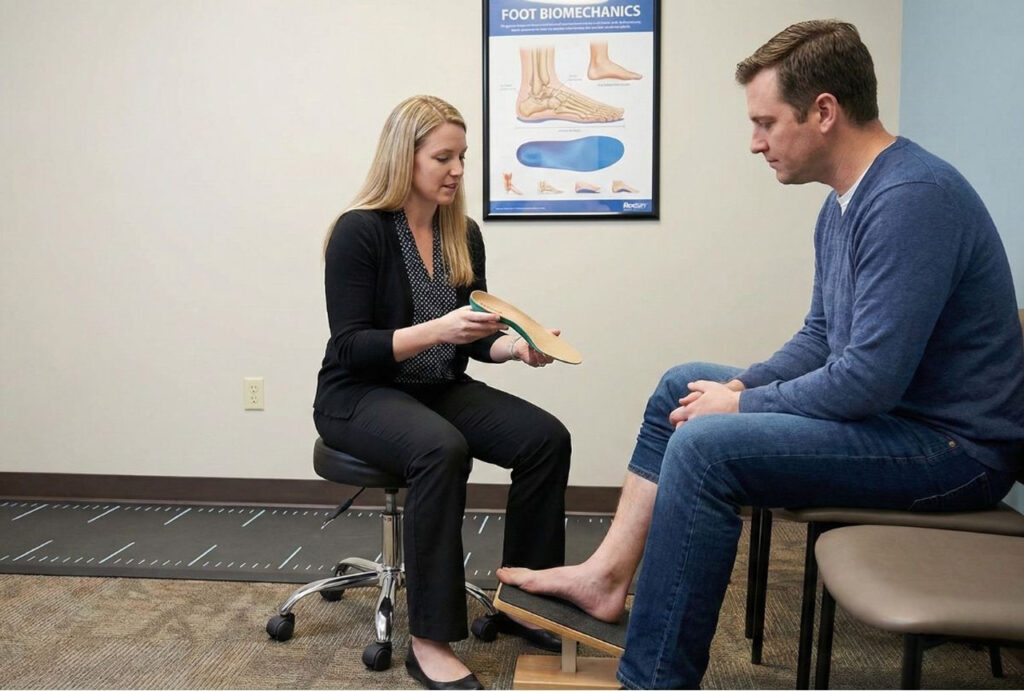
A DPM explains the benefits of custom orthotic insoles to a patient during a foot biomechanics consultation in the clinic.

Understanding the Difference Between a DPM and a Primary Care Doctor

Not all medical training is the same, and not all doctors are meant to treat the same types of problems. Understanding the difference between these two roles helps you make better decisions about your care.

What Is a Doctor of Podiatric Medicine (DPM)?

A Doctor of Podiatric Medicine (DPM) is a licensed medical specialist whose entire education and clinical training focuses on the foot, ankle, and lower leg. After completing podiatric medical school, DPMs undergo years of hospital-based residency training where they treat real patients with complex foot and ankle conditions—often including surgery.

What makes DPMs unique is their deep understanding of biomechanics. They don’t just look at where it hurts; they analyze how you walk, how your weight is distributed, and how your joints and muscles work together. A slight imbalance in the foot can affect the knees, hips, and spine—something podiatrists are trained to recognize immediately.

Think of a DPM as a structural engineer for your body’s foundation. When the base is stable, everything above it functions better.

What Does a Primary Care Doctor Treat?

Primary care doctors are medical generalists. They manage overall health, preventive care, chronic diseases, infections, and common illnesses. They are often the first point of contact in the healthcare system and play a vital role in coordinating care.

However, primary care doctors are not specialists in foot and ankle anatomy. When a condition becomes persistent, complex, or structural, they often refer patients to a DPM for advanced diagnosis and treatment. This referral process is helpful—but sometimes seeing a podiatrist first can save weeks or even months of discomfort.

Why Foot and Ankle Health Deserves Specialized Care

Feet are often taken for granted—until something goes wrong. But they are one of the most complex and heavily used parts of the body.

Your Feet: The Foundation of Your Body

Each foot contains 26 bones, 33 joints, and more than 100 muscles, tendons, and ligaments. Together, they support your body weight, absorb shock, and adapt to uneven surfaces. Over a lifetime, your feet can travel the equivalent of several trips around the Earth.

Because they’re so resilient, people assume they’ll “just heal on their own.” But without proper care, small issues can turn into chronic problems.

How Foot Issues Affect Overall Health

Foot pain changes how you move. You may unconsciously shift your weight, shorten your stride, or avoid certain movements. Over time, these compensations can strain your knees, hips, and lower back. What began as foot pain can eventually become full-body discomfort.

This is why podiatric care isn’t just about the feet—it’s about protecting your entire musculoskeletal system.
Common Conditions Best Treated by a DPM

Certain foot and ankle problems are best handled by a specialist from the very beginning.

Persistent Foot and Ankle Pain

Pain that lasts more than a few days—or keeps coming back—is rarely random. It often points to issues like tendon inflammation, nerve compression, stress fractures, or poor biomechanics. A DPM uses imaging, physical exams, and gait analysis to uncover the true cause.

Rather than relying solely on pain medication, podiatrists create treatment plans that address the underlying problem, leading to lasting relief.

Ingrown Toenails and Nail Disorders

Ingrown toenails are more than a minor annoyance. When left untreated, they can become infected, swollen, and extremely painful—especially for people with diabetes or circulation issues.

A DPM can permanently resolve recurring ingrown toenails with a simple in-office procedure, reducing the risk of infection and eliminating repeat problems.

Heel Pain and Plantar Fasciitis

Heel pain is one of the most common reasons people visit a podiatrist. Plantar fasciitis, Achilles tendinitis, and heel spurs often require more than rest and ice.

DPMs treat heel pain by addressing contributing factors like tight muscles, improper footwear, and poor arch support—often using custom orthotics and targeted therapies.

Bunions, Hammertoes, and Structural Problems

Structural deformities tend to worsen over time. Bunions can shift toe alignment, hammertoes can cause painful pressure points, and untreated deformities can limit mobility.

A podiatrist evaluates progression, lifestyle needs, and comfort goals to determine whether conservative care or surgical correction is the best option.

Diabetes and Foot Care: Why a DPM Is Essential

For people with diabetes, foot care is a critical part of overall health management.

Diabetic Foot Exams and Prevention

Diabetes can reduce sensation and blood flow in the feet, making injuries harder to detect and slower to heal. Regular podiatric exams help identify early signs of skin breakdown, infection, or circulation problems before they become serious.

Preventing Infections and Amputations

Many diabetes-related amputations are preventable with early podiatric intervention. DPMs focus on wound care, pressure reduction, footwear guidance, and patient education to protect mobility and independence.

Sports Injuries: When to Skip Primary Care

Active individuals place unique demands on their feet and ankles, making specialized care especially valuable.

Sprains, Stress Fractures, and Tendon Injuries

A DPM understands sports biomechanics and recovery timelines. This expertise ensures injuries heal properly—not just quickly—reducing the risk of re-injury and long-term damage.

Skin and Nail Conditions You Shouldn’t Ignore

Foot skin and nail problems often signal deeper issues.

Corns, Calluses, and Warts

These conditions usually result from abnormal pressure or friction. A podiatrist treats both the visible issue and the underlying mechanical cause, preventing recurrence and discomfort.

Fungal Infections and Toenail Fungus

Toenail fungus is stubborn and contagious. DPMs provide prescription-strength treatments that are far more effective than over-the-counter options and help prevent spreading.

When Your Primary Care Doctor Will Refer You to a DPM

Many patients arrive at a podiatrist after weeks or months of unresolved symptoms.

Red Flags That Require Specialized Treatment

Chronic pain, non-healing wounds, recurring infections, numbness, or structural deformities are clear signs that podiatric expertise is needed.

Vital Podiatry Foot and Ankle Specialist in Harvest Bend

Choosing the right podiatrist matters just as much as choosing the right time to seek care.

Expert Foot and Ankle Care Close to Home

Vital Podiatry Foot and Ankle Specialist proudly serves the Harvest Bend community with comprehensive, patient-centered foot and ankle care. From routine concerns to complex conditions, their approach focuses on restoring comfort, mobility, and confidence—so patients can stay active and pain-free.

Benefits of Seeing a DPM First

Sometimes the most direct route leads to the best outcome.

Faster Diagnosis and Targeted Treatment

Seeing a DPM first often means fewer appointments, faster diagnosis, and treatment plans designed specifically for foot and ankle health—saving time, money, and frustration.

When Primary Care Is Still the Right First Step

Primary care doctors remain an important part of the healthcare system.

Coordinated Care Between Providers

Primary care doctors and podiatrists often work together, especially for patients with chronic or systemic conditions, ensuring comprehensive and coordinated care.

How to Know It’s Time to Book a DPM Appointment

Your body sends signals—listening to them matters.

Questions to Ask Yourself

If foot pain limits your daily activities, affects your balance, or keeps returning despite rest and home care, it’s time to see a podiatrist.

Vital Podiatry Foot and Ankle Specialist Serving the Harvest Bend Community and Beyond in Houston

Vital Podiatry Foot and Ankle Specialist is dedicated to serving the diverse needs of the local community of Houston, including individuals residing in neighborhoods like Harvest Bend. With its convenient location near landmarks such as the Old Winfern High School and major intersections like Bobcat Rd and Windfern Rd (coordinates: 29.9343,-95.57056), we offer DPM services.

Get DPM Services at Harvest Bend Now

When Should You See a DPM Instead of Your Primary Care Doctor?

Foot and ankle issues often begin quietly. A dull ache after work. A sharp pain when you step out of bed. A toenail that keeps getting irritated no matter what you do. At first, these problems seem manageable—or easy to ignore. But over time, they can affect how you walk, how long you can stand, and even how confident you feel moving through daily life.

When pain or discomfort sets in, most people instinctively book an appointment with their primary care doctor. While that’s a smart move for many health concerns, foot and ankle problems often require a more specialized approach. That’s where a Doctor of Podiatric Medicine (DPM) comes in.

Knowing when to see a DPM instead of your primary care doctor can mean faster relief, fewer complications, and better long-term outcomes—especially if you live in Harvest Bend and want expert care close to home.

Understanding the Difference Between a DPM and a Primary Care Doctor

Not all medical training is the same, and not all doctors are meant to treat the same types of problems. Understanding the difference between these two roles helps you make better decisions about your care.

What Is a Doctor of Podiatric Medicine (DPM)?

A Doctor of Podiatric Medicine (DPM) is a licensed medical specialist whose entire education and clinical training focuses on the foot, ankle, and lower leg. After completing podiatric medical school, DPMs undergo years of hospital-based residency training where they treat real patients with complex foot and ankle conditions—often including surgery.

What makes DPMs unique is their deep understanding of biomechanics. They don’t just look at where it hurts; they analyze how you walk, how your weight is distributed, and how your joints and muscles work together. A slight imbalance in the foot can affect the knees, hips, and spine—something podiatrists are trained to recognize immediately.

Think of a DPM as a structural engineer for your body’s foundation. When the base is stable, everything above it functions better.

What Does a Primary Care Doctor Treat?

Primary care doctors are medical generalists. They manage overall health, preventive care, chronic diseases, infections, and common illnesses. They are often the first point of contact in the healthcare system and play a vital role in coordinating care.

However, primary care doctors are not specialists in foot and ankle anatomy. When a condition becomes persistent, complex, or structural, they often refer patients to a DPM for advanced diagnosis and treatment. This referral process is helpful—but sometimes seeing a podiatrist first can save weeks or even months of discomfort.

Why Foot and Ankle Health Deserves Specialized Care

Feet are often taken for granted—until something goes wrong. But they are one of the most complex and heavily used parts of the body.

Your Feet: The Foundation of Your Body

Each foot contains 26 bones, 33 joints, and more than 100 muscles, tendons, and ligaments. Together, they support your body weight, absorb shock, and adapt to uneven surfaces. Over a lifetime, your feet can travel the equivalent of several trips around the Earth.

Because they’re so resilient, people assume they’ll “just heal on their own.” But without proper care, small issues can turn into chronic problems.

How Foot Issues Affect Overall Health

Foot pain changes how you move. You may unconsciously shift your weight, shorten your stride, or avoid certain movements. Over time, these compensations can strain your knees, hips, and lower back. What began as foot pain can eventually become full-body discomfort.

This is why podiatric care isn’t just about the feet—it’s about protecting your entire musculoskeletal system.

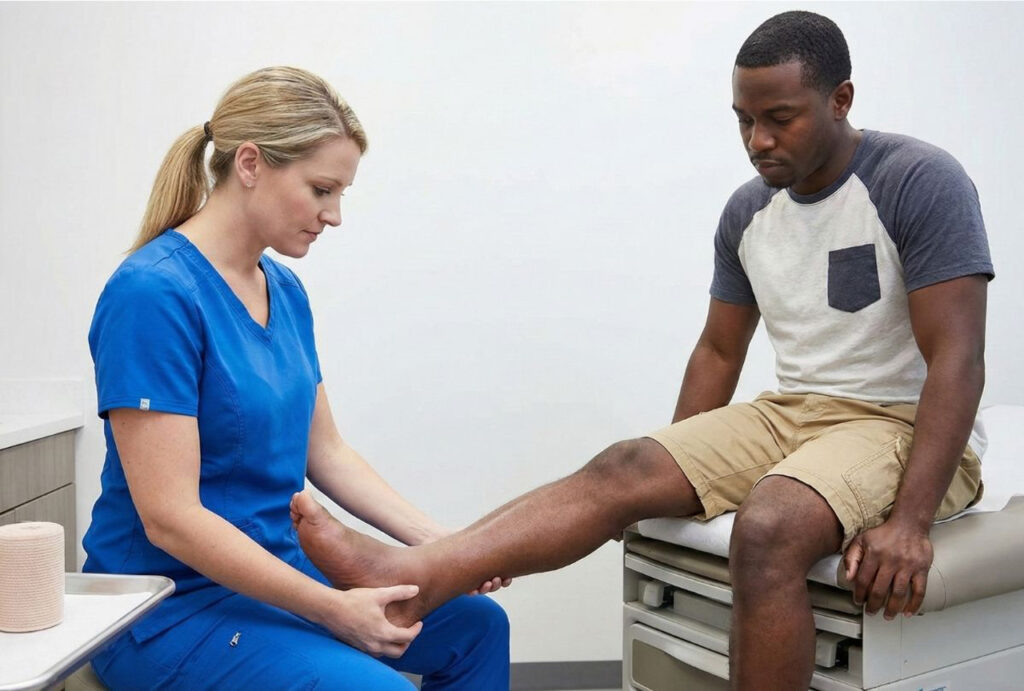
A medical assistant in scrubs supports a patient's leg during a DPM foot and ankle injury assessment in a clinic setting.

Common Conditions Best Treated by a DPM

Certain foot and ankle problems are best handled by a specialist from the very beginning.

Persistent Foot and Ankle Pain

Pain that lasts more than a few days—or keeps coming back—is rarely random. It often points to issues like tendon inflammation, nerve compression, stress fractures, or poor biomechanics. A DPM uses imaging, physical exams, and gait analysis to uncover the true cause.

Rather than relying solely on pain medication, podiatrists create treatment plans that address the underlying problem, leading to lasting relief.

Ingrown Toenails and Nail Disorders

Ingrown toenails are more than a minor annoyance. When left untreated, they can become infected, swollen, and extremely painful—especially for people with diabetes or circulation issues.

A DPM can permanently resolve recurring ingrown toenails with a simple in-office procedure, reducing the risk of infection and eliminating repeat problems.

Heel Pain and Plantar Fasciitis

Heel pain is one of the most common reasons people visit a podiatrist. Plantar fasciitis, Achilles tendinitis, and heel spurs often require more than rest and ice.

DPMs treat heel pain by addressing contributing factors like tight muscles, improper footwear, and poor arch support—often using custom orthotics and targeted therapies.

Bunions, Hammertoes, and Structural Problems

Structural deformities tend to worsen over time. Bunions can shift toe alignment, hammertoes can cause painful pressure points, and untreated deformities can limit mobility.

A podiatrist evaluates progression, lifestyle needs, and comfort goals to determine whether conservative care or surgical correction is the best option.

Diabetes and Foot Care: Why a DPM Is Essential

For people with diabetes, foot care is a critical part of overall health management.

Diabetic Foot Exams and Prevention

Diabetes can reduce sensation and blood flow in the feet, making injuries harder to detect and slower to heal. Regular podiatric exams help identify early signs of skin breakdown, infection, or circulation problems before they become serious.

Preventing Infections and Amputations

Many diabetes-related amputations are preventable with early podiatric intervention. DPMs focus on wound care, pressure reduction, footwear guidance, and patient education to protect mobility and independence.

Sports Injuries: When to Skip Primary Care

Active individuals place unique demands on their feet and ankles, making specialized care especially valuable.

Sprains, Stress Fractures, and Tendon Injuries

A DPM understands sports biomechanics and recovery timelines. This expertise ensures injuries heal properly—not just quickly—reducing the risk of re-injury and long-term damage.

Skin and Nail Conditions You Shouldn’t Ignore

Foot skin and nail problems often signal deeper issues.

Corns, Calluses, and Warts

These conditions usually result from abnormal pressure or friction. A podiatrist treats both the visible issue and the underlying mechanical cause, preventing recurrence and discomfort.

Fungal Infections and Toenail Fungus

Toenail fungus is stubborn and contagious. DPMs provide prescription-strength treatments that are far more effective than over-the-counter options and help prevent spreading.

When Your Primary Care Doctor Will Refer You to a DPM

Many patients arrive at a podiatrist after weeks or months of unresolved symptoms.

Red Flags That Require Specialized Treatment

Chronic pain, non-healing wounds, recurring infections, numbness, or structural deformities are clear signs that podiatric expertise is needed.

Vital Podiatry Foot and Ankle Specialist in Harvest Bend

Choosing the right podiatrist matters just as much as choosing the right time to seek care.

Expert Foot and Ankle Care Close to Home

Vital Podiatry Foot and Ankle Specialist proudly serves the Harvest Bend community with comprehensive, patient-centered foot and ankle care. From routine concerns to complex conditions, their approach focuses on restoring comfort, mobility, and confidence—so patients can stay active and pain-free.

Benefits of Seeing a DPM First

Sometimes the most direct route leads to the best outcome.

Faster Diagnosis and Targeted Treatment

Seeing a DPM first often means fewer appointments, faster diagnosis, and treatment plans designed specifically for foot and ankle health—saving time, money, and frustration.

When Primary Care Is Still the Right First Step

Primary care doctors remain an important part of the healthcare system.

Coordinated Care Between Providers

Primary care doctors and podiatrists often work together, especially for patients with chronic or systemic conditions, ensuring comprehensive and coordinated care.

How to Know It’s Time to Book a DPM Appointment

Your body sends signals—listening to them matters.

Questions to Ask Yourself

If foot pain limits your daily activities, affects your balance, or keeps returning despite rest and home care, it’s time to see a podiatrist.

Vital Podiatry Foot and Ankle Specialist Serving the Harvest Bend Community and Beyond in Houston

Vital Podiatry Foot and Ankle Specialist is dedicated to serving the diverse needs of the local community of Houston, including individuals residing in neighborhoods like Harvest Bend. With its convenient location near landmarks such as the Old Winfern High School and major intersections like Bobcat Rd and Windfern Rd (coordinates: 29.9343,-95.57056), we offer DPM services.

Get DPM Services at Harvest Bend Now

CALL US NOW!

(281) 937-4546

Navigate from Harvest Bend to Vital Podiatry Foot and Ankle Specialist Now

Conclusion

Your feet carry you through every stage of life. While primary care doctors play a crucial role in overall health, foot and ankle problems deserve specialized expertise. Seeing a Doctor of Podiatric Medicine early can prevent complications, shorten recovery time, and protect long-term mobility.

For residents of Harvest Bend, Vital Podiatry Foot and Ankle Specialist offers trusted, expert care to help you move comfortably, confidently, and without pain.

FAQs

1. Do I need a referral to see a podiatrist?
Many insurance plans allow direct access without a referral.

2. Can a podiatrist perform surgery?
Yes. Podiatrists are fully trained foot and ankle surgeons.

3. How often should diabetics see a podiatrist?
At least once a year, or more often if complications exist.

4. Are foot problems ever too minor for a specialist?
No. Early treatment prevents small issues from becoming serious.

5. Can a podiatrist help with balance and walking problems?
Yes. Gait analysis and corrective treatments are central to podiatric care.

TAKE YOUR FIRST STEP

OR CALL US

(281) 937-4546

Related Post


Foot and ankle issues often begin quietly. A dull ache after work. A sharp pain when you step out of bed. A toenail that keeps getting irritated no matter what you do. At first, these problems seem manageable—or easy to ignore. But over time, they can affect how you walk, how long you can stand, and even how confident you feel moving through daily life.

When pain or discomfort sets in, most people instinctively book an appointment with their primary care doctor. While that’s a smart move for many health concerns, foot and ankle problems often require a more specialized approach. That’s where a Doctor of Podiatric Medicine (DPM) comes in.

Knowing when to see a DPM instead of your primary care doctor can mean faster relief, fewer complications, and better long-term outcomes—especially if you live in Harvest Bend and want expert care close to home.

A DPM explains the benefits of custom orthotic insoles to a patient during a foot biomechanics consultation in the clinic.

Understanding the Difference Between a DPM and a Primary Care Doctor

Not all medical training is the same, and not all doctors are meant to treat the same types of problems. Understanding the difference between these two roles helps you make better decisions about your care.

What Is a Doctor of Podiatric Medicine (DPM)?

A Doctor of Podiatric Medicine (DPM) is a licensed medical specialist whose entire education and clinical training focuses on the foot, ankle, and lower leg. After completing podiatric medical school, DPMs undergo years of hospital-based residency training where they treat real patients with complex foot and ankle conditions—often including surgery.

What makes DPMs unique is their deep understanding of biomechanics. They don’t just look at where it hurts; they analyze how you walk, how your weight is distributed, and how your joints and muscles work together. A slight imbalance in the foot can affect the knees, hips, and spine—something podiatrists are trained to recognize immediately.

Think of a DPM as a structural engineer for your body’s foundation. When the base is stable, everything above it functions better.

What Does a Primary Care Doctor Treat?

Primary care doctors are medical generalists. They manage overall health, preventive care, chronic diseases, infections, and common illnesses. They are often the first point of contact in the healthcare system and play a vital role in coordinating care.

However, primary care doctors are not specialists in foot and ankle anatomy. When a condition becomes persistent, complex, or structural, they often refer patients to a DPM for advanced diagnosis and treatment. This referral process is helpful—but sometimes seeing a podiatrist first can save weeks or even months of discomfort.

Why Foot and Ankle Health Deserves Specialized Care

Feet are often taken for granted—until something goes wrong. But they are one of the most complex and heavily used parts of the body.

Your Feet: The Foundation of Your Body

Each foot contains 26 bones, 33 joints, and more than 100 muscles, tendons, and ligaments. Together, they support your body weight, absorb shock, and adapt to uneven surfaces. Over a lifetime, your feet can travel the equivalent of several trips around the Earth.

Because they’re so resilient, people assume they’ll “just heal on their own.” But without proper care, small issues can turn into chronic problems.

How Foot Issues Affect Overall Health

Foot pain changes how you move. You may unconsciously shift your weight, shorten your stride, or avoid certain movements. Over time, these compensations can strain your knees, hips, and lower back. What began as foot pain can eventually become full-body discomfort.

This is why podiatric care isn’t just about the feet—it’s about protecting your entire musculoskeletal system.

Common Conditions Best Treated by a DPM

Certain foot and ankle problems are best handled by a specialist from the very beginning.

Persistent Foot and Ankle Pain

Pain that lasts more than a few days—or keeps coming back—is rarely random. It often points to issues like tendon inflammation, nerve compression, stress fractures, or poor biomechanics. A DPM uses imaging, physical exams, and gait analysis to uncover the true cause.

Rather than relying solely on pain medication, podiatrists create treatment plans that address the underlying problem, leading to lasting relief.

Ingrown Toenails and Nail Disorders

Ingrown toenails are more than a minor annoyance. When left untreated, they can become infected, swollen, and extremely painful—especially for people with diabetes or circulation issues.

A DPM can permanently resolve recurring ingrown toenails with a simple in-office procedure, reducing the risk of infection and eliminating repeat problems.

Heel Pain and Plantar Fasciitis

Heel pain is one of the most common reasons people visit a podiatrist. Plantar fasciitis, Achilles tendinitis, and heel spurs often require more than rest and ice.

DPMs treat heel pain by addressing contributing factors like tight muscles, improper footwear, and poor arch support—often using custom orthotics and targeted therapies.

Bunions, Hammertoes, and Structural Problems

Structural deformities tend to worsen over time. Bunions can shift toe alignment, hammertoes can cause painful pressure points, and untreated deformities can limit mobility.

A podiatrist evaluates progression, lifestyle needs, and comfort goals to determine whether conservative care or surgical correction is the best option.

Diabetes and Foot Care: Why a DPM Is Essential

For people with diabetes, foot care is a critical part of overall health management.

Diabetic Foot Exams and Prevention

Diabetes can reduce sensation and blood flow in the feet, making injuries harder to detect and slower to heal. Regular podiatric exams help identify early signs of skin breakdown, infection, or circulation problems before they become serious.

Preventing Infections and Amputations

Many diabetes-related amputations are preventable with early podiatric intervention. DPMs focus on wound care, pressure reduction, footwear guidance, and patient education to protect mobility and independence.

Sports Injuries: When to Skip Primary Care

Active individuals place unique demands on their feet and ankles, making specialized care especially valuable.

Sprains, Stress Fractures, and Tendon Injuries

A DPM understands sports biomechanics and recovery timelines. This expertise ensures injuries heal properly—not just quickly—reducing the risk of re-injury and long-term damage.

Skin and Nail Conditions You Shouldn’t Ignore

Foot skin and nail problems often signal deeper issues.

Corns, Calluses, and Warts

These conditions usually result from abnormal pressure or friction. A podiatrist treats both the visible issue and the underlying mechanical cause, preventing recurrence and discomfort.

Fungal Infections and Toenail Fungus

Toenail fungus is stubborn and contagious. DPMs provide prescription-strength treatments that are far more effective than over-the-counter options and help prevent spreading.

When Your Primary Care Doctor Will Refer You to a DPM

Many patients arrive at a podiatrist after weeks or months of unresolved symptoms.

Red Flags That Require Specialized Treatment

Chronic pain, non-healing wounds, recurring infections, numbness, or structural deformities are clear signs that podiatric expertise is needed.

Vital Podiatry Foot and Ankle Specialist in Harvest Bend

Choosing the right podiatrist matters just as much as choosing the right time to seek care.

Expert Foot and Ankle Care Close to Home

Vital Podiatry Foot and Ankle Specialist proudly serves the Harvest Bend community with comprehensive, patient-centered foot and ankle care. From routine concerns to complex conditions, their approach focuses on restoring comfort, mobility, and confidence—so patients can stay active and pain-free.

Benefits of Seeing a DPM First

Sometimes the most direct route leads to the best outcome.

Faster Diagnosis and Targeted Treatment

Seeing a DPM first often means fewer appointments, faster diagnosis, and treatment plans designed specifically for foot and ankle health—saving time, money, and frustration.

When Primary Care Is Still the Right First Step

Primary care doctors remain an important part of the healthcare system.

Coordinated Care Between Providers

Primary care doctors and podiatrists often work together, especially for patients with chronic or systemic conditions, ensuring comprehensive and coordinated care.

How to Know It’s Time to Book a DPM Appointment

Your body sends signals—listening to them matters.

Questions to Ask Yourself

If foot pain limits your daily activities, affects your balance, or keeps returning despite rest and home care, it’s time to see a podiatrist.

Vital Podiatry Foot and Ankle Specialist Serving the Harvest Bend Community and Beyond in Houston

Vital Podiatry Foot and Ankle Specialist is dedicated to serving the diverse needs of the local community of Houston, including individuals residing in neighborhoods like Harvest Bend. With its convenient location near landmarks such as the Old Winfern High School and major intersections like Bobcat Rd and Windfern Rd (coordinates: 29.9343,-95.57056), we offer DPM services.

Get DPM Services at Harvest Bend Now

When Should You See a DPM Instead of Your Primary Care Doctor?

Foot and ankle issues often begin quietly. A dull ache after work. A sharp pain when you step out of bed. A toenail that keeps getting irritated no matter what you do. At first, these problems seem manageable—or easy to ignore. But over time, they can affect how you walk, how long you can stand, and even how confident you feel moving through daily life.

When pain or discomfort sets in, most people instinctively book an appointment with their primary care doctor. While that’s a smart move for many health concerns, foot and ankle problems often require a more specialized approach. That’s where a Doctor of Podiatric Medicine (DPM) comes in.

Knowing when to see a DPM instead of your primary care doctor can mean faster relief, fewer complications, and better long-term outcomes—especially if you live in Harvest Bend and want expert care close to home.

Understanding the Difference Between a DPM and a Primary Care Doctor

Not all medical training is the same, and not all doctors are meant to treat the same types of problems. Understanding the difference between these two roles helps you make better decisions about your care.

What Is a Doctor of Podiatric Medicine (DPM)?

A Doctor of Podiatric Medicine (DPM) is a licensed medical specialist whose entire education and clinical training focuses on the foot, ankle, and lower leg. After completing podiatric medical school, DPMs undergo years of hospital-based residency training where they treat real patients with complex foot and ankle conditions—often including surgery.

What makes DPMs unique is their deep understanding of biomechanics. They don’t just look at where it hurts; they analyze how you walk, how your weight is distributed, and how your joints and muscles work together. A slight imbalance in the foot can affect the knees, hips, and spine—something podiatrists are trained to recognize immediately.

Think of a DPM as a structural engineer for your body’s foundation. When the base is stable, everything above it functions better.

What Does a Primary Care Doctor Treat?

Primary care doctors are medical generalists. They manage overall health, preventive care, chronic diseases, infections, and common illnesses. They are often the first point of contact in the healthcare system and play a vital role in coordinating care.

However, primary care doctors are not specialists in foot and ankle anatomy. When a condition becomes persistent, complex, or structural, they often refer patients to a DPM for advanced diagnosis and treatment. This referral process is helpful—but sometimes seeing a podiatrist first can save weeks or even months of discomfort.

Why Foot and Ankle Health Deserves Specialized Care

Feet are often taken for granted—until something goes wrong. But they are one of the most complex and heavily used parts of the body.

Your Feet: The Foundation of Your Body

Each foot contains 26 bones, 33 joints, and more than 100 muscles, tendons, and ligaments. Together, they support your body weight, absorb shock, and adapt to uneven surfaces. Over a lifetime, your feet can travel the equivalent of several trips around the Earth.

Because they’re so resilient, people assume they’ll “just heal on their own.” But without proper care, small issues can turn into chronic problems.

How Foot Issues Affect Overall Health

Foot pain changes how you move. You may unconsciously shift your weight, shorten your stride, or avoid certain movements. Over time, these compensations can strain your knees, hips, and lower back. What began as foot pain can eventually become full-body discomfort.

This is why podiatric care isn’t just about the feet—it’s about protecting your entire musculoskeletal system.

A medical assistant in scrubs supports a patient's leg during a DPM foot and ankle injury assessment in a clinic setting.

Common Conditions Best Treated by a DPM

Certain foot and ankle problems are best handled by a specialist from the very beginning.

Persistent Foot and Ankle Pain

Pain that lasts more than a few days—or keeps coming back—is rarely random. It often points to issues like tendon inflammation, nerve compression, stress fractures, or poor biomechanics. A DPM uses imaging, physical exams, and gait analysis to uncover the true cause.

Rather than relying solely on pain medication, podiatrists create treatment plans that address the underlying problem, leading to lasting relief.

Ingrown Toenails and Nail Disorders

Ingrown toenails are more than a minor annoyance. When left untreated, they can become infected, swollen, and extremely painful—especially for people with diabetes or circulation issues.

A DPM can permanently resolve recurring ingrown toenails with a simple in-office procedure, reducing the risk of infection and eliminating repeat problems.

Heel Pain and Plantar Fasciitis

Heel pain is one of the most common reasons people visit a podiatrist. Plantar fasciitis, Achilles tendinitis, and heel spurs often require more than rest and ice.

DPMs treat heel pain by addressing contributing factors like tight muscles, improper footwear, and poor arch support—often using custom orthotics and targeted therapies.

Bunions, Hammertoes, and Structural Problems

Structural deformities tend to worsen over time. Bunions can shift toe alignment, hammertoes can cause painful pressure points, and untreated deformities can limit mobility.

A podiatrist evaluates progression, lifestyle needs, and comfort goals to determine whether conservative care or surgical correction is the best option.

Diabetes and Foot Care: Why a DPM Is Essential

For people with diabetes, foot care is a critical part of overall health management.

Diabetic Foot Exams and Prevention

Diabetes can reduce sensation and blood flow in the feet, making injuries harder to detect and slower to heal. Regular podiatric exams help identify early signs of skin breakdown, infection, or circulation problems before they become serious.

Preventing Infections and Amputations

Many diabetes-related amputations are preventable with early podiatric intervention. DPMs focus on wound care, pressure reduction, footwear guidance, and patient education to protect mobility and independence.

Sports Injuries: When to Skip Primary Care

Active individuals place unique demands on their feet and ankles, making specialized care especially valuable.

Sprains, Stress Fractures, and Tendon Injuries

A DPM understands sports biomechanics and recovery timelines. This expertise ensures injuries heal properly—not just quickly—reducing the risk of re-injury and long-term damage.

Skin and Nail Conditions You Shouldn’t Ignore

Foot skin and nail problems often signal deeper issues.

Corns, Calluses, and Warts

These conditions usually result from abnormal pressure or friction. A podiatrist treats both the visible issue and the underlying mechanical cause, preventing recurrence and discomfort.

Fungal Infections and Toenail Fungus

Toenail fungus is stubborn and contagious. DPMs provide prescription-strength treatments that are far more effective than over-the-counter options and help prevent spreading.

When Your Primary Care Doctor Will Refer You to a DPM

Many patients arrive at a podiatrist after weeks or months of unresolved symptoms.

Red Flags That Require Specialized Treatment

Chronic pain, non-healing wounds, recurring infections, numbness, or structural deformities are clear signs that podiatric expertise is needed.

Vital Podiatry Foot and Ankle Specialist in Harvest Bend

Choosing the right podiatrist matters just as much as choosing the right time to seek care.

Expert Foot and Ankle Care Close to Home

Vital Podiatry Foot and Ankle Specialist proudly serves the Harvest Bend community with comprehensive, patient-centered foot and ankle care. From routine concerns to complex conditions, their approach focuses on restoring comfort, mobility, and confidence—so patients can stay active and pain-free.

Benefits of Seeing a DPM First

Sometimes the most direct route leads to the best outcome.

Faster Diagnosis and Targeted Treatment

Seeing a DPM first often means fewer appointments, faster diagnosis, and treatment plans designed specifically for foot and ankle health—saving time, money, and frustration.

When Primary Care Is Still the Right First Step

Primary care doctors remain an important part of the healthcare system.

Coordinated Care Between Providers

Primary care doctors and podiatrists often work together, especially for patients with chronic or systemic conditions, ensuring comprehensive and coordinated care.

How to Know It’s Time to Book a DPM Appointment

Your body sends signals—listening to them matters.

Questions to Ask Yourself

If foot pain limits your daily activities, affects your balance, or keeps returning despite rest and home care, it’s time to see a podiatrist.

Vital Podiatry Foot and Ankle Specialist Serving the Harvest Bend Community and Beyond in Houston

Vital Podiatry Foot and Ankle Specialist is dedicated to serving the diverse needs of the local community of Houston, including individuals residing in neighborhoods like Harvest Bend. With its convenient location near landmarks such as the Old Winfern High School and major intersections like Bobcat Rd and Windfern Rd (coordinates: 29.9343,-95.57056), we offer DPM services.

Get DPM Services at Harvest Bend Now

CALL US NOW!

(281) 937-4546

Navigate from Harvest Bend to Vital Podiatry Foot and Ankle Specialist Now

Conclusion

Your feet carry you through every stage of life. While primary care doctors play a crucial role in overall health, foot and ankle problems deserve specialized expertise. Seeing a Doctor of Podiatric Medicine early can prevent complications, shorten recovery time, and protect long-term mobility.

For residents of Harvest Bend, Vital Podiatry Foot and Ankle Specialist offers trusted, expert care to help you move comfortably, confidently, and without pain.

FAQs

1. Do I need a referral to see a podiatrist?
Many insurance plans allow direct access without a referral.

2. Can a podiatrist perform surgery?
Yes. Podiatrists are fully trained foot and ankle surgeons.

3. How often should diabetics see a podiatrist?
At least once a year, or more often if complications exist.

4. Are foot problems ever too minor for a specialist?
No. Early treatment prevents small issues from becoming serious.

5. Can a podiatrist help with balance and walking problems?
Yes. Gait analysis and corrective treatments are central to podiatric care.