Toe pain feels tiny on the outside but huge when you try to walk. One second you’re going about your day, the next you’re limping, avoiding shoes, or Googling whether you broke something. Here’s the ultimate guide explaining when toe pain is a simple annoyance and when it’s a real warning sign your body wants you to notice.
Let’s dig in, our feet will thank you for it.
What Counts as Normal Toe Pain vs. Concerning Pain?
Toe pain comes in many forms, some harmless, others signaling a deeper problem. A key difference lies in duration, severity, and whether daily activities become difficult.
Pain that fades with rest or shoe changes usually points to something simple. Pain that intensifies or lingers beyond a few days deserves attention.
Below is a clearer comparison:
| Normal Toe Pain | Concerning Toe Pain |
| Mild soreness after long walks | Sharp pain right after an injury |
| Redness or pressure from tight shoes | Sudden swelling and bruising |
| Temporary stiffness in cold weather or mornings | Pain interrupts sleep |
| Heals within 1–3 days | Gets worse daily |
| Happens only after activity | Occurs even when resting |
| No visible deformity | Toe looks bent, crooked, or discolored |
If you’ve reached the point of thinking, “This should’ve healed by now…”, that’s your sign to take action.
Ignoring problematic toe pain can lead to deformity, chronic inflammation, or mobility issues. Catching the cause early keeps treatments simple.
Pain Type: A Big Clue to What’s Wrong
Why Pain Quality Helps Diagnose the Issue
Doctors ask specific questions because how your pain feels reveals the root cause. Nerve issues feel different from infections. Joint problems don’t feel like injuries. Being aware of the type helps you decide if you need a specialist.
Below are the most common pain sensations and what they usually mean:
Sharp or Stabbing Pain
Sharp toe pain feels like stepping on a tiny knife. One wrong move and it shoots through the toe. This pain often shows up suddenly, especially after:
✅ Stubbing your toe
✅ Dropping something on your foot
✅ Sports injuries
✅ Missteps that twist the toe unnaturally
Possible Medical Causes
- Toe Fracture: Even a small crack can trigger big pain. You may see swelling, bruising, or difficulty putting weight on the foot.
- Ligament or Tendon Sprain: These soft tissues tear during sudden forceful movements.
- Joint Capsular Injury: Overstretching the joint capsule causes intense pain on movement.
Why you shouldn’t ignore it:
Fractures that heal incorrectly can lead to lifelong toe deformity or arthritis. Getting an X-ray early ensures correct alignment.
Burning or Tingling
This pain feels like the nerves in your toe are angry, pins and needles, zapping, electrical sensations, or heat-like discomfort.
Common Triggers
- Tight shoes compressing nerves
- Standing on hard floors for hours
- High heels changing foot pressure
Underlying Causes
- Neuropathy: Nerve damage often tied to diabetes or poor circulation. Numbness may follow burning sensations.
- Nerve Entrapment: A nerve gets pinched between bones or tight tissues.
- Tarsal Tunnel or Spinal Issues: A nerve higher up can send symptoms into the toes.
Why this matters:
When nerves suffer for too long, damage becomes permanent. Early treatment protects your balance and mobility.
Throbbing, Hot Pain
If your toe feels like it has its own heartbeat, pulsing, hot, and tender, inflammation or infection is likely.
Possible Serious Conditions
- Ingrown Toenail Infection: Skin becomes swollen, red, warm, and may leak pus.
- Gout: Crystals build up in a joint, usually the big toe, extreme pain that flares at night.
- Septic Arthritis or Cellulitis: Bacterial infection spreading through tissues or joint, medical urgency.
Red Flags Requiring Immediate Help
- Fever with toe pain
- Red streaks moving up the foot
- Rapidly worsening swelling or heat
This type of pain rarely improves without medical care. Waiting can risk spreading infection.
Stiffness and Aching
A slow, dull ache that limits toe movement usually points to chronic structural issues. This pain builds gradually rather than appearing suddenly.
Likely Causes
- Arthritis: Wear-and-tear or autoimmune variety, joints lose cushioning and flexibility.
- Bunions: Big toe shifts inward, forcing the joint outward and creating constant irritation.
- Hammertoes: The toe bends abnormally, causing pressure and pain in shoes.
- Overuse or Flat Feet: Poor alignment alters walking motion and strains toes.
Why delays aren’t smart:
Structural issues tend to get worse as bones shift over time.
Orthotic support, early intervention, and footwear changes protect the joints and prevent deformity.

Top Toe Pain Causes You Should Know About
Toe pain doesn’t come from just one issue. Here’s a breakdown of the most common culprits:
Injury and Fractures
You might fracture a toe without noticing at first. Look for:
- Rapid swelling
- Bruising
- Pain when pushing off the ground
- “Crooked” look or misalignment
A broken toe that heals wrong can cause lifelong foot problems.
Ingrown Toenails
The nail curves into the skin, causing:
- Intense pressure and tenderness
- Swelling and redness
- Pus if it becomes infected
Avoid digging at it, this often makes things worse.
Bunions and Hammertoes
Structural problems that change how toes align:
- Constant rubbing inside shoes
- Pain with every step
- Visible deformity over time
These don’t magically fix themselves.
Gout
A sudden, brutal pain attack often at night:
- Big toe joint feels like it’s “on fire”
- Even blankets touching the toe hurts
- Red, shiny, swollen joint
One of the most painful toe conditions.
Nerve Pain or Neuropathy
Signs include:
- Tingling
- Burning
- Numbness
Nerves don’t heal well if ignored, act early.
Athlete’s Foot and Fungal Nails
Not always painful, but:
- Itching and cracking skin
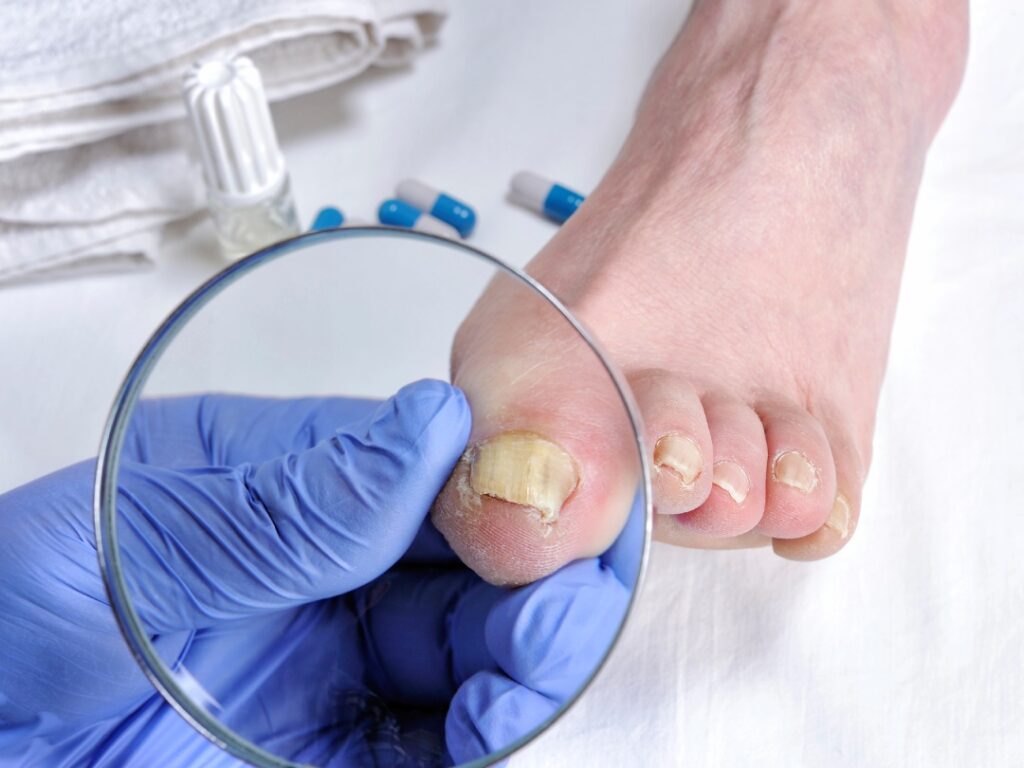
- Thickened yellow nails
- Can lead to infection if untreated
Circulation Problems
Serious if you notice:
- Purple, pale, or cold toes
- Slow-healing cuts
- Numbness or cramping
Poor circulation is a medical urgency.

Red Flags: When Toe Pain Means “Get Help ASAP”
These signs mean something serious could be happening:
- Sudden big swelling and bruising
- You can’t move the toe or walk normally
- Toe looks twisted or visibly out of place
- Redness streaking up the foot
- Fever with foot pain
- Pus, foul smell, or open wound
- Numbness or loss of sensation
- Color changes: blue, purple, or white
If any of these apply to you, do not wait for improvement. This isn’t the time to “tough it out.”
Toe Pain + Diabetes = Extra Care Needed
If you have diabetes, even a blister or tiny cut can become an emergency fast. Poor healing and nerve damage increase risks of:
- Infection spreading to bone
- Ulcers forming
- Amputation in severe cases
Daily foot checks are a must.
If something looks off? Call a professional the same day.
Who Should You See for Toe Pain?
Here’s a simple guide:
| Problem | Best Option |
| Toe injuries, fractures, ingrown toenails, deformities | ✅ Podiatrist |
| General pain without obvious cause | Primary doctor or podiatrist |
| Severe deformity or major bone involvement | Orthopedic surgeon |
| Sudden emergency symptoms | Urgent care or hospital |
A podiatrist is the foot and ankle expert and usually your smartest first stop.
What Happens During a Toe Pain Appointment?
Relax, appointments are straightforward.
The evaluation usually includes:
- Questions about your symptoms
- Checking toe alignment, skin, and strength
- Sensation and circulation testing
- Walking and balance assessment
- Possible X-rays or lab work
Diagnosis = targeted treatment = faster relief.
Treatment Options: What Actually Helps
Don’t worry, surgery isn’t always the fix. Plenty of options exist depending on what’s going on.
Conservative Treatments
- Rest and reduced activity
- Ice 10–15 mins at a time
- Wider shoes with soft insoles
- Toe spacers for crowding
- Over-the-counter meds (as advised)
Medical or Specialist Interventions
- Antibiotics for infections
- Steroid injections for arthritis or gout pain
- Nail procedures for ingrown toenails
- Physical therapy for alignment and strength
Surgery (When Needed)
Used for:
- Fractures that shifted
- Bunions and hammertoes
- Chronic ingrown nails that grow incorrectly
Most foot surgeries heal in weeks, not months when treated early.
Easy Things You Can Do Right Now for Relief
✔ Take pressure off the toe
✔ Switch to supportive, roomy shoes
✔ Use soft padding if rubbing happens
✔ Elevate your foot to reduce swelling
✔ Gently stretch your toes and calves
✔ Keep feet clean and dry (infection prevention!)
If things don’t improve, don’t push through the pain, your body is warning you something isn’t right.
How to Prevent Toe Pain Long-Term
Protecting your toes means adjusting small habits:
- Trim nails straight across
- Avoid narrow, pointed shoes
- Replace worn-out footwear regularly
- Maintain a healthy weight to reduce foot stress
- Wear moisture-wicking socks
- Strengthen foot muscles weekly
Your toes support your entire body, show them some love.
Vital Podiatry Cypress Foot and Ankle Specialist – Toe Pain Experts in Cypress Falls Estates
If you’re in Cypress Falls Estates and toe pain is slowing life down, Vital Podiatry Cypress Foot and Ankle Specialist is your go-to clinic. They help:
- Bunions & hammertoes
- Ingrown toenails
- Sports injuries & fractures
- Neuropathy & diabetic foot issues
- Gout & arthritis
- Chronic toe pain with an unknown cause
They combine expert diagnostics, modern treatment, and personalized care, all focused on getting you back to walking comfortably and confidently.
Because a painless step is a better step.
Vital Podiatry Cypress Foot and Ankle Specialist Serving the Cypress Falls Estates Community and Beyond in Cypress
Vital Podiatry Cypress Foot and Ankle Specialist is dedicated to serving the diverse needs of the local community of Cypress, including individuals residing in neighborhoods like Cypress Falls Estates. With its convenient location near landmarks such as the Cypress Falls High School and major intersections like Tuckerton Dr. & Huffmeister Rd. (coordinates: 29.916876383940807, -95.62916320000001), we offer podiatrist ingrown toenail Cypress services.
Get Podiatrist Ingrown Toenail Services at Cypress Falls Estates Now
CALL US NOW!
(281) 937-4546
Navigate from Cypress Falls Estates to Vital Podiatry Cypress Foot and Ankle Specialist Now
Take Control of Toe Pain Before It Controls You
Toe pain may start small, but ignoring it can turn a quick fix into a big problem. If you notice intense pain, swelling, infection signs, difficulty walking, or you have diabetes, reach out for help fast.
The earlier you act, the easier it is to get back on your feet without fear of every step.
You deserve comfort, not pain with every movement.
FAQs
Q1 How long should I wait before seeing a doctor for toe pain?
If pain isn’t improving after 2–3 days of rest and simple care, get checked out.
Q2 How do I know if my toe is broken?
Big swelling, dark bruising, and pain when walking often mean fracture. X-ray confirms it.
Q3 Can I treat an ingrown toenail at home?
Minor ones, yes. If there’s pus, major swelling, or you have diabetes, see a podiatrist immediately.
Q4 Why does my toe hurt more at night?
Inflammation peaks when resting. Conditions like gout and infections commonly worsen overnight.
Q5 Is toe pain linked to back or leg problems?
Yes, nerve issues higher up can trigger toe pain. A specialist can trace the real source.