Why You Shouldn’t Ignore Your Bunion: A Houston Doctor’s Insight

November 11, 2024

If you’ve ever experienced discomfort at the base of your big toe, you might be dealing with a bunion. While it might seem like just a minor foot issue, bunions can lead to significant pain and complications if left untreated. In this article, we’ll explore everything you need to know about bunions, why you shouldn’t ignore them, and how Vital Podiatry Foot and Ankle Specialist in Houston can help you find relief.

Understanding Bunions

What Exactly is a Bunion?

A bunion is a deformity that occurs at the joint of your big toe, leading to a noticeable bump on the side of your foot. Essentially, your big toe starts to lean toward the second toe, which can cause the joint to protrude outward. This misalignment not only affects the way you walk but can also lead to pain, inflammation, and difficulty finding comfortable shoes.

Causes of Bunions

So, what causes these pesky bumps? While genetics can play a significant role, other factors include:

  • Footwear Choices: Wearing tight or narrow shoes can contribute to bunion formation, especially if you’re often in heels or pointy-toed shoes.
  • Foot Structure: Certain foot shapes are more prone to developing bunions. Flat feet or overly flexible ligaments can increase the risk.
  • Arthritis: Conditions like rheumatoid arthritis can cause joint inflammation, leading to bunions.

Symptoms to Watch For

How do you know if you have a bunion? Symptoms can include:

  • A visible bump on the side of the foot
  • Pain or soreness around the big toe joint
  • Swelling or redness
  • Limited movement of the big toe

If you’re experiencing these symptoms, it’s crucial to address them sooner rather than later.

Why You Shouldn’t Ignore a Bunion

Potential Complications

Ignoring a bunion can lead to a host of complications. As the bunion progresses, you might experience increased pain that can radiate through the foot. This pain can affect your mobility, making simple tasks like walking or standing a challenge. Furthermore, bunions can lead to the development of other foot problems, including hammertoes or metatarsalgia.

Impact on Quality of Life

Let’s face it: chronic foot pain can seriously impact your quality of life. It can affect your ability to work, engage in hobbies, or even enjoy social activities. When your feet hurt, you’re less likely to be active, which can lead to weight gain and additional health issues. So, don’t let a bunion hold you back—getting it treated can open the door to a more active and enjoyable lifestyle.

Seeking Help: When to Visit a Doctor

Signs That Indicate It’s Time for a Consultation

If you’re noticing persistent pain, swelling, or difficulty in walking, it’s time to see a bunion treatment doctor in Houston. You don’t have to wait until the pain becomes unbearable—early intervention can prevent further complications.

How Bunion Treatment Doctors in Houston Can Help

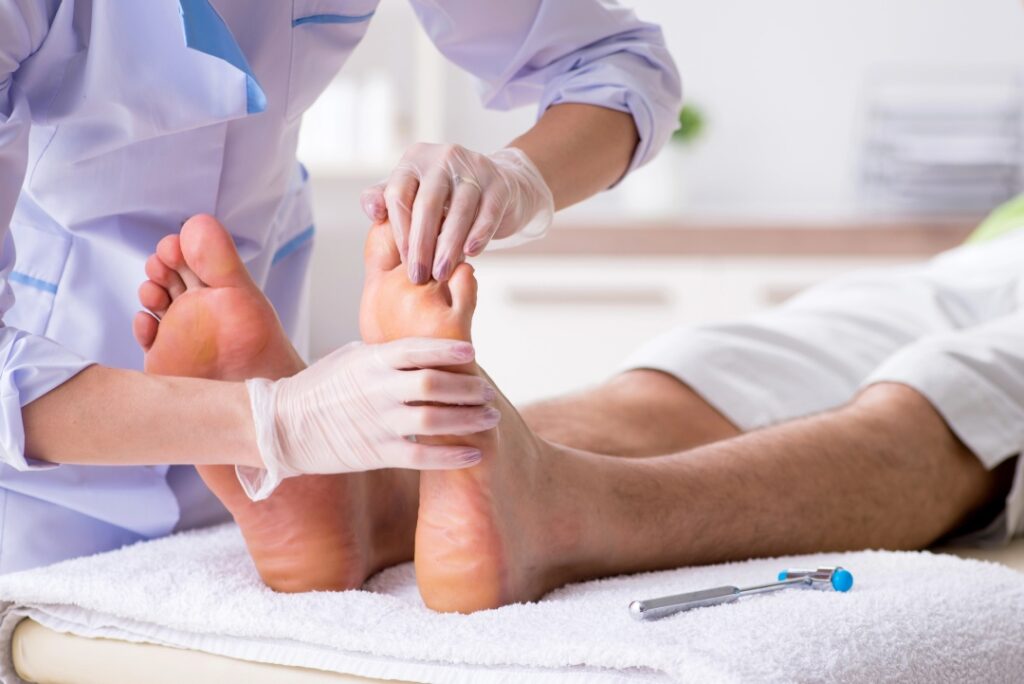
Visiting a qualified podiatrist is crucial for effective bunion treatment. At Vital Podiatry Foot and Ankle Specialist, our doctors are trained to evaluate your condition and provide a personalized treatment plan that fits your needs. They will assess your bunion, discuss your symptoms, and recommend the best course of action, whether that be non-surgical treatments or surgery.

Bunion Treatment Options

Non-Surgical Treatment Approaches

Before jumping into surgery, there are several non-invasive treatment options to consider:

Orthotics and Shoe Modifications

Custom orthotic devices can provide the necessary support and alignment to alleviate pressure on the bunion. Additionally, wearing shoes with a wider toe box can help reduce pain and discomfort.

Physical Therapy

Engaging in physical therapy can strengthen the muscles in your foot and improve flexibility, which may relieve some of the pressure on the bunion.

Medications

Over-the-counter pain relievers, like ibuprofen or acetaminophen, can help manage pain and inflammation associated with bunions. For persistent pain, your doctor might prescribe stronger medication

Surgical Options for Severe Cases

If conservative treatments fail to provide relief, surgery may be necessary. Here are the common surgical options:

Osteotomy

This procedure involves cutting and realigning the bones to correct the bunion’s position. It’s one of the most common surgical techniques and is often recommended for moderate to severe bunions.

Exostectomy

An exostectomy removes the bony bump but doesn’t address the alignment of the toe. This option is typically reserved for less severe cases.

Arthrodesis

Arthrodesis fuses the bones in the big toe joint to eliminate motion and pain. It’s usually recommended for patients with severe bunions and arthritis.

Recovery and Rehabilitation Post-Treatment

What to Expect After Bunion Surgery

If you undergo surgery, expect a recovery period that can last several weeks to months. You’ll likely experience some swelling and discomfort initially, but this should improve with time.

Tips for a Smooth Recovery

Here are some helpful tips to ensure a successful recovery:

  • Follow your doctor’s post-operative care instructions closely.
  • Use ice to reduce swelling.
  • Keep your foot elevated as much as possible.
  • Gradually reintroduce activities as advised by your doctor.

Importance of Choosing the Right Doctor

How to Find the Best Bunion Treatment Doctors in Houston

Finding the right doctor can make a world of difference in your treatment experience. Look for a podiatrist with extensive experience in bunion treatment, as well as positive reviews from past patients.

What to Look for in a Podiatrist

Consider the following when choosing your bunion treatment doctor:

  • Board certification and credentials
  • Experience specifically with bunion procedures
  • Availability of patient resources and support
  • The ability to provide personalized care and follow-up

Patient Experiences and Testimonials

Real Stories from Bunion Patients

Hearing from others who’ve been in your shoes can be incredibly reassuring. Many patients at Vital Podiatry Foot and Ankle Specialist have shared their success stories after undergoing treatment for bunions. For instance, Lisa, a 38-year-old teacher, recounts how bunion surgery allowed her to return to her active lifestyle without pain.

Common Concerns Addressed

Patients often have concerns regarding the recovery process, potential risks, and the likelihood of bunions returning after treatment. Addressing these concerns upfront can help ease anxiety and set realistic expectations.

Vital Podiatry: Your Trusted Foot and Ankle Specialist Serving Beltway 8 At Bammel Thirty-three and the Greater Houston Area

Vital Podiatry is committed to addressing the diverse foot and ankle health needs of the Houston community, including residents of Beltway 8 At Bammel Thirty-three. Our convenient location near landmarks such as Gulf Coast Brick & Stone, LLC and major intersections like Greens Bayou Basin Rd & Cutten Rd (coordinates: 29.941548054249203, -95.51201250912015) makes it easy for you to access our Bunion Treatment Doctors Houston services.

Comprehensive Bunion Treatment Doctors Houston Services Available Now in Beltway 8 At Bammel Thirty-three

Whether you’re dealing with pain, injuries, or other foot and ankle concerns, our team of experienced podiatrists offers dedicated Bunion Treatment Doctors Houston services tailored to your needs.

Contact Us Today

Don’t let foot or ankle issues hold you back! Call us now or navigate from Beltway 8 At Bammel Thirty-three to Vital Podiatry using the coordinates provided. We’re here to help you take the first step towards better foot health

Call us

Conclusion

Ignoring a bunion might seem like an easy choice, especially if the pain isn’t unbearable at the moment. However, the potential complications and impacts on your quality of life are significant reasons not to overlook this common foot issue. By seeking help from experienced bunion treatment doctors in Houston, like those at Vital Podiatry Foot and Ankle Specialist, you can find effective solutions that will help you live a pain-free life. Don’t wait—take the first step towards healthier feet today!

FAQs

What causes a bunion to develop?

Bunions develop due to a combination of genetic predisposition, inappropriate footwear, and foot structure issues. Wearing tight or ill-fitting shoes is a common contributing factor.

How long does bunion treatment take?

Non-surgical treatments can take weeks to months for relief, while surgical recovery typically ranges from a few weeks to several months, depending on the procedure and individual healing time.

Are there home remedies for bunions?

Home remedies such as warm foot baths, ice packs, and over-the-counter pain relievers can provide temporary relief, but they may not address the underlying issue.

Is surgery the only option for bunions?

No, surgery is typically considered a last resort. Many non-surgical options are available to manage pain and prevent further progression.

How can I prevent bunions from worsening?

To prevent worsening bunions, choose supportive shoes, use orthotics, maintain a healthy weight, and address any foot discomfort promptly.

TAKE YOUR FIRST STEP

OR CALL US

(281) 937-4546

Related Post


If you’ve ever experienced discomfort at the base of your big toe, you might be dealing with a bunion. While it might seem like just a minor foot issue, bunions can lead to significant pain and complications if left untreated. In this article, we’ll explore everything you need to know about bunions, why you shouldn’t ignore them, and how Vital Podiatry Foot and Ankle Specialist in Houston can help you find relief.

Understanding Bunions

What Exactly is a Bunion?

A bunion is a deformity that occurs at the joint of your big toe, leading to a noticeable bump on the side of your foot. Essentially, your big toe starts to lean toward the second toe, which can cause the joint to protrude outward. This misalignment not only affects the way you walk but can also lead to pain, inflammation, and difficulty finding comfortable shoes.

Causes of Bunions

So, what causes these pesky bumps? While genetics can play a significant role, other factors include:

  • Footwear Choices: Wearing tight or narrow shoes can contribute to bunion formation, especially if you’re often in heels or pointy-toed shoes.
  • Foot Structure: Certain foot shapes are more prone to developing bunions. Flat feet or overly flexible ligaments can increase the risk.
  • Arthritis: Conditions like rheumatoid arthritis can cause joint inflammation, leading to bunions.

Symptoms to Watch For

How do you know if you have a bunion? Symptoms can include:

  • A visible bump on the side of the foot
  • Pain or soreness around the big toe joint
  • Swelling or redness
  • Limited movement of the big toe

If you’re experiencing these symptoms, it’s crucial to address them sooner rather than later.

Why You Shouldn’t Ignore a Bunion

Potential Complications

Ignoring a bunion can lead to a host of complications. As the bunion progresses, you might experience increased pain that can radiate through the foot. This pain can affect your mobility, making simple tasks like walking or standing a challenge. Furthermore, bunions can lead to the development of other foot problems, including hammertoes or metatarsalgia.

Impact on Quality of Life

Let’s face it: chronic foot pain can seriously impact your quality of life. It can affect your ability to work, engage in hobbies, or even enjoy social activities. When your feet hurt, you’re less likely to be active, which can lead to weight gain and additional health issues. So, don’t let a bunion hold you back—getting it treated can open the door to a more active and enjoyable lifestyle.

Seeking Help: When to Visit a Doctor

Signs That Indicate It’s Time for a Consultation

If you’re noticing persistent pain, swelling, or difficulty in walking, it’s time to see a bunion treatment doctor in Houston. You don’t have to wait until the pain becomes unbearable—early intervention can prevent further complications.

How Bunion Treatment Doctors in Houston Can Help

Visiting a qualified podiatrist is crucial for effective bunion treatment. At Vital Podiatry Foot and Ankle Specialist, our doctors are trained to evaluate your condition and provide a personalized treatment plan that fits your needs. They will assess your bunion, discuss your symptoms, and recommend the best course of action, whether that be non-surgical treatments or surgery.

Bunion Treatment Options

Non-Surgical Treatment Approaches

Before jumping into surgery, there are several non-invasive treatment options to consider:

Orthotics and Shoe Modifications

Custom orthotic devices can provide the necessary support and alignment to alleviate pressure on the bunion. Additionally, wearing shoes with a wider toe box can help reduce pain and discomfort.

Physical Therapy

Engaging in physical therapy can strengthen the muscles in your foot and improve flexibility, which may relieve some of the pressure on the bunion.

Medications

Over-the-counter pain relievers, like ibuprofen or acetaminophen, can help manage pain and inflammation associated with bunions. For persistent pain, your doctor might prescribe stronger medication

Surgical Options for Severe Cases

If conservative treatments fail to provide relief, surgery may be necessary. Here are the common surgical options:

Osteotomy

This procedure involves cutting and realigning the bones to correct the bunion’s position. It’s one of the most common surgical techniques and is often recommended for moderate to severe bunions.

Exostectomy

An exostectomy removes the bony bump but doesn’t address the alignment of the toe. This option is typically reserved for less severe cases.

Arthrodesis

Arthrodesis fuses the bones in the big toe joint to eliminate motion and pain. It’s usually recommended for patients with severe bunions and arthritis.

Recovery and Rehabilitation Post-Treatment

What to Expect After Bunion Surgery

If you undergo surgery, expect a recovery period that can last several weeks to months. You’ll likely experience some swelling and discomfort initially, but this should improve with time.

Tips for a Smooth Recovery

Here are some helpful tips to ensure a successful recovery:

  • Follow your doctor’s post-operative care instructions closely.
  • Use ice to reduce swelling.
  • Keep your foot elevated as much as possible.
  • Gradually reintroduce activities as advised by your doctor.

Importance of Choosing the Right Doctor

How to Find the Best Bunion Treatment Doctors in Houston

Finding the right doctor can make a world of difference in your treatment experience. Look for a podiatrist with extensive experience in bunion treatment, as well as positive reviews from past patients.

What to Look for in a Podiatrist

Consider the following when choosing your bunion treatment doctor:

  • Board certification and credentials
  • Experience specifically with bunion procedures
  • Availability of patient resources and support
  • The ability to provide personalized care and follow-up

Patient Experiences and Testimonials

Real Stories from Bunion Patients

Hearing from others who’ve been in your shoes can be incredibly reassuring. Many patients at Vital Podiatry Foot and Ankle Specialist have shared their success stories after undergoing treatment for bunions. For instance, Lisa, a 38-year-old teacher, recounts how bunion surgery allowed her to return to her active lifestyle without pain.

Common Concerns Addressed

Patients often have concerns regarding the recovery process, potential risks, and the likelihood of bunions returning after treatment. Addressing these concerns upfront can help ease anxiety and set realistic expectations.

Vital Podiatry: Your Trusted Foot and Ankle Specialist Serving Beltway 8 At Bammel Thirty-three and the Greater Houston Area

Vital Podiatry is committed to addressing the diverse foot and ankle health needs of the Houston community, including residents of Beltway 8 At Bammel Thirty-three. Our convenient location near landmarks such as Gulf Coast Brick & Stone, LLC and major intersections like Greens Bayou Basin Rd & Cutten Rd (coordinates: 29.941548054249203, -95.51201250912015) makes it easy for you to access our Bunion Treatment Doctors Houston services.

Comprehensive Bunion Treatment Doctors Houston Services Available Now in Beltway 8 At Bammel Thirty-three

Whether you’re dealing with pain, injuries, or other foot and ankle concerns, our team of experienced podiatrists offers dedicated Bunion Treatment Doctors Houston services tailored to your needs.

Contact Us Today

Don’t let foot or ankle issues hold you back! Call us now or navigate from Beltway 8 At Bammel Thirty-three to Vital Podiatry using the coordinates provided. We’re here to help you take the first step towards better foot health

Call us

Conclusion

Ignoring a bunion might seem like an easy choice, especially if the pain isn’t unbearable at the moment. However, the potential complications and impacts on your quality of life are significant reasons not to overlook this common foot issue. By seeking help from experienced bunion treatment doctors in Houston, like those at Vital Podiatry Foot and Ankle Specialist, you can find effective solutions that will help you live a pain-free life. Don’t wait—take the first step towards healthier feet today!

FAQs

What causes a bunion to develop?

Bunions develop due to a combination of genetic predisposition, inappropriate footwear, and foot structure issues. Wearing tight or ill-fitting shoes is a common contributing factor.

How long does bunion treatment take?

Non-surgical treatments can take weeks to months for relief, while surgical recovery typically ranges from a few weeks to several months, depending on the procedure and individual healing time.

Are there home remedies for bunions?

Home remedies such as warm foot baths, ice packs, and over-the-counter pain relievers can provide temporary relief, but they may not address the underlying issue.

Is surgery the only option for bunions?

No, surgery is typically considered a last resort. Many non-surgical options are available to manage pain and prevent further progression.

How can I prevent bunions from worsening?

To prevent worsening bunions, choose supportive shoes, use orthotics, maintain a healthy weight, and address any foot discomfort promptly.