If you’ve ever noticed a bump forming at the base of your big toe, you might be dealing with a bunion. And here’s something most people don’t realize: the shoes you wear every day could be silently contributing to this foot problem.
Living in The Villages At Cypress, it’s important to understand how to protect your feet. That’s where Vital Podiatry Cypress Foot and Ankle Specialist comes in, helping locals prevent and treat bunions before they turn into serious issues.
Bunions aren’t just unsightly—they can be painful, limit your mobility, and affect your overall quality of life. Fortunately, with the right knowledge, preventive strategies, and treatment options, you can take control of your foot health.
Understanding Bunions: More Than Just a Bump
What Is a Bunion?
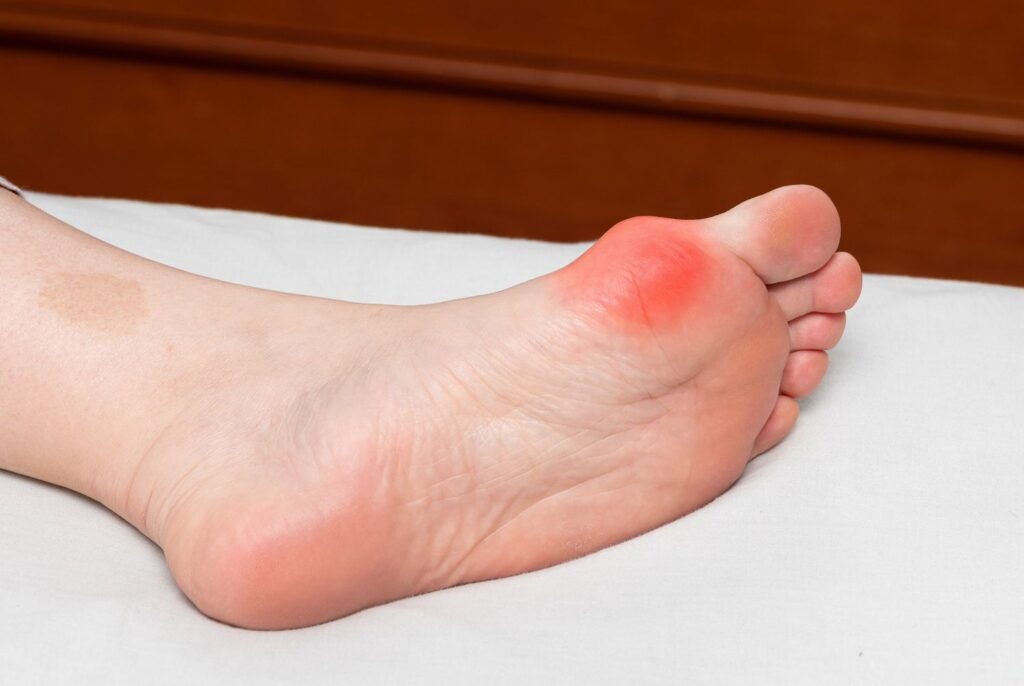
A bunion, or hallux valgus in medical terms, is a bony bump that develops at the base of the big toe. Over time, the big toe starts to angle toward the second toe, pushing the joint outward.
Think of it like a misaligned hinge in your foot—if left unchecked, it can create significant discomfort and make walking painful. It’s more than a cosmetic concern; bunions can affect your entire foot’s structure, creating ripple effects all the way up to your knees and hips.
Common Causes of Bunions
While genetics can play a role in making some feet more prone to bunions, lifestyle factors—especially footwear—are major contributors. Wearing high heels, pointed shoes, or shoes that squeeze your toes can all accelerate the development of bunions.
Repetitive stress on the big toe joint, flat feet, or abnormal foot mechanics also increase the likelihood of developing this condition. Essentially, your feet are trying to tell you something, and bunions are one way they scream for help.
Who Is at Risk?
Bunions don’t discriminate entirely, but women are statistically more likely to develop them, mainly due to fashion choices like high heels or narrow-toed shoes. People who spend hours on their feet—athletes, dancers, retail workers—also face higher risks. If your shoes don’t allow your toes to move naturally, you’re setting the stage for bunion formation. In short, anyone who neglects proper foot care is vulnerable.
The Role of Footwear in Bunion Development
Shoes That Trigger Bunions
Shoes aren’t just clothing—they’re foot architecture. Pointed-toe shoes, high heels, and tight dress shoes are notorious for bunion development. These shoes force the toes into unnatural positions, cramming them together. Over time, your bones shift, ligaments stretch, and tendons tighten, all of which contribute to the formation of that characteristic bump.
How Narrow or Tight Shoes Affect Your Feet
Imagine trying to fit a large book into a small envelope—it’s squeezed, bent, and eventually damaged. That’s essentially what happens to your toes in narrow shoes. Repeated compression leads to misalignment, inflammation, and pain. Your foot isn’t designed to be squeezed into an unnatural shape, and bunions are often the result of forcing it to adapt.
The Long-Term Impact of Poor Footwear Choices
Ignoring your footwear habits can lead to more than just a visible bump. Chronic pain, corns, calluses, and limited mobility are common consequences. Your gait may shift to compensate, putting stress on your knees, hips, and back.
Preventive care, proper shoes, and timely intervention are far easier and less painful than dealing with the long-term fallout of neglected bunions.
Early Signs and Symptoms to Watch For
Pain and Discomfort
The earliest sign of a developing bunion is usually pain at the base of the big toe, especially while walking or wearing shoes. You might notice soreness after long periods on your feet or discomfort that worsens throughout the day. Listening to these early signals is crucial to prevent further damage.
Swelling and Redness
Inflammation around the joint is another warning sign. Swelling, redness, or tenderness at the base of the big toe often indicates stress and irritation. Ignoring these symptoms can make the bunion grow worse and increase pain over time.
Changes in Foot Shape
As the bunion progresses, your big toe gradually shifts toward the second toe, changing the overall shape of your foot. Shoes that once fit comfortably may suddenly feel tight, and your foot may appear wider. This visual cue often prompts people to seek medical advice, but catching bunions early allows for more effective treatment.
Preventing Bunions: Smart Footwear Choices
Choosing the Right Shoe Size
One of the simplest ways to prevent bunions is by wearing shoes that fit properly. Always measure your feet before buying new shoes. While a snug fit is acceptable, anything that compresses your toes can create long-term problems. Your toes need space to move freely—they act as shock absorbers for your body with every step.
Supportive Shoe Features to Look For
Look for shoes with wide toe boxes, low heels, and good arch support. Cushioning can help reduce pressure on joints and maintain foot alignment. Avoid shoes that push your foot into unnatural positions. Features like breathable materials, adjustable straps, and reinforced soles can also enhance comfort and prevent foot deformities.
When to Consider Orthotics
Custom orthotics are highly effective in preventing bunions. These shoe inserts help distribute pressure evenly, correct foot mechanics, and alleviate stress on the big toe joint. Vital Podiatry Cypress Foot and Ankle Specialist can provide orthotics designed specifically for your feet, offering both comfort and long-term protection.
At-Home Care and Lifestyle Tips
Stretching and Strengthening Exercises
Regular foot exercises are essential for bunion prevention. Simple stretches like spreading your toes, picking up objects with your toes, or doing calf stretches can improve flexibility and alignment. Strengthening exercises help support your arches and reduce undue stress on the big toe joint.
Using Padding or Splints
Bunion pads or toe splints are useful tools for reducing friction and protecting the joint. These non-invasive devices can prevent the bunion from worsening, relieve pain, and allow you to continue your daily activities with less discomfort.
Daily Foot Care Habits
Good foot hygiene and daily care make a big difference. Trim nails carefully, moisturize to prevent dry skin, and inspect your feet regularly for changes. Small habits, like alternating shoes or avoiding extended periods in high heels, can significantly reduce the risk of bunions forming.
Professional Bunion Treatment Options
Non-Surgical Treatments at Vital Podiatry Cypress Foot and Ankle Specialist
Custom Orthotics
Orthotics provide the support your foot needs, helping correct alignment and relieve pressure on the bunion. They’re personalized to match your foot’s shape and biomechanics, making them far more effective than off-the-shelf inserts.
Physical Therapy and Exercise Plans
Your podiatrist may recommend a targeted exercise program to strengthen foot muscles, improve flexibility, and reduce pain. These exercises can be done at home or with professional guidance.
Pain Management Solutions
From anti-inflammatory medications to padding and footwear modifications, non-surgical approaches focus on reducing discomfort and improving quality of life. Early intervention can slow or even halt bunion progression.
Surgical Interventions
When Surgery Becomes Necessary
If conservative treatments fail and pain or deformity worsens, surgery may be required. Modern surgical techniques are precise, and recovery plans are designed to minimize downtime and restore foot function.
Types of Bunion Surgery
Procedures range from removing the bony bump to realigning bones, tendons, and ligaments. Your specialist will recommend the best option based on your unique foot structure, lifestyle, and severity of the bunion.
Recovery and Aftercare
Post-Treatment Foot Care
Following a treatment plan is essential. Keep weight off your foot as instructed, wear recommended shoes, and attend all follow-ups to ensure proper healing. Monitoring your foot during recovery helps prevent complications.
Tips for a Smooth Recovery
Elevate your foot to reduce swelling, apply ice as needed, and gradually resume activity. Patience is critical—proper recovery ensures lasting results and prevents the bunion from returning.

Living with Bunions Without Surgery
Lifestyle Adjustments
Even if surgery isn’t on the table, you can still live comfortably. Avoid high heels, opt for wider shoes, and incorporate daily stretches and exercises into your routine. Small, consistent adjustments can prevent bunions from worsening.
Footwear Modifications for Comfort
Using shoe inserts, wearing custom footwear, or adjusting laces can make a noticeable difference in comfort. You don’t need to sacrifice style for health; it’s about finding shoes that balance both.
Why Choose Vital Podiatry Cypress Foot and Ankle Specialist
Expertise in Foot and Ankle Care
With years of experience, Vital Podiatry Cypress Foot and Ankle Specialist is dedicated to diagnosing and treating bunions effectively. Their team understands the nuances of foot anatomy and offers solutions tailored to each patient.
Personalized Treatment Plans
Every foot is unique, and so is every bunion. From custom orthotics and therapy to surgical options, treatment plans are designed specifically for you. At Vital Podiatry, you’re not just a patient—you’re a partner in your foot health journey.
Vital Podiatry Cypress Foot and Ankle Specialist Serving the The Villages At CypressCommunity and Beyond in Houston
Vital Podiatry Cypress Foot and Ankle Specialist is dedicated to serving the diverse needs of the local community of Houston, including individuals residing in neighborhoods like The Villages At Cypress. With its convenient location near landmarks such as the Northwest Lake Business Park and major intersections like S Kolbe Dr. and S Kolbe Cir. (coordinates: 29.939358509476236, -95.64473040335108), we offer bunion treatment doctors Cypress services.
Get Bunion Treatment Doctors Services At The Villages At Cypress Now
CALL US NOW!
(281) 937-4546
Navigate from The Villages At Cypressto Vital Podiatry Cypress Foot and Ankle SpecialistNow
Conclusion
Bunions don’t have to control your life. With the right shoes, preventive care, and professional guidance from Vital Podiatry Cypress Foot and Ankle Specialist in The Villages At Cypress, you can maintain healthy, pain-free feet for years to come.
Don’t wait until discomfort or visible deformity takes over—start protecting your feet today and give yourself the comfort and mobility you deserve.
FAQs
1. Can bunions develop without wearing tight shoes?
Yes, genetics and foot structure can also play a role, but tight shoes significantly increase the risk.
2. Are bunions reversible without surgery?
While you can’t completely reverse a bunion without surgery, you can prevent worsening and relieve pain with orthotics, exercises, and proper footwear.
3. How long does it take to recover from bunion surgery?
Recovery usually ranges from 6 to 12 weeks, depending on the procedure and adherence to aftercare instructions.
4. Can children develop bunions?
Yes, especially if there’s a family history or they wear poorly fitting shoes. Early intervention is crucial.
5. Do high heels always cause bunions?
Not always, but frequent use increases the risk due to pressure on the toes and altered foot alignment.