If you’ve ever felt a sudden, stabbing pain in your heel, you might have wondered: can gout start there? Most people associate gout with the big toe, but the heel is also a possible target. Ignoring heel pain could mean weeks of unnecessary discomfort, especially if it’s gout.
In this article, we’ll explore how gout affects the heel, the warning signs to watch for, and how to treat and prevent it—particularly if you live in the Ponderosa Forest area and are looking for expert care from Vital Podiatry Foot and Ankle Specialist.
Heel pain is one of those things that most people brush off. Maybe you stepped awkwardly, or perhaps you’ve been on your feet too long. But what if the pain isn’t ordinary? Gout in the heel is less common than in the big toe, but it can be just as painful.
Recognizing the signs early can save you from chronic joint issues and unnecessary suffering. Whether you’re an active walker, an athlete, or just someone who spends a lot of time on your feet, understanding heel gout is crucial.
What Is Gout?
The Basics of Gout
Gout is a form of arthritis caused by uric acid crystals building up in the joints. When your body produces too much uric acid—or doesn’t excrete it properly—these crystals can form, causing sudden, severe pain. Imagine tiny, jagged shards of glass pressing into your joint every time you move—that’s how gout can feel. It’s not just uncomfortable; it can significantly affect your mobility if left untreated.
How Gout Affects Your Joints
Gout flares can hit quickly and intensely, leaving joints red, swollen, and excruciatingly tender. While many think it only affects the big toe, gout can target almost any joint—including the heel. If a flare hits your heel, walking or even standing can become unbearable. Over time, repeated flares can cause permanent joint damage, making early detection and treatment vital.
Common Areas Where Gout Appears
The Big Toe Myth
The big toe is famous for gout attacks, but it’s not the only vulnerable joint. Ankles, knees, wrists, fingers, and heels can also be affected. Gout tends to attack weight-bearing joints, which explains why the heel—though less common—is not immune.
Can Gout Start in the Heel?
Yes, heel gout is real, even if it’s not as well-known. The heel is a weight-bearing joint, and any buildup of uric acid crystals here can cause sudden, intense pain. People often notice symptoms first thing in the morning or after standing for long periods.
Signs and Symptoms in the Heel
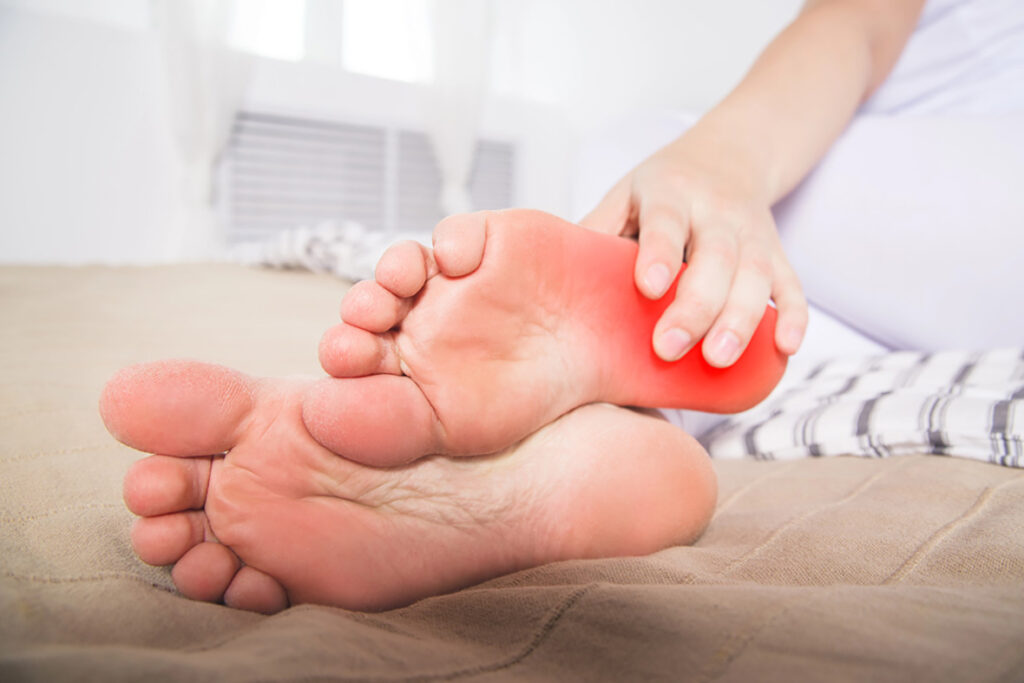
Heel gout usually presents as sharp, stabbing pain that can appear suddenly. You might notice redness, warmth, and swelling around the back or bottom of the heel. Unlike plantar fasciitis, which worsens gradually, gout pain hits fast and can be extreme within hours.
How It Feels Compared to Other Areas
While gout in the toe may make walking uncomfortable, heel gout can feel like walking on needles. Every step may be excruciating, sometimes even waking you from sleep. Unlike other heel conditions, gout flares can resolve on their own within a few days, only to return later—so don’t ignore it.
Risk Factors for Heel Gout
Diet and Lifestyle
What you eat matters. Foods high in purines—like red meat, organ meat, shellfish, and sugary beverages—can increase uric acid levels. Alcohol, especially beer, is a common trigger. Sedentary lifestyles or sudden weight gain can also contribute, putting more stress on weight-bearing joints like the heel.
Genetics and Medical Conditions
If gout runs in your family, your chances of developing it rise significantly. Medical conditions like high blood pressure, diabetes, obesity, and kidney disease can increase uric acid levels, making flare-ups more likely.
Age and Gender Considerations
Gout is more common in men over 40, but women aren’t immune—especially after menopause, when uric acid levels tend to rise. Older adults may also experience more severe flares due to natural wear and tear on the joints.
Diagnosing Heel Gout
Physical Examination
A podiatrist can often identify gout during a thorough physical examination. Look for sudden redness, swelling, and tenderness in the heel joint. Your podiatrist may gently press on the area to assess pain and determine the cause.
Imaging Tests
X-rays, ultrasound, or dual-energy CT scans can detect uric acid crystal deposits in the heel. These tests also help rule out other potential causes of heel pain, such as fractures, bone spurs, or plantar fasciitis.
Blood Tests for Uric Acid
Elevated uric acid levels in the blood can support a diagnosis of gout. However, uric acid levels may appear normal during a flare, which is why combining physical exams with imaging and lab tests gives the most accurate results.
Treatment Options for Heel Gout
Medications for Pain and Inflammation
During a flare, medications can be lifesavers. Nonsteroidal anti-inflammatory drugs (NSAIDs), colchicine, and corticosteroids reduce inflammation and ease pain. Your podiatrist in Ponderosa Forest can determine which medications are safest for you.
Lifestyle Changes That Help
Diet and lifestyle adjustments are key to preventing future attacks. Limiting purine-rich foods, drinking plenty of water, and maintaining a healthy weight can significantly reduce flare frequency and intensity.
Foot Care Tips by Vital Podiatry Foot and Ankle Specialist
Vital Podiatry Foot and Ankle Specialist recommends supportive shoes, cushioned heel pads, and avoiding prolonged standing during flares. Regular check-ups can also help track progress and prevent complications.

Home Remedies for Heel Gout
Ice, Rest, and Elevation
Applying ice packs to the heel for 15-20 minutes can reduce swelling and numb pain. Elevating the foot and resting during flares also helps the inflammation subside faster.
Dietary Adjustments
Cutting back on alcohol, red meat, and sugary drinks while drinking more water can help flush uric acid from your system. Incorporating low-purine foods like fruits, vegetables, and whole grains can also be beneficial.
When to See a Podiatrist in Ponderosa Forest
Why Early Intervention Matters
Ignoring heel pain can lead to chronic gout, joint damage, and mobility issues. Early diagnosis and treatment prevent long-term complications, reduce flare frequency, and improve your quality of life.
How Vital Podiatry Foot and Ankle Specialist Can Help
In Ponderosa Forest, Vital Podiatry Foot and Ankle Specialist offers personalized gout care. From accurate diagnosis to customized treatment plans, lifestyle counseling, and follow-up care, they ensure your feet stay healthy and pain-free.
Preventing Future Gout Flares
Long-Term Lifestyle Changes
Regular exercise, a balanced diet, and avoiding excessive alcohol can drastically reduce the likelihood of future gout attacks in the heel. Maintaining a healthy weight also takes pressure off joints, reducing flare intensity.
Monitoring Your Uric Acid Levels
Regular blood tests help track uric acid levels, allowing your podiatrist to adjust medications and recommend preventive strategies proactively. Keeping a flare diary—including diet, activity, and triggers—can also help identify patterns.
Vital Podiatry Foot and Ankle Specialist Serving the Ponderosa Forest Community and Beyond in Houston
Vital Podiatry Foot and Ankle Specialist is dedicated to serving the diverse needs of the local community of Houston, including individuals residing in neighborhoods like Ponderosa Forest. With its convenient location near landmarks such as the Canyon Creek Park and major intersections like Butte Creek Rd. and Saddlecreek Dr. (coordinates: 30.01996,-95.46275), we offer heel pain Houston services.
Get Heel Pain Treatment At Ponderosa Forest Now
CALL US NOW!
(281) 937-4546
Navigate from Ponderosa Forest to Vital Podiatry Foot and Ankle Specialist Now
Conclusion
Heel gout might be less common than gout in other joints, but it can be just as disruptive. Recognizing symptoms early and seeking care from professionals like Vital Podiatry Foot and Ankle Specialist in Ponderosa Forest can make a huge difference.
With proper management, lifestyle adjustments, and medical guidance, you can reduce pain, prevent future flares, and keep your heels—and the rest of your body—moving comfortably. Don’t ignore heel pain; your feet deserve care and attention.
FAQs
1. Can gout in the heel be mistaken for plantar fasciitis?
Yes. Both conditions cause heel pain, but gout flares hit suddenly, are often extremely painful, and may include redness and swelling, unlike plantar fasciitis, which develops gradually.
2. How quickly does a heel gout flare develop?
Heel gout flares can develop within hours and may be severe enough to make walking almost impossible.
3. Can lifestyle changes alone prevent heel gout?
Lifestyle changes, like diet modifications and proper hydration, significantly reduce flares but may not replace medication for frequent or severe cases.
4. Are certain shoes better for preventing heel gout pain?
Yes. Supportive shoes with cushioned heels help reduce pressure and minimize discomfort during flares.
5. Can children get gout in the heel?
Gout is rare in children but can occur, especially in those with genetic predispositions or underlying health conditions.