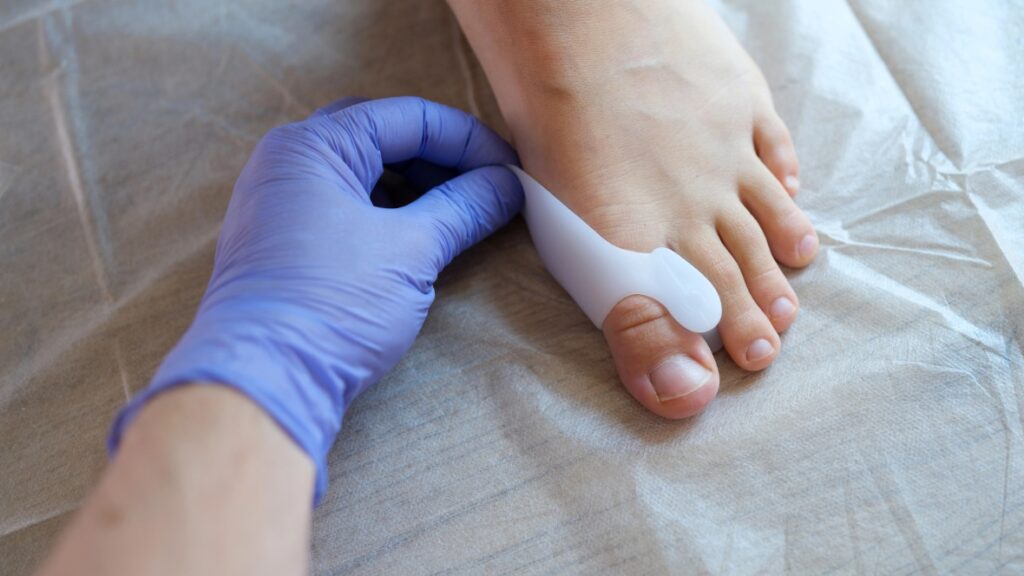
So, you’ve spotted a bump on the side of your big toe—and now you’re Googling like crazy: Do bunions go away? It’s a fair question, especially when every step reminds you something’s off.
Let’s get straight to the point: bunions don’t go away on their own. But that doesn’t mean you’re stuck suffering forever. There are real ways to manage them, reduce pain, and yes, even correct them—with the right care.
And if you’re looking for a Medicaid podiatrist, the trusted team at Vital Podiatry Foot and Ankle Specialist has your back (and your feet). Let’s dive in.
What Exactly Is a Bunion?
Understanding the Anatomy
A bunion—also known as hallux valgus—is a misalignment of the big toe joint. It forms when the bone at the base of your big toe shifts outward, creating a bony bump on the side of your foot. Over time, the joint can become inflamed and painful.
Common Causes of Bunions
Bunions don’t just pop up overnight. They usually develop due to:
- Genetics (yes, thanks Grandma)
- Flat feet or overpronation
- Tight or ill-fitting shoes
- Arthritis or joint disorders
- Poor foot structure
And guess what? Women are more likely to develop bunions—largely due to fashionable footwear choices.
Early Signs and Symptoms
What to Watch for on Your Feet
Spotting bunions early is key. Keep an eye out for:
- A bony bump near the base of your big toe
- Redness or swelling around the joint
- Soreness when walking or standing
- Difficulty finding comfortable shoes
When Minor Discomfort Becomes Chronic
It may start with a slight ache after wearing heels or walking too long. But over time, this turns into persistent discomfort—even when you’re barefoot. Ignoring these signs lets the problem grow, literally.
Do Bunions Ever Go Away on Their Own?
The Hard Truth About Bunions
Here it is, plain and simple: No, bunions don’t just disappear. They’re a structural deformity of the foot. Once the joint shifts, it doesn’t shift back unless it’s guided—either through proper care or surgery.
What Happens if You Ignore a Bunion?
Ignoring a bunion is like ignoring a small leak in your ceiling. It’ll only get worse. You might deal with:
- Increased pain
- Swelling and inflammation
- Changes in your gait
- Hammertoes or corns
- Arthritis in the joint
Basically, the longer you wait, the more complicated (and painful) things can get.
Why Bunions Are Progressive
The Science Behind the Progression
Bunions worsen over time because the weight of your body continues to press against the misaligned joint. Every step you take reinforces the bad alignment, pushing the toe further inward and the bump further outward.
How Foot Structure Plays a Role
Some people are just more prone to bunions due to inherited foot shape or biomechanics. If you’ve got flat feet or loose ligaments, you’re more likely to develop bunions—even if you wear the right shoes.
Can You Shrink or Reverse a Bunion Without Surgery?
Non-Surgical Options That Help
While bunions can’t go away without surgical correction, there are non-surgical treatments that help relieve pain and slow down the progression:
- Custom orthotics
- Wide-toe shoes
- Bunion pads or cushions
- Toe spacers or splints
- Ice packs for inflammation
- Physical therapy exercises
What They Can—and Can’t—Do
These methods won’t “shrink” the bunion or shift the bone back into place, but they can:
- Reduce daily discomfort
- Improve foot alignment slightly
- Prevent the bunion from getting worse
So while you’re not curing the bunion, you’re taking important steps to avoid surgery and stay mobile.
When Should You See a Podiatrist?
Red Flags That Mean It’s Time to Get Help
You shouldn’t wait until the pain becomes unbearable. See a podiatrist if:
- The bunion is affecting your daily life
- You have pain even when not walking
- Shoes no longer fit properly
- Your toe movement feels restricted
- You notice signs of joint inflammation
Why You Shouldn’t Wait Until It’s Severe
Delaying treatment allows the bunion to progress, often leading to other foot issues. A proactive approach can preserve mobility and prevent long-term complications.
What a Medicaid Podiatrist Can Offer You
Affordable Care at Vital Podiatry Foot and Ankle Specialist
At Vital Podiatry Foot and Ankle Specialist, we proudly offer care to patients with Medicaid. We understand how important foot health is—and how often it’s overlooked due to cost concerns. That’s why we make our services accessible to everyone.
What to Expect at Your First Visit
Expect a thorough evaluation that includes:
- A physical foot exam
- Medical history review
- Gait and footwear assessment
- X-rays, if needed
From there, our Medicaid podiatrist will build a treatment plan that fits your lifestyle and your budget.
Surgical Solutions for Bunions
When Surgery Becomes the Right Option
If conservative methods no longer work and pain disrupts your daily activities, surgery might be the best route. Bunion surgery realigns the bones, corrects the deformity, and relieves chronic pain.
What Recovery Looks Like
Recovery times vary, but most patients:
- Walk in a surgical shoe within 1–2 weeks
- Resume light activity after 4–6 weeks
- Return to normal shoes in 6–8 weeks
It’s not an overnight fix, but for many, it’s well worth the healing time.
Tips for Managing Bunions Day-to-Day
Choosing the Right Footwear
Your shoes can be your best friend—or your worst enemy. Choose footwear that:
- Has a wide toe box
- Offers good arch support
- Uses soft, breathable materials
- Has minimal heel height (under 2 inches)
Daily Habits That Make a Difference
- Stretch your toes regularly
- Ice your bunion after long walks
- Avoid standing for prolonged periods
- Use orthotics to reduce pressure
Small changes go a long way when it comes to foot health.
Can Bunions Be Prevented?
Foot Care for All Ages
Good foot care starts early. If bunions run in your family, be proactive—especially with kids or teens who may show early signs.
Lifestyle Habits That Help
- Don’t wear tight shoes just for style
- Pay attention to early foot discomfort
- Strengthen foot muscles with exercise
- Visit a podiatrist at the first sign of trouble
Think of prevention like brushing your teeth—consistent, simple habits that keep you out of trouble.
How Vital Podiatry Foot and Ankle Specialist Can Help
Our Approach to Personalized Care
We don’t believe in one-size-fits-all solutions. Our team tailors every treatment plan to match your health needs, activity level, and budget. Whether you need long-term management or surgical options, we’ll walk you through it—step by step.
Why Patients Trust Our Medicaid Podiatrists
Our patients keep coming back because we offer:
- Compassionate, judgment-free care
- Clear communication and education
- Trusted Medicaid podiatrist services
- A local Houston clinic that puts patients first
Vital Podiatry Foot and Ankle Specialist Serving the Reserve On Dula Lane Community and Beyond in Houston
Vital Podiatry Foot and Ankle Specialist is dedicated to serving the diverse needs of the local community of Houston, including individuals residing in neighborhoods like Reserve On Dula Lane. With its convenient location near landmarks such as the Beinhorn Terrace and major intersections like N Eldridge Pkwy. and Oralia Dr. (coordinates: 29.947825040080033,-95.60717154648589), we offer medicaid podiatrist services.
Get medicaid podiatrist Services at Reserve On Dula Lane Now
CALL US NOW!
(281) 937-4546
Navigate from Reserve On Dula Lane to Vital Podiatry Foot and Ankle Specialist Now
Final Thought
So, do bunions go away? The answer is no—but that doesn’t mean you’re out of options. With early intervention, smart footwear choices, and help from a qualified Medicaid podiatrist like those at Vital Podiatry Foot and Ankle Specialist, you can stay ahead of bunion pain and avoid invasive treatments for as long as possible.
The most important step? Don’t wait. Let your feet take you places—comfortably, confidently, and without pain.
FAQs
1. Can bunions be treated without surgery?
Absolutely. While bunions don’t go away without surgery, many patients find relief through conservative treatments like orthotics, proper footwear, physical therapy, and bunion pads. These methods won’t “fix” the bunion but can significantly ease symptoms and slow its growth.
2. Is bunion surgery covered by Medicaid?
Yes, in most cases. When bunion surgery is considered medically necessary—for example, if it limits your mobility or causes constant pain—Medicaid will typically cover it. At Vital Podiatry Foot and Ankle Specialist, we help walk you through the insurance process and confirm your benefits before treatment begins.
3. How long does bunion recovery take after surgery?
Recovery depends on the severity of your bunion and the surgical technique used, but most patients can walk in a surgical boot within 1–2 weeks and return to regular shoes in about 6–8 weeks. Complete healing, including swelling reduction and range of motion, can take several months.
4. Are bunions genetic?
Yes, genetics play a major role. If bunions run in your family, especially among close relatives like parents or grandparents, you have a higher risk. That’s why it’s important to monitor your foot health early—especially if you have flat feet or other structural issues.
5. What shoes are best for people with bunions?
You’ll want shoes with a wide toe box, soft, breathable material, arch support, and a low heel (under 2 inches). Avoid narrow, pointed shoes or anything that squeezes your toes together. Look for comfort-focused brands or get professional shoe recommendations from your podiatrist.
6. When should I see a podiatrist about a bunion?
You should see a podiatrist as soon as you notice discomfort, a visible bump, or changes in how your big toe sits. The earlier you get professional care, the more likely you can avoid surgery. If you’re looking for an experienced Medicaid podiatrist, Vital Podiatry Foot and Ankle Specialist is here to help—affordable, accessible, and focused on keeping you on your feet pain-free.