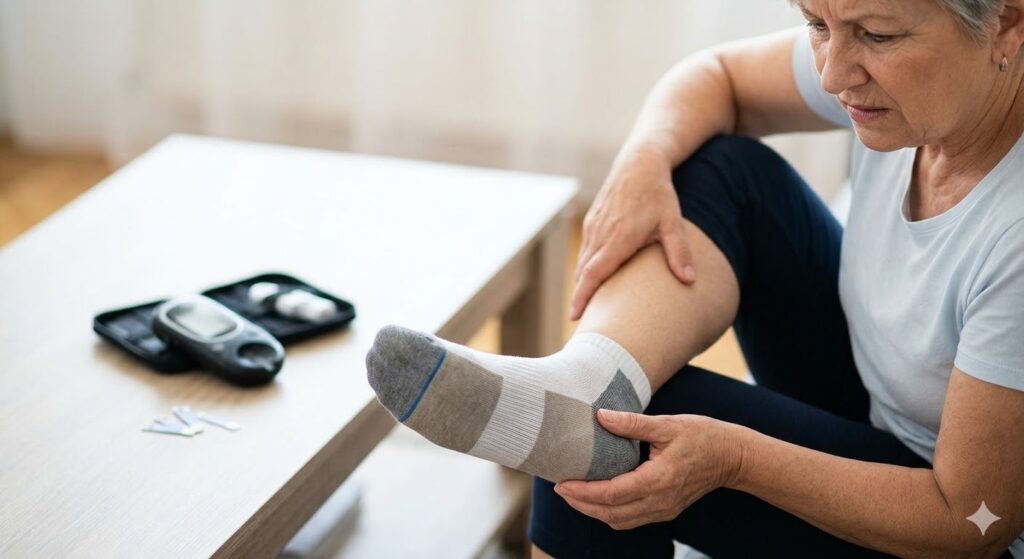
pain in side of foot when walking

September 26, 2025

If you’ve ever felt that annoying, stabbing, or dull ache along the side of your foot while walking, you’re not alone. Foot pain can strike anyone at any time, and it can be surprisingly persistent. Living in Turtle Hill Village, residents know how much everyday walking—from errands to evening strolls—matters. When something as simple as a walk becomes uncomfortable, it’s not just irritating; it can impact your daily life. Luckily, Vital Podiatry Foot and Ankle Specialist is here to guide you through understanding this type of foot pain, its causes, treatment options, and practical ways to prevent it.

In this article, we’ll explore every angle—from anatomy to lifestyle habits—to help you regain pain-free steps.

Understanding the Anatomy of Your Foot

Before diving into causes, let’s get familiar with what’s happening under your foot. Your foot is an intricate structure of bones, muscles, tendons, and ligaments, all working together like a well-orchestrated team.

  • Bones: The foot has 26 bones, including the tarsals, metatarsals, and phalanges. The outer side of the foot includes structures like the fifth metatarsal and cuboid bone.
  • Muscles & Tendons: Tendons like the peroneal tendons run along the outside of the foot, helping with balance and walking.
  • Ligaments: These stabilize the bones and joints, preventing overextension.

So, when pain hits the side of your foot, it usually involves one or more of these structures.

A climber rests, removing specialized shoes after an activity that could lead an urgent care for ankle sprain in Houston.

Common Causes of Side Foot Pain

Pain on the side of the foot while walking can stem from various issues. Understanding the root cause is essential for effective treatment.

1. Peroneal Tendonitis

The peroneal tendons run along the outside of your foot and ankle. Overuse, uneven surfaces, or sudden changes in activity can irritate these tendons, causing pain, swelling, and sometimes a snapping sensation.

2. Stress Fractures

Tiny cracks in the bones of the foot, often from repetitive stress or high-impact activity, can lead to sharp pain on the side. Stress fractures are common in runners or active individuals.

3. Cuboid Syndrome

The cuboid bone, located on the outer side of the foot, can sometimes become slightly dislocated. Cuboid syndrome can cause discomfort when bearing weight or walking, particularly on uneven surfaces.

4. Bunions and Tailor’s Bunion

A bunion (medial) or tailor’s bunion (lateral) can create pressure and pain on the sides of the foot. Shoes that are too tight often exacerbate this problem.

5. Arthritis

Arthritic changes in foot joints can lead to inflammation, stiffness, and localized pain on the sides of the foot.

6. Nerve Compression

Conditions like tarsal tunnel syndrome can compress nerves along the foot’s side, causing tingling, burning, or sharp pain.

A doctor examines a patient's foot, offering comprehensive care at urgent care for ankle sprain in Houston.

Lifestyle and Footwear Factors

Sometimes, foot pain isn’t due to injury but lifestyle choices.

  • Poor Footwear: Shoes with inadequate support or high heels can stress the side of the foot.
  • Flat Feet or High Arches: Both can create abnormal pressure points on the foot.
  • Overtraining: Suddenly increasing running mileage or walking on uneven terrain can irritate tendons and ligaments.

Symptoms to Watch For

Knowing the specific symptoms can help you identify what’s wrong:

  • Pain along the outside edge of the foot during walking or standing.
  • Swelling, redness, or tenderness on the side of the foot.
  • Pain that worsens with activity and eases with rest.
  • A feeling of instability or weakness in the foot.

If symptoms persist or worsen, it’s time to seek professional help.

When to See a Specialist

Foot pain is not something to ignore, especially if it lasts more than a few days. Vital Podiatry Foot and Ankle Specialist in Turtle Hill Village recommends seeing a podiatrist if you notice:

  • Severe or persistent pain.
  • Difficulty walking or bearing weight.
  • Numbness or tingling.
  • Swelling that doesn’t improve with rest.
  • Signs of infection (redness, warmth, pus).

Early intervention can prevent minor issues from becoming major problems.

Diagnosis Methods at Vital Podiatry Foot and Ankle Specialist

At Vital Podiatry Foot and Ankle Specialist, a thorough evaluation ensures an accurate diagnosis:

Physical Examination

The podiatrist will assess your foot’s structure, alignment, and range of motion. They will check for tenderness, swelling, and abnormal gait patterns.

Imaging Tests

X-rays, MRIs, or ultrasounds may be used to detect stress fractures, tendon injuries, or joint abnormalities.

Gait Analysis

Evaluating how you walk helps identify biomechanical issues that could be contributing to pain.

Treatment Options for Side Foot Pain

Treatment depends on the underlying cause, severity, and your lifestyle. Here are common approaches:

1. Rest and Activity Modification

Avoiding high-impact activities allows the injured tendons or bones to heal. Sometimes switching to low-impact exercises like swimming or cycling is beneficial.

2. Ice Therapy

Applying ice packs for 15-20 minutes several times a day can reduce inflammation and pain.

3. Anti-Inflammatory Medications

Over-the-counter NSAIDs (like ibuprofen) can help manage pain and swelling temporarily.

4. Orthotics and Supportive Footwear

Custom insoles can redistribute pressure, support arches, and alleviate stress on the sides of the foot.

5. Physical Therapy

Stretching, strengthening, and balance exercises help restore proper function and prevent future injuries.

6. Injections or Advanced Treatments

For severe inflammation or tendon injuries, cortisone injections or regenerative treatments may be recommended.

7. Surgery

In rare cases, surgical intervention may be necessary to correct structural issues, remove bone spurs, or repair tendons.

Home Remedies for Quick Relief

While professional care is ideal, some at-home strategies can ease pain:

  • Elevate your foot to reduce swelling.
  • Wear cushioned shoes with wide toe boxes.
  • Try gentle stretches for your calf and foot muscles.
  • Use supportive braces or sleeves for added stability.

Consistency is key; combining these remedies with proper diagnosis accelerates recovery.

Preventing Side Foot Pain

Prevention is better than cure. Follow these steps to reduce your risk:

Proper Footwear

Invest in shoes that provide arch support, cushioning, and adequate space for your toes. Avoid wearing high heels for long periods.

Gradual Training

Increase activity levels slowly to avoid stressing bones and tendons.

Stretching and Strengthening

Regularly stretch calves, Achilles tendons, and feet. Strengthening foot muscles improves stability.

Foot Care

Check your feet regularly for bunions, corns, or swelling. Early detection helps prevent worsening issues.

Living Pain-Free in Turtle Hill Village

Residents of Turtle Hill Village often enjoy walking trails, parks, and community events. Experiencing side foot pain shouldn’t stop you from participating in daily activities. With the right combination of professional care from Vital Podiatry Foot and Ankle Specialist and practical self-care, you can keep your feet healthy, comfortable, and ready for any adventure.

Choosing the Right Podiatrist

When it comes to foot health, experience and personalized care matter. Here’s why Vital Podiatry Foot and Ankle Specialist stands out:

  • Board-certified podiatrists with years of experience.
  • State-of-the-art diagnostic and treatment technology.
  • Individualized treatment plans tailored to your lifestyle and foot structure.
  • Friendly, supportive staff who make patients feel comfortable from consultation to recovery.

Visiting a trusted specialist ensures your foot pain is addressed properly and prevents long-term issues.

The Importance of Early Intervention

Foot pain may seem minor initially, but ignoring it can lead to chronic conditions or more severe injuries. Early treatment:

  • Reduces recovery time.
  • Prevents structural damage.
  • Improves overall mobility and quality of life.

Don’t wait until walking becomes unbearable—take action early.

Tips for Pain-Free Walking

Here are simple tips to keep your walks enjoyable:

  1. Warm up before walking to loosen muscles.
  2. Wear supportive shoes with proper cushioning.
  3. Avoid uneven or unstable surfaces if prone to foot pain.
  4. Pace yourself and take breaks when needed.
  5. Consider custom orthotics for long-term relief.

Small adjustments can make a big difference in foot comfort.

Vital Podiatry Foot and Ankle Specialist Serving the Turtle Hill Village Community and Beyond in Houston

Vital Podiatry Foot and Ankle Specialist is dedicated to serving the diverse needs of the local community of Houston, including individuals residing in neighborhoods like Turtle Hill Village. With its convenient location near landmarks such as Turtle Lake and major intersections like Cougar Rd. and Falcon Rd. (coordinates: 29.9365690099684, -95.56708388921547), we offer urgent care for ankle sprain Houston services.

Get Urgent Care For Ankle Sprain Services At Turtle Hill Village Now

CALL US NOW!

(281) 937-4546

Navigate from Turtle Hill Village  to Vital Podiatry Foot and Ankle Specialist Now

Conclusion

Foot pain on the side while walking is more common than you might think, especially with modern lifestyles and active routines. Understanding the causes, recognizing symptoms, and taking prompt action are key to pain-free mobility. Living in Turtle Hill Village, you have access to top-notch care from Vital Podiatry Foot and Ankle Specialist, ensuring you get professional guidance, effective treatments, and personalized advice. Whether it’s tendonitis, a stress fracture, or a minor misalignment, the right approach can get you back to walking comfortably—without worrying about every step.

Remember, your feet carry you through life. Treat them well—they deserve it.

FAQs

1. Can side foot pain go away on its own?
Mild pain from overuse or minor irritation may improve with rest and proper footwear, but persistent pain should be evaluated by a podiatrist.

2. Are orthotics really effective for side foot pain?
Yes! Custom orthotics can redistribute pressure, correct alignment, and reduce pain caused by biomechanical issues.

3. How long does recovery take for peroneal tendonitis?
Recovery varies depending on severity, but mild cases can improve in 4–6 weeks with proper care, while severe cases may take longer.

4. Can walking barefoot worsen side foot pain?
Walking barefoot on hard or uneven surfaces can strain tendons and ligaments, potentially worsening pain. Supportive footwear is recommended.

5. When is surgery necessary for side foot pain?
Surgery is rare and usually considered only if conservative treatments fail or structural issues need correction.

TAKE YOUR FIRST STEP

OR CALL US

(281) 937-4546

Related Post


If you’ve ever felt that annoying, stabbing, or dull ache along the side of your foot while walking, you’re not alone. Foot pain can strike anyone at any time, and it can be surprisingly persistent. Living in Turtle Hill Village, residents know how much everyday walking—from errands to evening strolls—matters. When something as simple as a walk becomes uncomfortable, it’s not just irritating; it can impact your daily life. Luckily, Vital Podiatry Foot and Ankle Specialist is here to guide you through understanding this type of foot pain, its causes, treatment options, and practical ways to prevent it.

In this article, we’ll explore every angle—from anatomy to lifestyle habits—to help you regain pain-free steps.

Understanding the Anatomy of Your Foot

Before diving into causes, let’s get familiar with what’s happening under your foot. Your foot is an intricate structure of bones, muscles, tendons, and ligaments, all working together like a well-orchestrated team.

  • Bones: The foot has 26 bones, including the tarsals, metatarsals, and phalanges. The outer side of the foot includes structures like the fifth metatarsal and cuboid bone.
  • Muscles & Tendons: Tendons like the peroneal tendons run along the outside of the foot, helping with balance and walking.
  • Ligaments: These stabilize the bones and joints, preventing overextension.

So, when pain hits the side of your foot, it usually involves one or more of these structures.

A climber rests, removing specialized shoes after an activity that could lead an urgent care for ankle sprain in Houston.

Common Causes of Side Foot Pain

Pain on the side of the foot while walking can stem from various issues. Understanding the root cause is essential for effective treatment.

1. Peroneal Tendonitis

The peroneal tendons run along the outside of your foot and ankle. Overuse, uneven surfaces, or sudden changes in activity can irritate these tendons, causing pain, swelling, and sometimes a snapping sensation.

2. Stress Fractures

Tiny cracks in the bones of the foot, often from repetitive stress or high-impact activity, can lead to sharp pain on the side. Stress fractures are common in runners or active individuals.

3. Cuboid Syndrome

The cuboid bone, located on the outer side of the foot, can sometimes become slightly dislocated. Cuboid syndrome can cause discomfort when bearing weight or walking, particularly on uneven surfaces.

4. Bunions and Tailor’s Bunion

A bunion (medial) or tailor’s bunion (lateral) can create pressure and pain on the sides of the foot. Shoes that are too tight often exacerbate this problem.

5. Arthritis

Arthritic changes in foot joints can lead to inflammation, stiffness, and localized pain on the sides of the foot.

6. Nerve Compression

Conditions like tarsal tunnel syndrome can compress nerves along the foot’s side, causing tingling, burning, or sharp pain.

A doctor examines a patient's foot, offering comprehensive care at urgent care for ankle sprain in Houston.

Lifestyle and Footwear Factors

Sometimes, foot pain isn’t due to injury but lifestyle choices.

  • Poor Footwear: Shoes with inadequate support or high heels can stress the side of the foot.
  • Flat Feet or High Arches: Both can create abnormal pressure points on the foot.
  • Overtraining: Suddenly increasing running mileage or walking on uneven terrain can irritate tendons and ligaments.

Symptoms to Watch For

Knowing the specific symptoms can help you identify what’s wrong:

  • Pain along the outside edge of the foot during walking or standing.
  • Swelling, redness, or tenderness on the side of the foot.
  • Pain that worsens with activity and eases with rest.
  • A feeling of instability or weakness in the foot.

If symptoms persist or worsen, it’s time to seek professional help.

When to See a Specialist

Foot pain is not something to ignore, especially if it lasts more than a few days. Vital Podiatry Foot and Ankle Specialist in Turtle Hill Village recommends seeing a podiatrist if you notice:

  • Severe or persistent pain.
  • Difficulty walking or bearing weight.
  • Numbness or tingling.
  • Swelling that doesn’t improve with rest.
  • Signs of infection (redness, warmth, pus).

Early intervention can prevent minor issues from becoming major problems.

Diagnosis Methods at Vital Podiatry Foot and Ankle Specialist

At Vital Podiatry Foot and Ankle Specialist, a thorough evaluation ensures an accurate diagnosis:

Physical Examination

The podiatrist will assess your foot’s structure, alignment, and range of motion. They will check for tenderness, swelling, and abnormal gait patterns.

Imaging Tests

X-rays, MRIs, or ultrasounds may be used to detect stress fractures, tendon injuries, or joint abnormalities.

Gait Analysis

Evaluating how you walk helps identify biomechanical issues that could be contributing to pain.

Treatment Options for Side Foot Pain

Treatment depends on the underlying cause, severity, and your lifestyle. Here are common approaches:

1. Rest and Activity Modification

Avoiding high-impact activities allows the injured tendons or bones to heal. Sometimes switching to low-impact exercises like swimming or cycling is beneficial.

2. Ice Therapy

Applying ice packs for 15-20 minutes several times a day can reduce inflammation and pain.

3. Anti-Inflammatory Medications

Over-the-counter NSAIDs (like ibuprofen) can help manage pain and swelling temporarily.

4. Orthotics and Supportive Footwear

Custom insoles can redistribute pressure, support arches, and alleviate stress on the sides of the foot.

5. Physical Therapy

Stretching, strengthening, and balance exercises help restore proper function and prevent future injuries.

6. Injections or Advanced Treatments

For severe inflammation or tendon injuries, cortisone injections or regenerative treatments may be recommended.

7. Surgery

In rare cases, surgical intervention may be necessary to correct structural issues, remove bone spurs, or repair tendons.

Home Remedies for Quick Relief

While professional care is ideal, some at-home strategies can ease pain:

  • Elevate your foot to reduce swelling.
  • Wear cushioned shoes with wide toe boxes.
  • Try gentle stretches for your calf and foot muscles.
  • Use supportive braces or sleeves for added stability.

Consistency is key; combining these remedies with proper diagnosis accelerates recovery.

Preventing Side Foot Pain

Prevention is better than cure. Follow these steps to reduce your risk:

Proper Footwear

Invest in shoes that provide arch support, cushioning, and adequate space for your toes. Avoid wearing high heels for long periods.

Gradual Training

Increase activity levels slowly to avoid stressing bones and tendons.

Stretching and Strengthening

Regularly stretch calves, Achilles tendons, and feet. Strengthening foot muscles improves stability.

Foot Care

Check your feet regularly for bunions, corns, or swelling. Early detection helps prevent worsening issues.

Living Pain-Free in Turtle Hill Village

Residents of Turtle Hill Village often enjoy walking trails, parks, and community events. Experiencing side foot pain shouldn’t stop you from participating in daily activities. With the right combination of professional care from Vital Podiatry Foot and Ankle Specialist and practical self-care, you can keep your feet healthy, comfortable, and ready for any adventure.

Choosing the Right Podiatrist

When it comes to foot health, experience and personalized care matter. Here’s why Vital Podiatry Foot and Ankle Specialist stands out:

  • Board-certified podiatrists with years of experience.
  • State-of-the-art diagnostic and treatment technology.
  • Individualized treatment plans tailored to your lifestyle and foot structure.
  • Friendly, supportive staff who make patients feel comfortable from consultation to recovery.

Visiting a trusted specialist ensures your foot pain is addressed properly and prevents long-term issues.

The Importance of Early Intervention

Foot pain may seem minor initially, but ignoring it can lead to chronic conditions or more severe injuries. Early treatment:

  • Reduces recovery time.
  • Prevents structural damage.
  • Improves overall mobility and quality of life.

Don’t wait until walking becomes unbearable—take action early.

Tips for Pain-Free Walking

Here are simple tips to keep your walks enjoyable:

  1. Warm up before walking to loosen muscles.
  2. Wear supportive shoes with proper cushioning.
  3. Avoid uneven or unstable surfaces if prone to foot pain.
  4. Pace yourself and take breaks when needed.
  5. Consider custom orthotics for long-term relief.

Small adjustments can make a big difference in foot comfort.

Vital Podiatry Foot and Ankle Specialist Serving the Turtle Hill Village Community and Beyond in Houston

Vital Podiatry Foot and Ankle Specialist is dedicated to serving the diverse needs of the local community of Houston, including individuals residing in neighborhoods like Turtle Hill Village. With its convenient location near landmarks such as Turtle Lake and major intersections like Cougar Rd. and Falcon Rd. (coordinates: 29.9365690099684, -95.56708388921547), we offer urgent care for ankle sprain Houston services.

Get Urgent Care For Ankle Sprain Services At Turtle Hill Village Now

CALL US NOW!

(281) 937-4546

Navigate from Turtle Hill Village  to Vital Podiatry Foot and Ankle Specialist Now

Conclusion

Foot pain on the side while walking is more common than you might think, especially with modern lifestyles and active routines. Understanding the causes, recognizing symptoms, and taking prompt action are key to pain-free mobility. Living in Turtle Hill Village, you have access to top-notch care from Vital Podiatry Foot and Ankle Specialist, ensuring you get professional guidance, effective treatments, and personalized advice. Whether it’s tendonitis, a stress fracture, or a minor misalignment, the right approach can get you back to walking comfortably—without worrying about every step.

Remember, your feet carry you through life. Treat them well—they deserve it.

FAQs

1. Can side foot pain go away on its own?
Mild pain from overuse or minor irritation may improve with rest and proper footwear, but persistent pain should be evaluated by a podiatrist.

2. Are orthotics really effective for side foot pain?
Yes! Custom orthotics can redistribute pressure, correct alignment, and reduce pain caused by biomechanical issues.

3. How long does recovery take for peroneal tendonitis?
Recovery varies depending on severity, but mild cases can improve in 4–6 weeks with proper care, while severe cases may take longer.

4. Can walking barefoot worsen side foot pain?
Walking barefoot on hard or uneven surfaces can strain tendons and ligaments, potentially worsening pain. Supportive footwear is recommended.

5. When is surgery necessary for side foot pain?
Surgery is rare and usually considered only if conservative treatments fail or structural issues need correction.