Understanding Foot Health
Why Healthy Feet Matter
Your feet are like the foundation of a building, if they’re not in good shape, the whole structure above suffers. From walking to running, and even just standing, your feet support your entire body weight every single day.
On average, a person takes over 5,000 to 7,000 steps daily, and your feet absorb a force equal to 1.5 times your body weight with every step. Neglecting them can lead to chronic pain, mobility issues, and even posture problems that affect your knees, hips, and back. Imagine trying to walk on a cracked, unstable floor; that’s what life feels like when your feet aren’t healthy.
Common Myths About Foot Care
Many people believe that foot problems are just a “normal” part of aging, but in reality, they are often preventable. Another common misconception is that you should only see a foot doctor if you’re in extreme pain. In truth, mild discomfort, changes in appearance, or reduced mobility are early warning signs that shouldn’t be ignored. Foot issues can start at any age — even in children — and early detection can save you from bigger, more painful problems later.
Who Is a Podiatrist?
Definition and Scope of Practice
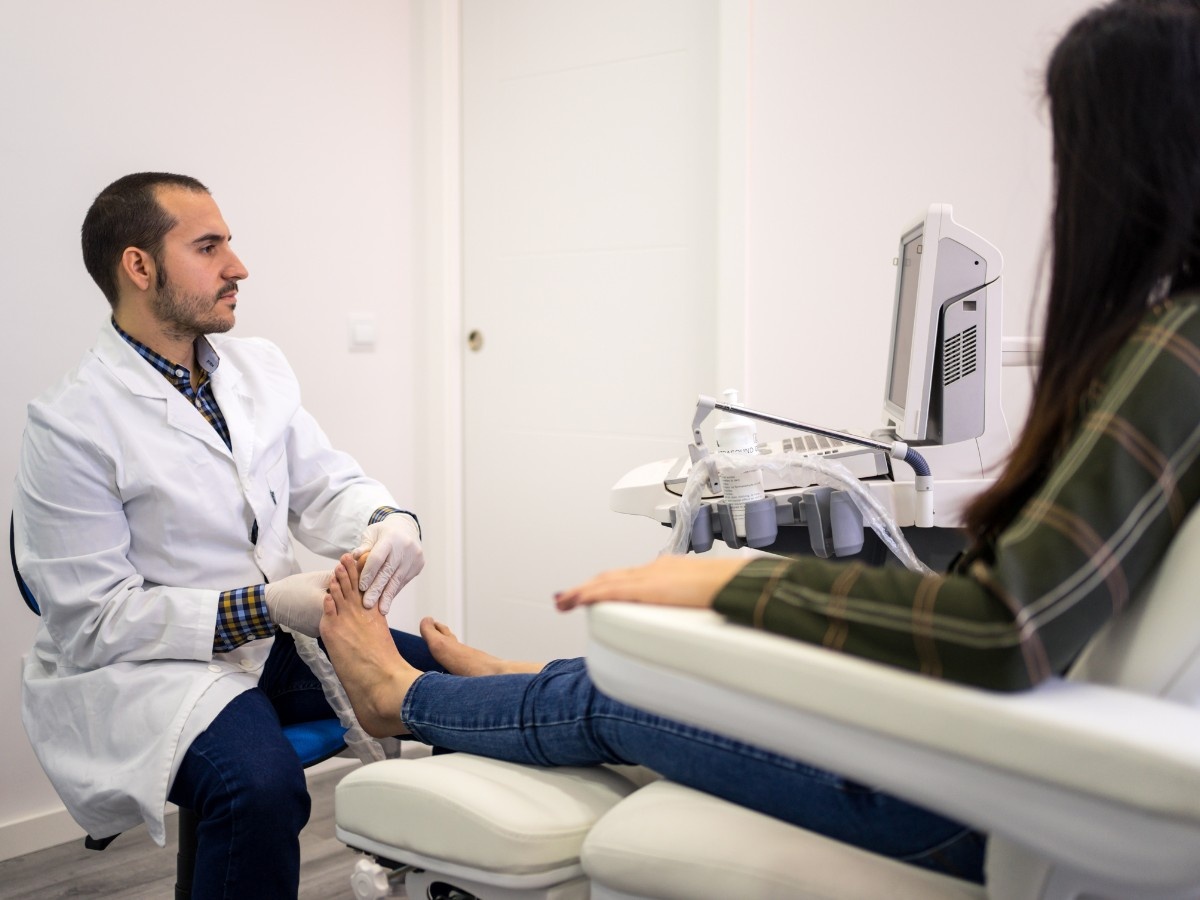
A podiatrist is a licensed medical professional specializing in diagnosing, treating, and preventing conditions of the foot, ankle, and lower leg. Their expertise covers a wide range of issues, from common ailments like ingrown toenails and calluses to complex reconstructive surgeries for traumatic injuries.
Education and Training Requirements
To become a podiatrist, one must complete a Doctor of Podiatric Medicine (DPM) degree after a four-year undergraduate program, typically focused on sciences such as biology or kinesiology. This is followed by a rigorous three-year residency program in hospitals and clinics, where podiatrists gain hands-on experience in surgery, orthopedics, sports medicine, and wound care. Many pursue additional fellowships in sub-specialties like diabetic limb salvage, pediatric podiatry, or sports injury management.
How a Podiatrist Differs From Other Doctors
Unlike general practitioners, podiatrists dedicate their careers solely to the foot and ankle. Orthopedic surgeons may treat these areas, but their focus spans the entire musculoskeletal system. Podiatrists, however, have in-depth, specialized training that enables them to recognize subtle issues and provide tailored treatments that others might overlook.
Common Foot and Ankle Disorders
Plantar Fasciitis
One of the most frequent causes of heel pain, plantar fasciitis occurs when the plantar fascia — a thick band of tissue connecting your heel to your toes — becomes inflamed. This often happens to runners, retail workers, and anyone who spends long hours standing. Symptoms are usually worst in the morning or after periods of inactivity.
Bunions and Hammertoes
Bunions are bony bumps that form at the base of the big toe, often caused by tight footwear or inherited foot structure. Hammertoes develop when the middle joint of a toe bends abnormally, creating discomfort and difficulty wearing certain shoes. Without treatment, both conditions can progress, causing persistent pain and affecting mobility.
Ingrown Toenails
An ingrown toenail happens when the nail’s edge grows into the skin, leading to pain, redness, and swelling. If left untreated, infection can set in. This condition is common among athletes and people who wear tight shoes or trim nails incorrectly.
Sports Injuries
Active individuals, especially athletes, are prone to ankle sprains, tendonitis, and stress fractures. Ignoring these injuries can result in chronic instability and long-term joint damage. Podiatrists play a crucial role in diagnosing and rehabilitating these conditions to restore full function.
Diabetic Foot Complications
For people with diabetes, foot health is critical. Poor circulation and nerve damage (neuropathy) mean that even small cuts or blisters can become serious infections. Regular podiatric care can prevent ulcers, infections, and, in severe cases, amputations.
Diagnosis: How Podiatrists Identify Foot Problems
Physical Examination
Podiatrists start with a thorough visual and physical assessment, checking your foot’s shape, range of motion, muscle strength, and skin condition.
Imaging and Diagnostic Tools
X-rays detect bone issues like fractures or arthritis. MRIs and ultrasounds help visualize soft tissue injuries such as tendon tears or ligament sprains. In some cases, CT scans provide detailed cross-sectional images for complex cases.
Lab Tests and Screenings
Blood work may be ordered to check for infections, inflammatory conditions, or metabolic disorders like gout that affect the feet.
Treatments Offered by Podiatrists
Medications and Topical Treatments
These range from anti-inflammatory and pain-relief medications to antibiotics for infections. Topical creams can help reduce swelling, treat fungal infections, or speed wound healing.
Orthotics and Support Devices
Custom orthotics are specially designed shoe inserts that improve foot alignment, relieve pressure, and enhance walking comfort. They can be particularly effective for flat feet, high arches, and plantar fasciitis.
Surgical Procedures
When conservative treatments fail, surgical intervention may be needed. Modern podiatric surgery often uses minimally invasive techniques, meaning smaller incisions, less scarring, and faster recovery times.
Lifestyle and Preventive Care
Podiatrists often provide guidance on weight management, activity modification, and proper footwear selection to reduce strain and prevent future issues.
Vital Podiatry Foot and Ankle Specialist in Sableridge
Our Mission and Philosophy
At Vital Podiatry Foot and Ankle Specialist, we believe your feet deserve the same level of care as your heart, eyes, or teeth. Our mission is to restore your mobility, relieve pain, and help you live an active life without limitations.
Services We Provide
We offer a full range of podiatric services, including:
- Comprehensive diabetic foot care
- Sports injury diagnosis and rehabilitation
- Custom orthotics and shoe recommendations
- Bunion and hammertoe correction
- Plantar fasciitis treatment plans
- Ingrown toenail removal and prevention advice
Why Sableridge Residents Trust Us
Patients choose us because we combine cutting-edge technology with compassionate, personalized care. Our clinic is equipped with digital imaging, ultrasound diagnostics, and advanced treatment options to provide precise, effective solutions.
When Should You See a Podiatrist?
Early Warning Signs
Seek help if you experience:
- Persistent swelling, redness, or warmth in your feet
- Heel or arch pain that doesn’t improve with rest
- Changes in toenail color, shape, or thickness
- Tingling, numbness, or burning sensations
Emergency Foot Conditions
Sudden injuries, severe infections, or unexplained deformities should be addressed immediately to avoid long-term damage.

How to Choose the Right Foot Doctor Near Sableridge
Qualifications to Look For
Choose a podiatrist who is board-certified, experienced in treating your specific condition, and skilled in both conservative and surgical approaches.
Questions to Ask Before Your First Appointment
- What experience do you have with my specific condition?
- Do you offer non-surgical and surgical options?
- How do you approach long-term prevention?
Preventing Foot Problems Before They Start
Daily Foot Care Habits
- Wash and dry your feet thoroughly each day.
- Moisturize to prevent cracks, but avoid applying lotion between toes.
- Check for blisters, cuts, or sores regularly.
Choosing Proper Footwear
Wear shoes that fit well, offer adequate arch support, and match your activity level. Avoid wearing worn-out shoes, as they no longer provide proper support.
Staying Active Without Injuring Your Feet
Engage in low-impact activities like swimming, cycling, or yoga to keep fit while reducing strain on your feet and joints.
What to Expect During Your First Visit to Vital Podiatry
Step-by-Step Consultation Process
- Medical history review and discussion of symptoms
- Physical examination and foot function assessment
- Diagnostic imaging or lab tests if needed
- Personalized treatment plan, including preventive strategies
Patient Comfort and Safety
We prioritize your comfort with gentle examination techniques, clear communication, and state-of-the-art safety measures.
Foot Care Tips from Our Specialists
Our podiatrists recommend these essential tips for keeping your feet in peak condition:
- Trim toenails straight across to prevent ingrown nails.
- Change socks daily to reduce moisture and odor.
- Stretch calves and arches before and after workouts.
- Wear slippers or cushioned shoes indoors to avoid injury.
- Examine your feet weekly for any unusual changes.
The Future of Foot Care
Technological Advancements in Podiatry
Innovations like laser therapy for fungal nails, regenerative medicine for tendon injuries, and AI-assisted imaging for early diagnosis are revolutionizing treatment outcomes.
Research and Ongoing Education
Our team participates in continuous learning through workshops, conferences, and research studies to stay ahead in the field.
Vital Podiatry Foot and Ankle Specialist Serving the Sableridge Community and Beyond in Houston
Vital Podiatry Foot and Ankle Specialist is dedicated to serving the diverse needs of the local community of Houston, including individuals residing in neighborhoods like Sableridge. With its convenient location near landmarks such as the Fallbrook Church and major intersections like Sablechase Dr and Sablegrove Ln (coordinates: 29.97611,-95.48002), we offer foot specialist doctor services.
Get Foot Specialist Doctor Services at Sableridge Now
CALL US NOW!
(281) 937-4546
Navigate From Sableridge to Vital Podiatry Foot and Ankle Specialist Now
Conclusion
Your feet work tirelessly for you, it’s time to return the favor. Vital Podiatry Foot and Ankle Specialist in Sableridge is dedicated to providing expert care, whether you need preventive advice, treatment for an injury, or a complex surgical procedure. With our help, you can stay active, mobile, and pain-free.
FAQs
1. What conditions can a podiatrist treat?
From ingrown toenails and bunions to sports injuries and diabetic ulcers.
2. Do I need a referral to see a podiatrist?
Most of the time, no. You can schedule directly.
3. How often should I have a foot check-up?
At least once a year, or more often if you have chronic conditions like diabetes.
4. Can podiatrists treat children?
Yes, from flat feet to sports injuries, podiatrists care for patients of all ages.
5. Is foot surgery painful?
With modern anesthesia and minimally invasive techniques, discomfort is typically minimal.