Understanding the Importance of Diabetic Foot Care
Living with diabetes is a daily balancing act. Between monitoring blood sugar, managing diet, and keeping up with medications, foot health might feel like a small concern—but in reality, it’s a major one.
Did you know that nearly 25% of people with diabetes develop a foot ulcer during their lifetime? That’s a staggering statistic. These seemingly minor issues can escalate quickly into infections, gangrene, or even amputations if not managed properly. That’s where a DPM doctor comes in. Residents of Cypress Corner know that Vital Podiatry Cypress Foot and Ankle Specialist is the go-to for keeping diabetic feet healthy, safe, and functional.
What is a DPM Doctor?
The Role of a Doctor of Podiatric Medicine
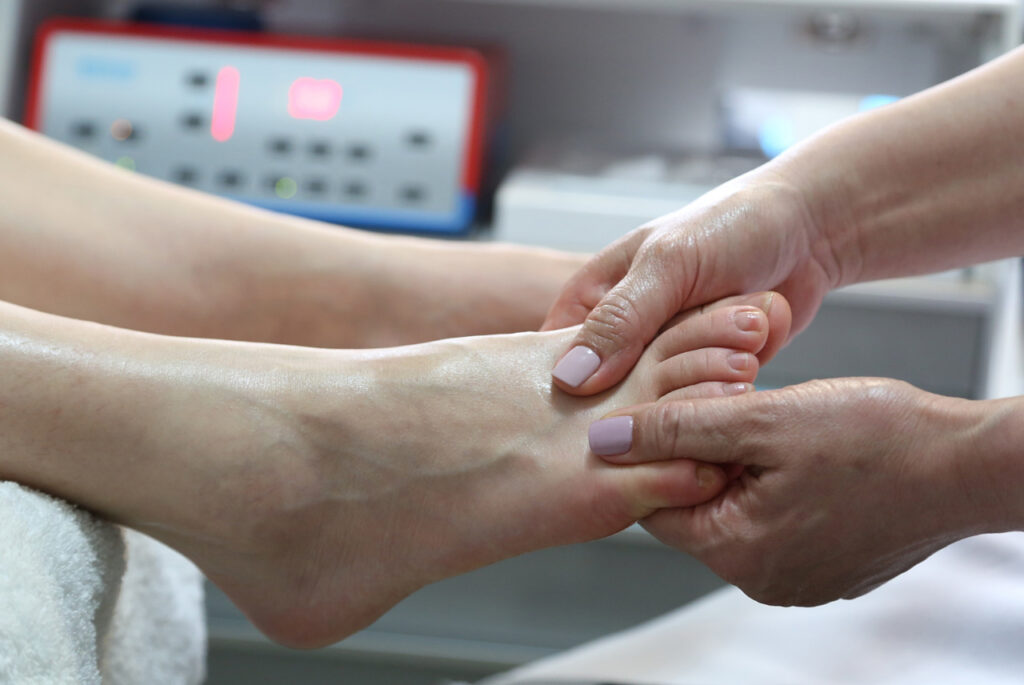
A DPM, or Doctor of Podiatric Medicine, is a healthcare professional who specializes in the diagnosis, treatment, and prevention of conditions affecting the feet, ankles, and lower legs. Think of them as foot specialists with a medical toolbox specifically designed for diabetes-related issues.
Unlike general practitioners who provide broad care, a DPM has years of focused training that prepares them to tackle both minor and severe foot problems, from routine nail care to complex surgeries. They are often the first line of defense against foot complications that diabetics face.
Why a DPM Differs from Other Doctors
General physicians and endocrinologists manage your diabetes overall, but they may not detect foot issues until they become serious.
DPMs, on the other hand, are like detectives who focus solely on your feet—they notice subtle changes like skin discoloration, abnormal pressure points, or early-stage neuropathy that could signal a bigger problem. Their intervention can prevent complications before they escalate, saving both your feet and your quality of life.
Diabetes and Foot Health: The Critical Connection
How Diabetes Affects Circulation
Diabetes often damages small blood vessels, which reduces blood flow to the extremities. Reduced circulation slows down the body’s natural healing process, meaning even tiny cuts or blisters take longer to heal.
Imagine trying to repair a road with very little traffic—it takes forever! Poor circulation also increases the risk of infections because immune cells struggle to reach the affected area. This is why regular foot care with a DPM is essential for diabetics living in Cypress Corner.
The Risk of Neuropathy and Foot Ulcers
Peripheral neuropathy is a condition where nerves are damaged, causing numbness or tingling in the feet. While it might sound minor, the danger is real: without feeling pain, you may not notice cuts, blisters, or pressure sores. These injuries can develop into ulcers—open wounds that are notoriously slow to heal in diabetics.
According to studies, diabetic foot ulcers are the leading cause of hospitalizations and lower-limb amputations in diabetics. That’s why proactive care by a DPM is not just important—it’s lifesaving.
Early Detection and Prevention: Key to Avoid Complications
Routine Foot Examinations
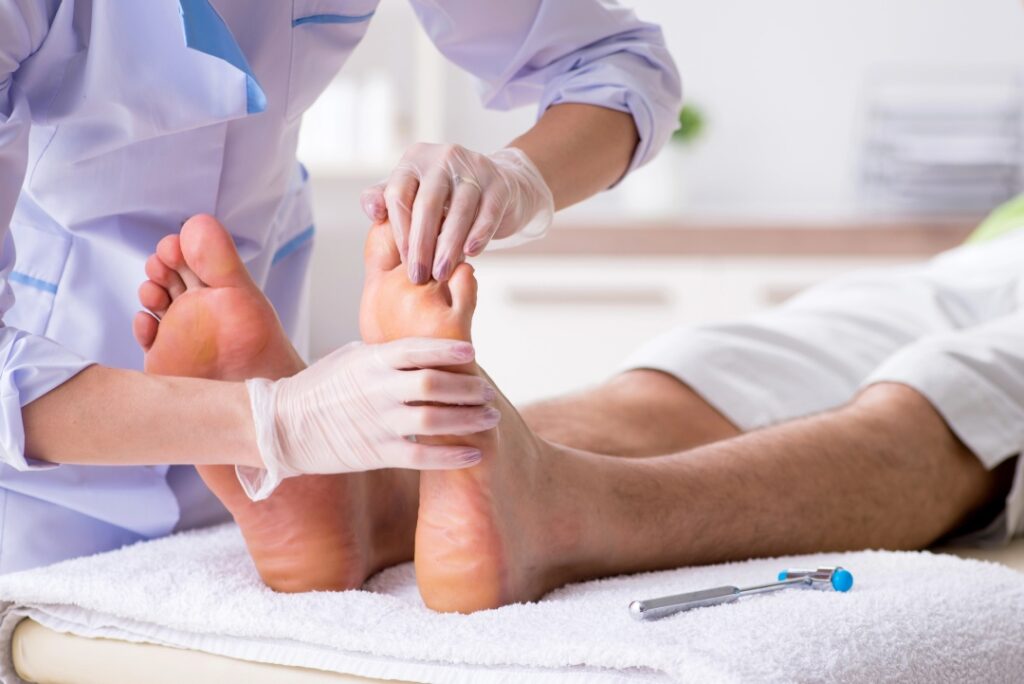
Regular visits to a DPM allow for thorough foot evaluations. These exams go beyond a visual inspection—they include checking circulation, nerve function, skin integrity, and even gait analysis.
During these appointments, your doctor may use tools like monofilament testing to detect early neuropathy or imaging to check for structural problems. Routine exams act like a safety net, catching issues before they turn dangerous.
Identifying Early Warning Signs
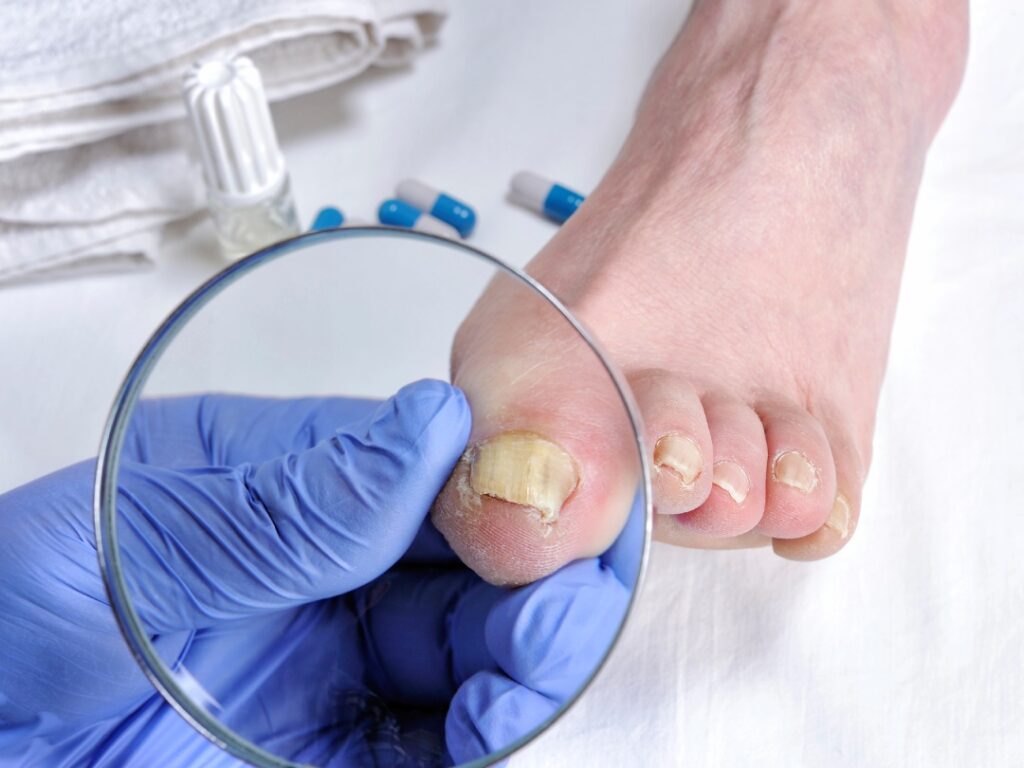
Some early warning signs of foot problems include redness, swelling, warmth, unusual odors, or even small cuts that don’t heal. DPMs educate patients on these signs, so you can act quickly. The earlier a problem is detected, the easier it is to treat—avoiding severe complications such as infections or amputations.
Treatment Options Provided by a DPM
Wound Care and Ulcer Management
When an ulcer or wound appears, it requires specialized care. DPMs clean the wound, remove dead tissue, and apply advanced dressings that promote healing. Infections are treated promptly with antibiotics, and ongoing monitoring ensures the wound is healing properly. This proactive approach significantly reduces the risk of hospitalization.
Custom Orthotics and Footwear
Diabetes changes the shape and sensitivity of your feet over time. Ill-fitting shoes can create friction and pressure points, which may cause ulcers. A DPM can create custom orthotics to evenly distribute weight, protect high-risk areas, and prevent deformities. Personalized footwear isn’t just about comfort—it’s a critical strategy for long-term foot health.
Surgical Interventions for Severe Cases
Sometimes, conservative measures aren’t enough. In cases of severe deformities, infections, or non-healing ulcers, surgery may be necessary. DPMs can perform procedures ranging from minor toenail or bunion corrections to complex surgeries that prevent amputation. While the idea of surgery can be scary, it often restores mobility and preserves quality of life.
Why Visiting Vital Podiatry Cypress Foot and Ankle Specialist Matters
Expertise in Diabetic Foot Care
At Vital Podiatry Cypress Foot and Ankle Specialist, diabetic foot care isn’t an afterthought—it’s the core focus. Their team is trained in the latest techniques and has access to modern equipment designed to diagnose and treat diabetic foot conditions effectively. Residents of Cypress Corner trust them for both preventative care and advanced interventions.
Personalized Treatment Plans
No two diabetic patients are alike. Factors like age, lifestyle, severity of diabetes, and existing complications all influence care. At Vital Podiatry Cypress, treatment plans are tailored to your unique situation. From routine monitoring to custom orthotics, wound care, and lifestyle recommendations, every plan is personalized for optimal results.
Practical Tips for Diabetic Foot Care at Home
Daily Foot Inspections
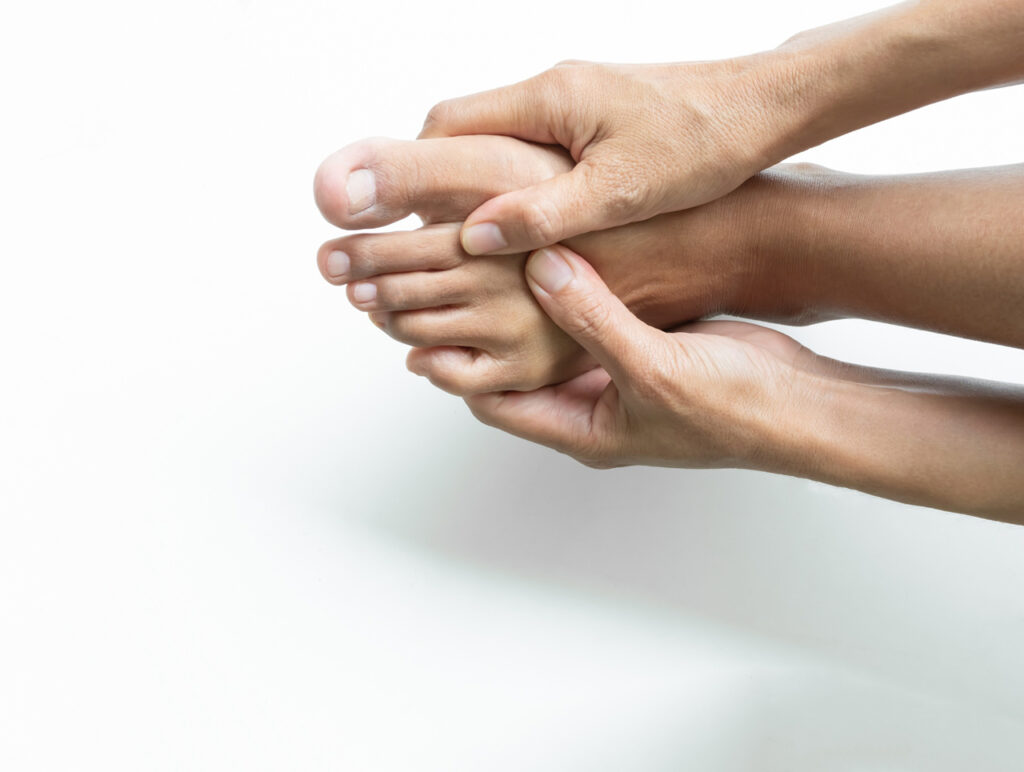
Make it a habit to inspect your feet every day. Use a mirror if needed, and check for cuts, blisters, redness, or swelling. Early detection is your first line of defense. If you spot anything unusual, contact your DPM immediately—don’t wait for it to “get better on its own.”
Proper Hygiene and Moisturization
Wash your feet daily with warm water (not hot) and mild soap, and dry thoroughly, especially between toes. Moisturize to prevent cracks and dryness, but avoid over-applying lotion between toes to prevent fungal infections. Healthy skin acts as a barrier against infections, making daily hygiene critical.
Footwear and Lifestyle Choices
Choose shoes that are well-fitted, supportive, and designed to reduce pressure on vulnerable areas. Avoid walking barefoot, even indoors. Incorporating low-impact exercises like swimming or cycling can boost circulation, but check with your DPM before starting new activities. Simple lifestyle choices can have a huge impact on foot health over time.
How Regular Visits to a DPM Can Prevent Amputations
Case Studies and Success Stories
Across Cypress Corner, many patients have avoided major complications thanks to DPM care. One common scenario: a diabetic patient notices minor redness on the foot, consults their DPM, and receives immediate treatment that prevents the development of a serious ulcer. Stories like these highlight that regular DPM visits aren’t just routine—they’re life-saving interventions.
The Broader Benefits of Regular DPM Care
Beyond preventing amputations, regular visits improve mobility, reduce pain, and enhance overall quality of life. Patients gain confidence in daily activities, knowing their feet are healthy and well-managed. A proactive approach helps maintain independence and keeps long-term healthcare costs down.
Vital Podiatry Cypress Foot and Ankle Specialist Serving the Cypress Corner Community and Beyond in Houston
Vital Podiatry Cypress Foot and Ankle Specialist is dedicated to serving the diverse needs of the local community of Houston, including individuals residing in neighborhoods like Cypress Corner. With its convenient location near landmarks such as the No Air Neighbor Park and major intersections like Meisterwood Dr. and Easterling Dr. (coordinates: 29.943856032118372, -95.62916320000001), we offer DPM doctor Cypress services.
Get DPM Doctor Services At Cypress Corner Now
CALL US NOW!
(281) 937-4546
Navigate from Cypress Corner to Vital Podiatry Cypress Foot and Ankle Specialist Now
The Lifesaving Role of a DPM Doctor
Diabetic foot care isn’t just a luxury—it’s a necessity. The combination of neuropathy, poor circulation, and compromised healing makes feet a high-risk area for diabetics. A DPM doctor, particularly from Vital Podiatry Cypress Foot and Ankle Specialist, provides the knowledge, tools, and proactive care needed to keep your feet healthy, prevent severe complications, and enhance quality of life.
By understanding the risks, acting early, and following a comprehensive care plan, diabetics can live active, pain-free lives. Remember: healthy feet are the foundation of mobility, independence, and overall well-being.
FAQs
1. How often should a diabetic see a DPM?
Ideally, every 3–6 months, or more frequently if you have existing complications or foot issues.
2. Can a DPM prevent diabetic foot ulcers?
Absolutely. Through routine exams, custom orthotics, and patient education, DPMs reduce the risk of ulcers forming.
3. Are foot infections in diabetics dangerous?
Very much so. Reduced circulation and neuropathy make infections harder to detect and treat, so prompt attention is critical.
4. What makes Vital Podiatry Cypress Foot and Ankle Specialist different?
Our specialized focus on diabetic foot care, personalized treatment plans, and advanced expertise tailored for Cypress Corner residents.
5. Can lifestyle changes improve diabetic foot health?
Yes. Proper hygiene, daily inspections, supportive footwear, and safe exercise are all key strategies.