Bunion surgery can feel like a life-changing event. For anyone who has struggled with a painful bunion for years, the thought of walking, running, and exercising without discomfort is incredibly exciting. But rushing back into activity too quickly can create setbacks.
Recovering after bunion surgery is not only about letting bones heal, it’s about regaining strength, balance, and confidence in your foot. In this guide, we’ll walk you through everything you need to know about returning to exercise after bunion surgery.

Understanding Bunion Surgery
What a Bunion Surgery Involves
A bunion, medically called hallux valgus, is a bony bump at the base of the big toe that can cause pain, swelling, and difficulty walking. Bunion surgery, or a bunionectomy, corrects this deformity by removing the bony protrusion and realigning the toe. Surgeons may use pins, screws, or plates to stabilize the toe.
There are multiple types of bunion surgery depending on severity:
- Osteotomy – Cutting and realigning the bone.
- Exostectomy – Removing the bony bump without realignment.
- Arthrodesis – Fusing the joint for severe cases.
Each procedure has a slightly different recovery timeline, but all involve managing pain, swelling, and protecting the foot during healing.
Common Recovery Timeline
Recovery after bunion surgery is a gradual process. The first 6–8 weeks usually involve limited weight-bearing, use of a post-op shoe, and managing pain and swelling. By 2–3 months, most patients regain flexibility and can start low-impact exercises.
Full recovery and return to high-impact activities like running or sports can take 3–6 months. Healing speed depends on your age, overall health, surgical procedure, and how closely you follow your doctor’s guidance.
Immediate Post-Surgery Care
Pain Management and Comfort
The first few days after surgery are often the toughest. Pain is normal and can range from mild to moderate, peaking in the first 48 hours. Ice packs, prescription pain medication, or over-the-counter options recommended by your podiatrist help reduce discomfort.
Keeping the foot elevated can reduce swelling and throbbing, but it’s important to avoid putting full weight on it too early.
Protecting Your Foot While Healing
A post-op shoe or surgical boot is essential to protect your foot. These devices prevent unnecessary movement and reduce stress on the healing bone and soft tissue. Crutches or a walker help you move around safely without risking injury. Avoid barefoot walking during this phase, as it can place dangerous pressure on the toe and slow healing.
When Can You Walk Again?
First Steps After Surgery
Many patients are allowed partial weight-bearing within the first 1–2 weeks. This doesn’t mean long walks or climbing stairs. Short trips around the house are enough initially. Some surgeons may recommend keeping the foot elevated whenever possible and limiting activity to essential movement.
Gradual Increase in Weight Bearing
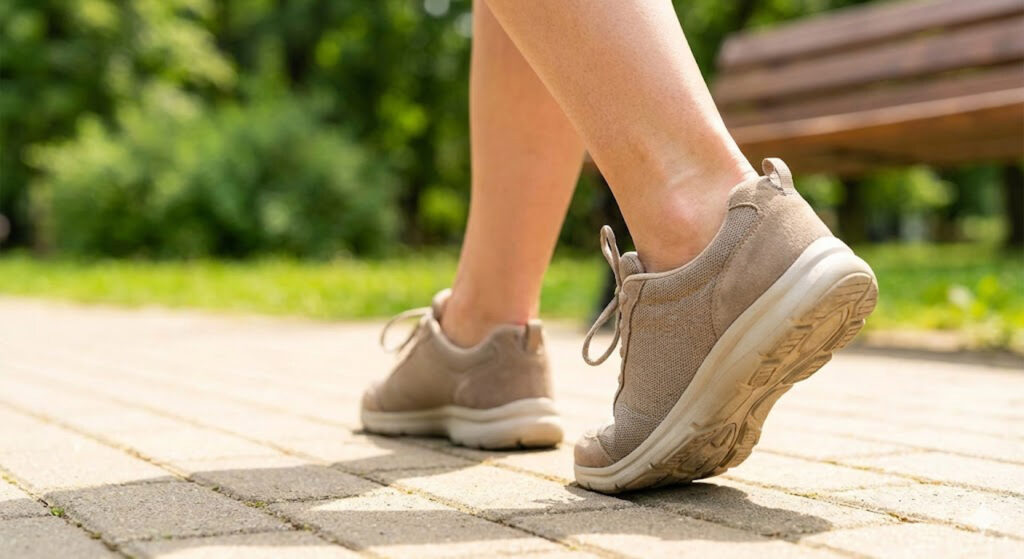
Around weeks 4–6, most patients can start placing more weight on the foot. You may transition to a more flexible shoe or a supportive sneaker as swelling decreases. This period is crucial for observing how your foot responds. Pain or swelling signals that you need to slow down. Walking outside, climbing stairs, and standing for longer periods should be introduced gradually.
Returning to Low-Impact Exercise
Recommended Activities
Once your foot tolerates light weight-bearing, low-impact exercises are safe and effective. These include:
- Stationary cycling
- Swimming or water aerobics
- Seated upper-body workouts
- Gentle yoga without stressing the big toe
These exercises keep your body active without putting excessive stress on the surgical site. Low-impact movement also promotes circulation, helping reduce swelling and speed recovery.
How to Know Your Foot is Ready
You can test readiness with a few simple checks:
- No sharp pain during gentle movement
- Swelling mostly subsided
- Ability to wear supportive footwear comfortably
Start new exercises slowly, with short sessions of 5–10 minutes. Gradually increase duration while monitoring for discomfort or swelling.
Progressing to Moderate Exercise
Timeline for Strengthening Exercises
Between 8–12 weeks, your podiatrist may allow moderate exercises to strengthen foot muscles and improve balance. These include:
- Toe curls and stretches
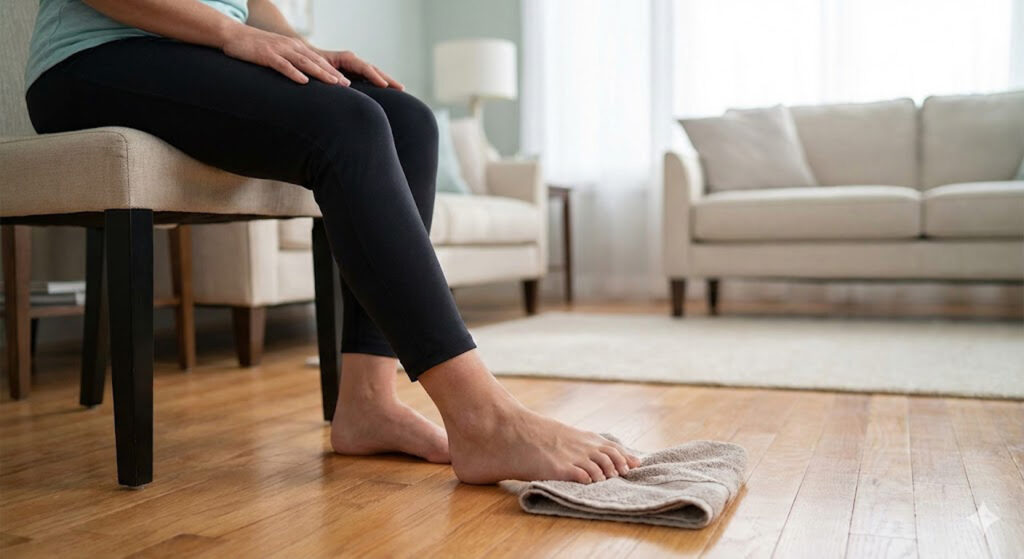
- Towel scrunches
- Calf raises
- Gentle ankle rotations
These exercises rebuild the small muscles around your foot, preventing stiffness and supporting the toe joint.
Monitoring Pain and Swelling
Even during moderate exercise, some discomfort is normal. Sharp pain, persistent swelling, or bruising indicates that you’re doing too much. Listening to your body is crucial. Take breaks, rest your foot, and consult your doctor if symptoms worsen.
High-Impact and Sports Activities
Risk of Returning Too Early
Running, jumping, and sports that place force on the big toe are high-risk. Returning too early can cause fractures, deformity recurrence, or prolonged swelling. Most patients wait at least 3–6 months before resuming these activities.
Tips for Safe Reintegration
- Gradually increase intensity, duration, and frequency
- Use shoes with good cushioning and toe protection
- Consider custom orthotics if recommended
- Monitor swelling after each session
The key is patience, rushing high-impact activity can undo months of healing.
Exercises to Avoid During Recovery
Movements That Stress the Big Toe
Avoid:
- Squats or lunges with weight
- High-impact jumping exercises
- Twisting or pivoting movements
- Barefoot running or fast walking
These movements place stress on the healing joint and can cause misalignment.
Common Mistakes Patients Make
- Ignoring pain or swelling
- Walking barefoot too early
- Skipping post-op shoes or supports
- Returning to sports without guidance
Being cautious protects your foot and ensures a smoother recovery.
Vital Podiatry Foot and Ankle Specialist Advice near Laurel Oaks
Personalized Recovery Plans
At Vital Podiatry Foot and Ankle Specialist in Houston, each patient receives a customized recovery plan. The team evaluates your foot, considers your activity goals, and adjusts timelines based on progress. This personal approach reduces the risk of setbacks.
Professional Monitoring and Guidance
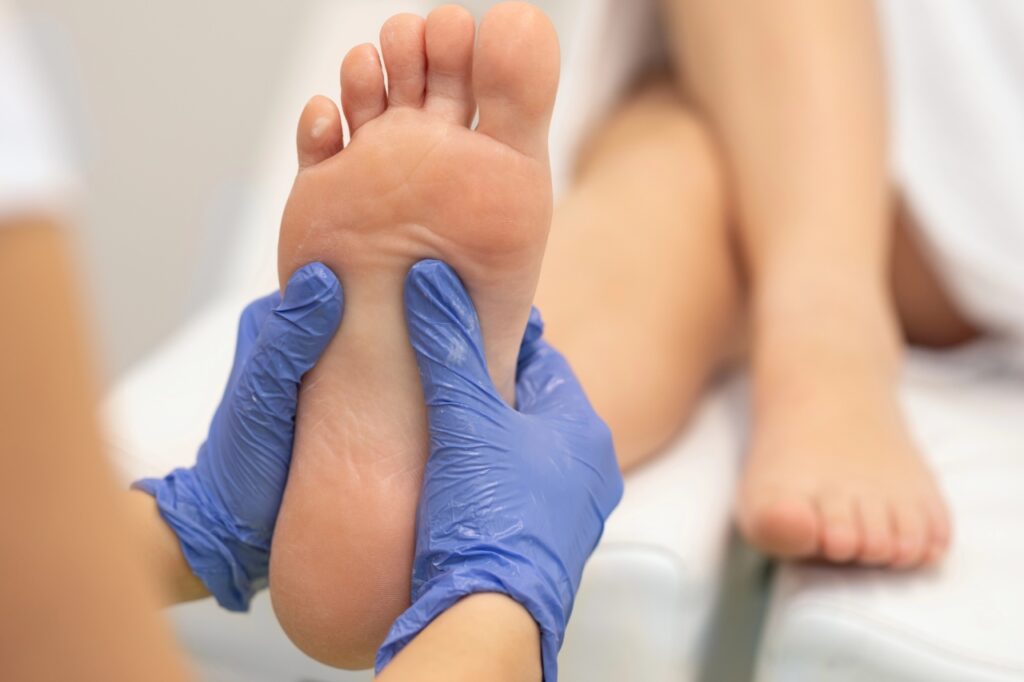
Regular follow-ups allow your podiatrist to monitor bone healing and joint alignment. They may recommend physical therapy, provide exercise guidance, and ensure you are safely progressing toward more active movements. Expert advice helps you avoid mistakes and accelerates recovery.
Tips for Faster, Safer Recovery
Supportive Footwear
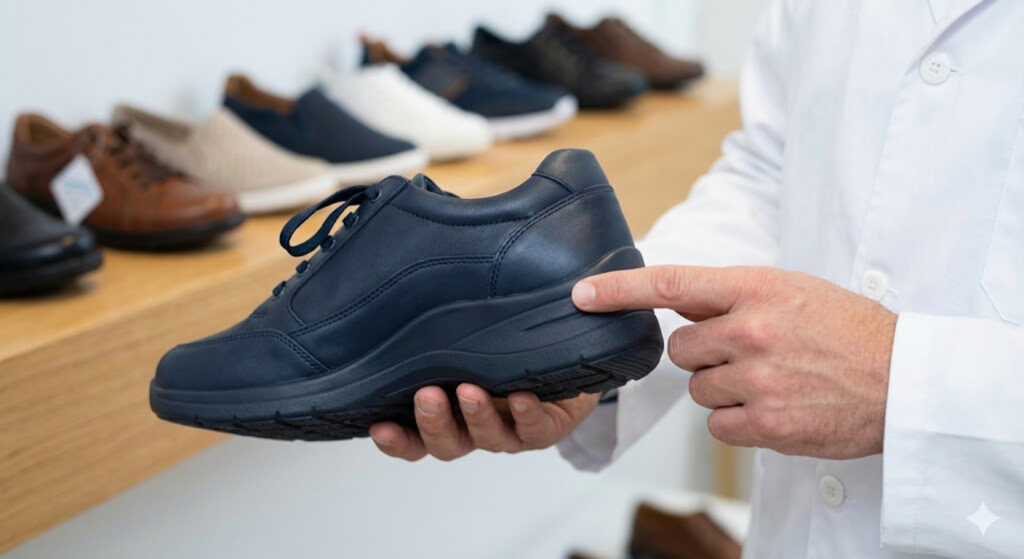
Wearing the right shoes is essential. Post-op shoes, wide-toe sneakers, and custom orthotics support the foot, reduce discomfort, and protect your toe during walking or exercise. Avoid high heels or tight footwear that can strain the big toe.
Home Care Practices
- Ice your foot daily to reduce swelling
- Perform gentle toe stretches to maintain mobility
- Keep your surgical area clean and dry
- Limit long periods of standing
- Rest when the foot feels tired
Following these practices ensures smoother recovery and prevents complications.
Signs You Are Ready to Exercise
Indicators of Healing
- Pain has subsided significantly
- Swelling is minimal and controlled
- Toe mobility is improving
- You can wear regular supportive footwear comfortably
Pain-Free Movements
Being able to flex, lift, and point your toe without discomfort signals that low-impact exercise is safe. Gradually add moderate or high-impact activity under professional guidance.
Psychological Readiness After Surgery
Overcoming Fear of Reinjury
Fear is normal after surgery. Starting slowly and tracking progress helps rebuild confidence. Each pain-free step or exercise session reinforces that your foot is healing properly.
Staying Motivated While Healing
Focus on what you can do while your foot recovers. Upper-body workouts, core strengthening, and light stretching keep you active and maintain fitness. Celebrate small milestones to stay motivated and positive.
Long-Term Exercise Strategies Post-Bunion Surgery
Strengthening the Foot
After full recovery, ongoing exercises help maintain foot strength and flexibility:
- Toe spreads and curls
- Calf raises
- Balance and proprioception drills
Regular practice prevents stiffness and keeps your foot healthy.
Preventing Recurrence
Bunion recurrence is possible if proper care isn’t maintained. Tips include:
- Wearing wide-toe shoes
- Avoiding excessive high heels
- Maintaining regular foot mobility exercises
- Monitoring foot alignment and comfort
These strategies keep your foot comfortable and functional long-term.
Vital Podiatry Foot and Ankle Specialist Serving the Laurel Oaks Community and Beyond in Houston
Vital Podiatry Foot and Ankle Specialist is dedicated to serving the diverse needs of the local community of Houston, including individuals residing in neighborhoods like Laurel Oaks. With its convenient location near landmarks such as the IDEA Spears and major intersections like River Laurel Dr & Spears Rd (coordinates: 29.96528,-95.44682), we offer bunion surgery doctors services.
Get Bunion Surgery Doctors Services at Laurel Oaks Now
CALL US NOW!
(281) 937-4546
Navigate from Laurel Oaks to Vital Podiatry Foot and Ankle Specialist Now
Regaining Strength and Confidence After Bunion Surgery
Returning to exercise after bunion surgery requires patience, careful planning, and guidance. Start with gentle, low-impact exercises, gradually progress to moderate activity, and delay high-impact sports until your foot is fully healed.
Following the advice of experts like Vital Podiatry Foot and Ankle Specialist in Houston ensures your recovery is safe, effective, and tailored to your needs. With time, proper care, and patience, you can regain full mobility and enjoy physical activity without pain.
FAQs
1. How soon can I walk without a boot after bunion surgery?
Most patients transition out of a post-op boot around 4–6 weeks, depending on healing, swelling, and your surgeon’s recommendation.
2. How long before running is safe again?
Running generally resumes 3–6 months post-surgery. Your readiness depends on healing progress, strength, and pain-free movement.
3. Are there exercises to speed up recovery?
Yes. Toe curls, towel scrunches, ankle rotations, and balance exercises help restore strength and flexibility without stressing the surgical site.
4. Will physical therapy help me return to sports faster?
Absolutely. Physical therapy provides structured exercises for strength, flexibility, and balance, allowing a safer and more efficient return to activity.
5. How do I know if I’m pushing too hard?
Sharp pain, persistent swelling, bruising, or difficulty walking are signs to slow down and consult your podiatrist before continuing.