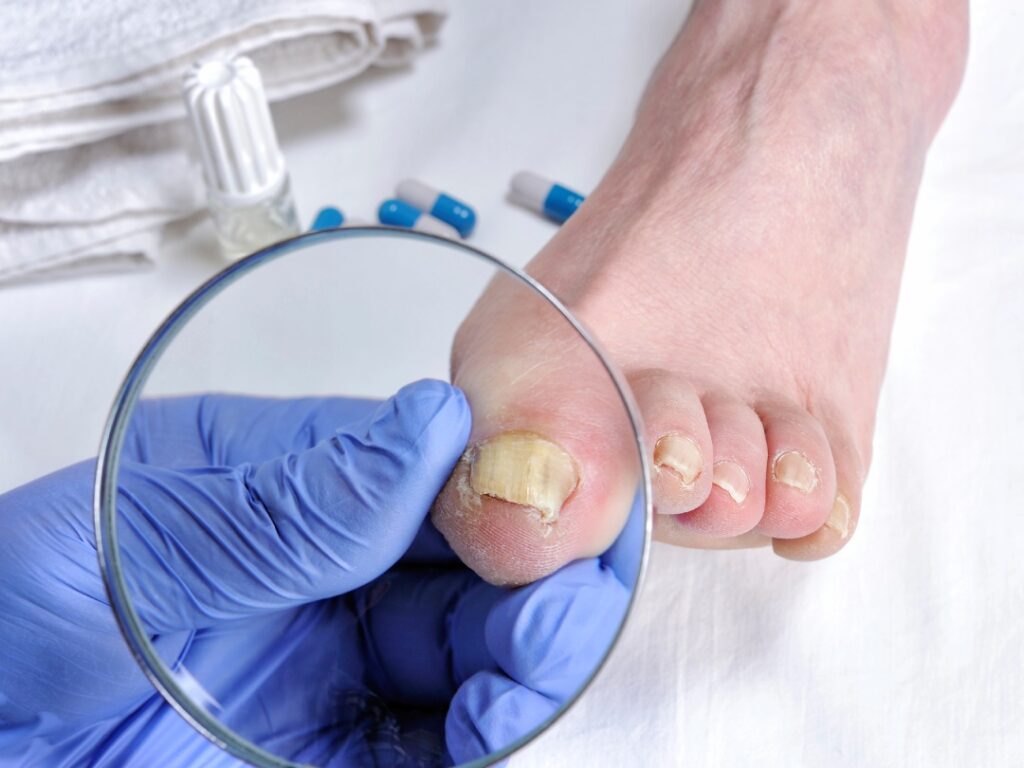
Understanding Diabetic Foot Wounds
Diabetic foot wounds are a hidden but serious complication of diabetes. Many patients underestimate their significance until it’s almost too late. Unlike ordinary cuts or scrapes, these wounds can persist for weeks or months and are prone to infection, often requiring specialized medical care. Diabetes affects the body in three key ways that make wounds harder to heal:
- Poor Circulation: Reduced blood flow slows the delivery of oxygen and nutrients essential for tissue repair.
- Nerve Damage (Neuropathy): Patients may not feel pain, allowing minor injuries to worsen unnoticed.
- Weakened Immune Response: High blood sugar impairs immune function, making infections more likely.
Think of it like a house with faulty plumbing, weak insulation, and a broken security system—any small problem, like a leak or a crack, can escalate quickly if not addressed promptly.

What Makes Diabetic Wounds Different?
Diabetic wounds are particularly stubborn due to the combined effects of neuropathy, poor circulation, and weakened immunity. Unlike normal wounds that progress through predictable healing stages, diabetic wounds often stall in the inflammatory stage, leaving the tissue open and vulnerable to infection.
Real-World Analogy
Imagine trying to repair a garden path while the soil is constantly eroding. Even if you lay new stones, the foundation isn’t strong enough to support them. That’s what it’s like for a diabetic wound—without proper care, the healing process struggles to get started.
Common Causes of Non-Healing Foot Wounds
Several factors contribute to wounds that fail to heal:
Neuropathy-Related Injuries
Neuropathy reduces sensation, so even sharp objects, burns, or friction from shoes can go unnoticed. A small blister under the toes may develop into a deep ulcer before the patient realizes it exists.
Peripheral Artery Disease (PAD)
PAD restricts blood flow to the lower extremities. Without proper circulation, wounds don’t receive enough oxygen or nutrients to heal, similar to a garden not getting enough water.
Infections
Warm, moist, poorly oxygenated wounds are a breeding ground for bacteria. Untreated infections can rapidly invade deeper tissues, even reaching bone (osteomyelitis).
Poor Blood Sugar Control
High glucose levels impair immune cell function and reduce the body’s ability to repair tissue. Patients with uncontrolled diabetes often experience slower healing and higher infection risk.
Why Non-Healing Foot Wounds Are Dangerous
Non-healing diabetic wounds are more than just painful—they can threaten mobility, independence, and in severe cases, life itself.
Risk of Infection and Gangrene
If bacteria infiltrate the wound, infections can spread quickly, sometimes resulting in tissue death (gangrene). At this stage, amputation may become necessary. Early intervention is critical—treating a wound promptly is like extinguishing a small fire before it becomes a raging inferno.
Impact on Mobility and Quality of Life
Painful or persistent wounds limit walking and standing, affecting daily life, work, and social activity. Reduced mobility can also lead to weight gain, muscle loss, and even emotional distress. Patients often describe the frustration as being “trapped in your own body,” because something as simple as walking becomes a challenge.
Signs That You Need a Diabetic Wound Care Doctor
Early recognition is vital. Prompt evaluation by a wound care specialist significantly reduces the risk of complications, including infection and amputation.
Persistent Pain or Redness
Constant pain, swelling, or redness may signal infection or inflammation. Even if the wound appears small, ongoing irritation indicates that natural healing is not progressing.
Open Wounds That Don’t Heal
Any wound lasting more than 1–2 weeks in a diabetic patient should be examined by a professional. Unlike healthy skin, diabetic tissue struggles to regenerate on its own, leaving wounds open and vulnerable.
Swelling, Odor, or Discharge
Swelling, pus, or foul odor are clear signs of infection. Even a slight discharge may indicate that bacteria are active beneath the surface. Immediate professional care is crucial to prevent the infection from spreading to deeper tissues or bone.
The Role of a Diabetic Wound Care Doctor
A diabetic wound care doctor is not just a “bandage expert.” They act like a detective and a strategist, evaluating all factors—circulation, infection, neuropathy, and blood sugar—and creating a customized treatment plan for each patient.
Initial Assessment and History Taking
The first step is a detailed review of the patient’s medical history. This includes:
- Diabetes duration and control levels
- Past foot wounds or infections
- Medications and comorbidities
- Lifestyle and activity levels
This step ensures the doctor tailors a plan specific to the patient’s condition, much like a tailor measuring fabric before creating a custom garment.
Physical Examination and Diagnostic Tools
Doctors evaluate the wound itself and the surrounding tissue. Tools may include:
- Doppler studies to measure blood flow
- Nerve conduction tests to assess neuropathy
- X-rays or MRI scans to check for bone involvement
This thorough assessment ensures the treatment addresses not just the visible wound but also the underlying factors preventing healing.
Treatment Approaches for Non-Healing Foot Wounds
Healing diabetic foot wounds requires a multi-pronged approach. Treatment is individualized and may include the following:
Debridement: Cleaning and Removing Dead Tissue
Debridement removes dead or infected tissue, preventing bacteria from thriving and allowing healthy tissue to regenerate. Think of it as pruning dead branches to help a tree grow stronger.
Advanced Dressings and Topical Treatments
Modern dressings maintain a balanced moisture environment, protect against contamination, and sometimes deliver medication directly to the wound. Certain advanced dressings release growth factors that stimulate tissue regeneration, essentially giving the wound a “jump start” on healing.
Offloading and Pressure Relief Techniques
Reducing pressure on the wound is critical. Special footwear, casts, or custom orthotics help redistribute weight and prevent further tissue damage. Without offloading, even minor pressure can undo progress, like walking on a healing cut that keeps reopening.
Infection Management: Antibiotics and Antimicrobials
If infection is present, doctors prescribe oral or topical antibiotics. Untreated infections can reach the bone or bloodstream, leading to severe complications. Early, targeted infection control is a cornerstone of successful diabetic wound care.
Hyperbaric Oxygen Therapy and Cutting-Edge Options
Advanced therapies such as hyperbaric oxygen therapy deliver oxygen-rich air to the wound, enhancing healing. Other innovative treatments, like platelet-rich plasma therapy, stimulate tissue repair using the patient’s own growth factors. These techniques act like turbo-charging the body’s natural repair mechanisms.
Preventing Recurrence of Foot Wounds
Even after healing, diabetic patients must take proactive steps to prevent future wounds.
Daily Foot Care Practices
Daily inspection, washing, and nail trimming can prevent minor issues from becoming major problems. Even a small blister or corn should be treated immediately.
Blood Sugar Management
Consistently maintaining healthy glucose levels improves healing, reduces infection risk, and prevents future wounds. Tools like continuous glucose monitors or frequent fingersticks can help patients stay on track.
Proper Footwear and Orthotics
Shoes that fit well, along with custom orthotics, reduce friction and redistribute pressure. Proper footwear acts like armor, protecting the foot from everyday hazards.
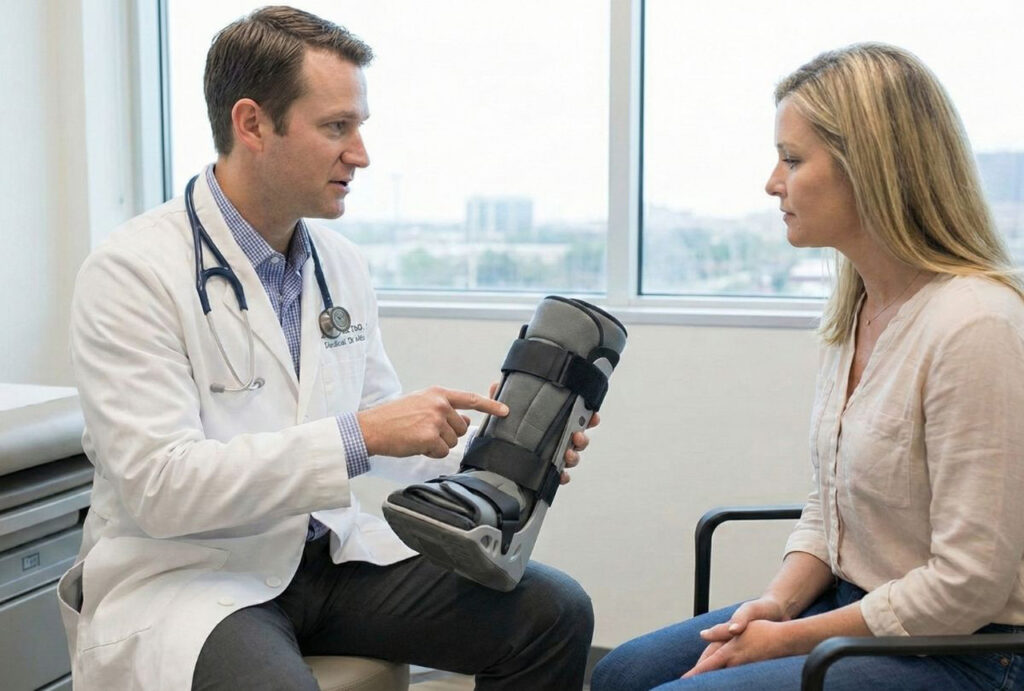
Vital Podiatry Foot and Ankle Specialist in Meadow Vista
If you live in Meadow Vista, Vital Podiatry Foot and Ankle Specialist provides comprehensive, expert care for diabetic foot wounds. Their approach combines medical expertise with personalized treatment plans.
Personalized Care Plans
Every patient receives an individualized plan targeting the root causes of the wound. Treatment may combine debridement, offloading, infection management, and lifestyle counseling.
Patient Success Stories
Patients who once struggled with chronic, non-healing wounds have regained mobility, avoided amputation, and restored confidence under Vital Podiatry’s care. These real-world results highlight the life-changing impact of professional wound management.
When to Seek Emergency Care
Some situations require immediate attention to prevent severe complications.
Red Flags That Require Immediate Attention
- Severe pain or sudden swelling
- Spreading redness or streaks
- Foul odor or pus
- Fever, chills, or feeling unwell
- Blackened or discolored tissue (possible gangrene)
These signs indicate a rapidly progressing infection or tissue death. Prompt medical attention can save limbs and lives.
Lifestyle Tips for Diabetics to Support Foot Health
Healthy habits are essential for long-term foot care.
Nutrition and Exercise
Protein, vitamins C and D, and antioxidants support tissue repair, while regular low-impact exercise improves circulation. Even short walks or leg stretches can significantly improve blood flow to the feet.
Regular Check-Ups and Monitoring
Frequent visits to a podiatrist detect problems early, often before symptoms appear. Preventive monitoring is the best strategy for avoiding complications.
The Emotional Side of Chronic Wounds
Dealing with a non-healing wound is emotionally draining. Addressing mental health is a critical component of holistic care.
Coping with Frustration and Anxiety
Patients may feel helpless or anxious when healing is slow. Mindfulness, therapy, and relaxation techniques can reduce stress and improve adherence to care plans.
Support Systems and Community Resources
Family, friends, and diabetes support groups provide motivation, practical advice, and emotional support, making recovery more manageable.
Vital Podiatry Foot and Ankle Specialist Serving the Meadow Vista Community and Beyond in Houston
Vital Podiatry Foot and Ankle Specialist is dedicated to serving the diverse needs of the local community of Houston, including individuals residing in neighborhoods like Meadow Vista. With its convenient location near landmarks such as the Sam Houston Race Park and major intersections like Vancouver Ln and Sweetbrush Dr (coordinates: 29.94438,-95.55471), we offer diabetic wound care doctor Houston services.
Get Diabetic Wound Care Doctor Services at Meadow Vista Now
CALL US NOW!
(281) 937-4546
Navigate from Meadow Vista to Vital Podiatry Foot and Ankle Specialist Now
Conclusion
Non-healing diabetic foot wounds are serious but manageable with early intervention, professional care, and lifestyle adjustments. From advanced wound therapies to preventive strategies, a diabetic wound care doctor addresses every factor slowing healing.
In Meadow Vista, Vital Podiatry Foot and Ankle Specialist offers personalized, state-of-the-art care to restore mobility, prevent recurrence, and improve quality of life.
FAQs
1. How long does it take for a diabetic foot wound to heal?
Healing depends on wound severity, infection, circulation, and blood sugar control. Minor wounds may heal in weeks; deeper ulcers can take months.
2. Can non-healing foot wounds lead to amputation?
Yes, untreated infections or gangrene can necessitate amputation. Early intervention significantly reduces this risk.
3. How often should a diabetic check their feet?
Daily self-inspection plus routine podiatry visits every 3–6 months is recommended.
4. Are there new treatments for stubborn diabetic wounds?
Yes—hyperbaric oxygen therapy, advanced dressings, and growth factor therapies are effective for stubborn wounds.
5. Can proper footwear prevent foot wounds?
Absolutely. Shoes that fit correctly and custom orthotics reduce pressure points and friction, which are major causes of ulcers.