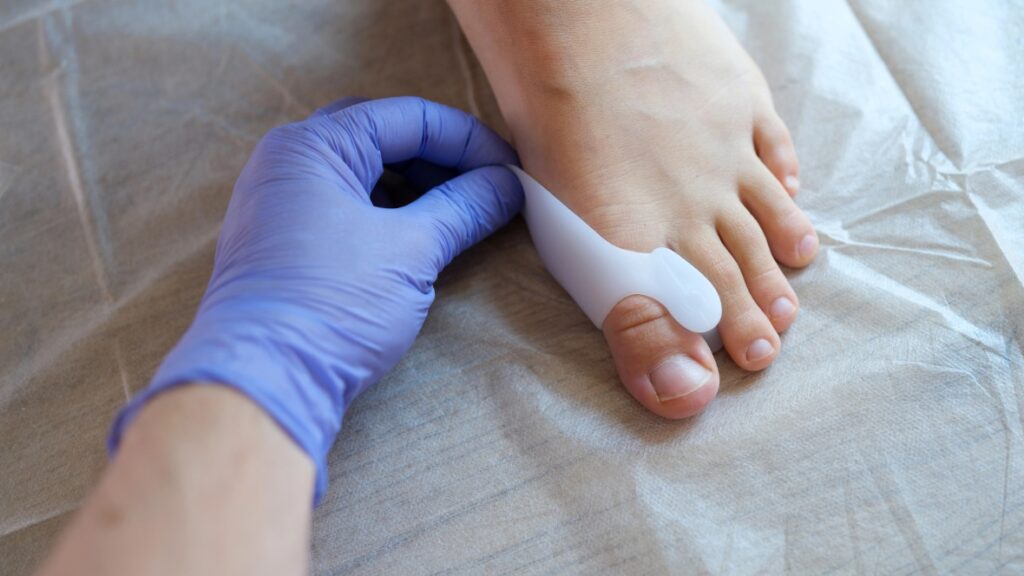
How Do Diabetic Wound Care Doctors Treat Foot Ulcers

March 7, 2026

Foot ulcers are one of the most common complications for people living with Diabetes Mellitus. When blood sugar levels remain high over time, damage can occur in nerves and blood vessels. This damage increases the risk of wounds on the feet that may heal slowly or become infected. These wounds are commonly known as Diabetic Foot Ulcer.

Diabetic wound care doctors, including podiatrists and wound care specialists, use several medical approaches to treat these ulcers and help prevent serious complications. Treatment usually involves wound cleaning, pressure relief, infection control, and improving circulation. 

This article explains how diabetic wound care doctors treat foot ulcers and what patients can expect during the treatment process.

Understanding Diabetic Foot Ulcers

A diabetic foot ulcer is an open wound that often appears on the bottom or side of the foot. Many people with diabetes develop these wounds because of nerve damage and reduced blood flow.

Two common medical problems often lead to these ulcers:

  • Peripheral Neuropathy
  • Peripheral Artery Disease

Peripheral neuropathy reduces feeling in the feet. A person may not notice small cuts, blisters, or pressure points. Over time, these small injuries can turn into larger wounds.

Peripheral artery disease reduces blood circulation in the legs and feet. When blood flow decreases, the body has a harder time repairing damaged tissue.

When these conditions occur together, the risk of foot ulcers increases. Without treatment, these ulcers may become infected and lead to more serious health problems.
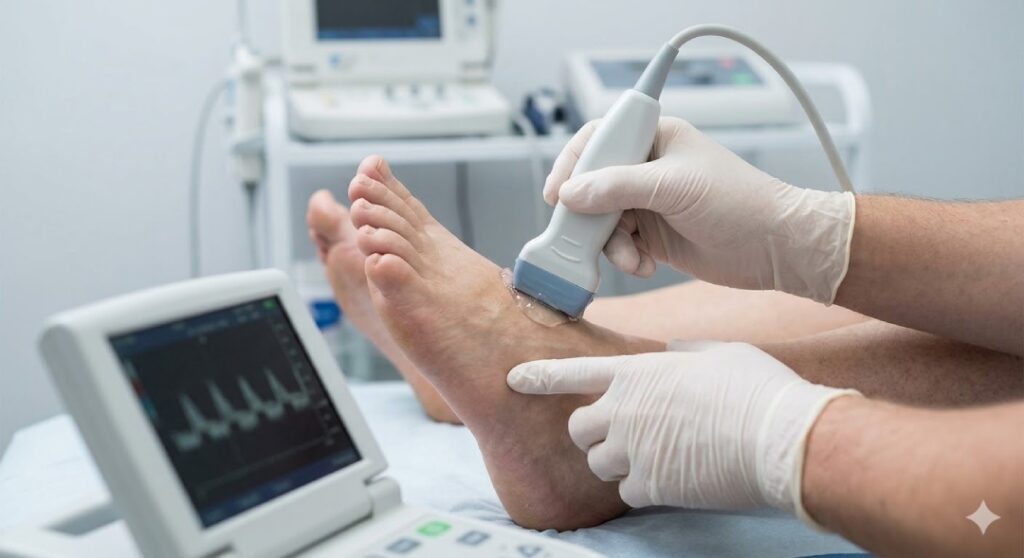
A diabetic wound care doctor cypress performing a non-invasive vascular Doppler circulatory check on a foot.

Initial Evaluation by a Diabetic Wound Care Doctor

Before starting treatment, doctors perform a detailed evaluation of the ulcer and the patient’s overall health. This assessment helps them choose the right treatment plan.

The evaluation usually includes:

Physical Examination

The doctor checks the wound’s:

  • Size and depth
  • Location on the foot
  • Signs of infection
  • Surrounding skin condition

They also look for swelling, redness, or drainage that may suggest infection.

Circulation Testing

Blood flow to the feet is measured to see if circulation problems are slowing healing. Reduced circulation may require additional treatments.

Nerve Testing

Doctors may check for loss of sensation caused by peripheral neuropathy. This helps explain how the ulcer developed and how to prevent future wounds.

Medical History Review

Blood sugar control, medications, and existing health conditions all affect wound healing. Doctors review this information before creating a treatment plan.

Cleaning and Debridement of the Wound

One of the first steps in treating a diabetic foot ulcer is cleaning the wound. Doctors remove dead or damaged tissue from the ulcer through a process called debridement.

Why Debridement Is Important

Dead tissue slows the healing process and can allow bacteria to grow. Removing this tissue helps the body repair the wound more effectively.

Debridement may involve:

  • Surgical removal of dead tissue
  • Special wound dressings that break down damaged tissue
  • Enzymatic treatments that help dissolve unhealthy tissue

After the wound is cleaned, doctors apply sterile dressings to protect the area.

Reducing Pressure on the Foot

Continuous pressure on the wound is one of the main reasons diabetic foot ulcers fail to heal. Doctors often recommend methods that reduce weight and pressure on the affected area.

Offloading Devices

Offloading means taking pressure away from the wound. Common offloading methods include:

  • Special medical boots
  • Custom orthotics
  • Total contact casts
  • Protective footwear

These devices help spread body weight more evenly across the foot. This allows the ulcer to heal without repeated stress.

Patients are usually asked to limit walking and standing during the early stages of treatment.

Infection Control and Antibiotic Treatment

Foot ulcers can easily become infected because bacteria enter through open skin. Doctors carefully monitor for infection during treatment.

Common signs include:

  • Redness around the wound
  • Warm skin
  • Swelling
  • Pus or drainage
  • Increased pain

If infection is present, doctors may prescribe antibiotics. In some cases, samples from the wound are tested in a lab to identify the bacteria involved.

This helps doctors choose the most effective medication.

Untreated infection can spread to deeper tissues or bone, which is why early treatment is important.

A specialized diabetic wound care doctor cypress and patient review a comprehensive treatment chart.

Advanced Wound Care Treatments

In some cases, standard wound care methods may not be enough to heal a diabetic foot ulcer. Doctors may then recommend advanced treatments.

These treatments help support tissue repair and encourage new skin growth.

Specialized Wound Dressings

Modern wound dressings help maintain the right moisture balance. They also protect the wound from bacteria and external damage.

Examples include:

  • Hydrogel dressings
  • Foam dressings
  • Antimicrobial dressings

Each type is chosen based on the condition of the wound.

Skin Substitutes or Tissue Grafts

Some wounds heal slowly because the body cannot produce enough new tissue. Skin substitutes or grafts may be used to support the healing process.

These materials help cover the wound and encourage new skin growth.

Negative Pressure Wound Therapy

This treatment uses controlled suction to remove excess fluid from the wound. The pressure helps increase blood flow and supports tissue repair.

Doctors may recommend this method for deeper or larger ulcers.

Improving Circulation for Better Healing

Poor circulation is a major factor that slows healing in diabetic foot ulcers. Doctors sometimes focus on improving blood flow to the foot.

Tests may be performed to check for blocked arteries or reduced circulation.

If circulation problems are identified, treatment may include:

  • Medications that support blood flow
  • Lifestyle changes such as quitting smoking
  • Procedures that improve circulation in the legs

Better blood flow helps deliver oxygen and nutrients needed for tissue repair.

Managing Blood Sugar Levels During Treatment

Controlling blood sugar is an important part of healing diabetic foot ulcers.

High glucose levels can slow the body’s ability to repair damaged tissue and fight infection. Doctors often work with patients to improve diabetes management during wound care treatment.

This may involve:

  • Adjusting medications
  • Monitoring blood sugar more frequently
  • Changing diet and physical activity habits

When blood sugar levels improve, the body is better able to heal wounds.

Preventing Future Foot Ulcers

Once a diabetic foot ulcer heals, doctors focus on preventing new wounds from developing. Patients are usually given long-term foot care recommendations.

These may include:

Daily Foot Checks

People with diabetes are encouraged to inspect their feet every day. Small cuts, blisters, or redness should be noticed early.

Proper Footwear

Shoes that fit correctly help prevent pressure points and friction that can cause skin damage.

Regular Medical Checkups

Routine foot exams help doctors detect problems before they turn into ulcers.

Skin Care

Keeping the skin clean and moisturized helps prevent cracks that may lead to wounds.

Preventive care plays a large role in reducing the risk of future foot complications.

When to See a Diabetic Wound Care Doctor

Many people wait too long before seeking treatment for a foot wound. Any foot injury in a person with diabetes should be evaluated if it does not start healing within a few days.

Signs that medical care may be needed include:

  • A wound that does not heal
  • Redness or swelling around the injury
  • Drainage or odor from the wound
  • Increasing pain or warmth in the area

Early treatment can prevent infection and reduce the risk of complications.

Professional Diabetic Foot Care in Cypress

People with diabetes benefit from medical professionals who understand how foot ulcers develop and how to treat them safely. Specialized care often includes advanced wound treatment, pressure relief methods, and long-term prevention strategies.

At Vital Podiatry Cypress Foot and Ankle Specialist, patients receive care focused on diagnosing and treating diabetic foot ulcers using modern wound care techniques. Early evaluation and consistent treatment can support healing and help patients protect their long-term foot health.

Trusted Diabetic Wound Care Doctor Near Huffmeister Park: Expert Foot Ulcer Treatment at Vital Podiatry Cypress Foot and Ankle Specialist

Living with diabetes means paying close attention to foot health. Even a small cut or blister can turn into a serious wound if it is not treated early. For residents near Huffmeister Park in Cypress, having access to experienced diabetic wound care doctors can make a meaningful difference in healing and long-term foot health.

At Vital Podiatry Cypress Foot and Ankle Specialist, patients receive focused care for diabetic foot conditions, including treatment for Diabetic Foot Ulcer and other diabetes-related wounds. Our clinic provides medical evaluation, advanced wound care treatments, and prevention strategies designed to support healing and reduce the risk of complications.

Specialized Care for Diabetic Foot Ulcers

People living with Diabetes Mellitus often face foot complications due to nerve damage and reduced circulation. Conditions like Peripheral Neuropathy can reduce sensation in the feet, making it difficult to notice injuries. At the same time, circulation problems such as Peripheral Artery Disease may slow down the healing process.

Our diabetic wound care doctors understand these challenges. Treatment plans are built around careful wound evaluation, infection control, and techniques that support healthy tissue repair.

Patients receive care that may include:

  • Professional wound cleaning and debridement
  • Advanced medical dressings designed to support healing
  • Offloading techniques that reduce pressure on the affected area
  • Infection monitoring and treatment
  • Guidance on diabetic foot care and prevention

Each treatment plan is tailored to the patient’s condition and medical history.

Convenient Care for Patients Near Huffmeister Park

Patients who live near Huffmeister Park do not have to travel far to receive specialized diabetic foot care. Our Cypress location provides accessible treatment for individuals who need ongoing wound monitoring and professional foot care.

Regular visits allow our medical team to track healing progress, change treatment when necessary, and address concerns before they become larger problems.

A Focus on Early Treatment and Prevention

Early care plays an important role in managing diabetic wounds. When foot ulcers are treated quickly, the chances of infection and serious complications are lower.

At Vital Podiatry Cypress Foot and Ankle Specialist, our approach focuses not only on treating current wounds but also on preventing future problems. Patients receive education on:

  • Daily foot inspections
  • Proper footwear choices
  • Skin care routines for people with diabetes
  • Recognizing early warning signs of foot ulcers

These simple habits can help reduce the risk of recurring wounds.

Why Patients Choose Vital Podiatry Cypress Foot and Ankle Specialist

Patients seeking a diabetic wound care doctor in Cypress often choose our clinic because we provide focused, patient-centered care.

Key benefits include:

Experienced diabetic wound care treatment
Our team understands the medical factors that influence wound healing in diabetic patients.

Modern wound care techniques
We use updated treatment methods designed to support tissue repair and reduce infection risk.

Personalized treatment plans
Each patient receives a care plan based on their specific condition and medical history.

Convenient Cypress location
Our clinic serves patients throughout Cypress, including those living near Huffmeister Park.

Schedule a Diabetic Foot Evaluation

Foot ulcers can become serious if they are not treated early. If you have diabetes and notice a wound that is slow to heal, professional care can help prevent complications.

At Vital Podiatry Cypress Foot and Ankle Specialist, our diabetic wound care doctors provide evaluation, treatment, and long-term foot health guidance for patients in Cypress and surrounding neighborhoods like Huffmeister Park.

Taking action early can help protect your mobility, comfort, and overall health. If you are looking for a trusted diabetic wound care doctor in Cypress, our team is here to help.

Vital Podiatry Cypress Foot and Ankle Specialist Serving the Huffmeister Park Community and Beyond in Cypress

Vital Podiatry Cypress Foot and Ankle Specialist is dedicated to serving the diverse needs of the local community of Cypress, including individuals residing in neighborhoods like Huffmeister Park. With its convenient location near landmarks such as the Neighborhood Park and major intersections like Hempstead Hwy. and Huffmeister Rd. (coordinates: 29.9258696, -95.62916320000001), we offer diabetic wound care doctor Cypress services.

Get Diabetic Wound Care Doctor Services at Huffmeister Park Now

CALL US NOW!

(281) 937-4546

Navigate from Huffmeister Park to Vital Podiatry Cypress Foot and Ankle Specialist Now

Final Thoughts

Diabetic foot ulcers develop when nerve damage, reduced circulation, and skin injuries occur together. Because these wounds can heal slowly, medical care from a diabetic wound specialist is often needed.

Doctors treat foot ulcers using a combination of wound cleaning, pressure relief, infection control, advanced therapies, and blood sugar management. Each treatment plan is based on the patient’s overall health and the condition of the wound.

With early care and proper prevention, many diabetic foot ulcers can heal successfully. Regular foot monitoring, good diabetes management, and professional medical support all help reduce the risk of serious complications.

FAQs

1. What is a diabetic foot ulcer and why does it develop?

A Diabetic Foot Ulcer is an open wound that usually forms on the bottom or sides of the foot. It commonly develops in people with Diabetes Mellitus because high blood sugar can damage nerves and blood vessels. Nerve damage, known as Peripheral Neuropathy, reduces feeling in the feet, while poor circulation can slow the healing process. These factors make it easier for small cuts or blisters to develop into larger wounds.

2. How do diabetic wound care doctors treat foot ulcers?

Diabetic wound care doctors treat foot ulcers using a combination of medical approaches. Treatment may include cleaning the wound, removing dead tissue through debridement, applying specialized dressings, and reducing pressure on the affected foot. Doctors also monitor for infection, prescribe antibiotics if needed, and address circulation problems that may slow healing.

3. How long does it take for a diabetic foot ulcer to heal?

Healing time varies depending on the size of the wound, the patient’s circulation, and blood sugar control. Some smaller ulcers may improve within a few weeks with proper care, while deeper wounds may take several months. Regular monitoring by a wound care specialist helps ensure the treatment plan is working and allows adjustments if healing slows.

4. When should someone with diabetes see a doctor for a foot wound?

Anyone with diabetes should see a doctor if a foot wound does not begin healing within a few days. Medical care is also recommended if the wound becomes red, swollen, painful, or produces drainage. Early treatment helps reduce the risk of infection and other complications.

5. Can diabetic foot ulcers be prevented?

Yes, many diabetic foot ulcers can be prevented with proper foot care. Daily foot inspections, wearing well-fitting shoes, keeping the skin clean and moisturized, and managing blood sugar levels all help reduce the risk. Regular foot exams with a specialist, such as those offered at Vital Podiatry Cypress Foot and Ankle Specialist, can also help detect potential problems early.

TAKE YOUR FIRST STEP

OR CALL US

(281) 937-4546

Related Post


Foot ulcers are one of the most common complications for people living with Diabetes Mellitus. When blood sugar levels remain high over time, damage can occur in nerves and blood vessels. This damage increases the risk of wounds on the feet that may heal slowly or become infected. These wounds are commonly known as Diabetic Foot Ulcer.

Diabetic wound care doctors, including podiatrists and wound care specialists, use several medical approaches to treat these ulcers and help prevent serious complications. Treatment usually involves wound cleaning, pressure relief, infection control, and improving circulation. 

This article explains how diabetic wound care doctors treat foot ulcers and what patients can expect during the treatment process.

Understanding Diabetic Foot Ulcers

A diabetic foot ulcer is an open wound that often appears on the bottom or side of the foot. Many people with diabetes develop these wounds because of nerve damage and reduced blood flow.

Two common medical problems often lead to these ulcers:

  • Peripheral Neuropathy
  • Peripheral Artery Disease

Peripheral neuropathy reduces feeling in the feet. A person may not notice small cuts, blisters, or pressure points. Over time, these small injuries can turn into larger wounds.

Peripheral artery disease reduces blood circulation in the legs and feet. When blood flow decreases, the body has a harder time repairing damaged tissue.

When these conditions occur together, the risk of foot ulcers increases. Without treatment, these ulcers may become infected and lead to more serious health problems.

A diabetic wound care doctor cypress performing a non-invasive vascular Doppler circulatory check on a foot.

Initial Evaluation by a Diabetic Wound Care Doctor

Before starting treatment, doctors perform a detailed evaluation of the ulcer and the patient’s overall health. This assessment helps them choose the right treatment plan.

The evaluation usually includes:

Physical Examination

The doctor checks the wound’s:

  • Size and depth
  • Location on the foot
  • Signs of infection
  • Surrounding skin condition

They also look for swelling, redness, or drainage that may suggest infection.

Circulation Testing

Blood flow to the feet is measured to see if circulation problems are slowing healing. Reduced circulation may require additional treatments.

Nerve Testing

Doctors may check for loss of sensation caused by peripheral neuropathy. This helps explain how the ulcer developed and how to prevent future wounds.

Medical History Review

Blood sugar control, medications, and existing health conditions all affect wound healing. Doctors review this information before creating a treatment plan.

Cleaning and Debridement of the Wound

One of the first steps in treating a diabetic foot ulcer is cleaning the wound. Doctors remove dead or damaged tissue from the ulcer through a process called debridement.

Why Debridement Is Important

Dead tissue slows the healing process and can allow bacteria to grow. Removing this tissue helps the body repair the wound more effectively.

Debridement may involve:

  • Surgical removal of dead tissue
  • Special wound dressings that break down damaged tissue
  • Enzymatic treatments that help dissolve unhealthy tissue

After the wound is cleaned, doctors apply sterile dressings to protect the area.

Reducing Pressure on the Foot

Continuous pressure on the wound is one of the main reasons diabetic foot ulcers fail to heal. Doctors often recommend methods that reduce weight and pressure on the affected area.

Offloading Devices

Offloading means taking pressure away from the wound. Common offloading methods include:

  • Special medical boots
  • Custom orthotics
  • Total contact casts
  • Protective footwear

These devices help spread body weight more evenly across the foot. This allows the ulcer to heal without repeated stress.

Patients are usually asked to limit walking and standing during the early stages of treatment.

Infection Control and Antibiotic Treatment

Foot ulcers can easily become infected because bacteria enter through open skin. Doctors carefully monitor for infection during treatment.

Common signs include:

  • Redness around the wound
  • Warm skin
  • Swelling
  • Pus or drainage
  • Increased pain

If infection is present, doctors may prescribe antibiotics. In some cases, samples from the wound are tested in a lab to identify the bacteria involved.

This helps doctors choose the most effective medication.

Untreated infection can spread to deeper tissues or bone, which is why early treatment is important.

A specialized diabetic wound care doctor cypress and patient review a comprehensive treatment chart.

Advanced Wound Care Treatments

In some cases, standard wound care methods may not be enough to heal a diabetic foot ulcer. Doctors may then recommend advanced treatments.

These treatments help support tissue repair and encourage new skin growth.

Specialized Wound Dressings

Modern wound dressings help maintain the right moisture balance. They also protect the wound from bacteria and external damage.

Examples include:

  • Hydrogel dressings
  • Foam dressings
  • Antimicrobial dressings

Each type is chosen based on the condition of the wound.

Skin Substitutes or Tissue Grafts

Some wounds heal slowly because the body cannot produce enough new tissue. Skin substitutes or grafts may be used to support the healing process.

These materials help cover the wound and encourage new skin growth.

Negative Pressure Wound Therapy

This treatment uses controlled suction to remove excess fluid from the wound. The pressure helps increase blood flow and supports tissue repair.

Doctors may recommend this method for deeper or larger ulcers.

Improving Circulation for Better Healing

Poor circulation is a major factor that slows healing in diabetic foot ulcers. Doctors sometimes focus on improving blood flow to the foot.

Tests may be performed to check for blocked arteries or reduced circulation.

If circulation problems are identified, treatment may include:

  • Medications that support blood flow
  • Lifestyle changes such as quitting smoking
  • Procedures that improve circulation in the legs

Better blood flow helps deliver oxygen and nutrients needed for tissue repair.

Managing Blood Sugar Levels During Treatment

Controlling blood sugar is an important part of healing diabetic foot ulcers.

High glucose levels can slow the body’s ability to repair damaged tissue and fight infection. Doctors often work with patients to improve diabetes management during wound care treatment.

This may involve:

  • Adjusting medications
  • Monitoring blood sugar more frequently
  • Changing diet and physical activity habits

When blood sugar levels improve, the body is better able to heal wounds.

Preventing Future Foot Ulcers

Once a diabetic foot ulcer heals, doctors focus on preventing new wounds from developing. Patients are usually given long-term foot care recommendations.

These may include:

Daily Foot Checks

People with diabetes are encouraged to inspect their feet every day. Small cuts, blisters, or redness should be noticed early.

Proper Footwear

Shoes that fit correctly help prevent pressure points and friction that can cause skin damage.

Regular Medical Checkups

Routine foot exams help doctors detect problems before they turn into ulcers.

Skin Care

Keeping the skin clean and moisturized helps prevent cracks that may lead to wounds.

Preventive care plays a large role in reducing the risk of future foot complications.

When to See a Diabetic Wound Care Doctor

Many people wait too long before seeking treatment for a foot wound. Any foot injury in a person with diabetes should be evaluated if it does not start healing within a few days.

Signs that medical care may be needed include:

  • A wound that does not heal
  • Redness or swelling around the injury
  • Drainage or odor from the wound
  • Increasing pain or warmth in the area

Early treatment can prevent infection and reduce the risk of complications.

Professional Diabetic Foot Care in Cypress

People with diabetes benefit from medical professionals who understand how foot ulcers develop and how to treat them safely. Specialized care often includes advanced wound treatment, pressure relief methods, and long-term prevention strategies.

At Vital Podiatry Cypress Foot and Ankle Specialist, patients receive care focused on diagnosing and treating diabetic foot ulcers using modern wound care techniques. Early evaluation and consistent treatment can support healing and help patients protect their long-term foot health.

Trusted Diabetic Wound Care Doctor Near Huffmeister Park: Expert Foot Ulcer Treatment at Vital Podiatry Cypress Foot and Ankle Specialist

Living with diabetes means paying close attention to foot health. Even a small cut or blister can turn into a serious wound if it is not treated early. For residents near Huffmeister Park in Cypress, having access to experienced diabetic wound care doctors can make a meaningful difference in healing and long-term foot health.

At Vital Podiatry Cypress Foot and Ankle Specialist, patients receive focused care for diabetic foot conditions, including treatment for Diabetic Foot Ulcer and other diabetes-related wounds. Our clinic provides medical evaluation, advanced wound care treatments, and prevention strategies designed to support healing and reduce the risk of complications.

Specialized Care for Diabetic Foot Ulcers

People living with Diabetes Mellitus often face foot complications due to nerve damage and reduced circulation. Conditions like Peripheral Neuropathy can reduce sensation in the feet, making it difficult to notice injuries. At the same time, circulation problems such as Peripheral Artery Disease may slow down the healing process.

Our diabetic wound care doctors understand these challenges. Treatment plans are built around careful wound evaluation, infection control, and techniques that support healthy tissue repair.

Patients receive care that may include:

  • Professional wound cleaning and debridement
  • Advanced medical dressings designed to support healing
  • Offloading techniques that reduce pressure on the affected area
  • Infection monitoring and treatment
  • Guidance on diabetic foot care and prevention

Each treatment plan is tailored to the patient’s condition and medical history.

Convenient Care for Patients Near Huffmeister Park

Patients who live near Huffmeister Park do not have to travel far to receive specialized diabetic foot care. Our Cypress location provides accessible treatment for individuals who need ongoing wound monitoring and professional foot care.

Regular visits allow our medical team to track healing progress, change treatment when necessary, and address concerns before they become larger problems.

A Focus on Early Treatment and Prevention

Early care plays an important role in managing diabetic wounds. When foot ulcers are treated quickly, the chances of infection and serious complications are lower.

At Vital Podiatry Cypress Foot and Ankle Specialist, our approach focuses not only on treating current wounds but also on preventing future problems. Patients receive education on:

  • Daily foot inspections
  • Proper footwear choices
  • Skin care routines for people with diabetes
  • Recognizing early warning signs of foot ulcers

These simple habits can help reduce the risk of recurring wounds.

Why Patients Choose Vital Podiatry Cypress Foot and Ankle Specialist

Patients seeking a diabetic wound care doctor in Cypress often choose our clinic because we provide focused, patient-centered care.

Key benefits include:

Experienced diabetic wound care treatment
Our team understands the medical factors that influence wound healing in diabetic patients.

Modern wound care techniques
We use updated treatment methods designed to support tissue repair and reduce infection risk.

Personalized treatment plans
Each patient receives a care plan based on their specific condition and medical history.

Convenient Cypress location
Our clinic serves patients throughout Cypress, including those living near Huffmeister Park.

Schedule a Diabetic Foot Evaluation

Foot ulcers can become serious if they are not treated early. If you have diabetes and notice a wound that is slow to heal, professional care can help prevent complications.

At Vital Podiatry Cypress Foot and Ankle Specialist, our diabetic wound care doctors provide evaluation, treatment, and long-term foot health guidance for patients in Cypress and surrounding neighborhoods like Huffmeister Park.

Taking action early can help protect your mobility, comfort, and overall health. If you are looking for a trusted diabetic wound care doctor in Cypress, our team is here to help.

Vital Podiatry Cypress Foot and Ankle Specialist Serving the Huffmeister Park Community and Beyond in Cypress

Vital Podiatry Cypress Foot and Ankle Specialist is dedicated to serving the diverse needs of the local community of Cypress, including individuals residing in neighborhoods like Huffmeister Park. With its convenient location near landmarks such as the Neighborhood Park and major intersections like Hempstead Hwy. and Huffmeister Rd. (coordinates: 29.9258696, -95.62916320000001), we offer diabetic wound care doctor Cypress services.

Get Diabetic Wound Care Doctor Services at Huffmeister Park Now

CALL US NOW!

(281) 937-4546

Navigate from Huffmeister Park to Vital Podiatry Cypress Foot and Ankle Specialist Now

Final Thoughts

Diabetic foot ulcers develop when nerve damage, reduced circulation, and skin injuries occur together. Because these wounds can heal slowly, medical care from a diabetic wound specialist is often needed.

Doctors treat foot ulcers using a combination of wound cleaning, pressure relief, infection control, advanced therapies, and blood sugar management. Each treatment plan is based on the patient’s overall health and the condition of the wound.

With early care and proper prevention, many diabetic foot ulcers can heal successfully. Regular foot monitoring, good diabetes management, and professional medical support all help reduce the risk of serious complications.

FAQs

1. What is a diabetic foot ulcer and why does it develop?

A Diabetic Foot Ulcer is an open wound that usually forms on the bottom or sides of the foot. It commonly develops in people with Diabetes Mellitus because high blood sugar can damage nerves and blood vessels. Nerve damage, known as Peripheral Neuropathy, reduces feeling in the feet, while poor circulation can slow the healing process. These factors make it easier for small cuts or blisters to develop into larger wounds.

2. How do diabetic wound care doctors treat foot ulcers?

Diabetic wound care doctors treat foot ulcers using a combination of medical approaches. Treatment may include cleaning the wound, removing dead tissue through debridement, applying specialized dressings, and reducing pressure on the affected foot. Doctors also monitor for infection, prescribe antibiotics if needed, and address circulation problems that may slow healing.

3. How long does it take for a diabetic foot ulcer to heal?

Healing time varies depending on the size of the wound, the patient’s circulation, and blood sugar control. Some smaller ulcers may improve within a few weeks with proper care, while deeper wounds may take several months. Regular monitoring by a wound care specialist helps ensure the treatment plan is working and allows adjustments if healing slows.

4. When should someone with diabetes see a doctor for a foot wound?

Anyone with diabetes should see a doctor if a foot wound does not begin healing within a few days. Medical care is also recommended if the wound becomes red, swollen, painful, or produces drainage. Early treatment helps reduce the risk of infection and other complications.

5. Can diabetic foot ulcers be prevented?

Yes, many diabetic foot ulcers can be prevented with proper foot care. Daily foot inspections, wearing well-fitting shoes, keeping the skin clean and moisturized, and managing blood sugar levels all help reduce the risk. Regular foot exams with a specialist, such as those offered at Vital Podiatry Cypress Foot and Ankle Specialist, can also help detect potential problems early.