
Foot pain might seem like a minor inconvenience at first, but anyone who has experienced bunions or hammertoes knows how much they can disrupt everyday life. Walking, standing, or even wearing your favorite shoes can become uncomfortable or downright painful. These common foot deformities are more than cosmetic—they can impact your mobility, posture, and long-term joint health.
In Tower Oaks, Vital Podiatry Foot and Ankle Specialist provides expert care for patients suffering from bunions and hammertoes. With a combination of advanced diagnostics, personalized treatment plans, and surgical or non-surgical interventions, they focus on restoring comfort and function to every patient’s feet.
This guide dives deep into everything you need to know about these conditions: causes, symptoms, treatment options, prevention, and why seeking a foot specialist early can make all the difference.
Understanding Bunions and Hammertoes
Before exploring treatments, it’s crucial to understand what bunions and hammertoes are. Though both involve deformities in the toes, they affect different parts of the foot and develop differently.
What Are Bunions?
Bunions are bony protrusions that form at the base of the big toe. Imagine the joint of your big toe slowly being pushed sideways, like a door hinge that’s starting to warp under pressure. Over time, the toe angles inward toward the smaller toes, causing a noticeable bump on the side of the foot.
Patients often report soreness, redness, swelling, and tenderness around the joint. Shoes can become a source of constant irritation, as the bunion rubs against the material, sometimes leading to corns or calluses. Left untreated, bunions can progress to the point where walking becomes painful, and the deformity may affect balance and gait.
What Are Hammertoes?
Hammertoes are deformities that typically affect the second, third, or fourth toes. In this condition, the toe bends downward at the middle joint, giving it a claw-like or hammer-like appearance—hence the name.
Hammertoes can cause painful friction against your shoes, leading to corns, blisters, or thickened skin. Imagine your toe getting “stuck” in a bent position every time you try to straighten it—it can limit mobility and make daily activities uncomfortable. In severe cases, hammertoes can become rigid, meaning non-surgical interventions may not be enough.
Common Causes of Bunions and Hammertoes
Understanding the root causes is essential for both treatment and prevention. Multiple factors contribute to these conditions, ranging from genetics to lifestyle.
Genetic Factors
Some people are simply born with a foot structure that makes them more prone to bunions and hammertoes. For example, if your parents had bunions, you might inherit a tendency for certain bones to angle incorrectly or for tendons to be unusually tight. Genetics influence arch height, toe length, and joint flexibility—all of which play a role in foot deformities.
Footwear and Lifestyle
High heels, narrow shoes, and pointy-toed footwear are notorious culprits. These shoes squeeze the toes together, forcing the joints into unnatural positions over time. Similarly, jobs or hobbies that require prolonged standing or repetitive foot pressure—like nursing, retail work, or dancing—can accelerate the formation of bunions or hammertoes.
Think of your toes as delicate gears in a machine: if they are consistently forced into the wrong alignment, wear and tear will occur faster.
Medical Conditions That Contribute
Certain medical conditions can increase your risk. Arthritis, especially rheumatoid arthritis, can damage joints and tendons. Diabetes can affect circulation and nerve health in the feet, making deformities more problematic. Other conditions that weaken connective tissue or inflame joints can also contribute to the development of bunions or hammertoes.
Signs and Symptoms to Watch Out For
Detecting these conditions early can prevent severe progression and reduce the need for surgery.
Pain and Discomfort
Pain is often the first signal that something is wrong. With bunions, the base of the big toe may throb or ache, particularly after walking or wearing shoes. Hammertoes can cause pressure or a burning sensation in the bent toe joint. If pain persists even after rest, it’s time to see a foot specialist.
Changes in Foot Shape or Appearance
Visual changes are another clue. Bunions create a visible bump at the base of the big toe, often accompanied by the toe leaning toward the others. Hammertoes bend in a claw-like fashion and may cause overlapping of toes.
Thickened skin, calluses, or redness are common as the foot tries to compensate for abnormal pressure. These visible changes are more than cosmetic—they indicate that the underlying joint or tendon is stressed.
How Vital Podiatry Foot and Ankle Specialist Helps Patients
At Vital Podiatry Foot and Ankle Specialist, every patient receives individualized care. Their approach is comprehensive, combining expert diagnosis, tailored treatment plans, and patient education to manage both bunions and hammertoes effectively.
Initial Assessment and Diagnosis
Accurate diagnosis is the foundation for successful treatment. The team performs a detailed evaluation to understand the severity of the condition and the patient’s lifestyle needs.
Physical Examination
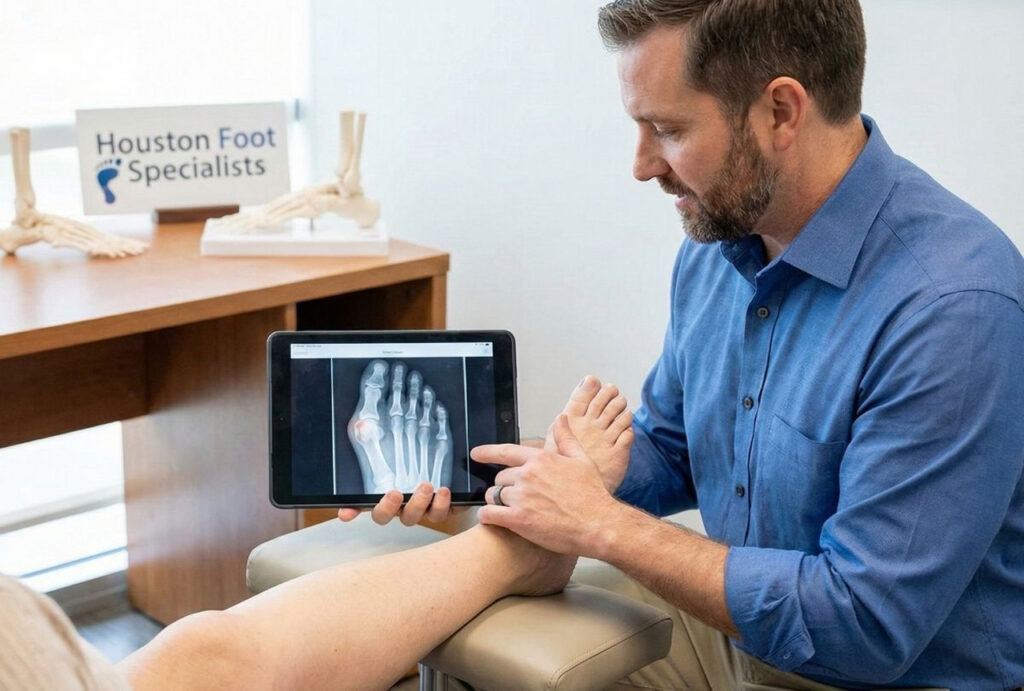
During the physical exam, the podiatrist assesses the foot’s structure, observes gait patterns, and identifies pressure points. They also evaluate the flexibility of toes and joints to determine whether the deformity is flexible or rigid—information that guides the treatment strategy.
Imaging and Tests
X-rays and other imaging tools give a precise view of bone alignment and joint health. These images reveal the extent of the deformity and help the doctor plan interventions, whether non-surgical or surgical.
Personalized Treatment Plans
Once the evaluation is complete, a customized plan is created. This may include lifestyle adjustments, orthotics, physical therapy, or, if necessary, surgery. The goal is to relieve pain, correct deformities, and prevent further progression while maintaining the patient’s mobility and comfort.
Non-Surgical Management Options
Not every case requires surgery. Many patients experience significant relief through conservative treatments, which can be just as effective in the early stages.
Custom Orthotics and Footwear Adjustments
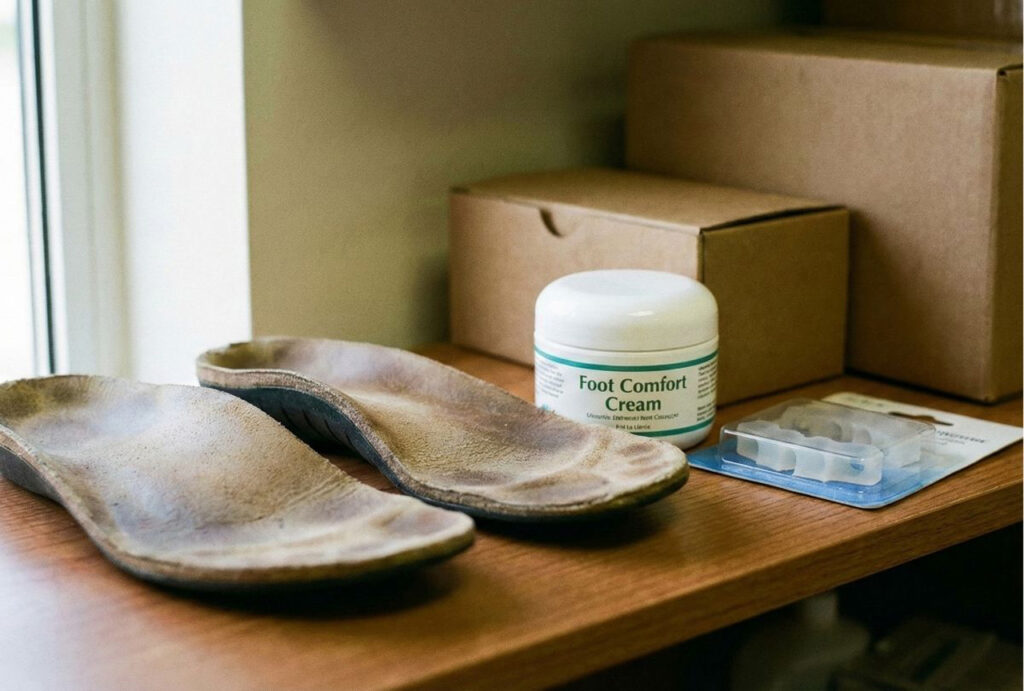
Custom shoe inserts (orthotics) are designed to redistribute pressure across the foot, improve alignment, and support arches. Combined with wider, softer shoes, orthotics can significantly reduce pain and slow deformity progression. Think of it as giving your feet a custom-built support system that gently nudges them back into place.
Physical Therapy and Stretching Exercises
Targeted exercises strengthen foot muscles, improve flexibility, and maintain joint mobility. Toe stretches, towel scrunches, and marble pickups may sound simple, but they can make a noticeable difference in discomfort and function over time.
Pain Relief and Anti-Inflammatory Measures
Pain management often involves ice packs, over-the-counter anti-inflammatories, or topical creams to reduce swelling. These measures are especially useful during flare-ups and help patients maintain daily activity without exacerbating the condition.
When Surgery Becomes Necessary
In more advanced cases, conservative treatments may not suffice. Surgery can correct deformities, restore function, and provide long-term relief.
Types of Bunion Surgery
Bunion surgery (bunionectomy) can involve removing the bony bump, realigning bones, or fusing joints. Procedures are tailored to the severity of the deformity and the patient’s overall foot structure. Recovery times vary, but modern surgical techniques aim to minimize downtime and discomfort.
Hammertoe Surgical Procedures
Hammertoe correction may involve tendon transfers, joint resection, or fusion to straighten the toe. The procedure chosen depends on whether the deformity is flexible or rigid. Surgeons prioritize both function and appearance to restore natural toe alignment.
Recovery and Post-Operative Care
Post-surgery, patients often follow a structured plan including rest, limited weight-bearing, and gradual physical therapy. Pain management, proper footwear, and adherence to doctor’s instructions are key to a smooth recovery.
Preventing Bunions and Hammertoes from Worsening
Prevention is just as important as treatment. Daily care, proper footwear, and lifestyle adjustments can keep your feet healthy for years to come.
Daily Foot Care Tips
Check your feet regularly for swelling, redness, or pain. Keep them clean and moisturized, and avoid walking barefoot on hard surfaces that add stress to joints. Small daily habits can prevent minor issues from escalating into major deformities.
Choosing the Right Footwear
Shoes with a wide toe box, low heels, and cushioned soles reduce pressure on the toes. Avoid tight or pointy shoes that force your toes together. Think of your shoes as tools—they should support your feet, not force them into unnatural positions.
Maintaining Healthy Weight and Activity Level
Excess body weight adds strain to the feet, accelerating joint wear. Low-impact exercises like swimming, cycling, or yoga strengthen foot muscles without adding unnecessary pressure, helping maintain balance and mobility.
Why Choose a Foot Specialist in Tower Oaks
Specialized care ensures better outcomes, especially for complex conditions like bunions and hammertoes.
Expertise and Experience
Doctors at Vital Podiatry Foot and Ankle Specialist have years of experience managing foot deformities. Their knowledge allows for precise diagnosis and effective treatment, whether through conservative methods or advanced surgical procedures.
Personalized Patient Care
Each patient’s foot structure, lifestyle, and needs are unique. Personalized treatment plans ensure optimal results, addressing both comfort and long-term foot health.
Cutting-Edge Treatments and Technology
From advanced imaging to custom orthotics and minimally invasive surgical techniques, the clinic leverages modern technology to provide efficient, effective, and minimally disruptive care.
Vital Podiatry Foot and Ankle Specialist Serving the Tower Oaks Community and Beyond in Houston
Vital Podiatry Foot and Ankle Specialist is dedicated to serving the diverse needs of the local community of Houston, including individuals residing in neighborhoods like Tower Oaks. With its convenient location near landmarks such as the Danish Elementary School and major intersections like Foxburo Dr and Harbin Dr (coordinates: 29.93558,-95.59819), we offer foot specialist doctor services.
Get Foot Specialist Doctor Services at Tower Oaks Now
CALL US NOW!
(281) 937-4546
Navigate from Tower Oaks to Vital Podiatry Foot and Ankle Specialist Now
Conclusion
Bunions and hammertoes may be common, but they are far from trivial. Early detection, proper care, and personalized treatment can relieve pain, restore mobility, and prevent further complications.
For residents of Tower Oaks, Vital Podiatry Foot and Ankle Specialist offers expert guidance, compassionate care, and advanced solutions to ensure healthy, comfortable feet. Don’t wait until discomfort becomes debilitating—taking proactive steps today can keep your feet happy for years to come.
FAQs
Q1: How do I know if I have a bunion or hammertoe?
Look for pain, swelling, or visible deformities in your toes. Persistent discomfort, corns, or difficulty wearing shoes are clear indicators to consult a foot specialist.
Q2: Can bunions or hammertoes be prevented?
Yes! Proper footwear, foot exercises, maintaining a healthy weight, and early intervention can significantly reduce the risk of developing these conditions.
Q3: Are bunion surgeries painful?
Modern surgical techniques and anesthesia minimize pain. Post-surgery pain is usually manageable with prescribed medication and proper care.
Q4: How long does it take to recover from hammertoe surgery?
Recovery typically ranges from 4–8 weeks, depending on the procedure and individual healing. Physical therapy and proper footwear are essential for optimal results.
Q5: Why choose Vital Podiatry Foot and Ankle Specialist?
We provide personalized, expert care, utilizing advanced technology and tailored treatment plans to manage bunions and hammertoes effectively, ensuring comfort and long-term foot health.


