You might think an ingrown toenail is just a minor inconvenience, a tiny thorn in your day that will go away on its own. But in reality, these pesky nails can take over your routine faster than you think.
Walking becomes uncomfortable, wearing shoes feels like torture, and even standing for long periods might leave you wincing. If left unchecked, they can seriously interfere with your daily life. Understanding the impact of ingrown toenails and how to address them properly is essential for maintaining comfort and mobility.
More Than Just a Painful Toe
Ingrown toenails aren’t simply a cosmetic annoyance—they can be disruptive. People often dismiss a little redness or tenderness, only to find themselves avoiding physical activity, limping at work, or struggling to sleep due to throbbing pain.
The problem is more than just discomfort; it can affect your posture, gait, and overall quality of life. Daily routines like walking, exercising, or even standing in a crowded place can become a challenge.
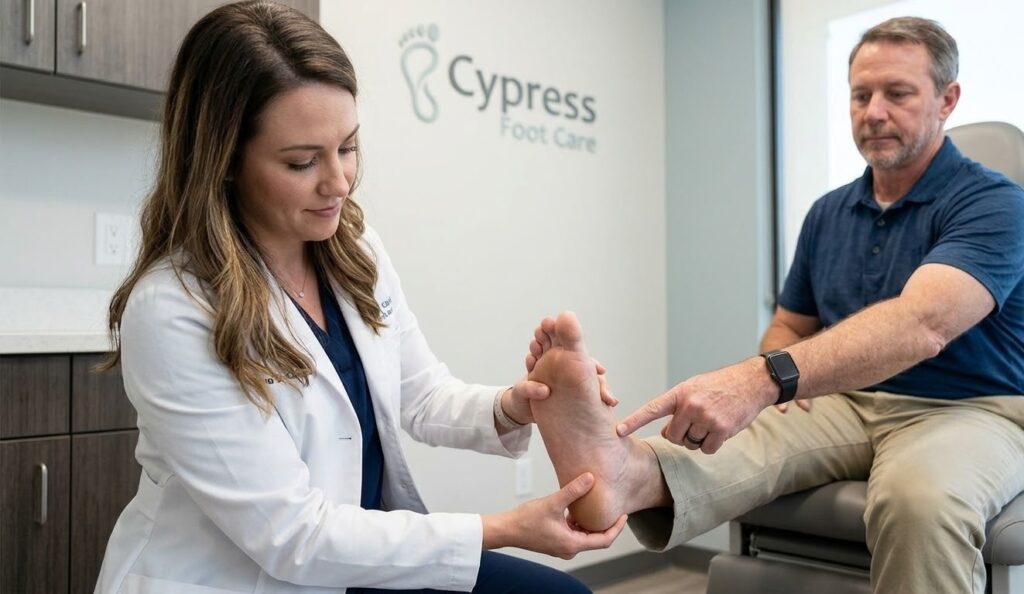
With proper care and early intervention, you can prevent an ingrown toenail from dictating your day. Professionals like Vital Podiatry Cypress Foot and Ankle Specialist offer targeted solutions that get you back on your feet quickly.
What Are Ingrown Toenails?
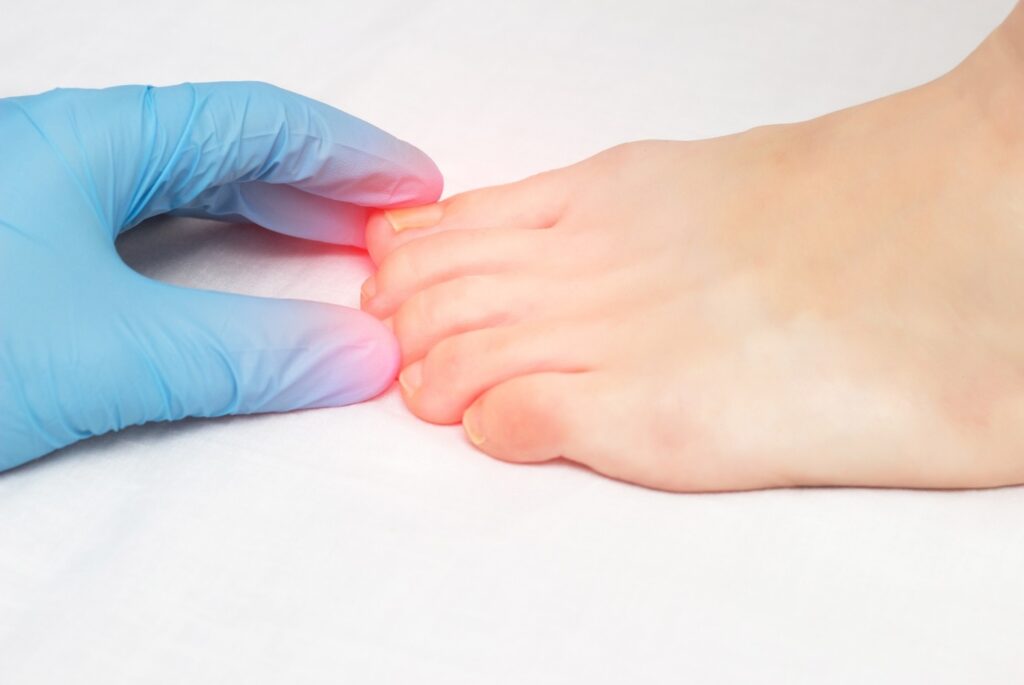
An ingrown toenail occurs when the edge of your nail grows into the surrounding skin, causing inflammation, tenderness, and sometimes infection. While it usually targets the big toe, any toenail can develop this problem. Understanding how ingrown nails form helps you take preventive measures before the pain becomes unmanageable.
How They Develop
Ingrown toenails can develop for several reasons:
- Improper nail trimming: Cutting nails too short or rounding the edges encourages the nail to grow into the skin.
- Tight or ill-fitting shoes: Constant pressure on the toes can push the nail into the flesh.
- Trauma: Stubbing your toe or repeated micro-injuries from sports or physical activity may trigger ingrown nails.
- Genetics: Some people naturally have curved nails that are prone to growing into the skin.
Even minor lifestyle factors, like wearing narrow shoes or ignoring toenail care, can make the problem worse over time.
Common Symptoms to Watch For
Symptoms range from mild discomfort to severe pain:
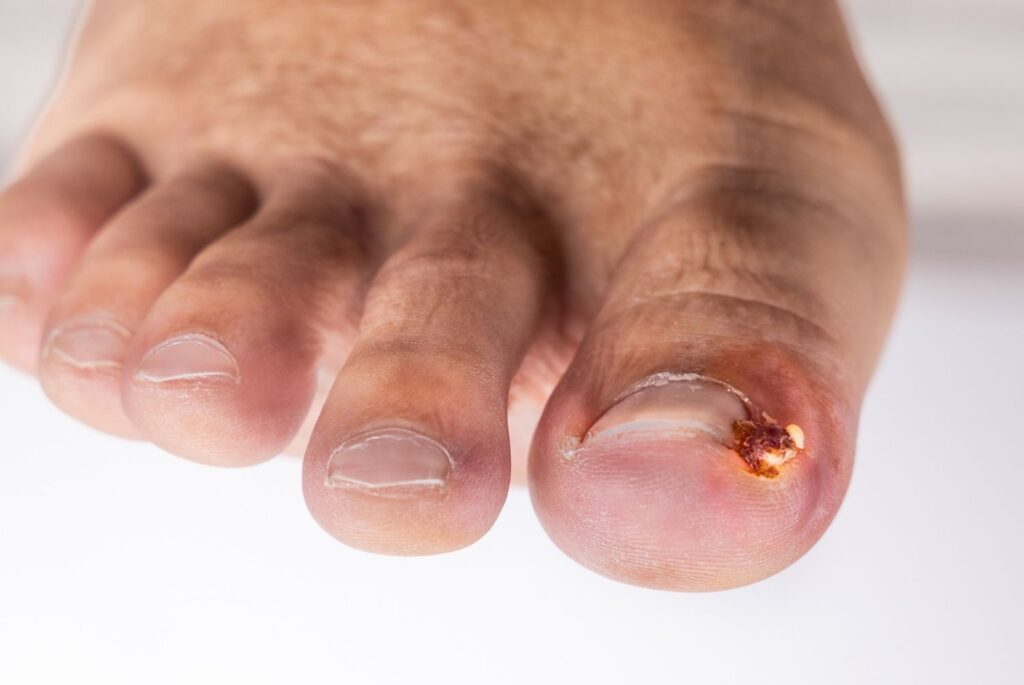
- Redness and swelling along the nail edge
- Tenderness or throbbing pain when pressure is applied
- Pus or drainage in severe cases
- Difficulty walking or wearing shoes comfortably
Early detection is key. The sooner you act, the easier it is to prevent serious complications.
The Link Between Ingrown Toenails and Daily Life
Pain isn’t limited to the toe. Ingrown toenails can ripple through your day, impacting your comfort, mobility, and overall routine.
Walking and Mobility Challenges
Even a short walk to the mailbox or around your home can become difficult. Limping to avoid pressure on the affected toe can create strain on your knees, hips, and lower back. Over time, compensating for the pain can even lead to posture problems and additional joint discomfort.
Impact on Work and Physical Activity
If your job requires standing for long hours, walking, or manual labor, an ingrown toenail can make these tasks unbearable. Athletes or fitness enthusiasts might skip training sessions, while others may struggle with errands, shopping, or climbing stairs. This interruption isn’t just physical—it can be frustrating mentally as well, disrupting productivity and confidence.
Sleep Disruption and Discomfort
Ingrown toenails often cause nighttime throbbing, which interrupts sleep. Lack of restful sleep affects focus, mood, and overall energy, further amplifying the negative impact on your daily activities.
Risk Factors That Make Daily Life Harder
Certain factors can make ingrown toenails more severe and disruptive.
Improper Footwear Choices
Wearing shoes that squeeze your toes or don’t provide adequate support can worsen pressure on the nail. High heels, narrow sneakers, or tight work boots are common culprits.
Diabetes and Circulation Problems
Poor circulation slows the healing process, increasing the risk of infection. For people with diabetes, even small injuries like ingrown nails can turn serious quickly, making proactive care essential.
Nail Care Mistakes
Cutting nails too short, rounding the edges, or aggressive pedicures can push nails into the surrounding skin. Learning proper nail trimming techniques prevents repeated issues.
Vital Podiatry Cypress Foot and Ankle Specialist: Professional Care
If ingrown toenails interfere with daily life, professional care is the fastest route to relief. Vital Podiatry Cypress Foot and Ankle Specialist provides comprehensive evaluation and personalized treatment plans to restore comfort and mobility.
How Experts Treat Ingrown Toenails
A podiatrist can assess the severity of your ingrown nail and recommend the best treatment strategy.
Non-Surgical Options
Mild cases often improve with simple interventions:
- Warm soaks to reduce swelling
- Lifting the nail using specialized techniques
- Medicated pads to protect the skin and encourage proper nail growth
These treatments can prevent the condition from worsening and restore normal activity levels.
Surgical Options
Severe or persistent ingrown nails may require minor procedures such as partial nail removal. These interventions relieve pressure, prevent recurrence, and allow you to regain comfort quickly.
When to Seek Immediate Help
Seek professional help immediately if you notice:
- Intense pain
- Rapidly spreading redness
- Pus or foul-smelling discharge
Delaying treatment can lead to infections that are harder to manage.
Home Care Tips to Keep Daily Life Moving
Even with professional care, certain home practices help maintain comfort and prevent aggravation.
Foot Soaks and Hygiene
Soaking your feet in warm water for 15–20 minutes a few times a day can reduce inflammation. Keeping the area clean prevents infection and supports healing.
Choosing the Right Shoes
Opt for wide, breathable shoes with soft soles. Avoid high heels or tight sneakers until the nail has healed completely. This minimizes pressure and allows normal walking.
Avoiding Pressure on the Toe
Cushioning pads, orthotics, or temporary activity modifications can prevent worsening the condition. Simple adjustments like resting the foot or avoiding prolonged standing can make a significant difference.
Long-Term Consequences of Ignoring Ingrown Toenails
Ignoring ingrown nails can lead to chronic and serious problems.
Chronic Pain
Persistent discomfort changes how you walk, potentially causing knee, hip, or back pain. Compensatory movements strain other parts of your body.
Infections and Complications
Untreated ingrown toenails can become infected, sometimes requiring stronger medications, prolonged healing, or even surgery. People with diabetes or poor circulation face even higher risks.
Practical Advice for Busy Lifestyles
Even with a hectic schedule, you can manage an ingrown toenail without letting it take over your life.
Planning Around Foot Pain
Schedule errands or physical activity during times when discomfort is minimal. Adjust standing tasks or workouts to reduce pressure on the affected toe.
Incorporating Podiatry Visits Into Routine
Routine podiatry visits catch problems early, preventing major disruptions. Setting reminders for annual checkups ensures your foot health doesn’t fall by the wayside.
Preventing Future Ingrown Toenails
Prevention keeps your mobility and comfort intact.
Proper Nail Trimming Techniques
Trim nails straight across and avoid cutting them too short. Leaving a slight edge beyond the skin prevents the nail from digging in.
Foot Health Habits for Everyday Life
Rotate shoes, maintain daily foot hygiene, and pay attention to early signs of irritation. Healthy habits reduce recurrence and maintain freedom in movement.
Vital Podiatry Cypress Foot and Ankle Specialist Serving the Aberdeen Green Community and Beyond in Cypress
Vital Podiatry Cypress Foot and Ankle Specialist is dedicated to serving the diverse needs of the local community of Cypress, including individuals residing in neighborhoods like Aberdeen Green. With its convenient location near landmarks such as the Aberdeen Resident park and major intersections like Aberdeen Oaks Dr. & Telge Rd. (coordinates: 29.91237815170325, -95.6499138457467), we offer podiatrist ingrown toenail Cypress services.
Get Podiatrist Ingrown Toenail Services at Aberdeen Green Now
CALL US NOW!
(281) 937-4546
Navigate from Aberdeen Green to Vital Podiatry Cypress Foot and Ankle Specialist Now
Keep Your Feet in Motion: Prevent Pain Before It Stops You
Ingrown toenails are more than minor annoyances—they impact walking, work, sleep, and overall daily life. Addressing them early, practicing proper nail care, and seeking professional guidance from specialists like Vital Podiatry Cypress Foot and Ankle Specialist ensures your routine stays uninterrupted.
Taking proactive steps today prevents discomfort, infection, and mobility issues tomorrow, keeping your feet healthy and life moving.
FAQs
1. Can home remedies fully resolve ingrown toenails?
Mild cases may improve with soaks, proper nail care, and cushioning, but persistent or infected nails usually require professional treatment.
2. Is surgery always required for ingrown toenails?
No. Non-surgical methods often relieve pain and guide proper nail growth, but chronic or severe cases may require minor procedures.
3. Can ingrown toenails cause permanent damage?
Rarely, but repeated infections or long-term neglect can lead to chronic pain, nail deformities, or mobility issues.
4. What types of shoes are best to prevent ingrown toenails?
Shoes with wide toe boxes, soft soles, and breathable materials reduce pressure and prevent nail growth into the skin.
5. How often should I see a podiatrist for foot health?
Routine check-ups every 6–12 months help prevent issues, especially if you have previous foot problems or conditions like diabetes.