How Often Will Medicare Pay for a Podiatrist to Cut Toenails?

September 9, 2025

Why Toenail Care Matters More Than You Think

Toenails don’t usually make the top of anyone’s health priority list. Most people think of trimming toenails as a simple hygiene task you can take care of at home. But for older adults, and especially those with chronic conditions, toenail care can quickly shift from a routine chore to a serious medical need.

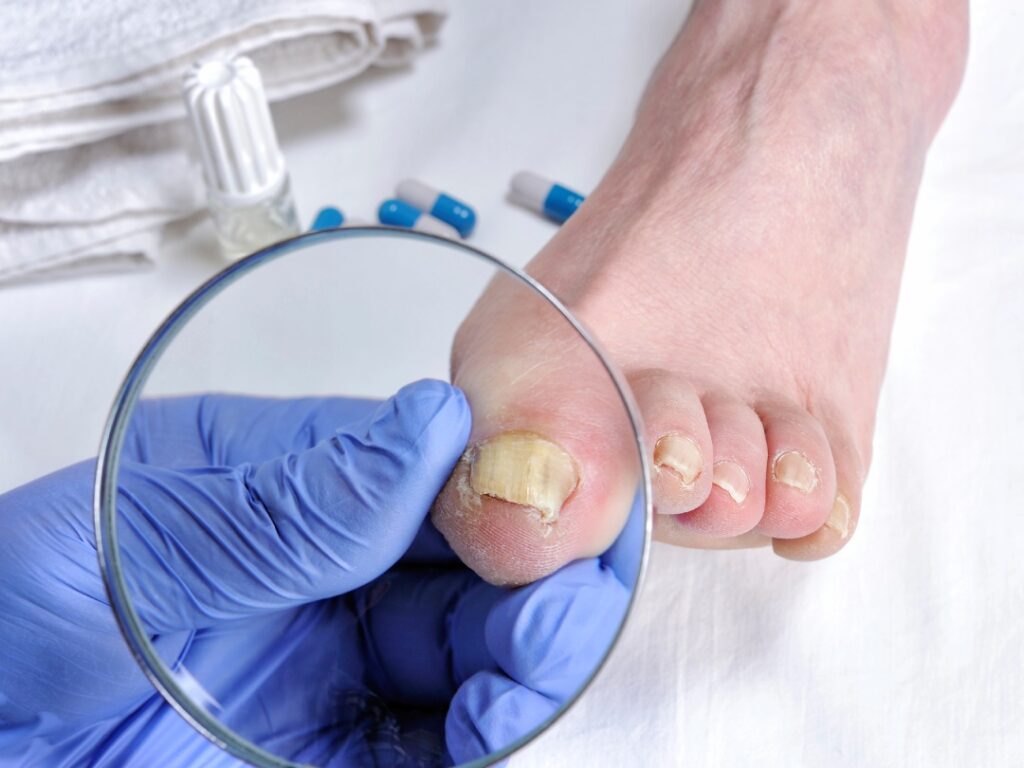
Imagine this: you’ve got thick, yellow toenails from a fungal infection. They’ve hardened to the point where regular nail clippers bounce off. Or maybe you have diabetes, and every time you try to trim your nails, you worry a slip of the clipper could cause a wound that just won’t heal. Suddenly, something that takes two minutes for a healthy person could lead to weeks of pain—or even hospitalization—for someone else.

That’s why so many people ask: Will Medicare pay for a podiatrist to cut my toenails? The short answer is: sometimes yes, but not always. The long answer? Let’s walk through it step by step, so you know exactly when coverage applies, how often you can use it, and what to do if Medicare doesn’t foot the bill.

Podiatrist in Cypress reviewing Medicare-covered foot care plan with patient during clinic consultation in modern medical office.

Understanding Medicare Coverage Basics

To understand toenail coverage, you first need to get how Medicare works in general. Medicare is the federal health insurance program mainly for people over 65, though it also covers younger folks with certain disabilities.

The key to Medicare is this: it doesn’t cover everything. Instead, it follows a golden rule—“medically necessary care is covered, routine care is not.”

What Medicare Generally Covers

Medicare Part B covers services that help diagnose, treat, or manage medical conditions. This includes:

  • Doctor visits for illness or injury
  • Diagnostic tests like X-rays or lab work
  • Outpatient treatments like physical therapy
  • Durable medical equipment (think walkers or wheelchairs)

If you can’t live safely without the service, there’s a good chance Medicare covers it.

What Medicare Does Not Cover

On the flip side, Medicare almost always excludes what it calls “routine” or “maintenance” care. For example:

  • Basic dental cleanings
  • Eye exams for glasses
  • Cosmetic surgeries
  • Routine foot care like toenail clipping, unless tied to a medical condition

This means that if your toenails are healthy but long, Medicare considers trimming them your responsibility—not theirs.

Think of it like changing your car’s oil. Insurance won’t cover it unless the engine has a problem that requires special attention. The same logic applies here.

The Role of a Podiatrist in Foot Health

Podiatrists aren’t just “foot doctors” who trim toenails. They’re medical specialists trained in diagnosing, treating, and preventing diseases and injuries of the feet and ankles.

Toenail Trimming vs. Medical Necessity

There’s a big difference between having your toenails cut at a spa and having them cut in a podiatry clinic. At the spa, it’s about appearance and comfort. At the podiatrist’s office, toenail care may literally prevent infections, ulcers, or gangrene.

For example:

  • If you have diabetes, a minor nick from trimming at home could lead to a non-healing wound.
  • If you have poor circulation, your feet don’t get enough blood flow to recover quickly from small injuries.
  • If you have fungal infections, untreated thick nails can press into your skin, causing pain or open sores.

Common Foot Problems Podiatrists Handle

Toenails are just one part of the puzzle. Podiatrists treat:

  • Ingrown toenails: nails curving into the skin, causing pain and infection.
  • Onychomycosis (fungal nails): nails that thicken, discolor, and crumble.
  • Diabetic ulcers: open sores that can form when foot care is neglected.
  • Bunions and hammertoes: structural foot problems that make walking difficult.

So, while nail cutting may sound trivial, in the podiatry world it’s often a frontline defense against more serious conditions.

Medicare’s Stance on Routine Toenail Cutting

Cosmetic vs. Medically Necessary Care

Medicare is clear: if toenail cutting is purely cosmetic or for comfort, it’s not covered. They view it the same way they view a haircut—you can take care of it on your own.

Defining “Medically Necessary” for Toenails

But when toenails become a threat to your health, the game changes. Medicare will pay if:

  • Your nails are so thick or curved they dig into your skin.
  • Cutting them yourself would likely cause injury.
  • A chronic disease (like diabetes or PAD) makes self-care unsafe.

In other words, if skipping professional toenail care could realistically land you in the hospital, Medicare steps in.

Conditions That May Qualify Toenail Cutting for Coverage

Let’s dig deeper into the specific medical situations where toenail trimming becomes more than a grooming issue.

Diabetes-Related Foot Complications

Diabetes damages blood vessels and nerves, especially in the feet. This means a small cut can take weeks—or months—to heal. It’s one of the reasons diabetic foot ulcers are so common and dangerous.

Medicare knows this, so they often approve podiatric nail care for diabetic patients, especially when poor nail health could lead to ulcers or infections.

Peripheral Arterial Disease (PAD)

PAD is a circulation problem where narrowed arteries reduce blood flow to your limbs. If you’ve ever felt your feet go cold or tingly, that could be PAD.

When circulation is poor, nails can thicken and become difficult to trim. Worse, cuts don’t heal properly. That’s when podiatric care becomes essential—and Medicare acknowledges that risk.

Thickened or Ingrown Toenails

Ingrown nails aren’t just painful—they can pierce the skin and invite infection. For seniors or people with circulation issues, this can escalate into a serious medical emergency.

Thickened nails, often caused by fungal infections, can become so tough that even heavy-duty clippers can’t cut them safely. This qualifies as a medical condition in Medicare’s book.

Severe Fungal Infections

Fungal infections don’t just make nails ugly—they can deform nails to the point of pressing into the skin or causing wounds. Once that happens, podiatric intervention becomes a medical necessity, not a cosmetic luxury.

How Often Does Medicare Allow Podiatric Nail Care?

Typical Coverage Schedule

Medicare generally covers toenail cutting once every 61 days—about every two months—for patients who qualify. That’s roughly six visits a year.

Why every 61 days? Because nails typically take 6–8 weeks to grow long enough to cause problems again. Medicare doesn’t want to pay for visits that aren’t necessary, but they also don’t want to risk patients waiting too long and developing complications.

Frequency Exceptions

There are cases where more frequent care is justified. For example:

  • A diabetic patient whose nails grow abnormally fast
  • A PAD patient whose nails dig into their skin earlier than expected
  • Patients recovering from foot surgery where regular nail checks prevent complications

In these situations, podiatrists can provide detailed documentation to request more frequent coverage.

Documentation Medicare Requires

Physician Notes and Diagnosis Codes

Coverage isn’t automatic. Podiatrists must provide:

  • The specific condition (like diabetes with peripheral neuropathy, or PAD)
  • Why toenail care is medically necessary
  • The treatment provided (such as nail debridement)
  • When it was last performed

Why Proper Documentation Matters

Without proper coding and detailed notes, Medicare may deny payment. Think of it as showing your homework—Medicare wants proof that the visit wasn’t just routine pampering.

For patients, this means it’s worth asking your podiatrist: “Will this visit be covered, and are you documenting it properly?”

Out-of-Pocket Costs When Coverage Doesn’t Apply

Average Cost of Podiatrist Toenail Trimming

If Medicare denies coverage, you may need to pay directly. The cost varies, but expect to spend between $30–$80 per visit. Complex cases, like thick fungal nails requiring special tools, may cost more.

Tips for Lowering Your Expenses

  • Ask about bundled care: Some podiatrists offer package deals for multiple visits.
  • Use supplemental insurance: Medigap or Medicare Advantage may pick up the tab.
  • Check local programs: Senior centers in Cypress Chase sometimes host free or discounted foot clinics.

Vital Podiatry Cypress Foot and Ankle Specialist: Local Care in Cypress Chase

If you’re living in Cypress Chase, you have access to specialized podiatry care right around the corner.

Why Choose a Specialist for Nail Care

You wouldn’t trust a mechanic who only works on bicycles to fix your car, right? The same applies to feet. Podiatrists don’t just trim nails—they know how to spot early warning signs of ulcers, infections, or vascular problems.

Services Offered at Vital Podiatry

At Vital Podiatry Cypress Foot and Ankle Specialist, you’ll find:

  • Medicare-covered diabetic foot exams
  • Professional toenail trimming and debridement
  • Advanced treatment for fungal and ingrown nails
  • Preventive education so you can avoid future complications

Local care means you don’t have to travel far for expert treatment—and having a trusted provider nearby offers peace of mind.

Couple discussing Medicare podiatrist services in Cypress with healthcare professionals at the office desk in a calm clinical setting.

Preventive Foot Care Tips for Seniors

At-Home Nail Maintenance

If you’re healthy enough to trim your nails at home, here are some tips:

  • Soak first: A warm soak softens nails and makes cutting easier.
  • Cut straight across: This prevents ingrown nails.
  • Smooth the edges: Use a file to avoid sharp corners.

When to Avoid DIY Toenail Cutting

Skip the at-home trimming if:

  • You have diabetes or poor circulation
  • Your nails are too thick to cut safely
  • You can’t see or reach your toes comfortably

Sometimes the safest choice is letting a professional handle it.

Alternatives if Medicare Won’t Cover Your Toenail Care

Supplemental Insurance Options

Some Medigap plans and Medicare Advantage (Part C) plans include routine foot care. Always review your plan’s benefits or call customer service to ask specifically about toenail care coverage.

Community Health Clinics and Local Programs

In Cypress Chase, check with:

  • Local senior centers
  • Community health departments
  • Non-profit organizations offering foot health clinics

These programs may provide low-cost or even free nail care for seniors who don’t qualify under Medicare.

The Importance of Proactive Foot Health

How Minor Nail Issues Become Major Problems

An untreated ingrown nail might seem minor. But for someone with diabetes, it can turn into a serious infection, leading to hospitalization—or worse, amputation.

Long-Term Health Impact

Healthy toenails equal mobility, independence, and comfort. Neglected toenails can lead to pain that limits walking, exercise, and social activities. Over time, this can even impact mental health and quality of life.

Step-by-Step: What to Expect at a Podiatry Appointment

Initial Examination

Your podiatrist checks for circulation issues, skin integrity, and signs of infection. They’ll also ask about your medical history.

Nail Care Procedure

Nails are trimmed or debrided using sterile tools. Thick nails may be filed down. Ingrown nails may require minor corrective procedures.

Follow-Up Recommendations

Your podiatrist will suggest how often you need professional care, and—if Medicare applies—set up a schedule that complies with coverage rules.

How to Talk to Your Doctor About Medicare Coverage

Questions to Ask Your Podiatrist

  • “Does my condition qualify as medically necessary?”
  • “How often can I schedule visits under Medicare?”
  • “What documentation will you submit for me?”

How to Advocate for Yourself

Don’t assume coverage—it’s okay to ask for clarity. Bring up your concerns, request written notes, and make sure you understand the financial side before each appointment.

Vital Podiatry Cypress Foot and Ankle Specialist Serving the Cypress Chase Community and Beyond in Cypress

Vital Podiatry Cypress Foot and Ankle Specialist is dedicated to serving the diverse needs of the local community of Cypress, including individuals residing in neighborhoods like Cypress Chase. With its convenient location near landmarks such as the First Baptist Church of Cypress and major intersections like Bonaparte Dr and Barrone Dr (coordinates: 29.943855625550142, -95.63954180474889), we offer Medicare podiatrist Cypress services.

Get Medicare Podiatrist Services at Cypress Chase Now

Navigate From Cypress Chase to Vital Podiatry Cypress Foot and Ankle Specialist Now

Conclusion

Toenail trimming might not sound like a medical issue—but for seniors, it often is. Medicare won’t cover routine grooming, but if toenail care is medically necessary due to conditions like diabetes, PAD, or fungal infections, coverage is available—typically once every 61 days.

If you’re in Cypress Chase, Vital Podiatry Cypress Foot and Ankle Specialist is here to keep your feet healthy and your independence intact. Remember, good foot care isn’t just about nails—it’s about staying mobile, active, and safe.

FAQs

1. Will Medicare cover toenail trimming if I just can’t reach my feet anymore?
No. Difficulty reaching your feet isn’t enough for coverage—you need a medical condition that makes trimming unsafe or risky.

2. How can I prove to Medicare that my toenail care is necessary?
We provide documentation showing your diagnosis, risks, and why trimming is medically required.

3. What happens if Medicare denies my claim?
You’ll likely need to pay out-of-pocket, but you can file an appeal with additional medical documentation.

4. How often does Medicare cover nail care for diabetics?
Generally every 61 days, unless your podiatrist proves more frequent care is medically necessary.

5. Does Vital Podiatry Cypress Foot and Ankle Specialist accept Medicare?
Yes, they work with Medicare patients and offer specialized foot and nail care for Cypress Chase residents.

TAKE YOUR FIRST STEP

OR CALL US

(281) 937-4546

Related Post


Why Toenail Care Matters More Than You Think

Toenails don’t usually make the top of anyone’s health priority list. Most people think of trimming toenails as a simple hygiene task you can take care of at home. But for older adults, and especially those with chronic conditions, toenail care can quickly shift from a routine chore to a serious medical need.

Imagine this: you’ve got thick, yellow toenails from a fungal infection. They’ve hardened to the point where regular nail clippers bounce off. Or maybe you have diabetes, and every time you try to trim your nails, you worry a slip of the clipper could cause a wound that just won’t heal. Suddenly, something that takes two minutes for a healthy person could lead to weeks of pain—or even hospitalization—for someone else.

That’s why so many people ask: Will Medicare pay for a podiatrist to cut my toenails? The short answer is: sometimes yes, but not always. The long answer? Let’s walk through it step by step, so you know exactly when coverage applies, how often you can use it, and what to do if Medicare doesn’t foot the bill.

Podiatrist in Cypress reviewing Medicare-covered foot care plan with patient during clinic consultation in modern medical office.

Understanding Medicare Coverage Basics

To understand toenail coverage, you first need to get how Medicare works in general. Medicare is the federal health insurance program mainly for people over 65, though it also covers younger folks with certain disabilities.

The key to Medicare is this: it doesn’t cover everything. Instead, it follows a golden rule—“medically necessary care is covered, routine care is not.”

What Medicare Generally Covers

Medicare Part B covers services that help diagnose, treat, or manage medical conditions. This includes:

  • Doctor visits for illness or injury
  • Diagnostic tests like X-rays or lab work
  • Outpatient treatments like physical therapy
  • Durable medical equipment (think walkers or wheelchairs)

If you can’t live safely without the service, there’s a good chance Medicare covers it.

What Medicare Does Not Cover

On the flip side, Medicare almost always excludes what it calls “routine” or “maintenance” care. For example:

  • Basic dental cleanings
  • Eye exams for glasses
  • Cosmetic surgeries
  • Routine foot care like toenail clipping, unless tied to a medical condition

This means that if your toenails are healthy but long, Medicare considers trimming them your responsibility—not theirs.

Think of it like changing your car’s oil. Insurance won’t cover it unless the engine has a problem that requires special attention. The same logic applies here.

The Role of a Podiatrist in Foot Health

Podiatrists aren’t just “foot doctors” who trim toenails. They’re medical specialists trained in diagnosing, treating, and preventing diseases and injuries of the feet and ankles.

Toenail Trimming vs. Medical Necessity

There’s a big difference between having your toenails cut at a spa and having them cut in a podiatry clinic. At the spa, it’s about appearance and comfort. At the podiatrist’s office, toenail care may literally prevent infections, ulcers, or gangrene.

For example:

  • If you have diabetes, a minor nick from trimming at home could lead to a non-healing wound.
  • If you have poor circulation, your feet don’t get enough blood flow to recover quickly from small injuries.
  • If you have fungal infections, untreated thick nails can press into your skin, causing pain or open sores.

Common Foot Problems Podiatrists Handle

Toenails are just one part of the puzzle. Podiatrists treat:

  • Ingrown toenails: nails curving into the skin, causing pain and infection.
  • Onychomycosis (fungal nails): nails that thicken, discolor, and crumble.
  • Diabetic ulcers: open sores that can form when foot care is neglected.
  • Bunions and hammertoes: structural foot problems that make walking difficult.

So, while nail cutting may sound trivial, in the podiatry world it’s often a frontline defense against more serious conditions.

Medicare’s Stance on Routine Toenail Cutting

Cosmetic vs. Medically Necessary Care

Medicare is clear: if toenail cutting is purely cosmetic or for comfort, it’s not covered. They view it the same way they view a haircut—you can take care of it on your own.

Defining “Medically Necessary” for Toenails

But when toenails become a threat to your health, the game changes. Medicare will pay if:

  • Your nails are so thick or curved they dig into your skin.
  • Cutting them yourself would likely cause injury.
  • A chronic disease (like diabetes or PAD) makes self-care unsafe.

In other words, if skipping professional toenail care could realistically land you in the hospital, Medicare steps in.

Conditions That May Qualify Toenail Cutting for Coverage

Let’s dig deeper into the specific medical situations where toenail trimming becomes more than a grooming issue.

Diabetes-Related Foot Complications

Diabetes damages blood vessels and nerves, especially in the feet. This means a small cut can take weeks—or months—to heal. It’s one of the reasons diabetic foot ulcers are so common and dangerous.

Medicare knows this, so they often approve podiatric nail care for diabetic patients, especially when poor nail health could lead to ulcers or infections.

Peripheral Arterial Disease (PAD)

PAD is a circulation problem where narrowed arteries reduce blood flow to your limbs. If you’ve ever felt your feet go cold or tingly, that could be PAD.

When circulation is poor, nails can thicken and become difficult to trim. Worse, cuts don’t heal properly. That’s when podiatric care becomes essential—and Medicare acknowledges that risk.

Thickened or Ingrown Toenails

Ingrown nails aren’t just painful—they can pierce the skin and invite infection. For seniors or people with circulation issues, this can escalate into a serious medical emergency.

Thickened nails, often caused by fungal infections, can become so tough that even heavy-duty clippers can’t cut them safely. This qualifies as a medical condition in Medicare’s book.

Severe Fungal Infections

Fungal infections don’t just make nails ugly—they can deform nails to the point of pressing into the skin or causing wounds. Once that happens, podiatric intervention becomes a medical necessity, not a cosmetic luxury.

How Often Does Medicare Allow Podiatric Nail Care?

Typical Coverage Schedule

Medicare generally covers toenail cutting once every 61 days—about every two months—for patients who qualify. That’s roughly six visits a year.

Why every 61 days? Because nails typically take 6–8 weeks to grow long enough to cause problems again. Medicare doesn’t want to pay for visits that aren’t necessary, but they also don’t want to risk patients waiting too long and developing complications.

Frequency Exceptions

There are cases where more frequent care is justified. For example:

  • A diabetic patient whose nails grow abnormally fast
  • A PAD patient whose nails dig into their skin earlier than expected
  • Patients recovering from foot surgery where regular nail checks prevent complications

In these situations, podiatrists can provide detailed documentation to request more frequent coverage.

Documentation Medicare Requires

Physician Notes and Diagnosis Codes

Coverage isn’t automatic. Podiatrists must provide:

  • The specific condition (like diabetes with peripheral neuropathy, or PAD)
  • Why toenail care is medically necessary
  • The treatment provided (such as nail debridement)
  • When it was last performed

Why Proper Documentation Matters

Without proper coding and detailed notes, Medicare may deny payment. Think of it as showing your homework—Medicare wants proof that the visit wasn’t just routine pampering.

For patients, this means it’s worth asking your podiatrist: “Will this visit be covered, and are you documenting it properly?”

Out-of-Pocket Costs When Coverage Doesn’t Apply

Average Cost of Podiatrist Toenail Trimming

If Medicare denies coverage, you may need to pay directly. The cost varies, but expect to spend between $30–$80 per visit. Complex cases, like thick fungal nails requiring special tools, may cost more.

Tips for Lowering Your Expenses

  • Ask about bundled care: Some podiatrists offer package deals for multiple visits.
  • Use supplemental insurance: Medigap or Medicare Advantage may pick up the tab.
  • Check local programs: Senior centers in Cypress Chase sometimes host free or discounted foot clinics.

Vital Podiatry Cypress Foot and Ankle Specialist: Local Care in Cypress Chase

If you’re living in Cypress Chase, you have access to specialized podiatry care right around the corner.

Why Choose a Specialist for Nail Care

You wouldn’t trust a mechanic who only works on bicycles to fix your car, right? The same applies to feet. Podiatrists don’t just trim nails—they know how to spot early warning signs of ulcers, infections, or vascular problems.

Services Offered at Vital Podiatry

At Vital Podiatry Cypress Foot and Ankle Specialist, you’ll find:

  • Medicare-covered diabetic foot exams
  • Professional toenail trimming and debridement
  • Advanced treatment for fungal and ingrown nails
  • Preventive education so you can avoid future complications

Local care means you don’t have to travel far for expert treatment—and having a trusted provider nearby offers peace of mind.

Couple discussing Medicare podiatrist services in Cypress with healthcare professionals at the office desk in a calm clinical setting.

Preventive Foot Care Tips for Seniors

At-Home Nail Maintenance

If you’re healthy enough to trim your nails at home, here are some tips:

  • Soak first: A warm soak softens nails and makes cutting easier.
  • Cut straight across: This prevents ingrown nails.
  • Smooth the edges: Use a file to avoid sharp corners.

When to Avoid DIY Toenail Cutting

Skip the at-home trimming if:

  • You have diabetes or poor circulation
  • Your nails are too thick to cut safely
  • You can’t see or reach your toes comfortably

Sometimes the safest choice is letting a professional handle it.

Alternatives if Medicare Won’t Cover Your Toenail Care

Supplemental Insurance Options

Some Medigap plans and Medicare Advantage (Part C) plans include routine foot care. Always review your plan’s benefits or call customer service to ask specifically about toenail care coverage.

Community Health Clinics and Local Programs

In Cypress Chase, check with:

  • Local senior centers
  • Community health departments
  • Non-profit organizations offering foot health clinics

These programs may provide low-cost or even free nail care for seniors who don’t qualify under Medicare.

The Importance of Proactive Foot Health

How Minor Nail Issues Become Major Problems

An untreated ingrown nail might seem minor. But for someone with diabetes, it can turn into a serious infection, leading to hospitalization—or worse, amputation.

Long-Term Health Impact

Healthy toenails equal mobility, independence, and comfort. Neglected toenails can lead to pain that limits walking, exercise, and social activities. Over time, this can even impact mental health and quality of life.

Step-by-Step: What to Expect at a Podiatry Appointment

Initial Examination

Your podiatrist checks for circulation issues, skin integrity, and signs of infection. They’ll also ask about your medical history.

Nail Care Procedure

Nails are trimmed or debrided using sterile tools. Thick nails may be filed down. Ingrown nails may require minor corrective procedures.

Follow-Up Recommendations

Your podiatrist will suggest how often you need professional care, and—if Medicare applies—set up a schedule that complies with coverage rules.

How to Talk to Your Doctor About Medicare Coverage

Questions to Ask Your Podiatrist

  • “Does my condition qualify as medically necessary?”
  • “How often can I schedule visits under Medicare?”
  • “What documentation will you submit for me?”

How to Advocate for Yourself

Don’t assume coverage—it’s okay to ask for clarity. Bring up your concerns, request written notes, and make sure you understand the financial side before each appointment.

Vital Podiatry Cypress Foot and Ankle Specialist Serving the Cypress Chase Community and Beyond in Cypress

Vital Podiatry Cypress Foot and Ankle Specialist is dedicated to serving the diverse needs of the local community of Cypress, including individuals residing in neighborhoods like Cypress Chase. With its convenient location near landmarks such as the First Baptist Church of Cypress and major intersections like Bonaparte Dr and Barrone Dr (coordinates: 29.943855625550142, -95.63954180474889), we offer Medicare podiatrist Cypress services.

Get Medicare Podiatrist Services at Cypress Chase Now

Navigate From Cypress Chase to Vital Podiatry Cypress Foot and Ankle Specialist Now

Conclusion

Toenail trimming might not sound like a medical issue—but for seniors, it often is. Medicare won’t cover routine grooming, but if toenail care is medically necessary due to conditions like diabetes, PAD, or fungal infections, coverage is available—typically once every 61 days.

If you’re in Cypress Chase, Vital Podiatry Cypress Foot and Ankle Specialist is here to keep your feet healthy and your independence intact. Remember, good foot care isn’t just about nails—it’s about staying mobile, active, and safe.

FAQs

1. Will Medicare cover toenail trimming if I just can’t reach my feet anymore?
No. Difficulty reaching your feet isn’t enough for coverage—you need a medical condition that makes trimming unsafe or risky.

2. How can I prove to Medicare that my toenail care is necessary?
We provide documentation showing your diagnosis, risks, and why trimming is medically required.

3. What happens if Medicare denies my claim?
You’ll likely need to pay out-of-pocket, but you can file an appeal with additional medical documentation.

4. How often does Medicare cover nail care for diabetics?
Generally every 61 days, unless your podiatrist proves more frequent care is medically necessary.

5. Does Vital Podiatry Cypress Foot and Ankle Specialist accept Medicare?
Yes, they work with Medicare patients and offer specialized foot and nail care for Cypress Chase residents.