How Patients Regain Mobility After Qutenza Treatment

March 16, 2026

Living with nerve pain in your feet or ankles can feel like walking on burning coals—every step is a reminder that something isn’t right. For many patients, this pain slowly chips away at their independence. Simple routines like grocery shopping, exercising, or even standing for long periods suddenly become overwhelming tasks.

That’s where the Qutenza treatment enters the picture. But here’s the real story: Qutenza isn’t just about reducing pain—it’s about restoring movement, confidence, and freedom. In this guide, we’ll walk through exactly how patients regain mobility after Qutenza treatment, step by step, with real-world insights you can actually relate to.

What Is Qutenza?

Qutenza is a high-concentration capsaicin patch specifically designed to treat peripheral nerve pain. Unlike over-the-counter creams that provide temporary relief, Qutenza delivers a powerful, targeted dose of capsaicin directly to the affected nerves.

Think of it like rebooting a malfunctioning computer. When your nerves are constantly sending pain signals—even when there’s no real danger—Qutenza helps “reset” those signals. This reset doesn’t just mask pain; it actually reduces the nerve’s ability to send those painful messages in the first place.

What makes Qutenza unique is its long-lasting effect. A single treatment session can provide relief for weeks or even months, giving patients a valuable window to rebuild their mobility.
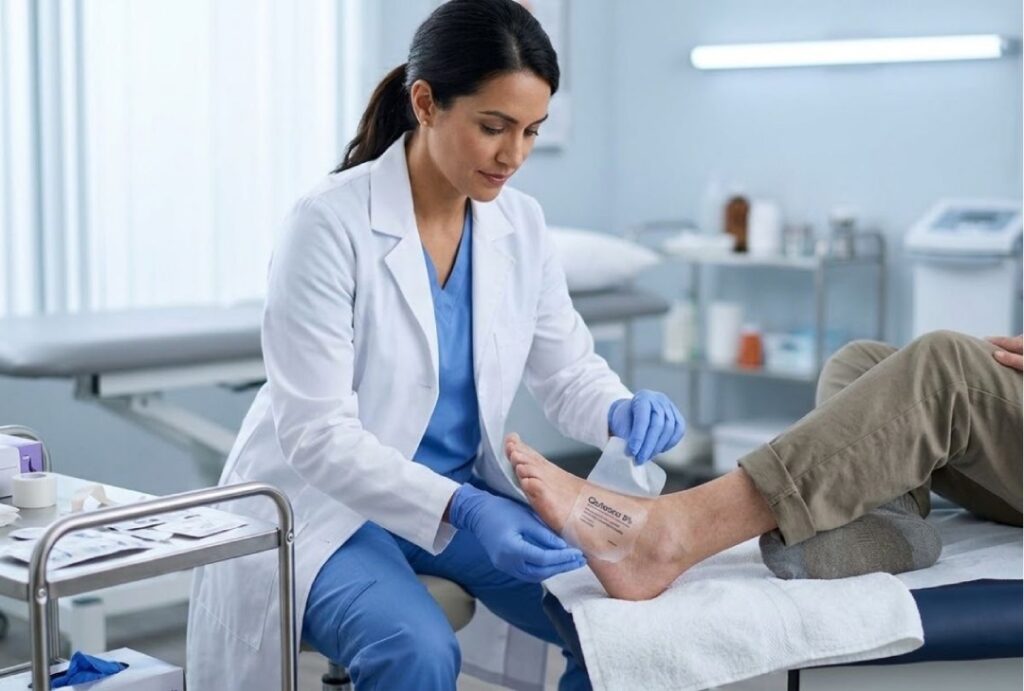
A doctor applies a medicated patch to a patient's foot during a specialized qutenza treatment near me appointment.

How Qutenza Works for Nerve Pain

To understand how mobility returns, you need to understand what’s happening beneath the surface.

Nerve pain often comes from overactive pain receptors. These receptors behave like overly sensitive smoke alarms—going off even when there’s no fire. Qutenza works by overstimulating these receptors temporarily, which eventually causes them to “quiet down.”

In simple terms, it exhausts the nerves’ ability to keep firing pain signals. Once those signals are reduced, your brain no longer interprets every step as painful. And that’s the turning point—when movement becomes possible again.

Understanding Mobility Loss Due to Nerve Pain

Mobility loss doesn’t just happen because of pain—it happens because of what pain forces you to stop doing.

When walking hurts, you walk less. When you walk less, your muscles weaken. When muscles weaken, balance suffers. It’s a domino effect that can quickly spiral into limited mobility.

Common Causes of Foot and Ankle Nerve Pain

There are several underlying causes that can lead to nerve pain in the lower extremities, and each affects mobility differently.

Diabetic Neuropathy and Its Impact

Diabetic neuropathy is one of the most common causes. Over time, elevated blood sugar damages nerves, especially in the feet.

Patients often describe it as a mix of burning, tingling, and numbness. Imagine trying to walk while wearing thick gloves on your feet—you lose sensation and control at the same time. This makes walking not only painful but also risky due to increased chances of falls.

Post-Surgical Nerve Damage

Surgical procedures, even when successful, can sometimes leave nerves irritated or damaged. This can lead to persistent pain long after the surgical wound has healed.

For example, a patient recovering from foot surgery may find that while the original issue is fixed, a new type of nerve pain has emerged—making mobility just as difficult as before.

Why Mobility Matters in Daily Life

Mobility is more than just movement—it’s independence.

Physical Limitations from Chronic Pain

When pain dictates your movement, your body starts adapting in unhealthy ways. You might shift your weight unevenly, avoid certain movements, or rely heavily on support.

Over time, this leads to muscle imbalances, joint stiffness, and reduced endurance. It’s like a car that hasn’t been driven in months—everything becomes harder to get moving again.

Emotional and Psychological Effects

Let’s not ignore the mental side of things. Chronic pain doesn’t just stay in your feet—it follows you everywhere.

Patients often feel frustrated, isolated, or even hopeless. Losing mobility can mean missing out on social activities, hobbies, and everyday joys. Regaining movement, therefore, isn’t just physical recovery—it’s emotional liberation.

What to Expect During Qutenza Treatment

Understanding the process helps remove fear and uncertainty.

Preparation Before Treatment

Before applying Qutenza, the treatment area is usually numbed with a topical anesthetic. This ensures that the patient remains comfortable during the procedure.

Doctors may also assess your pain levels, medical history, and mobility limitations to tailor the treatment effectively.

The Application Process

The Qutenza patch is applied directly to the affected area and left in place for 30 to 60 minutes. During this time, patients may feel warmth, tingling, or a mild burning sensation.

This is completely normal—it’s a sign that the medication is actively interacting with your nerve endings.

Immediate Aftercare

After the patch is removed, the skin may appear red or sensitive. Cooling gels or soothing treatments are often applied to ease any discomfort.

Most patients can resume light activities shortly after, although intense physical activity is usually avoided for a day or two.

Early Recovery Phase After Qutenza

This is where patients begin to notice subtle but meaningful changes.

Pain Relief Timeline

Pain relief doesn’t always happen instantly. For some, it starts within a few days. For others, it builds gradually over a couple of weeks.

Think of it like sunrise—it doesn’t go from dark to bright instantly. It slowly gets lighter, and before you know it, everything is visible again.

Initial Mobility Improvements

As pain begins to decrease, patients naturally start moving more. Even small improvements—like standing longer or walking a few extra steps—are signs of progress.

These early wins are crucial because they rebuild confidence.
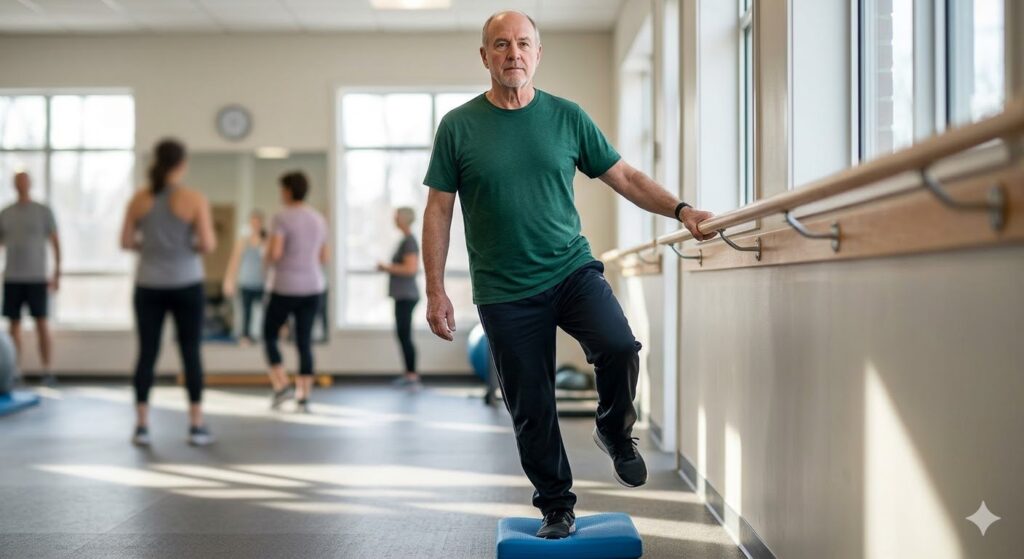
Senior man performing balance exercises at a clinic as part of a recovery plan involving qutenza treatment near me.

How Mobility Gradually Returns

Mobility recovery is a journey, not a switch.

Week-by-Week Progress

First Week Recovery

Patients often notice reduced sensitivity and slightly improved tolerance for movement.

One Month Progress

By this stage, many patients report significant pain reduction. Walking becomes more natural and less forced.

Long-Term Mobility Gains

Over time, consistent movement leads to stronger muscles, better balance, and improved endurance.

Role of Physical Therapy After Treatment

Qutenza reduces pain—but therapy restores function.

Strengthening Exercises

Targeted exercises help rebuild muscles that may have weakened during periods of inactivity. This includes calf raises, resistance training, and stretching routines.

Balance and Stability Training

Balance training is essential, especially for patients who’ve experienced numbness or instability. Exercises like single-leg stands or guided movement drills can dramatically improve confidence and safety.

Lifestyle Adjustments for Faster Recovery

Recovery isn’t just what happens in the clinic—it’s what you do daily.

Proper Footwear Choices

Wearing supportive, well-fitted shoes can make a world of difference. Shoes act as the foundation of your movement—poor support can undo progress.

Daily Activity Modifications

Start small. Gradually increase activity levels instead of jumping back into intense routines. Consistency matters more than intensity.

Diet and Nutrition in Nerve Healing

Healing doesn’t happen without the right fuel.

Essential Nutrients for Nerve Health

Nutrients like Vitamin B12, magnesium, and omega-3 fatty acids play a key role in nerve repair. A balanced diet supports faster recovery and better overall health.

Patient Success Stories

Nothing is more motivating than real-life results.

Real-Life Recovery Experiences

Patients often share stories of going from barely walking to enjoying daily activities again. Whether it’s returning to morning walks or standing comfortably at work, these transformations highlight the real impact of Qutenza.

Why Choose Vital Podiatry Foot and Ankle Specialist

Choosing the right provider can significantly influence your recovery journey.

Expert Care in Champions Point

At Vital Podiatry Foot and Ankle Specialist, patients in Champions Point receive expert, compassionate care using advanced treatments like Qutenza. The clinic focuses on both pain relief and long-term mobility restoration.

Personalized Treatment Plans

Every patient’s condition is unique. That’s why treatment plans are customized to address specific needs, ensuring optimal results.

Risks and Considerations

It’s important to stay informed.

Possible Side Effects

Temporary redness, irritation, or a burning sensation may occur. These effects are usually mild and short-lived.

When to Contact Your Doctor

If symptoms persist or worsen, or if unusual reactions occur, it’s important to seek medical advice promptly.

Tips to Maintain Long-Term Mobility

Recovery is just the beginning.

Preventing Recurrence of Pain

Stay active, maintain a healthy lifestyle, and follow your care plan. Regular check-ups can help prevent setbacks.

Vital Podiatry Foot and Ankle Specialist Serving the Champions Point Community and Beyond in Houston

Vital Podiatry Foot and Ankle Specialist is dedicated to serving the diverse needs of the local community of Houston, including individuals residing in neighborhoods like Champions Point. With its convenient location near landmarks such as the Klenk Elementary School and major intersections like Hollister St and Bourgeois Rd (coordinates: 29.95717,-95.50915), we offer Qutenza treatment near me services.

Get Qutenza Treatment Near Me at Champions Point Now

CALL US NOW!

(281) 937-4546

Navigate from Champions Point to Vital Podiatry Foot and Ankle Specialist Now

Conclusion

Regaining mobility after Qutenza treatment is a gradual but powerful transformation. It starts with pain relief, builds through consistent movement, and leads to renewed independence.

With the right care, guidance, and commitment, patients can reclaim their ability to move freely—and live fully. And with trusted providers like Vital Podiatry Foot and Ankle Specialist in Champions Point, that journey becomes not just possible, but achievable.

FAQs

1. How soon can I walk normally after Qutenza treatment?
Most patients see gradual improvement within weeks, with continued progress over time.

2. Is the treatment suitable for diabetic patients?
Yes, especially for those with diabetic neuropathy.

3. How long does pain relief last?
Relief can last several weeks to months.

4. Can the treatment be repeated?
Yes, depending on your doctor’s recommendation.

5. Will mobility fully return?
With proper care and therapy, many patients experience significant improvement.

TAKE YOUR FIRST STEP

OR CALL US

(281) 937-4546

Related Post


Living with nerve pain in your feet or ankles can feel like walking on burning coals—every step is a reminder that something isn’t right. For many patients, this pain slowly chips away at their independence. Simple routines like grocery shopping, exercising, or even standing for long periods suddenly become overwhelming tasks.

That’s where the Qutenza treatment enters the picture. But here’s the real story: Qutenza isn’t just about reducing pain—it’s about restoring movement, confidence, and freedom. In this guide, we’ll walk through exactly how patients regain mobility after Qutenza treatment, step by step, with real-world insights you can actually relate to.

What Is Qutenza?

Qutenza is a high-concentration capsaicin patch specifically designed to treat peripheral nerve pain. Unlike over-the-counter creams that provide temporary relief, Qutenza delivers a powerful, targeted dose of capsaicin directly to the affected nerves.

Think of it like rebooting a malfunctioning computer. When your nerves are constantly sending pain signals—even when there’s no real danger—Qutenza helps “reset” those signals. This reset doesn’t just mask pain; it actually reduces the nerve’s ability to send those painful messages in the first place.

What makes Qutenza unique is its long-lasting effect. A single treatment session can provide relief for weeks or even months, giving patients a valuable window to rebuild their mobility.

A doctor applies a medicated patch to a patient's foot during a specialized qutenza treatment near me appointment.

How Qutenza Works for Nerve Pain

To understand how mobility returns, you need to understand what’s happening beneath the surface.

Nerve pain often comes from overactive pain receptors. These receptors behave like overly sensitive smoke alarms—going off even when there’s no fire. Qutenza works by overstimulating these receptors temporarily, which eventually causes them to “quiet down.”

In simple terms, it exhausts the nerves’ ability to keep firing pain signals. Once those signals are reduced, your brain no longer interprets every step as painful. And that’s the turning point—when movement becomes possible again.

Understanding Mobility Loss Due to Nerve Pain

Mobility loss doesn’t just happen because of pain—it happens because of what pain forces you to stop doing.

When walking hurts, you walk less. When you walk less, your muscles weaken. When muscles weaken, balance suffers. It’s a domino effect that can quickly spiral into limited mobility.

Common Causes of Foot and Ankle Nerve Pain

There are several underlying causes that can lead to nerve pain in the lower extremities, and each affects mobility differently.

Diabetic Neuropathy and Its Impact

Diabetic neuropathy is one of the most common causes. Over time, elevated blood sugar damages nerves, especially in the feet.

Patients often describe it as a mix of burning, tingling, and numbness. Imagine trying to walk while wearing thick gloves on your feet—you lose sensation and control at the same time. This makes walking not only painful but also risky due to increased chances of falls.

Post-Surgical Nerve Damage

Surgical procedures, even when successful, can sometimes leave nerves irritated or damaged. This can lead to persistent pain long after the surgical wound has healed.

For example, a patient recovering from foot surgery may find that while the original issue is fixed, a new type of nerve pain has emerged—making mobility just as difficult as before.

Why Mobility Matters in Daily Life

Mobility is more than just movement—it’s independence.

Physical Limitations from Chronic Pain

When pain dictates your movement, your body starts adapting in unhealthy ways. You might shift your weight unevenly, avoid certain movements, or rely heavily on support.

Over time, this leads to muscle imbalances, joint stiffness, and reduced endurance. It’s like a car that hasn’t been driven in months—everything becomes harder to get moving again.

Emotional and Psychological Effects

Let’s not ignore the mental side of things. Chronic pain doesn’t just stay in your feet—it follows you everywhere.

Patients often feel frustrated, isolated, or even hopeless. Losing mobility can mean missing out on social activities, hobbies, and everyday joys. Regaining movement, therefore, isn’t just physical recovery—it’s emotional liberation.

What to Expect During Qutenza Treatment

Understanding the process helps remove fear and uncertainty.

Preparation Before Treatment

Before applying Qutenza, the treatment area is usually numbed with a topical anesthetic. This ensures that the patient remains comfortable during the procedure.

Doctors may also assess your pain levels, medical history, and mobility limitations to tailor the treatment effectively.

The Application Process

The Qutenza patch is applied directly to the affected area and left in place for 30 to 60 minutes. During this time, patients may feel warmth, tingling, or a mild burning sensation.

This is completely normal—it’s a sign that the medication is actively interacting with your nerve endings.

Immediate Aftercare

After the patch is removed, the skin may appear red or sensitive. Cooling gels or soothing treatments are often applied to ease any discomfort.

Most patients can resume light activities shortly after, although intense physical activity is usually avoided for a day or two.

Early Recovery Phase After Qutenza

This is where patients begin to notice subtle but meaningful changes.

Pain Relief Timeline

Pain relief doesn’t always happen instantly. For some, it starts within a few days. For others, it builds gradually over a couple of weeks.

Think of it like sunrise—it doesn’t go from dark to bright instantly. It slowly gets lighter, and before you know it, everything is visible again.

Initial Mobility Improvements

As pain begins to decrease, patients naturally start moving more. Even small improvements—like standing longer or walking a few extra steps—are signs of progress.

These early wins are crucial because they rebuild confidence.

Senior man performing balance exercises at a clinic as part of a recovery plan involving qutenza treatment near me.

How Mobility Gradually Returns

Mobility recovery is a journey, not a switch.

Week-by-Week Progress

First Week Recovery

Patients often notice reduced sensitivity and slightly improved tolerance for movement.

One Month Progress

By this stage, many patients report significant pain reduction. Walking becomes more natural and less forced.

Long-Term Mobility Gains

Over time, consistent movement leads to stronger muscles, better balance, and improved endurance.

Role of Physical Therapy After Treatment

Qutenza reduces pain—but therapy restores function.

Strengthening Exercises

Targeted exercises help rebuild muscles that may have weakened during periods of inactivity. This includes calf raises, resistance training, and stretching routines.

Balance and Stability Training

Balance training is essential, especially for patients who’ve experienced numbness or instability. Exercises like single-leg stands or guided movement drills can dramatically improve confidence and safety.

Lifestyle Adjustments for Faster Recovery

Recovery isn’t just what happens in the clinic—it’s what you do daily.

Proper Footwear Choices

Wearing supportive, well-fitted shoes can make a world of difference. Shoes act as the foundation of your movement—poor support can undo progress.

Daily Activity Modifications

Start small. Gradually increase activity levels instead of jumping back into intense routines. Consistency matters more than intensity.

Diet and Nutrition in Nerve Healing

Healing doesn’t happen without the right fuel.

Essential Nutrients for Nerve Health

Nutrients like Vitamin B12, magnesium, and omega-3 fatty acids play a key role in nerve repair. A balanced diet supports faster recovery and better overall health.

Patient Success Stories

Nothing is more motivating than real-life results.

Real-Life Recovery Experiences

Patients often share stories of going from barely walking to enjoying daily activities again. Whether it’s returning to morning walks or standing comfortably at work, these transformations highlight the real impact of Qutenza.

Why Choose Vital Podiatry Foot and Ankle Specialist

Choosing the right provider can significantly influence your recovery journey.

Expert Care in Champions Point

At Vital Podiatry Foot and Ankle Specialist, patients in Champions Point receive expert, compassionate care using advanced treatments like Qutenza. The clinic focuses on both pain relief and long-term mobility restoration.

Personalized Treatment Plans

Every patient’s condition is unique. That’s why treatment plans are customized to address specific needs, ensuring optimal results.

Risks and Considerations

It’s important to stay informed.

Possible Side Effects

Temporary redness, irritation, or a burning sensation may occur. These effects are usually mild and short-lived.

When to Contact Your Doctor

If symptoms persist or worsen, or if unusual reactions occur, it’s important to seek medical advice promptly.

Tips to Maintain Long-Term Mobility

Recovery is just the beginning.

Preventing Recurrence of Pain

Stay active, maintain a healthy lifestyle, and follow your care plan. Regular check-ups can help prevent setbacks.

Vital Podiatry Foot and Ankle Specialist Serving the Champions Point Community and Beyond in Houston

Vital Podiatry Foot and Ankle Specialist is dedicated to serving the diverse needs of the local community of Houston, including individuals residing in neighborhoods like Champions Point. With its convenient location near landmarks such as the Klenk Elementary School and major intersections like Hollister St and Bourgeois Rd (coordinates: 29.95717,-95.50915), we offer Qutenza treatment near me services.

Get Qutenza Treatment Near Me at Champions Point Now

CALL US NOW!

(281) 937-4546

Navigate from Champions Point to Vital Podiatry Foot and Ankle Specialist Now

Conclusion

Regaining mobility after Qutenza treatment is a gradual but powerful transformation. It starts with pain relief, builds through consistent movement, and leads to renewed independence.

With the right care, guidance, and commitment, patients can reclaim their ability to move freely—and live fully. And with trusted providers like Vital Podiatry Foot and Ankle Specialist in Champions Point, that journey becomes not just possible, but achievable.

FAQs

1. How soon can I walk normally after Qutenza treatment?
Most patients see gradual improvement within weeks, with continued progress over time.

2. Is the treatment suitable for diabetic patients?
Yes, especially for those with diabetic neuropathy.

3. How long does pain relief last?
Relief can last several weeks to months.

4. Can the treatment be repeated?
Yes, depending on your doctor’s recommendation.

5. Will mobility fully return?
With proper care and therapy, many patients experience significant improvement.