Why Diabetic Foot Care Matters
Living with diabetes can feel like walking a tightrope. One misstep, and your feet might bear the brunt. Diabetic foot complications aren’t just uncomfortable—they can quickly become serious, life-changing problems if ignored.
Residents in neighborhoods like Gleannloch Farms know that caring for their feet goes beyond just washing them; it’s about vigilance, prevention, and knowing when to call in the experts. That’s where Vital Podiatry Foot and Ankle Specialist comes in.
Understanding the warning signs of diabetic foot complications can be the difference between a minor issue and a serious medical emergency.
Your feet carry you through life, yet people often overlook them until there’s a problem. For diabetics, ignoring foot health can lead to infections, ulcers, or even amputation. The good news? By learning the warning signs and acting early, you can take control of your foot health and live confidently with diabetes.
Understanding Diabetes and Its Impact on Your Feet
Diabetes is more than just managing blood sugar; it affects your entire body. One of the lesser-known but critical impacts is on your feet. Because diabetes can damage nerves and blood vessels, your feet are particularly vulnerable. Even small cuts, blisters, or irritations can turn into serious complications if unnoticed.
When blood sugar is consistently high, it damages the tiny blood vessels that supply oxygen and nutrients to your extremities. This makes it harder for wounds to heal and increases your risk of infection. Combine that with nerve damage, and you have a situation where injuries can go undetected until they’re severe.
How High Blood Sugar Affects Your Feet
High blood sugar doesn’t just affect your internal organs—it affects your skin, nails, and nerves too. Over time, elevated glucose levels can reduce circulation in your feet, leaving tissues starved for nutrients and oxygen. This poor circulation slows healing, which means even a small blister or cut could become a stubborn, persistent wound.
Think of it like a garden hose with a kink: less water (or blood) reaches the flowers (your tissues), so they struggle to thrive. That’s why managing your blood sugar is one of the most important steps in protecting your feet.
Peripheral Neuropathy: The Silent Threat
Peripheral neuropathy, the medical term for nerve damage in your feet, is one of the trickiest complications of diabetes. It can cause numbness, tingling, or burning sensations. Sometimes, you might not feel a cut or sore at all, which allows infections to develop unnoticed.
This “silent threat” is why regular foot checks are critical. Even if your feet feel fine, nerve damage may already be occurring. Vital Podiatry Foot and Ankle Specialist emphasizes that early detection can prevent minor issues from becoming major medical concerns.

Common Warning Signs of Diabetic Foot Complications
Knowing what to look for can save your feet—and your life. Here are some of the most common warning signs:
Persistent Numbness or Tingling
Do your feet often feel like they’re asleep, or do you get a constant tingling sensation? This is a hallmark sign of nerve damage. While it may feel like a minor annoyance at first, persistent numbness can mean you’re at higher risk for injuries that go unnoticed.
Changes in Skin Color or Temperature
Your feet should generally look pinkish and feel warm. Redness, bluish or purplish hues, or unusually cold feet could indicate circulation problems. In some cases, these changes can signal the early stages of infection or tissue damage.
Swelling and Pain in the Feet or Ankles
Swelling isn’t always dramatic, but even subtle puffiness in your feet or ankles can be a warning sign. Pain may accompany swelling or sometimes appear in the absence of visible symptoms. Minor discomfort should never be ignored; it may be your body’s way of telling you something is wrong.
Open Sores, Ulcers, or Wounds That Don’t Heal
Cuts, blisters, or sores that take longer than a week or two to heal are serious red flags. Slow-healing wounds are particularly dangerous for diabetics because they can easily become infected. Early treatment is crucial to prevent ulcers or more severe complications.
Thickened or Ingrown Toenails
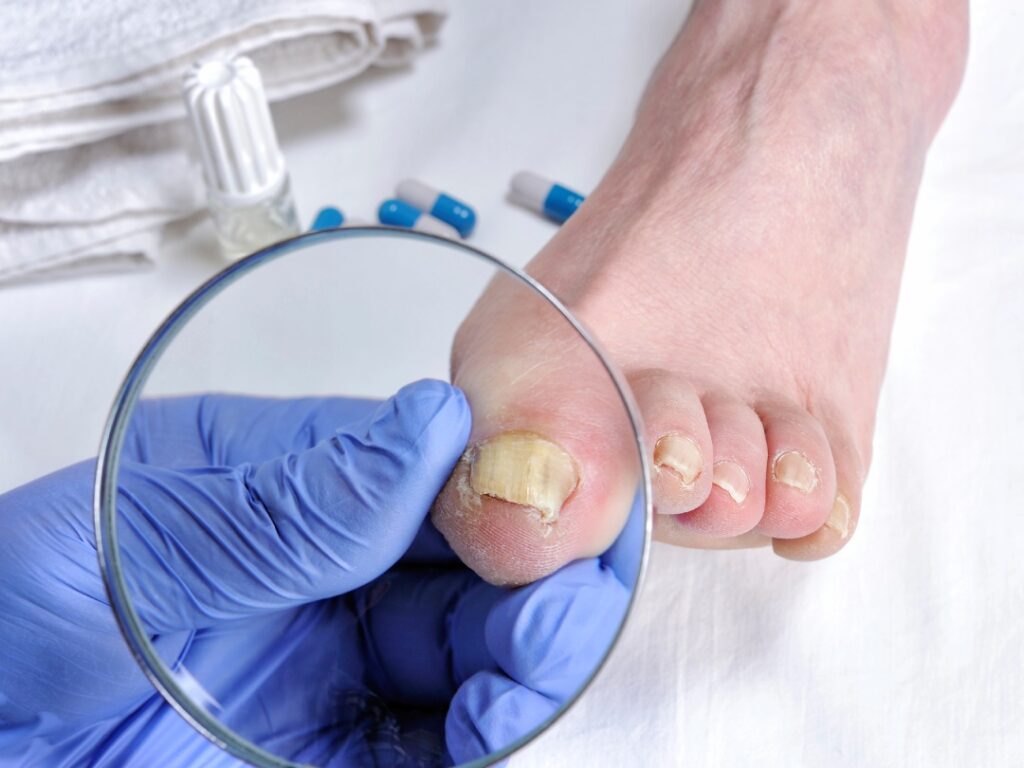
Nail problems may seem cosmetic, but thickened, discolored, or ingrown toenails can lead to pressure points, ulcers, or infections. Regular inspection and professional care from Vital Podiatry Foot and Ankle Specialist can prevent these issues from escalating.
Infections and Foul Odor
Any sign of infection—pus, redness, swelling, warmth, or an unpleasant smell—needs immediate attention. Diabetic feet are more prone to infections because reduced blood flow makes it harder for the immune system to fight bacteria. Ignoring even minor infections can quickly become dangerous.
Serious Complications if Left Untreated
Ignoring warning signs can lead to serious health consequences.
Foot Ulcers and Gangrene
Untreated wounds can develop into ulcers, which are open sores that penetrate deeper layers of skin. In some cases, ulcers can progress to gangrene—a condition where tissue dies due to lack of blood flow or infection. Gangrene is a medical emergency that can result in amputation if not treated promptly.
Infections Leading to Amputation
Severe infections that are not addressed early can spread to deeper tissues and bones. In extreme cases, amputation becomes necessary to prevent life-threatening complications. This reality underscores why proactive care and routine check-ups with Vital Podiatry Foot and Ankle Specialist are so important for diabetics in Gleannloch Farms.
Preventive Measures for Diabetic Foot Health
Prevention is your strongest defense. With consistent care, you can minimize risks and maintain healthy, pain-free feet.
Daily Foot Inspections
Take a few minutes every day to inspect your feet. Look for cuts, blisters, redness, swelling, or nail changes. Pay attention to every detail, even minor irritations. Early detection can prevent serious complications.
Proper Footwear and Socks
Choose shoes that fit well and support your feet properly. Avoid tight or narrow footwear, as it can lead to blisters or calluses. Moisture-wicking socks help prevent fungal infections and reduce friction.
Blood Sugar Management
Keeping blood sugar within a healthy range is your first line of defense. Consistently managing your levels reduces the risk of nerve damage, circulation problems, and delayed healing.
Regular Visits to Vital Podiatry Foot and Ankle Specialist
Routine check-ups with a podiatrist are essential. Vital Podiatry Foot and Ankle Specialist in Gleannloch Farms offers expert evaluations, treatment for minor foot issues before they worsen, and guidance on daily care practices.

When to Seek Professional Help
If you notice persistent numbness, swelling, wounds that don’t heal, or signs of infection, don’t wait. Early professional intervention can prevent complications from escalating. Diabetic foot problems can worsen quickly, so timely medical attention is key.
Living with Diabetes: Lifestyle Tips for Healthy Feet
Small lifestyle adjustments can dramatically improve your foot health.
Exercise and Foot Mobility
Gentle exercises and foot stretches improve circulation and flexibility. Walking, toe curls, or ankle rotations keep blood flowing and reduce stiffness. Even short, daily routines make a difference.
Diet and Nutrition
A balanced diet supports overall health and blood sugar control. Focus on lean proteins, high-fiber foods, and healthy fats. Avoid excessive sugar and processed foods, which can exacerbate neuropathy and circulation issues.
Avoiding Smoking and Alcohol
Smoking reduces circulation, while excessive alcohol can worsen nerve damage. Cutting back or eliminating these habits is one of the most effective ways to protect your feet.
Vital Podiatry Foot and Ankle Specialist Serving the Gleannloch Farms Community and Beyond in Houston
Vital Podiatry Foot and Ankle Specialist is dedicated to serving the diverse needs of the local community of Houston, including individuals residing in neighborhoods like Gleannloch Farms. With its convenient location near landmarks such as the Geronimo Adventure Park and major intersections like Champion Forest Dr. and Gleannloch Estates Dr. (coordinates: 30.04337,-95.56354), we offer diabetic wound care doctor Houston services.
Get Diabetic Wound Care Doctor Services At Gleannloch Farms Now
CALL US NOW!
(281) 937-4546
Navigate from Gleannloch Farms to Vital Podiatry Foot and Ankle Specialist Now
Taking Control of Your Foot Health
Diabetic foot complications don’t have to be inevitable. By staying alert to warning signs, practicing preventive care, and visiting Vital Podiatry Foot and Ankle Specialist in Gleannloch Farms regularly, you can keep your feet healthy and avoid serious consequences.
Your feet carry you through life—they deserve the same attention and care you give the rest of your body. Don’t wait for pain to speak; listen to the subtle signs today and take proactive steps for a healthier tomorrow.
FAQs
Q1: How often should I have my feet checked if I have diabetes?
A: At minimum, schedule a foot exam with a podiatrist like Vital Podiatry Foot and Ankle Specialist at least once a year. More frequent visits may be necessary if you have existing complications or neuropathy.
Q2: Can I prevent diabetic foot ulcers entirely?
A: While not all ulcers are preventable, daily foot care, proper footwear, and regular medical checkups greatly reduce the risk. Early detection is key.
Q3: What should I do if I find a sore that won’t heal?
A: Contact a podiatrist immediately. Do not attempt to treat it at home, as infections can worsen rapidly. Professional evaluation is crucial.
Q4: Are diabetic foot problems always painful?
A: Not necessarily. Peripheral neuropathy can reduce sensation, so some issues may develop without noticeable pain. Regular inspections are essential.
Q5: Can lifestyle changes really protect my feet?
A: Absolutely. Maintaining proper blood sugar levels, exercising, eating a healthy diet, and avoiding smoking are all powerful ways to prevent foot complications.