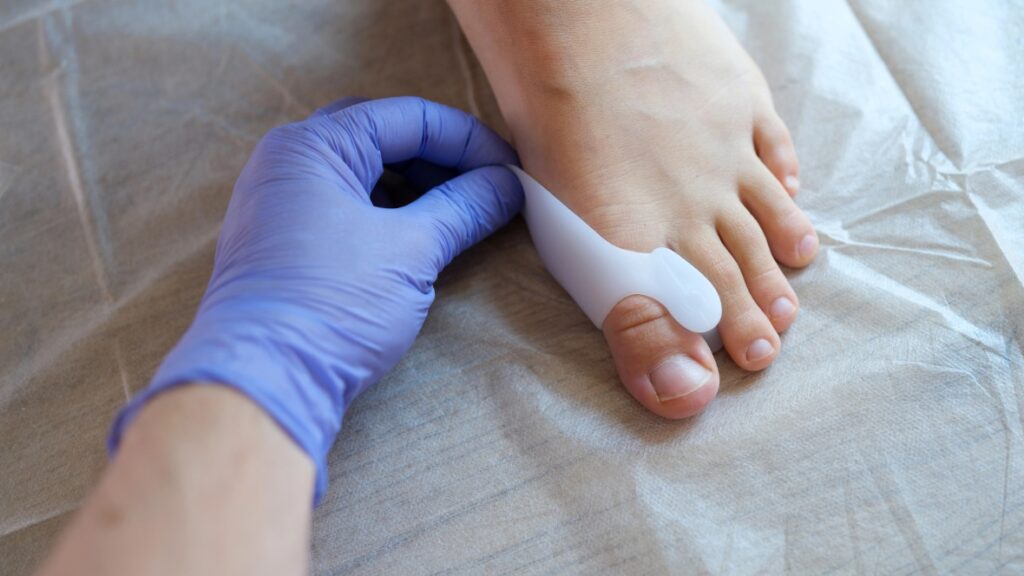
Foot pain can appear out of nowhere. One day, your feet feel fine, the next, every step is uncomfortable. Many people shrug it off, thinking it’s just fatigue or old shoes. But some foot pain signals something serious that shouldn’t be ignored.
Understanding the difference can save you months of discomfort or even prevent permanent damage. In this guide, we’ll walk you through how to recognize serious foot issues and what steps to take.
Understanding Foot Pain: Common Causes
Your feet carry your body weight, absorb shock, and keep you moving. With all this responsibility, it’s no surprise that foot pain happens. Causes can range from minor issues like blisters and small sprains to more complex problems like fractures, tendon injuries, or nerve damage. Knowing the difference is the first step toward proper care.
Minor Injuries vs Major Injuries
Minor injuries, like stubbed toes, mild sprains, or small bruises, usually heal with rest, ice, and supportive footwear. Pain is often manageable and improves in a few days.
Major injuries, on the other hand, require immediate attention. Fractures, torn ligaments, or dislocations can cause severe pain, swelling, and difficulty walking. If your pain feels unusually intense, or the injury was caused by a sudden accident, it could indicate a serious problem.
Overuse and Strain
Feet are constantly in use. Long walks, running, standing for hours, or wearing unsupportive shoes can lead to overuse injuries. These start as mild discomfort but worsen if ignored. Tendonitis, stress fractures, and plantar fasciitis are common examples. Overuse injuries may not be obvious at first but can become chronic if neglected.

Warning Signs of Serious Foot Problems
Not all foot pain is dangerous, but certain warning signs indicate a need for immediate attention. Paying attention to these can prevent long-term complications.
Persistent or Worsening Pain
Pain that sticks around longer than a few days, or becomes sharper over time, is a red flag. Normal soreness fades after rest and care, but persistent pain signals something more serious, like a stress fracture, tendon injury, or infection.
Swelling, Redness, or Heat
Swelling, redness, or warmth in your foot may point to inflammation, infection, or poor circulation. Sudden or severe swelling, especially if accompanied by pain, can indicate a blood clot or infection that needs urgent medical attention.
Numbness or Tingling
Numbness, tingling, or a pins-and-needles sensation often points to nerve issues. This could be caused by conditions like neuropathy, nerve compression, or diabetes. Ignoring nerve-related pain can result in permanent damage or mobility issues.
Difficulty Walking or Bearing Weight
If you cannot walk, stand, or bear weight comfortably, something is structurally wrong. This could be a fracture, tendon rupture, or severe sprain. Trying to “tough it out” can worsen the injury and delay recovery.
Deformities or Visible Bone Changes
Any visible misalignment, bulging bone, or unnatural shape requires immediate evaluation. Fractures, bunions, or severe sprains may need medical treatment to restore normal function.
Foot Pain in Children vs Adults
Foot pain isn’t exclusive to adults. Children also experience it, though the causes often differ. Recognizing age-specific factors is important for proper care.
Growth-Related Foot Pain
Rapid growth in children can cause temporary heel or arch pain, often referred to as growing pains. This is usually harmless, but pain that persists or worsens during activity should be evaluated by a pediatric podiatrist.
Foot Pain from Sports or Play
Active kids may injure their feet during sports or play. Sprains, fractures, and overuse injuries are common. Bruising, swelling, or limping are signs parents should never ignore. Timely intervention can prevent long-term complications.
Chronic Foot Conditions That Require Attention
Chronic foot pain often signals an underlying issue. These conditions need professional management to prevent permanent damage.
Arthritis in the Foot
Arthritis can affect joints in the toes, heels, or midfoot. Pain, stiffness, and swelling often worsen with activity. Ignoring arthritis leads to joint damage and decreased mobility, so early intervention is key.
Plantar Fasciitis
Plantar fasciitis occurs when the tissue connecting your heel to your toes becomes inflamed. It causes stabbing heel pain, especially after rest or first thing in the morning. Early stretching, supportive footwear, and targeted exercises reduce long-term discomfort.
Tendon or Ligament Injuries
Torn tendons or ligaments create instability, swelling, and bruising. Common examples include Achilles tendon ruptures and ankle ligament sprains. Proper diagnosis and therapy prevent recurring injuries and chronic pain.
Diabetes-Related Foot Issues
Diabetes reduces blood flow and nerve sensitivity, making even small cuts or blisters dangerous. Diabetic foot ulcers can progress rapidly and lead to infection or amputation if untreated. Regular foot checks are critical.
When to Seek Professional Help
Knowing when to act is as important as understanding your symptoms. Foot issues may need urgent or scheduled care, depending on severity.
Immediate Care vs Scheduled Consultation
Severe pain, swelling, deformities, or open wounds require urgent attention. Less severe but persistent pain deserves a scheduled visit to a podiatrist. Early assessment reduces complications and speeds recovery.
What a Podiatrist Will Check
Podiatrists examine foot structure, range of motion, gait, and perform imaging if needed. They pinpoint injuries, infections, and chronic conditions accurately, providing the right treatment plan for lasting relief.
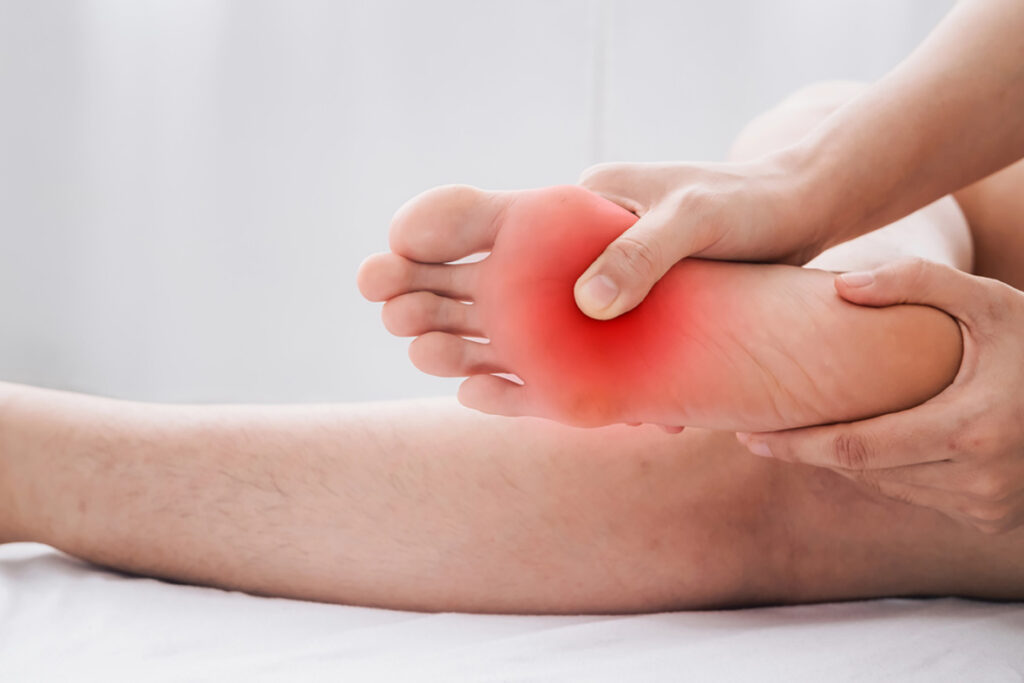
Vital Podiatry Cypress Foot and Ankle Specialist in Northwest Lake Business Park: Your Local Experts
Residents near Northwest Lake Business Park trust Vital Podiatry Cypress Foot and Ankle Specialist for expert care. Their team provides thorough evaluations, personalized treatment plans, and guidance to keep your feet healthy.
Services Offered
They offer injury assessment, diabetic foot care, custom orthotics, physical therapy recommendations, and surgical interventions when necessary. Their comprehensive services make them a one-stop solution for foot and ankle problems.
Why Early Diagnosis Matters
Early diagnosis prevents worsening conditions, reduces pain, and improves long-term mobility. Catching issues before they escalate can save patients from surgery or chronic complications.
Home Care and Pain Relief Options
While professional care is essential, mild pain or recovery phases benefit from home measures.
Ice, Compression, and Rest
Applying ice reduces swelling and inflammation. Gentle compression supports injured areas, and rest prevents further strain. Avoid overloading the foot during recovery.
Supportive Footwear and Inserts
Shoes with proper arch support, cushioning, and stability help distribute weight evenly. Custom orthotics or inserts reduce strain on joints and ligaments.
Gentle Exercises and Stretching
Simple stretches for the calves, Achilles tendon, and plantar fascia improve flexibility and prevent stiffness. Strengthening exercises enhance stability and reduce the risk of future injuries.
Common Misconceptions About Foot Pain
Foot pain is often ignored due to myths or assumptions. Recognizing misconceptions helps prevent delayed treatment.
Ignoring Pain Doesn’t Make It Go Away
Many people walk through pain, hoping it disappears. Ignoring warning signs often worsens injuries and complicates treatment.
Foot Pain Isn’t Always Age-Related
Young adults and children also experience serious foot problems, especially with high activity levels. Pain shouldn’t be dismissed because of age.
Prevention Tips to Keep Your Feet Healthy
Preventing foot pain is easier than treating it. Healthy habits protect your mobility and overall well-being.
Proper Footwear Choices
Choose shoes that fit well, provide arch support, and suit your activity. Avoid narrow-toed shoes, high heels, or worn-out sneakers for long periods.
Maintaining a Healthy Weight
Extra weight adds stress to the feet, increasing the risk of strain, arthritis, and plantar fasciitis. Keeping a healthy weight reduces pressure and discomfort.
Stretching and Strengthening Exercises
Routine stretches, balance exercises, and foot strengthening help maintain flexibility, stability, and resilience against injuries.
Vital Podiatry Cypress Foot and Ankle Specialist Serving the Northwest Lake Business Park Community and Beyond in Cypress
Vital Podiatry Cypress Foot and Ankle Specialist is dedicated to serving the diverse needs of the local community of Cypress, including individuals residing in neighborhoods like Northwest Lake Business Park. With its convenient location near landmarks such as the Cy-Fair Fire Department – Administration Office and major intersections like N Berwick Dr & Cameron Rd (coordinates: 29.930364582641815, -95.64991759508926), we offer foot doctor Cypress services.
Get Foot Doctor Services at Northwest Lake Business Park Now
CALL US NOW!
(281) 937-4546
Navigate from Northwest Lake Business Park to Vital Podiatry Cypress Foot and Ankle Specialist Now
Protect Your Steps: Why Timely Foot Care Matters
Foot pain is more than a minor annoyance, it can signal serious injury or chronic conditions. Persistent pain, swelling, numbness, difficulty walking, or visible deformities should never be ignored.
Residents near Northwest Lake Business Park can rely on Vital Podiatry Cypress Foot and Ankle Specialist for accurate diagnosis, effective treatment, and guidance on preventive care. Caring for your feet now ensures you can move comfortably and confidently for years to come.
FAQs
1. Can foot pain indicate heart or circulation issues?
Yes, especially if accompanied by cold, numb, or discolored toes. Poor circulation can be serious and requires professional evaluation.
2. Are home remedies enough for foot pain?
Mild soreness may improve with rest and ice, but persistent, severe, or worsening pain needs expert care.
3. What types of foot injuries require immediate attention?
Fractures, dislocations, severe sprains, deep cuts, or sudden swelling should be treated urgently.
4. How can I prevent foot pain caused by overuse?
Proper footwear, gradual increases in activity, and stretching routines reduce the risk of overuse injuries.
5. Does age affect foot pain recovery?
Recovery can be slower with age due to reduced circulation or joint wear, but proper care, therapy, and lifestyle adjustments improve outcomes.