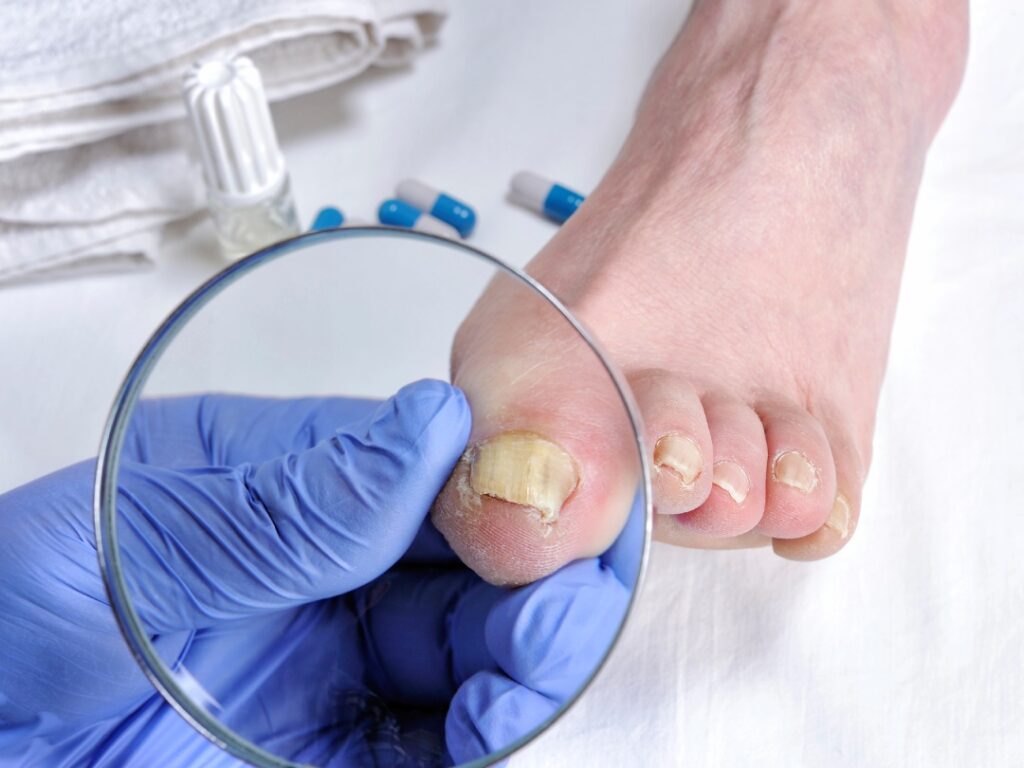
How to Treat Wounds That Won’t Heal

April 21, 2025

Dealing with a wound that just won’t heal can be stressful—and for people with diabetes, it’s more than just an inconvenience. Chronic wounds aren’t just stubborn—they can be downright dangerous if ignored. The good news? You’re not alone, and effective treatment is available. Whether it’s a slow-healing foot ulcer or a pressure sore that won’t go away, a Diabetic Wound Care Doctor in Houston at Vital Podiatry Foot and Ankle Specialist can help you heal properly and avoid serious complications.

Understanding Chronic Wounds

What Is a Chronic Wound?

A chronic wound is one that just won’t heal the way it should. Normally, a cut or scrape goes through a natural healing process—clotting, scabbing, and eventually, new skin. But with chronic wounds, something interrupts that process. The wound lingers, sometimes for weeks or months.

Common Causes of Non-Healing Wounds

Several things can throw off the healing process:

Diabetes and Wound Healing

High blood sugar damages blood vessels and nerves, meaning less oxygen and nutrients get to the wound. This is why diabetic wounds are notorious for being slow to heal—or not healing at all.

Poor Circulation

If your blood isn’t flowing properly, wounds don’t get the tools they need to rebuild tissue. Peripheral artery disease (PAD) is a common culprit.

Infection

Bacteria can get into the wound and create a nasty cycle of inflammation and damage. This not only stalls healing but also increases the risk of serious complications.

Pressure Sores

People with limited mobility (especially seniors) often get pressure ulcers. These wounds need special care and attention.

Why Diabetic Wound Care Needs Special Attention

The Science Behind Diabetes and Delayed Healing

Diabetes reduces your body’s ability to fight infection and heal tissue. Over time, nerve damage (neuropathy) sets in, and you may not even notice injuries until they’re already infected.

Why Minor Cuts Can Turn Serious

What starts as a small blister can turn into a deep ulcer if not treated properly. For diabetics, untreated wounds can lead to amputations—and that’s no exaggeration.

Signs a Wound Isn’t Healing Properly

Red Flags to Watch Out For

How do you know if something’s not right? Here are some telltale signs:

  • Wound hasn’t improved after 2 weeks
  • Pain, swelling, or redness around the wound
  • Pus or foul-smelling discharge
  • Black tissue (a sign of dead skin)
  • Fever or chills

When to Seek Medical Help

If you see any of the above, it’s time to visit a Diabetic Wound Care Doctor in Houston, like those at Vital Podiatry Foot and Ankle Specialist. Don’t wait—early treatment can prevent complications.

First Steps to Take at Home

Clean, Protect, Monitor

Start with the basics:

  • Wash the wound gently with saline or clean water
  • Apply an appropriate dressing
  • Keep it dry and clean
  • Check it daily

Avoiding DIY Mistakes

Don’t use alcohol or hydrogen peroxide—they can damage tissue. Also, avoid tight bandages and resist the urge to pick at scabs.

Professional Treatments That Work

Debridement – What Is It and Why It Matters

Debridement is the process of removing dead or infected tissue. It may sound unpleasant, but it’s often essential for healing. This helps healthy tissue grow back faster.

Wound Dressings: Not All Are Created Equal

There’s no one-size-fits-all when it comes to dressings. Options include:

  • Hydrocolloid dressings
  • Foam dressings
  • Antimicrobial bandages
  • Moisture-retentive dressings

A specialist can recommend the right type based on your wound.

Hyperbaric Oxygen Therapy (HBOT)

This involves breathing pure oxygen in a pressurized chamber. It boosts the oxygen supply to tissues and can significantly speed up healing for certain types of wounds.

Why You Should See a Diabetic Wound Care Doctor in Houston

Expertise That Makes a Difference

A Diabetic Wound Care Doctor in Houston has specific training in how to treat and manage complex wounds. They know the warning signs, the right therapies, and how to avoid major complications.

Personalized Treatment Plans

At Vital Podiatry Foot and Ankle Specialist, patients get customized care based on their medical history, the type of wound, and lifestyle needs.

Preventing Future Complications

The goal isn’t just healing the current wound—it’s making sure it doesn’t happen again.

About Vital Podiatry Foot and Ankle Specialist

Who They Are

Vital Podiatry Foot and Ankle Specialist is a premier provider of diabetic foot care in Houston. They specialize in treating stubborn wounds, ulcers, infections, and more.

Services They Offer

  • Diabetic wound evaluations
  • Advanced wound care
  • Custom orthotics
  • Infection control
  • Foot and ankle surgeries

How to Protect Your Feet When You Have Diabetes

Daily Habits for Healthier Feet

  • Check your feet every day
  • Keep your toenails trimmed (but not too short)
  • Moisturize—but not between toes
  • Don’t go barefoot

Footwear Choices That Prevent Wounds

  • Wear properly fitted shoes
  • Use diabetic socks to reduce friction
  • Consider custom inserts

Myths About Wound Healing Debunked

“It’ll Heal on Its Own” – Not Always!

If you have diabetes or poor circulation, waiting it out isn’t a good strategy. What seems minor can escalate fast.

“Antibiotics Fix Everything” – Not Quite

Antibiotics help with infection, but they don’t heal wounds. You need a full treatment plan, including wound care techniques and possibly lifestyle changes.

Lifestyle Changes That Support Healing

Diet and Nutrition Tips

Eat foods rich in:

  • Protein (chicken, eggs, beans)
  • Vitamin C (citrus, bell peppers)
  • Zinc (nuts, seeds, whole grains)
  • Omega-3 fatty acids (fish, flaxseed)

Managing Blood Sugar Levels

Keep your glucose levels steady. High blood sugar can slow healing and make infections worse. Monitor regularly and stick to your prescribed treatment.

The Emotional Toll of Chronic Wounds

You’re Not Alone

It’s normal to feel anxious or frustrated. Chronic wounds can mess with your confidence and independence. You’re not weak—you’re human.

Support Systems That Help

Look for support groups, both online and in person. Your wound care team, like the compassionate folks at Vital Podiatry Foot and Ankle Specialist, are also there to support your emotional health.

Vital Podiatry Foot and Ankle Specialist Serving the Mills Run Community and Beyond in Houston

Vital Podiatry Foot and Ankle Specialist is dedicated to serving the diverse needs of the local community of Houston, including individuals residing in neighborhoods like Mills Run. With its convenient location near landmarks such as the Linnfield and major intersections likeWillow Chase Dr. and Willow Pl Dr N (coordinates: 29.959643183940816, -95.55373250000001), we offer Diabetic Wound Care Doctor Houston services.
Get Diabetic Wound Care Doctor Houston Services at Mills Run Now

CALL US NOW!

(281) 937-4546

Navigate from Mills Run  to Vital Podiatry Foot and Ankle Specialist Now

FAQs

1. What kind of doctor treats diabetic wounds in Houston?
A Diabetic Wound Care Doctor in Houston, especially a podiatrist like those at Vital Podiatry Foot and Ankle Specialist, specializes in treating and managing foot and leg wounds caused by diabetes.

2. How long should I wait before seeking help for a wound?
If your wound hasn’t started to heal within 7–10 days or shows signs of infection, seek medical help right away.

3. Is it safe to treat diabetic wounds at home?
Basic wound care can start at home, but if you’re diabetic, always get it evaluated by a professional. Delays can lead to complications.

4. Can poor diet affect wound healing?
Absolutely. Nutrient deficiencies can slow down the healing process. A balanced diet helps your body repair itself faster.

5. What makes Vital Podiatry Foot and Ankle Specialist different?
Their focus on diabetic wound care, advanced treatment options, and personalized plans make them a go-to for anyone dealing with non-healing wounds in Houston.Chronic wounds, especially diabetic ones, are nothing to mess around with. Ignoring them can lead to serious consequences—but with the right care, healing is within reach. If you’re in Houston and need expert help, a Diabetic Wound Care Doctor in Houston at Vital Podiatry Foot and Ankle Specialist can guide you every step of the way. You’ve got this—and we’ve got you.

TAKE YOUR FIRST STEP

OR CALL US

(281) 937-4546

Related Post


Dealing with a wound that just won’t heal can be stressful—and for people with diabetes, it’s more than just an inconvenience. Chronic wounds aren’t just stubborn—they can be downright dangerous if ignored. The good news? You’re not alone, and effective treatment is available. Whether it’s a slow-healing foot ulcer or a pressure sore that won’t go away, a Diabetic Wound Care Doctor in Houston at Vital Podiatry Foot and Ankle Specialist can help you heal properly and avoid serious complications.

Understanding Chronic Wounds

What Is a Chronic Wound?

A chronic wound is one that just won’t heal the way it should. Normally, a cut or scrape goes through a natural healing process—clotting, scabbing, and eventually, new skin. But with chronic wounds, something interrupts that process. The wound lingers, sometimes for weeks or months.

Common Causes of Non-Healing Wounds

Several things can throw off the healing process:

Diabetes and Wound Healing

High blood sugar damages blood vessels and nerves, meaning less oxygen and nutrients get to the wound. This is why diabetic wounds are notorious for being slow to heal—or not healing at all.

Poor Circulation

If your blood isn’t flowing properly, wounds don’t get the tools they need to rebuild tissue. Peripheral artery disease (PAD) is a common culprit.

Infection

Bacteria can get into the wound and create a nasty cycle of inflammation and damage. This not only stalls healing but also increases the risk of serious complications.

Pressure Sores

People with limited mobility (especially seniors) often get pressure ulcers. These wounds need special care and attention.

Why Diabetic Wound Care Needs Special Attention

The Science Behind Diabetes and Delayed Healing

Diabetes reduces your body’s ability to fight infection and heal tissue. Over time, nerve damage (neuropathy) sets in, and you may not even notice injuries until they’re already infected.

Why Minor Cuts Can Turn Serious

What starts as a small blister can turn into a deep ulcer if not treated properly. For diabetics, untreated wounds can lead to amputations—and that’s no exaggeration.

Signs a Wound Isn’t Healing Properly

Red Flags to Watch Out For

How do you know if something’s not right? Here are some telltale signs:

  • Wound hasn’t improved after 2 weeks
  • Pain, swelling, or redness around the wound
  • Pus or foul-smelling discharge
  • Black tissue (a sign of dead skin)
  • Fever or chills

When to Seek Medical Help

If you see any of the above, it’s time to visit a Diabetic Wound Care Doctor in Houston, like those at Vital Podiatry Foot and Ankle Specialist. Don’t wait—early treatment can prevent complications.

First Steps to Take at Home

Clean, Protect, Monitor

Start with the basics:

  • Wash the wound gently with saline or clean water
  • Apply an appropriate dressing
  • Keep it dry and clean
  • Check it daily

Avoiding DIY Mistakes

Don’t use alcohol or hydrogen peroxide—they can damage tissue. Also, avoid tight bandages and resist the urge to pick at scabs.

Professional Treatments That Work

Debridement – What Is It and Why It Matters

Debridement is the process of removing dead or infected tissue. It may sound unpleasant, but it’s often essential for healing. This helps healthy tissue grow back faster.

Wound Dressings: Not All Are Created Equal

There’s no one-size-fits-all when it comes to dressings. Options include:

  • Hydrocolloid dressings
  • Foam dressings
  • Antimicrobial bandages
  • Moisture-retentive dressings

A specialist can recommend the right type based on your wound.

Hyperbaric Oxygen Therapy (HBOT)

This involves breathing pure oxygen in a pressurized chamber. It boosts the oxygen supply to tissues and can significantly speed up healing for certain types of wounds.

Why You Should See a Diabetic Wound Care Doctor in Houston

Expertise That Makes a Difference

A Diabetic Wound Care Doctor in Houston has specific training in how to treat and manage complex wounds. They know the warning signs, the right therapies, and how to avoid major complications.

Personalized Treatment Plans

At Vital Podiatry Foot and Ankle Specialist, patients get customized care based on their medical history, the type of wound, and lifestyle needs.

Preventing Future Complications

The goal isn’t just healing the current wound—it’s making sure it doesn’t happen again.

About Vital Podiatry Foot and Ankle Specialist

Who They Are

Vital Podiatry Foot and Ankle Specialist is a premier provider of diabetic foot care in Houston. They specialize in treating stubborn wounds, ulcers, infections, and more.

Services They Offer

  • Diabetic wound evaluations
  • Advanced wound care
  • Custom orthotics
  • Infection control
  • Foot and ankle surgeries

How to Protect Your Feet When You Have Diabetes

Daily Habits for Healthier Feet

  • Check your feet every day
  • Keep your toenails trimmed (but not too short)
  • Moisturize—but not between toes
  • Don’t go barefoot

Footwear Choices That Prevent Wounds

  • Wear properly fitted shoes
  • Use diabetic socks to reduce friction
  • Consider custom inserts

Myths About Wound Healing Debunked

“It’ll Heal on Its Own” – Not Always!

If you have diabetes or poor circulation, waiting it out isn’t a good strategy. What seems minor can escalate fast.

“Antibiotics Fix Everything” – Not Quite

Antibiotics help with infection, but they don’t heal wounds. You need a full treatment plan, including wound care techniques and possibly lifestyle changes.

Lifestyle Changes That Support Healing

Diet and Nutrition Tips

Eat foods rich in:

  • Protein (chicken, eggs, beans)
  • Vitamin C (citrus, bell peppers)
  • Zinc (nuts, seeds, whole grains)
  • Omega-3 fatty acids (fish, flaxseed)

Managing Blood Sugar Levels

Keep your glucose levels steady. High blood sugar can slow healing and make infections worse. Monitor regularly and stick to your prescribed treatment.

The Emotional Toll of Chronic Wounds

You’re Not Alone

It’s normal to feel anxious or frustrated. Chronic wounds can mess with your confidence and independence. You’re not weak—you’re human.

Support Systems That Help

Look for support groups, both online and in person. Your wound care team, like the compassionate folks at Vital Podiatry Foot and Ankle Specialist, are also there to support your emotional health.

Vital Podiatry Foot and Ankle Specialist Serving the Mills Run Community and Beyond in Houston

Vital Podiatry Foot and Ankle Specialist is dedicated to serving the diverse needs of the local community of Houston, including individuals residing in neighborhoods like Mills Run. With its convenient location near landmarks such as the Linnfield and major intersections likeWillow Chase Dr. and Willow Pl Dr N (coordinates: 29.959643183940816, -95.55373250000001), we offer Diabetic Wound Care Doctor Houston services.
Get Diabetic Wound Care Doctor Houston Services at Mills Run Now

CALL US NOW!

(281) 937-4546

Navigate from Mills Run  to Vital Podiatry Foot and Ankle Specialist Now

FAQs

1. What kind of doctor treats diabetic wounds in Houston?
A Diabetic Wound Care Doctor in Houston, especially a podiatrist like those at Vital Podiatry Foot and Ankle Specialist, specializes in treating and managing foot and leg wounds caused by diabetes.

2. How long should I wait before seeking help for a wound?
If your wound hasn’t started to heal within 7–10 days or shows signs of infection, seek medical help right away.

3. Is it safe to treat diabetic wounds at home?
Basic wound care can start at home, but if you’re diabetic, always get it evaluated by a professional. Delays can lead to complications.

4. Can poor diet affect wound healing?
Absolutely. Nutrient deficiencies can slow down the healing process. A balanced diet helps your body repair itself faster.

5. What makes Vital Podiatry Foot and Ankle Specialist different?
Their focus on diabetic wound care, advanced treatment options, and personalized plans make them a go-to for anyone dealing with non-healing wounds in Houston.Chronic wounds, especially diabetic ones, are nothing to mess around with. Ignoring them can lead to serious consequences—but with the right care, healing is within reach. If you’re in Houston and need expert help, a Diabetic Wound Care Doctor in Houston at Vital Podiatry Foot and Ankle Specialist can guide you every step of the way. You’ve got this—and we’ve got you.