If you’ve been struggling with persistent foot or ankle pain, you’ve probably heard about some of the newer, cutting-edge treatments out there—like Leneva treatment. But what exactly is Leneva, how does it work, and could it be the solution you’ve been searching for?
In this article, we’re going to break it all down for you in simple, easy-to-understand terms. Plus, we’ll highlight how patients in Three Lakes East can access this innovative treatment through Vital Podiatry Foot and Ankle Specialist.
Understanding Leneva Treatment
Leneva treatment is part of a new wave of regenerative medicine, which focuses on helping your body heal naturally. Unlike traditional treatments that often just mask pain with medications or require invasive surgery, Leneva works on a cellular level.
The treatment uses adipose-derived regenerative cells, meaning cells collected from your own body fat. These cells are packed with growth factors and stem cells, which help repair damaged tissues, reduce inflammation, and restore mobility. In short, it’s like giving your feet and ankles a little “superpower boost” from your own body.
For people living in Three Lakes East, Leneva is an exciting option because it’s minimally invasive, has faster recovery times than surgery, and can be tailored to your specific foot or ankle condition by Vital Podiatry Foot and Ankle Specialist.
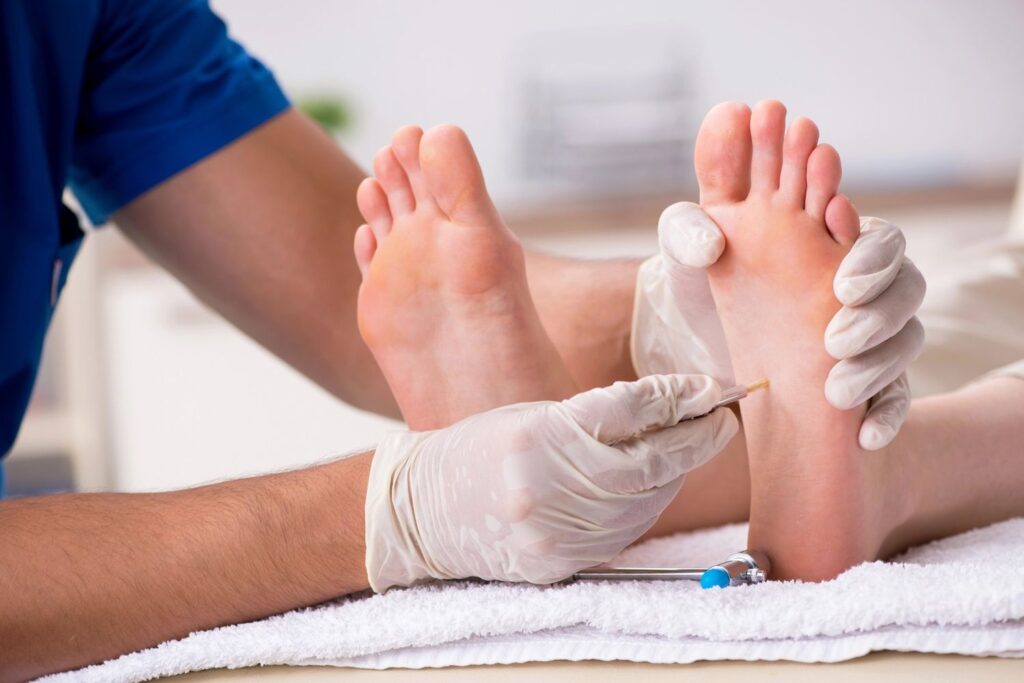
Who Can Benefit From Leneva Treatment?
Leneva isn’t just a fancy new trend—it’s designed to help a wide range of patients. Let’s take a closer look at who stands to benefit the most:
Patients With Chronic Foot Pain
If you’ve been dealing with nagging foot or ankle pain that refuses to go away, Leneva may be the answer. Chronic conditions like heel pain, joint stiffness, or general discomfort can often be traced back to tissue damage or inflammation that hasn’t fully healed. Leneva works at the root cause, helping repair the damaged cells rather than just masking pain.
Those Recovering From Foot Injuries
Foot and ankle injuries can linger long after the initial trauma. Sprains, fractures, or tendon injuries may heal slowly or incompletely, leaving you with pain or limited mobility. Leneva treatment can accelerate healing by delivering regenerative cells directly to the injured area, helping your body repair itself more completely and effectively.
Individuals With Plantar Fasciitis
Plantar fasciitis—the notorious heel pain that strikes most mornings—affects millions. Traditional remedies, like orthotics, stretching, or steroid injections, often provide only temporary relief. Leneva, however, targets the fascia tissue directly, promoting real healing rather than simply dulling the pain.
How Leneva Treatment Works
Now that we know who can benefit, let’s dive into how Leneva actually works.
Understanding the Science Behind Leneva
At its core, Leneva uses adipose-derived regenerative cells from your own body. These cells are rich in stem cells and growth factors that are essential for repairing damaged tissues and reducing inflammation. By injecting these cells into the affected foot or ankle, your body gets a natural boost to its healing process.
Cellular Regeneration Explained
Imagine your body as a construction site. Injured tissues are like crumbling walls or broken scaffolding. Leneva delivers the “construction crew”—your own regenerative cells—directly to the site. These cells then work to rebuild, repair, and restore the damaged tissue. Over time, this can lead to reduced pain, improved mobility, and stronger, healthier tissue.
Healing Through Adipose-Derived Tissue
Unlike stem cells from bone marrow, adipose (fat) tissue provides a higher concentration of regenerative cells, making it particularly effective for complex areas like the foot and ankle. These areas are constantly under stress, so having a robust supply of regenerative cells can make a huge difference in healing speed and overall results.
Step-By-Step Procedure Overview
If you’re wondering what a Leneva session actually looks like, here’s a simple breakdown:
- Initial Consultation and Assessment – At Vital Podiatry Foot and Ankle Specialist, your foot and ankle health is carefully evaluated. The specialists will review your medical history, conduct exams, and determine if Leneva is the right option.
- Fat Harvesting – A small amount of fat is collected from your body, usually from the abdomen or thigh, using a minimally invasive technique.
- Processing the Tissue – The harvested fat is processed to isolate regenerative cells. This ensures the treatment is concentrated and effective.
- Injection to Target Area – The purified regenerative cells are injected into the injured or painful area of your foot or ankle. Precision is key to maximize healing.
- Recovery and Follow-Up – After the procedure, your progress is monitored, and guidance is provided for post-treatment care to ensure optimal results.
The Role of Vital Podiatry Foot and Ankle Specialist in Three Lakes East
Receiving Leneva treatment is more than just the procedure itself. The specialists performing the treatment play a critical role in its success.
Personalized Treatment Plans
Every patient’s condition is unique. The team at Vital Podiatry Foot and Ankle Specialist customizes each Leneva session based on your injury, pain level, and lifestyle. This personalized approach ensures you get the best possible outcome for your specific needs.
Expert Evaluation and Monitoring
Your journey doesn’t end with the injection. The specialists at Vital Podiatry carefully monitor your healing progress, adjusting your treatment plan as needed and providing guidance for recovery. This hands-on care can make a huge difference in long-term results.
What to Expect During Your Leneva Session
Let’s walk through the patient experience so you know exactly what to expect:
Pre-Treatment Preparation
Preparation is minimal. Your doctor may ask you to avoid certain medications or supplements that could interfere with healing. You’ll receive a checklist to make sure everything is ready for a smooth procedure.
The Procedure Experience
The procedure itself is quick and minimally invasive. Local anesthesia is used, so discomfort is minimal. Fat harvesting and injection are typically completed in under an hour, making it a convenient option even for busy schedules.
Post-Treatment Care and Recovery
After the procedure, you may experience mild swelling, bruising, or soreness at the injection site. Most patients return to normal activities within a few days. The regenerative cells continue working over several weeks, promoting natural healing and tissue repair.
Benefits of Leneva Treatment
Here’s why Leneva is becoming a popular choice for foot and ankle pain:
Pain Relief and Improved Mobility
Many patients notice a reduction in pain within weeks, along with increased mobility and flexibility.
Enhanced Healing and Reduced Recovery Time
Because Leneva promotes cellular regeneration, recovery is often faster than traditional methods. It targets the root cause of damage, not just the symptoms.
Minimally Invasive and Safe
Using your own cells reduces the risk of complications. The treatment is delivered via small injections, so there’s no major surgery or long recovery time.
Potential Risks and Considerations
Like any medical treatment, Leneva is not without some risk. Side effects may include:
- Mild swelling or bruising at the injection site
- Temporary soreness or discomfort
- Rare complications in patients with certain medical conditions
The good news? Serious complications are extremely rare, especially when the procedure is performed by experienced specialists like those at Vital Podiatry Foot and Ankle Specialist.
Comparing Leneva Treatment With Other Therapies
How does Leneva stack up against other treatment options?
Traditional Surgery vs. Leneva
Surgery can be invasive, requires longer recovery periods, and carries higher risks. Leneva provides a non-surgical alternative that encourages natural healing.
Physical Therapy vs. Leneva
Physical therapy is excellent for strengthening and mobility, but it may not repair deep tissue damage. Leneva complements rehabilitation by targeting the injured tissue directly.
Insurance and Cost Considerations
Insurance coverage for Leneva treatment varies. Because it is often considered experimental or elective, coverage may be limited. Patients should consult with Vital Podiatry Foot and Ankle Specialist to discuss costs, financing options, and whether partial insurance reimbursement is available.
Vital Podiatry Foot and Ankle Specialist Serving the Three Lakes East Community and Beyond in Houston
Vital Podiatry Foot and Ankle Specialist is dedicated to serving the diverse needs of the local community of Houston, including individuals residing in neighborhoods like Three Lakes East. With its convenient location near landmarks such as the Gleannloch Farms and major intersections like Sardis Lake Dr. and Waterflower Dr. (coordinates: 30.04885,-95.59447), we offer Leneva treatment Houston services.
Get Leneva Treatment At Three Lakes East Now
CALL US NOW!
(281) 937-4546
Navigate from Three Lakes East to Vital Podiatry Foot and Ankle Specialist Now
Conclusion
Leneva treatment represents a new frontier in foot and ankle care. By harnessing your body’s own regenerative capabilities, it offers hope for those struggling with chronic pain, injuries, or slow-healing conditions.
For residents in Three Lakes East, Vital Podiatry Foot and Ankle Specialist provides expert guidance, personalized treatment plans, and access to the latest in regenerative medicine. If you’ve been searching for a minimally invasive, effective solution to your foot or ankle pain, Leneva may just be the breakthrough you need. Step into healing and reclaim your mobility!
FAQs
1. Is Leneva treatment painful?
Most patients experience minimal discomfort thanks to local anesthesia and the minimally invasive procedure.
2. How long does it take to see results?
Many patients notice improvements within a few weeks, with continued benefits over several months.
3. How long does the procedure take?
Typically, the entire session—including fat harvesting and injection—takes under an hour.
4. Can Leneva treatment be repeated?
Yes. Depending on your condition, additional sessions may be recommended to optimize results.
5. Are there any side effects?
Mild swelling, bruising, or soreness may occur temporarily, but serious complications are rare.