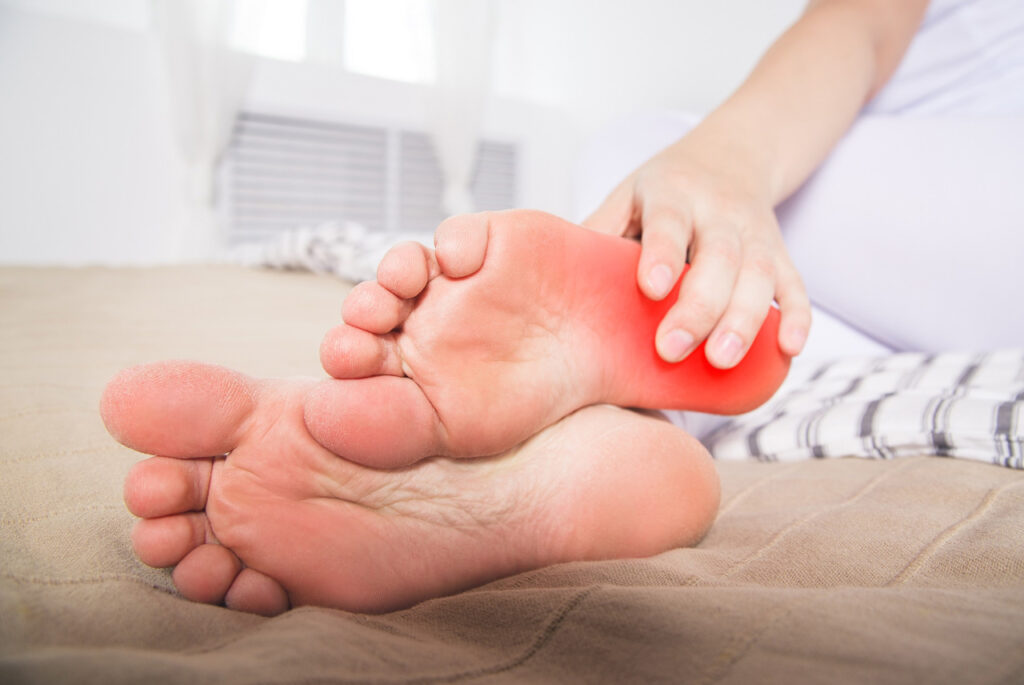
Heel pain can hit at the worst possible moments—making it tough to walk, run errands, or enjoy a casual stroll. The discomfort ranges from a dull ache to a sharp, stabbing pain in the bottom or back of the heel. But here’s the good news: small, consistent lifestyle changes can make a huge difference.
With a few tweaks in your daily routine, diet, footwear, and exercise habits, you can reduce discomfort and even prevent heel pain from becoming chronic. Let’s explore the practical steps that can transform your heel health.
Understanding Heel Pain: Causes and Symptoms
Before diving into lifestyle changes, it’s crucial to understand what might be causing the pain. Heel pain isn’t just random; it’s your body sending signals that something isn’t right.
Common Conditions Leading to Heel Pain
Several conditions can contribute to heel pain. The most frequent ones include:
- Plantar Fasciitis: Inflammation of the thick tissue along the bottom of your foot.
- Achilles Tendinitis: Irritation of the tendon connecting your calf muscles to the heel.
- Heel Spurs: Bony growths that can develop due to repeated stress.
- Bursitis: Inflammation of the fluid-filled sacs cushioning your heel.
Each condition has its own triggers, but most are influenced by factors like overuse, poor footwear, or sudden changes in activity levels.
How Heel Pain Impacts Daily Life
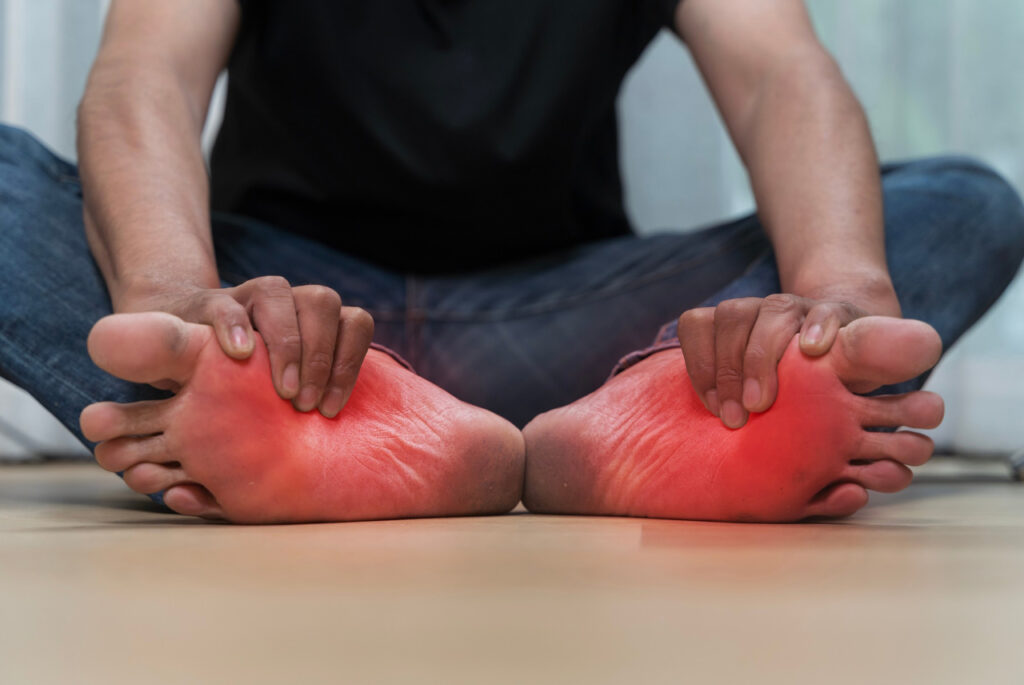
Heel pain can affect your mobility, work, and even sleep. Imagine starting your day with a sharp jab in your heel every time your foot hits the floor. Daily tasks feel heavier, and chronic discomfort can take a toll on your mental well-being. Recognizing this impact underscores why lifestyle adjustments are essential.
The Role of Lifestyle in Heel Health
Lifestyle choices play a significant role in preventing and alleviating heel pain. What you eat, how you move, and even the shoes you wear influence heel comfort.
How Daily Habits Affect Your Heels
Standing for long hours, wearing unsupportive shoes, or suddenly increasing physical activity can trigger pain. Conversely, pacing yourself, incorporating stretches, and choosing the right footwear can reduce strain and speed recovery.
The Connection Between Weight and Heel Pain
Extra weight increases the pressure on your heels, often leading to pain and inflammation. Maintaining a healthy weight or gradually losing pounds can ease this stress and make each step more comfortable. Even a modest weight reduction can make a noticeable difference in how your feet feel.
Vital Podiatry Cypress Foot and Ankle Specialist Insights
If lifestyle changes aren’t enough, consulting a specialist is key. Vital Podiatry Cypress Foot and Ankle Specialist offers expert guidance on managing heel pain, combining medical treatment with practical lifestyle recommendations.
Professional Recommendations for Heel Pain Relief
Podiatrists often suggest a combination of:
- Stretching and strengthening exercises.
- Custom orthotics or supportive insoles.
- Adjustments to footwear.
- Anti-inflammatory strategies, including diet and activity modification.
When to Seek Medical Attention
Seek professional help if heel pain persists for more than a few weeks, intensifies, or is accompanied by swelling, redness, or numbness. Early intervention prevents chronic issues and ensures a faster recovery.
Footwear Choices That Reduce Heel Pain
Your shoes can either aggravate or alleviate heel pain. Choosing the right footwear is a simple yet effective lifestyle change.
The Importance of Supportive Shoes
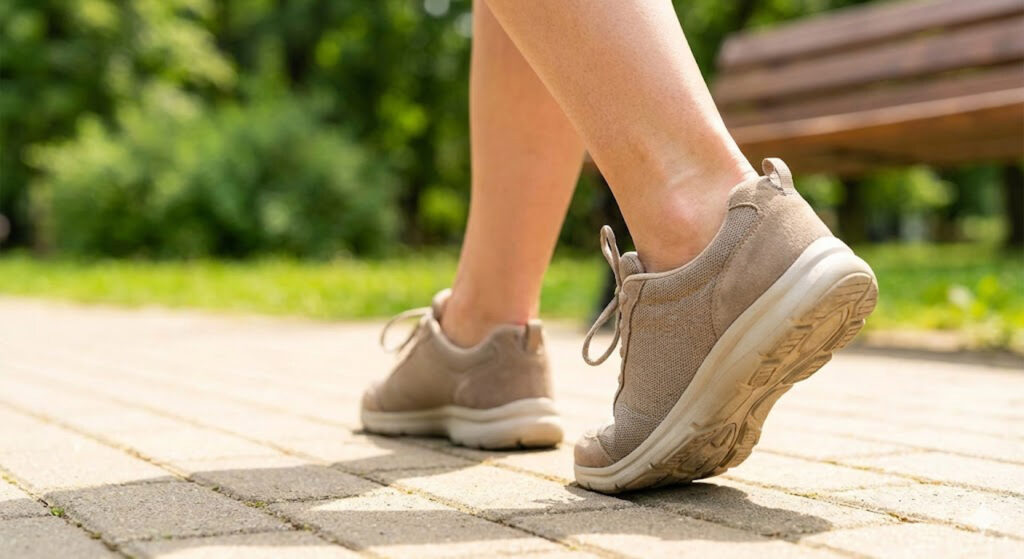
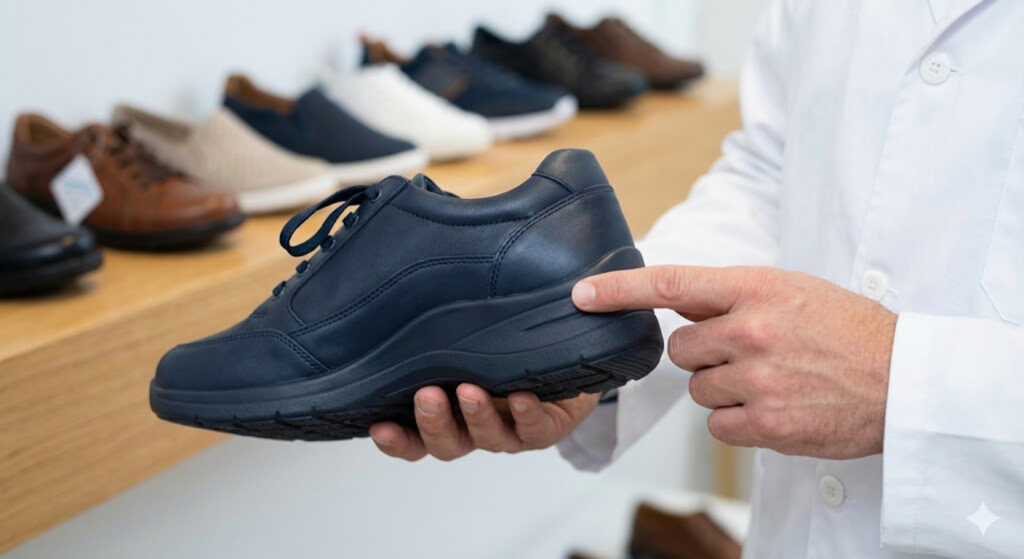
Supportive shoes provide proper cushioning, arch support, and heel stability. Athletic shoes with shock-absorbing soles or shoes with padded heels can drastically reduce discomfort during daily activities.
Avoiding Risky Footwear Styles
High heels, flat flip-flops, or shoes with thin soles can worsen heel pain. Limit their use and opt for shoes that cradle your feet while maintaining natural alignment.
Insoles and Orthotics: Do They Really Help?
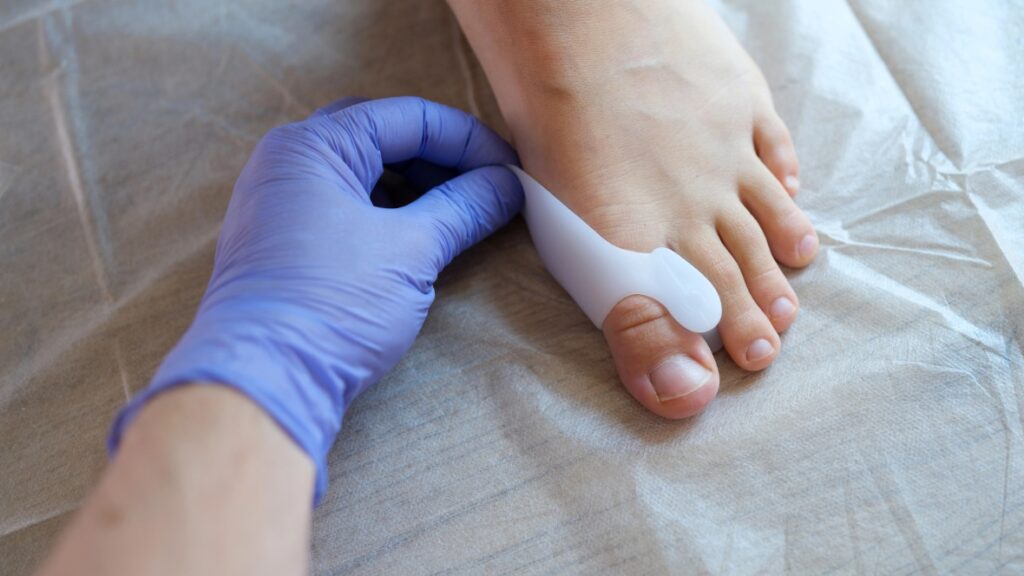
Custom or over-the-counter insoles can provide additional arch support and heel cushioning. Many people find relief with orthotics, which distribute pressure more evenly and reduce strain on inflamed tissues.
Exercise and Stretching for Heel Pain
Exercise might sound counterintuitive when your heel hurts, but targeted movement can actually relieve pain and prevent future flare-ups.
Effective Heel Stretches You Can Do at Home
Simple stretches, like calf stretches, plantar fascia stretches, and towel stretches, can relieve tension in the heel. Doing them daily for a few minutes reduces stiffness and improves mobility.
Strengthening Exercises for Foot Muscles
Strengthening exercises, such as toe curls or picking up small objects with your toes, build foot muscles. Stronger muscles support your heel and absorb impact more efficiently.
Low-Impact Activities That Protect Heels
Swimming, cycling, or using an elliptical machine keeps you active without stressing your heels. These activities improve fitness while giving your feet a break from high-impact exercises like running.
Nutrition and Heel Health
Believe it or not, your diet affects heel pain. Anti-inflammatory foods and maintaining a healthy weight can support recovery.
Anti-Inflammatory Foods That Aid Recovery
Foods rich in omega-3s, like salmon, chia seeds, and walnuts, reduce inflammation. Leafy greens, berries, and spices such as turmeric and ginger also support healing and overall foot health.
Maintaining a Healthy Weight for Foot Comfort
Reducing excess weight lessens heel pressure, which eases pain. Even small dietary changes, like reducing sugary and processed foods, contribute to overall foot comfort.
Daily Routines to Protect Your Heels
Simple adjustments in how you move, sit, and rest can protect your heels from strain.
Standing and Sitting Habits
Avoid standing in one place for too long. If your job requires standing, take short walking breaks and shift weight periodically. When sitting, elevate your feet occasionally to reduce pressure.
Sleep Positions That Reduce Foot Stress
Sleeping with a small pillow under your calves can slightly lift your heels, reducing strain. Certain positions can also aid circulation, minimizing morning stiffness.
Home Remedies That Work
Ice packs, gentle massages, and soaking your feet in warm water with Epsom salts can ease inflammation. Combine these with stretching for maximum effect.
Preventing Heel Pain Long-Term
Lifestyle changes aren’t just about immediate relief—they prevent future problems.
Lifestyle Adjustments for Longevity
Gradually increasing activity intensity, wearing supportive footwear, staying active, and managing weight are simple ways to keep heels healthy over time.
Monitoring Foot Health Over Time
Regular self-checks for swelling, redness, or unusual discomfort help detect problems early. Tracking your activity and heel pain patterns can prevent minor issues from becoming chronic.
Vital Podiatry Cypress Foot and Ankle Specialist Serving the Tower Oaks Meadows Community and Beyond in Cypress
Vital Podiatry Cypress Foot and Ankle Specialist is dedicated to serving the diverse needs of the local community of Cypress, including individuals residing in neighborhoods like Tower Oaks Meadows. With its convenient location near landmarks such as the Marrs Satsuma Pocket Park and major intersections like Marrs Dr. & Barwood Bend Dr. (coordinates: 29.93935901759432, -95.61878506439727), we offer heel pain doctor Cypress services.
Get Heel Pain Doctor Services at Tower Oaks Meadows Now
CALL US NOW!
(281) 937-4546
Navigate from Tower Oaks Meadows to Vital Podiatry Cypress Foot and Ankle Specialist Now
Take Charge of Your Heel Health
Heel pain doesn’t have to control your life. By adopting practical lifestyle changes—choosing supportive footwear, stretching regularly, maintaining a healthy weight, adjusting daily habits, and following professional advice—you can significantly reduce discomfort.
Combining these changes with guidance from experts like Vital Podiatry Cypress Foot and Ankle Specialist ensures a well-rounded approach to heel health. Each small step adds up, turning painful heels into comfortable, pain-free feet.
FAQs
1. Can changing shoes really reduce heel pain?
Yes. Shoes with proper arch support and cushioning reduce pressure on the heel, alleviating pain and preventing further injury.
2. How long does it take to see improvement with lifestyle changes?
Some people feel relief within a few weeks, while others may take a few months. Consistency with stretches, footwear choices, and activity adjustments is key.
3. Are heel stretches safe for everyone?
Generally, yes. But if you experience sharp pain, swelling, or bruising, stop and consult a podiatrist for guidance.
4. Do orthotics work for all types of heel pain?
Orthotics help many people, especially those with plantar fasciitis or flat feet, but effectiveness varies depending on the underlying condition. A specialist can recommend the right option.
5. When should I see a podiatrist?
If heel pain persists beyond a few weeks, worsens, or comes with swelling, redness, or numbness, professional evaluation is necessary for proper treatment.