What Shoes Do Podiatrists Recommend

February 21, 2026

Choosing the right shoes is more than just picking what looks stylish. Your footwear plays a critical role in overall foot health, comfort, and even posture. Ill-fitting shoes can lead to chronic pain, bunions, plantar fasciitis, and other problems that affect your mobility. 

Podiatrists, specialists in foot and ankle health, understand the nuances of foot mechanics and know which shoes can prevent or relieve discomfort.

In Houston’s warm and humid climate, your feet face additional stress from heat, moisture, and long hours on hard surfaces. This guide dives deep into what podiatrists recommend, how to choose shoes wisely, and tips to keep your feet healthy.

Understanding the Importance of Proper Footwear

Many people underestimate the impact that shoes have on their daily lives. Your feet carry your entire body weight, absorb shock with every step, and support your posture. Proper footwear protects joints, prevents injuries, and even improves balance.

Wearing the wrong shoes can cause long-term problems, even in young adults. Painful conditions like plantar fasciitis, bunions, hammertoes, or heel spurs often develop due to shoes that don’t match your foot structure. On the other hand, supportive shoes enhance comfort, reduce fatigue, and allow you to stay active longer.

How Shoes Affect Foot Health

Shoes influence how your feet move, how weight is distributed, and how much strain muscles and ligaments endure. A shoe with poor cushioning or arch support can alter your natural gait, leading to knee, hip, and back problems. Even small misalignments caused by tight or unsupportive shoes can create pain that spreads throughout the body.

Common Foot Problems Caused by Poor Footwear

Some of the most frequent issues caused by unsuitable shoes include:

  • Bunions – Tight, narrow shoes push toes together, causing bony bumps at the joint.
  • Hammertoes – Shoes that cramp toes lead to permanent bending and discomfort.
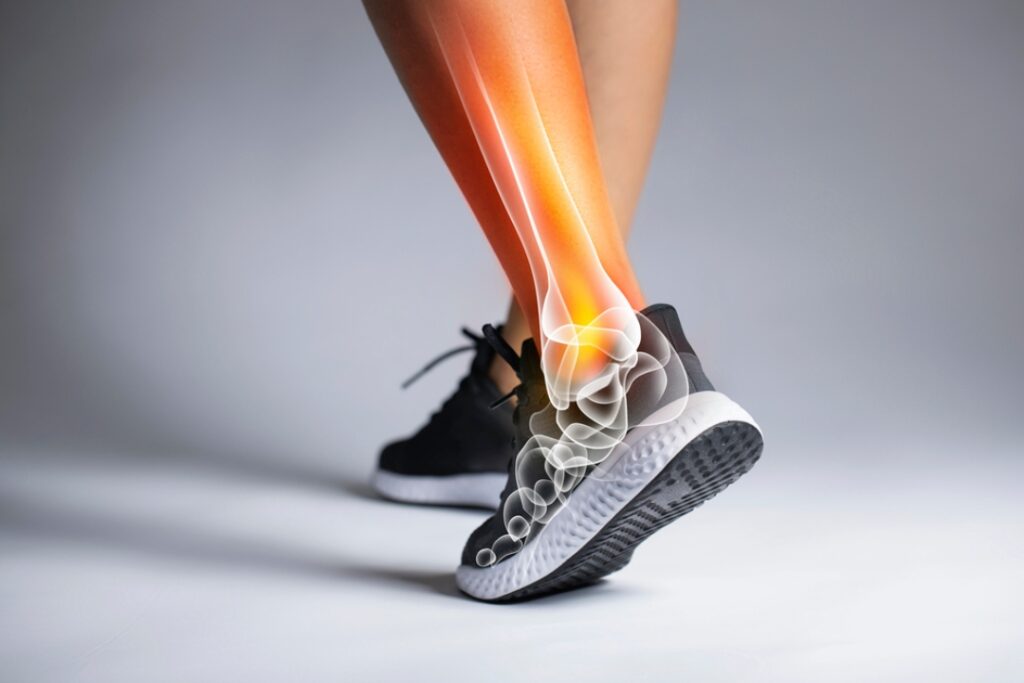
  • Plantar Fasciitis – Lack of heel support creates inflammation of the plantar fascia.
  • Heel Spurs – Repeated stress and poor cushioning result in bone growths on the heel.
  • Calluses and Blisters – Friction and pressure from shoes with rough interiors.

Houston’s concrete-heavy streets and hot weather can make these problems worse if shoes are too stiff, lack ventilation, or fail to provide proper support.

The Role of Podiatrists in Footwear Guidance

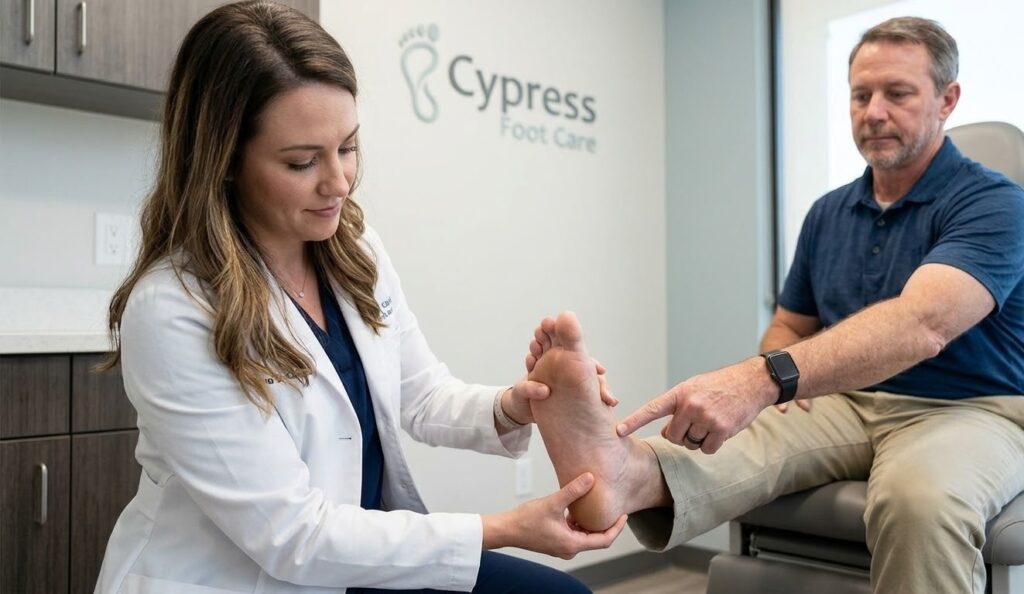
Podiatrists specialize in diagnosing and treating foot conditions. Unlike general advice online, podiatric recommendations are tailored to your foot shape, health conditions, and activity level. They understand biomechanics and can identify subtle issues that most people overlook.

Why Podiatrists Offer Specific Recommendations

Your feet are unique. Factors like arch height, gait pattern, weight distribution, and even your work or lifestyle affect the type of shoes you need. A podiatrist’s recommendations prevent pain, improve comfort, and avoid aggravating pre-existing foot problems. Shoes are not one-size-fits-all; the wrong pair can worsen chronic conditions or create new ones.

How Podiatrists Assess Foot Needs

Foot assessments by a podiatrist may include:

  • Measuring your arches to determine whether you are flat-footed, high-arched, or neutral.
  • Observing your walking and running patterns for uneven pressure or pronation issues.
  • Checking for pressure points or signs of deformities like bunions or hammertoes.
  • Using advanced tools, such as pressure-mapping mats, to analyze stress distribution across your feet.

Once your podiatrist understands your foot structure and movement, they can recommend shoes that align with your needs, reduce strain, and increase comfort.

Top Features Podiatrists Look for in Shoes

Not all shoes are created equal. Podiatrists focus on features that provide support, cushioning, and durability. Here’s what to look for:

Supportive Arch Design

A good arch support prevents your foot from rolling inward or outward excessively. For flat feet, a shoe with firm support is essential, while high arches require cushioning to absorb impact. Proper arch support prevents fatigue, reduces heel pain, and stabilizes your entire lower body.

Cushioning and Shock Absorption

Cushioned soles protect your feet from repeated impact, especially when walking or running on hard surfaces. Look for shoes with foam midsoles, gel inserts, or air-cushion technology. Shock absorption not only eases foot pain but also reduces stress on knees and hips.

Heel and Ankle Stability

A firm heel counter and supportive ankle structure keep the foot in place and prevent slips, twists, or sprains. Stability features are particularly important for people with weak ankles or high activity levels, such as runners or hikers.

Breathability and Material Quality

Shoes made from breathable materials like mesh, leather, or knit fabrics help reduce moisture buildup. This is especially crucial in Houston’s hot and humid climate, where sweat can lead to fungal infections, bad odor, and blisters. High-quality materials also increase shoe longevity.

Best Shoe Types for Everyday Wear

Different activities demand different shoes. Podiatrists recommend footwear that suits your daily life, whether walking, running, or casual wear.

Walking Shoes

Walking shoes should be lightweight, cushioned, and flexible. They should allow natural foot movement while providing moderate arch support. Thick, shock-absorbing soles make long walks more comfortable and reduce stress on your joints.

Running Shoes

Runners need shoes designed to handle repetitive impact. Look for shoes with:

  • Extra cushioning in the heel and forefoot
  • Midfoot stability to prevent overpronation
  • Breathable uppers to keep feet cool
  • A flexible yet supportive sole

A podiatrist can recommend the right running shoe based on your gait and running style.

Casual Sneakers

Supportive everyday sneakers keep your feet comfortable during errands, commutes, and light activity. Low-profile soles with moderate cushioning are perfect for casual wear. Sneakers with removable insoles can accommodate orthotics for extra support.

Dress Shoes

Dress shoes can be both stylish and podiatrist-approved if chosen carefully. Look for wide toe boxes, low heels, soft insoles, and materials that allow some flexibility. Avoid extremely narrow or high-heeled shoes, which can cause bunions, hammertoes, and back pain.

Shoes for Specific Foot Conditions

Foot problems require specialized footwear. Podiatrists customize recommendations for common conditions to reduce discomfort and prevent further damage.

Flat Feet

Shoes with firm arch support or custom orthotics help stabilize flat feet. They reduce strain on the foot, ankle, and knees while correcting overpronation, improving gait, and preventing pain.

Plantar Fasciitis

Cushioned soles and firm heel support reduce strain on the plantar fascia. Rocker-bottom soles or shoes with elevated heels can further alleviate heel pain and improve walking comfort.

Bunions and Hammertoes

Wide toe boxes and stretchable materials accommodate bunions and hammertoes without rubbing or pressure. Avoid narrow, pointed shoes that exacerbate deformities. Soft leather or knit fabrics are ideal for reducing irritation.

Diabetic Foot Concerns

People with diabetes must prioritize foot protection. Shoes should have:

  • Extra depth to prevent pressure points
  • Soft interiors and cushioned soles
  • No seams that could rub and cause ulcers
  • Secure fastenings to prevent slipping

Diabetic foot care is critical because minor injuries can become serious infections. Podiatrists often recommend custom footwear for high-risk patients.

Vital Podiatry Foot and Ankle Specialist’s Recommendations in Laurel Creek

Personalized Shoe Fitting

At Vital Podiatry Foot and Ankle Specialist in Houston, every patient receives a thorough evaluation. Specialists measure arches, analyze gait, and examine chronic issues before recommending shoes. This personalized approach ensures maximum comfort and reduces the risk of injury.

Recommended Brands and Models

Many podiatrists suggest brands such as Brooks, New Balance, ASICS, and Vionic for their supportive and cushioned designs. These shoes are suitable for daily wear, sports, or dress occasions. Custom orthotics can further enhance support for arches and heels, making long days on your feet much more comfortable.

Tips for Maintaining Healthy Feet in Your Shoes

Good shoe habits are just as important as choosing the right pair.

Proper Shoe Rotation

Avoid wearing the same pair every day. Rotating shoes allows them to air out, reduces wear, and prevents fungal infections or odor buildup.

Replacing Shoes at the Right Time

Shoes lose cushioning, support, and stability over time. Podiatrists recommend replacing running shoes every 300–500 miles or at least once a year for everyday shoes. Continuing to wear worn-out shoes can worsen existing conditions.

Using Orthotics and Inserts

Custom or over-the-counter orthotics improve arch support and help prevent pain. They redistribute pressure, stabilize the foot, and correct gait issues, ensuring your shoes provide maximum comfort and health benefits.

Common Mistakes People Make When Choosing Shoes

Even with the best intentions, many people make avoidable errors when buying shoes.

Ignoring Foot Shape and Arch Type

Shoes that don’t match your foot structure lead to discomfort, pain, and chronic issues over time. Testing shoes for fit and support before buying is essential.

Prioritizing Style Over Function

High heels, narrow flats, or stiff shoes may look fashionable but compromise foot health. Prioritizing function prevents long-term problems.

Wearing Worn-Out Shoes

Old shoes lose their cushioning, bend incorrectly, and fail to support arches. Replacing shoes on time is key to preventing injuries.

Vital Podiatry Foot and Ankle Specialist Serving the Laurel Creek Community and Beyond in Houston

Vital Podiatry Foot and Ankle Specialist is dedicated to serving the diverse needs of the local community of Houston, including individuals residing in neighborhoods like Laurel Creek. With its convenient location near landmarks such as the Rolling Fork Park 2 and major intersections like Windfern Rd & Rodney Ray Blvd (coordinates: 29.90049,-95.53827), we offer cash pay podiatrist services.

Get Cash Pay Podiatrist Services at Laurel Creek Now

CALL US NOW!

(281) 937-4546

Navigate from Laurel Creek to Vital Podiatry Foot and Ankle Specialist Now

Choosing Shoes That Protect Your Feet and Enhance Comfort

Healthy feet start with shoes that provide support, cushioning, and stability. Podiatrists recommend footwear tailored to your arch type, foot shape, and lifestyle. 

Following the advice from Vital Podiatry Foot and Ankle Specialist in Houston ensures comfort, prevents injuries, and maintains mobility for years to come. Investing in the right shoes isn’t just a choice—it’s a commitment to your overall well-being.

FAQs

1. How often should I replace my everyday shoes?
Most podiatrists suggest replacing shoes every 12–18 months, depending on wear and activity level.

2. Are orthotics necessary for everyone?
No. Orthotics are recommended for those with specific foot conditions, alignment issues, or chronic discomfort.

3. Can I wear high heels occasionally?
Occasional wear is acceptable, but limit duration and choose heels with wider bases for better stability.

4. How do I know if a shoe provides enough arch support?
A proper fit should support your arch without causing pressure points. Walking or standing for several minutes can help assess comfort.

5. Are certain brands better for foot health?
Brands like Brooks, New Balance, ASICS, and Vionic are commonly recommended for their supportive designs.

TAKE YOUR FIRST STEP

OR CALL US

(281) 937-4546

Related Post


Choosing the right shoes is more than just picking what looks stylish. Your footwear plays a critical role in overall foot health, comfort, and even posture. Ill-fitting shoes can lead to chronic pain, bunions, plantar fasciitis, and other problems that affect your mobility. 

Podiatrists, specialists in foot and ankle health, understand the nuances of foot mechanics and know which shoes can prevent or relieve discomfort.

In Houston’s warm and humid climate, your feet face additional stress from heat, moisture, and long hours on hard surfaces. This guide dives deep into what podiatrists recommend, how to choose shoes wisely, and tips to keep your feet healthy.

Understanding the Importance of Proper Footwear

Many people underestimate the impact that shoes have on their daily lives. Your feet carry your entire body weight, absorb shock with every step, and support your posture. Proper footwear protects joints, prevents injuries, and even improves balance.

Wearing the wrong shoes can cause long-term problems, even in young adults. Painful conditions like plantar fasciitis, bunions, hammertoes, or heel spurs often develop due to shoes that don’t match your foot structure. On the other hand, supportive shoes enhance comfort, reduce fatigue, and allow you to stay active longer.

How Shoes Affect Foot Health

Shoes influence how your feet move, how weight is distributed, and how much strain muscles and ligaments endure. A shoe with poor cushioning or arch support can alter your natural gait, leading to knee, hip, and back problems. Even small misalignments caused by tight or unsupportive shoes can create pain that spreads throughout the body.

Common Foot Problems Caused by Poor Footwear

Some of the most frequent issues caused by unsuitable shoes include:

  • Bunions – Tight, narrow shoes push toes together, causing bony bumps at the joint.
  • Hammertoes – Shoes that cramp toes lead to permanent bending and discomfort.
  • Plantar Fasciitis – Lack of heel support creates inflammation of the plantar fascia.
  • Heel Spurs – Repeated stress and poor cushioning result in bone growths on the heel.
  • Calluses and Blisters – Friction and pressure from shoes with rough interiors.

Houston’s concrete-heavy streets and hot weather can make these problems worse if shoes are too stiff, lack ventilation, or fail to provide proper support.

The Role of Podiatrists in Footwear Guidance

Podiatrists specialize in diagnosing and treating foot conditions. Unlike general advice online, podiatric recommendations are tailored to your foot shape, health conditions, and activity level. They understand biomechanics and can identify subtle issues that most people overlook.

Why Podiatrists Offer Specific Recommendations

Your feet are unique. Factors like arch height, gait pattern, weight distribution, and even your work or lifestyle affect the type of shoes you need. A podiatrist’s recommendations prevent pain, improve comfort, and avoid aggravating pre-existing foot problems. Shoes are not one-size-fits-all; the wrong pair can worsen chronic conditions or create new ones.

How Podiatrists Assess Foot Needs

Foot assessments by a podiatrist may include:

  • Measuring your arches to determine whether you are flat-footed, high-arched, or neutral.
  • Observing your walking and running patterns for uneven pressure or pronation issues.
  • Checking for pressure points or signs of deformities like bunions or hammertoes.
  • Using advanced tools, such as pressure-mapping mats, to analyze stress distribution across your feet.

Once your podiatrist understands your foot structure and movement, they can recommend shoes that align with your needs, reduce strain, and increase comfort.

Top Features Podiatrists Look for in Shoes

Not all shoes are created equal. Podiatrists focus on features that provide support, cushioning, and durability. Here’s what to look for:

Supportive Arch Design

A good arch support prevents your foot from rolling inward or outward excessively. For flat feet, a shoe with firm support is essential, while high arches require cushioning to absorb impact. Proper arch support prevents fatigue, reduces heel pain, and stabilizes your entire lower body.

Cushioning and Shock Absorption

Cushioned soles protect your feet from repeated impact, especially when walking or running on hard surfaces. Look for shoes with foam midsoles, gel inserts, or air-cushion technology. Shock absorption not only eases foot pain but also reduces stress on knees and hips.

Heel and Ankle Stability

A firm heel counter and supportive ankle structure keep the foot in place and prevent slips, twists, or sprains. Stability features are particularly important for people with weak ankles or high activity levels, such as runners or hikers.

Breathability and Material Quality

Shoes made from breathable materials like mesh, leather, or knit fabrics help reduce moisture buildup. This is especially crucial in Houston’s hot and humid climate, where sweat can lead to fungal infections, bad odor, and blisters. High-quality materials also increase shoe longevity.

Best Shoe Types for Everyday Wear

Different activities demand different shoes. Podiatrists recommend footwear that suits your daily life, whether walking, running, or casual wear.

Walking Shoes

Walking shoes should be lightweight, cushioned, and flexible. They should allow natural foot movement while providing moderate arch support. Thick, shock-absorbing soles make long walks more comfortable and reduce stress on your joints.

Running Shoes

Runners need shoes designed to handle repetitive impact. Look for shoes with:

  • Extra cushioning in the heel and forefoot
  • Midfoot stability to prevent overpronation
  • Breathable uppers to keep feet cool
  • A flexible yet supportive sole

A podiatrist can recommend the right running shoe based on your gait and running style.

Casual Sneakers

Supportive everyday sneakers keep your feet comfortable during errands, commutes, and light activity. Low-profile soles with moderate cushioning are perfect for casual wear. Sneakers with removable insoles can accommodate orthotics for extra support.

Dress Shoes

Dress shoes can be both stylish and podiatrist-approved if chosen carefully. Look for wide toe boxes, low heels, soft insoles, and materials that allow some flexibility. Avoid extremely narrow or high-heeled shoes, which can cause bunions, hammertoes, and back pain.

Shoes for Specific Foot Conditions

Foot problems require specialized footwear. Podiatrists customize recommendations for common conditions to reduce discomfort and prevent further damage.

Flat Feet

Shoes with firm arch support or custom orthotics help stabilize flat feet. They reduce strain on the foot, ankle, and knees while correcting overpronation, improving gait, and preventing pain.

Plantar Fasciitis

Cushioned soles and firm heel support reduce strain on the plantar fascia. Rocker-bottom soles or shoes with elevated heels can further alleviate heel pain and improve walking comfort.

Bunions and Hammertoes

Wide toe boxes and stretchable materials accommodate bunions and hammertoes without rubbing or pressure. Avoid narrow, pointed shoes that exacerbate deformities. Soft leather or knit fabrics are ideal for reducing irritation.

Diabetic Foot Concerns

People with diabetes must prioritize foot protection. Shoes should have:

  • Extra depth to prevent pressure points
  • Soft interiors and cushioned soles
  • No seams that could rub and cause ulcers
  • Secure fastenings to prevent slipping

Diabetic foot care is critical because minor injuries can become serious infections. Podiatrists often recommend custom footwear for high-risk patients.

Vital Podiatry Foot and Ankle Specialist’s Recommendations in Laurel Creek

Personalized Shoe Fitting

At Vital Podiatry Foot and Ankle Specialist in Houston, every patient receives a thorough evaluation. Specialists measure arches, analyze gait, and examine chronic issues before recommending shoes. This personalized approach ensures maximum comfort and reduces the risk of injury.

Recommended Brands and Models

Many podiatrists suggest brands such as Brooks, New Balance, ASICS, and Vionic for their supportive and cushioned designs. These shoes are suitable for daily wear, sports, or dress occasions. Custom orthotics can further enhance support for arches and heels, making long days on your feet much more comfortable.

Tips for Maintaining Healthy Feet in Your Shoes

Good shoe habits are just as important as choosing the right pair.

Proper Shoe Rotation

Avoid wearing the same pair every day. Rotating shoes allows them to air out, reduces wear, and prevents fungal infections or odor buildup.

Replacing Shoes at the Right Time

Shoes lose cushioning, support, and stability over time. Podiatrists recommend replacing running shoes every 300–500 miles or at least once a year for everyday shoes. Continuing to wear worn-out shoes can worsen existing conditions.

Using Orthotics and Inserts

Custom or over-the-counter orthotics improve arch support and help prevent pain. They redistribute pressure, stabilize the foot, and correct gait issues, ensuring your shoes provide maximum comfort and health benefits.

Common Mistakes People Make When Choosing Shoes

Even with the best intentions, many people make avoidable errors when buying shoes.

Ignoring Foot Shape and Arch Type

Shoes that don’t match your foot structure lead to discomfort, pain, and chronic issues over time. Testing shoes for fit and support before buying is essential.

Prioritizing Style Over Function

High heels, narrow flats, or stiff shoes may look fashionable but compromise foot health. Prioritizing function prevents long-term problems.

Wearing Worn-Out Shoes

Old shoes lose their cushioning, bend incorrectly, and fail to support arches. Replacing shoes on time is key to preventing injuries.

Vital Podiatry Foot and Ankle Specialist Serving the Laurel Creek Community and Beyond in Houston

Vital Podiatry Foot and Ankle Specialist is dedicated to serving the diverse needs of the local community of Houston, including individuals residing in neighborhoods like Laurel Creek. With its convenient location near landmarks such as the Rolling Fork Park 2 and major intersections like Windfern Rd & Rodney Ray Blvd (coordinates: 29.90049,-95.53827), we offer cash pay podiatrist services.

Get Cash Pay Podiatrist Services at Laurel Creek Now

CALL US NOW!

(281) 937-4546

Navigate from Laurel Creek to Vital Podiatry Foot and Ankle Specialist Now

Choosing Shoes That Protect Your Feet and Enhance Comfort

Healthy feet start with shoes that provide support, cushioning, and stability. Podiatrists recommend footwear tailored to your arch type, foot shape, and lifestyle. 

Following the advice from Vital Podiatry Foot and Ankle Specialist in Houston ensures comfort, prevents injuries, and maintains mobility for years to come. Investing in the right shoes isn’t just a choice—it’s a commitment to your overall well-being.

FAQs

1. How often should I replace my everyday shoes?
Most podiatrists suggest replacing shoes every 12–18 months, depending on wear and activity level.

2. Are orthotics necessary for everyone?
No. Orthotics are recommended for those with specific foot conditions, alignment issues, or chronic discomfort.

3. Can I wear high heels occasionally?
Occasional wear is acceptable, but limit duration and choose heels with wider bases for better stability.

4. How do I know if a shoe provides enough arch support?
A proper fit should support your arch without causing pressure points. Walking or standing for several minutes can help assess comfort.

5. Are certain brands better for foot health?
Brands like Brooks, New Balance, ASICS, and Vionic are commonly recommended for their supportive designs.