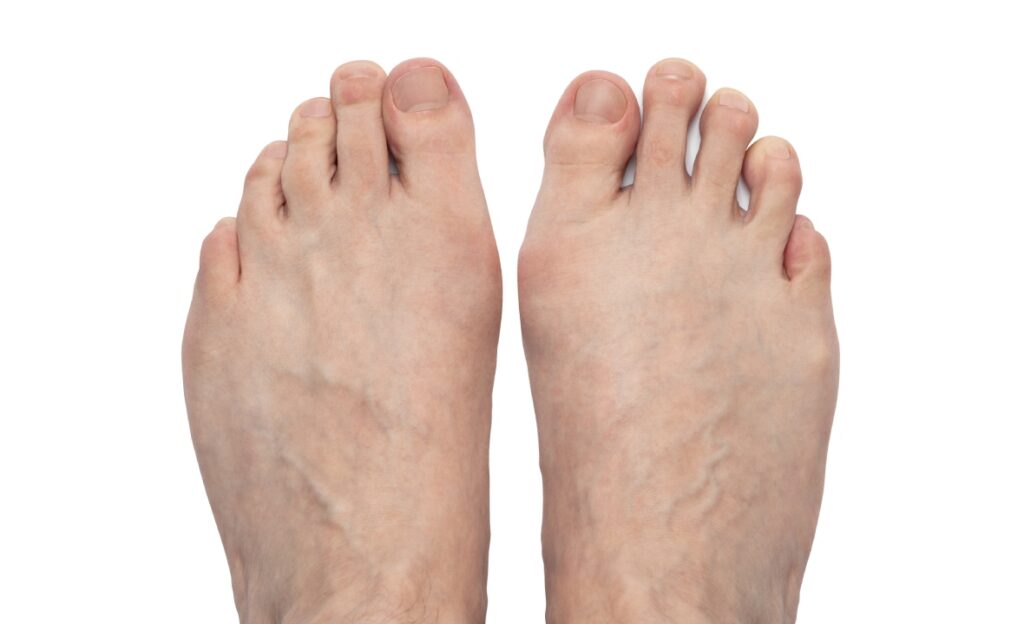
What Is A Toe Specialist And What Conditions Do They Treat?

February 25, 2026

Your toes may be small, but they do a heavy share of the work every single day. They help you balance, walk, run, stand, and pivot—often without you giving them a second thought. Until something goes wrong. Suddenly, a single painful toe can disrupt your sleep, limit your mobility, and make even simple activities uncomfortable. That’s when most people start asking an important question: Do I need a toe specialist?

In this in-depth guide, we’ll explore exactly what a toe specialist does, the wide range of conditions they treat, and when it’s time to seek professional care—especially if you’re in Barwood and looking for trusted, expert support.

Understanding the Role of a Toe Specialist

What Is a Toe Specialist?

A toe specialist is a medical professional trained to diagnose, treat, and manage conditions affecting the toes. While toes might seem straightforward, they are complex structures made up of bones, joints, tendons, nerves, skin, and nails—all of which can develop problems.

Think of a toe specialist like a mechanic who focuses on precision parts. When one small component malfunctions, the entire system—your foot, posture, and gait—can suffer. Toe specialists don’t just treat symptoms; they look at the root cause of pain or dysfunction and address it properly.

Is a Toe Specialist the Same as a Podiatrist?

In most cases, yes. Toe specialists are typically podiatrists, doctors who specialize in foot and ankle health. Podiatrists undergo years of medical education, clinical training, and specialized study focused solely on the lower extremities.

While general physicians may treat minor foot issues, podiatrists are trained to handle everything from routine nail care to complex surgical corrections. If your problem involves the toes, a podiatrist is often the most qualified professional to help.
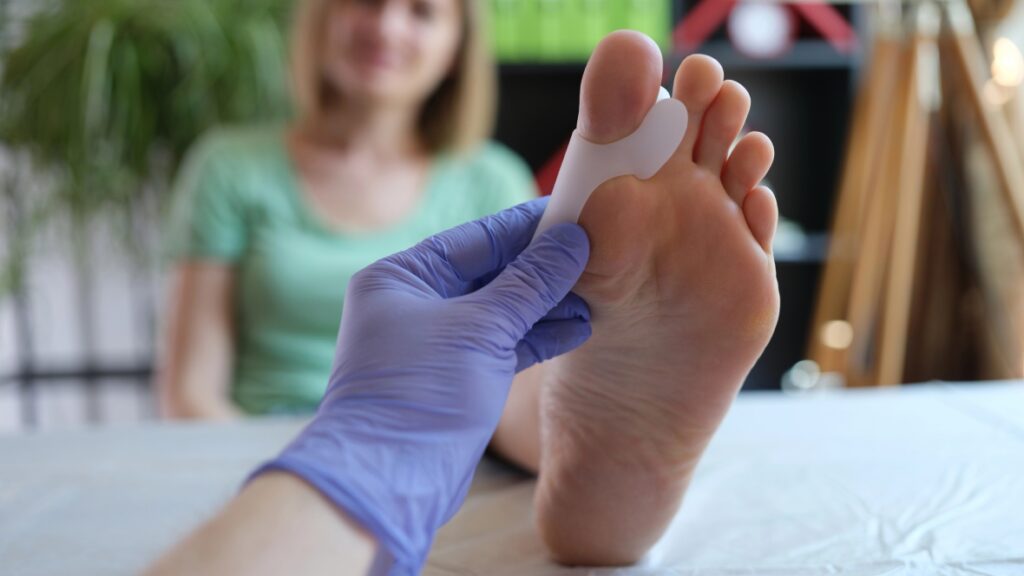
Toe specialist Cypress podiatrist fitting a patient with a white silicone orthotic toe spacer for alignment.

Why Toe Health Matters More Than You Think

How Toe Problems Affect Daily Life

Your toes are essential for balance and forward motion. Every step you take relies on them for push-off and stability. When a toe is painful or misaligned, your body compensates—often without you realizing it.

This compensation can lead to:

  • Altered walking patterns
  • Increased strain on ankles, knees, hips, and lower back
  • Reduced physical activity due to discomfort

It’s similar to driving a car with poor wheel alignment. You may still get where you’re going, but the wear and tear adds up fast.

Early Signs You Shouldn’t Ignore

Many serious toe conditions start with subtle symptoms. Ignoring them is like ignoring a warning light on your dashboard—it rarely ends well.

Common early signs include:

  • Persistent soreness or stiffness
  • Redness, warmth, or swelling
  • Changes in nail color or thickness
  • Tingling, numbness, or burning sensations
  • Skin breakdown or slow-healing sores

Catching problems early often means simpler, faster, and less invasive treatment.

Common Conditions Treated by a Toe Specialist

Ingrown Toenails

Ingrown toenails occur when the nail grows into the surrounding skin, causing pain, inflammation, and sometimes infection. This condition is common among athletes, people who wear tight shoes, and individuals who trim their nails incorrectly.

A toe specialist can safely remove the problematic portion of the nail, treat infection if present, and recommend techniques to prevent recurrence—far more effective than repeated at-home attempts.

Toenail Fungus (Onychomycosis)

Toenail fungus is more than a cosmetic issue. Thick, yellow, brittle nails can become painful and difficult to manage, especially for older adults or individuals with diabetes.

Toe specialists offer targeted treatments based on severity, including prescription medications and in-office therapies. Addressing fungus early improves outcomes and prevents spread to other nails.

Bunions and Toe Deformities

A bunion forms when the big toe joint gradually shifts out of alignment, creating a visible bump. Over time, bunions can cause significant pain and limit footwear options.

Toe specialists evaluate the severity of the deformity and recommend treatment ranging from custom orthotics to surgical correction when necessary.

Hammertoes and Claw Toes

These deformities cause toes to bend abnormally at one or more joints. Initially flexible, they can become rigid if untreated, leading to corns, calluses, and chronic pain.

Early intervention by a toe specialist can prevent progression and reduce the need for surgery later.

Corns and Calluses

Corns and calluses develop due to repeated friction or pressure. While they may seem minor, recurring buildup often signals underlying biomechanical issues.

A toe specialist addresses not only the skin thickening but also the pressure points causing it—providing long-term relief rather than temporary fixes.

Toe Fractures and Injuries

Toe fractures are often dismissed as minor injuries, but improper healing can lead to stiffness, deformity, or chronic pain.

Specialists ensure proper alignment, stabilization, and healing, helping patients return to normal activity safely.

Arthritis in the Toes

Arthritis in toe joints—especially the big toe—can cause stiffness, swelling, and reduced mobility. Over time, this can limit walking and physical activity.

Toe specialists help manage arthritis through supportive devices, medication guidance, and, when necessary, surgical solutions to restore function.

Diabetic Toe Complications

For individuals with diabetes, toe health is critical. Reduced circulation and nerve sensation increase the risk of ulcers and infections that can become serious quickly.

Regular visits to a toe specialist help prevent complications and protect long-term mobility.

Advanced and Less-Known Toe Conditions

Gout Affecting the Toes

Gout is a form of inflammatory arthritis that often strikes the big toe suddenly and intensely. The pain can be severe enough to make even the weight of a bedsheet unbearable.

Toe specialists help manage gout by addressing inflammation, identifying triggers, and coordinating care to prevent future flare-ups.

Nerve-Related Toe Pain

Conditions such as nerve compression or neuromas can cause burning, tingling, or sharp pain in the toes. These symptoms are often mistaken for circulation issues.

Accurate diagnosis by a specialist is essential for effective treatment and long-term relief.

Infections and Wounds

Even minor cuts or blisters on the toes can become infected if left untreated. Toe specialists provide wound care, infection control, and preventive strategies to avoid complications.

Toe specialist Cypress podiatrist in blue gloves performing a physical foot exam on a patient in a clinic.

Diagnosis and Treatment Approaches

What to Expect During Your Visit

A toe specialist appointment is thorough but patient-focused, designed to identify both symptoms and underlying causes.

Physical Examination

The specialist will assess toe alignment, joint movement, skin integrity, nail health, and circulation. This hands-on evaluation provides valuable insight into biomechanical and structural issues.

Imaging and Lab Tests

When needed, X-rays, ultrasounds, or lab tests help confirm diagnoses and guide treatment decisions.

Conservative vs. Surgical Treatments

Most toe conditions respond well to conservative care, including footwear changes, orthotics, medication, and lifestyle adjustments. Surgery is typically reserved for cases where non-surgical methods fail or when structural correction is necessary.

Choosing the Right Toe Specialist near Barwood

Why Experience and Local Care Matter

Choosing a local toe specialist means more than convenience. It means continuity of care, easier follow-ups, and treatment plans tailored to your lifestyle and environment.

A provider who understands the community can offer more personalized and effective care.

Vital Podiatry Cypress Foot and Ankle Specialist – Your Trusted Local Clinic

Personalized Toe Care for Barwood Residents

At Vital Podiatry Cypress Foot and Ankle Specialist, patients receive comprehensive toe care grounded in experience, precision, and compassion. The clinic emphasizes education, prevention, and customized treatment—so patients feel confident in every step of their care journey.

Whether you’re dealing with chronic toe pain, nail issues, or preventative concerns, expert support is close to home.

When Should You See a Toe Specialist?

Home Care vs. Professional Care

While minor discomfort may improve with rest or basic care, ongoing or worsening symptoms should always be evaluated professionally.

Seek specialist care if:

  • Pain persists beyond a few days
  • Symptoms interfere with walking or balance
  • There is swelling, redness, or drainage
  • You have diabetes or circulation issues

Early evaluation often prevents long-term problems.

Preventing Toe Problems Before They Start

Footwear Tips

Shoes play a major role in toe health. Choose styles with adequate toe room, proper support, and minimal pressure points. Rotate footwear regularly to reduce repetitive stress.

Daily Foot Care Habits

Simple habits go a long way:

  • Wash and dry feet thoroughly
  • Trim nails straight across
  • Inspect toes daily for changes

These small actions help catch issues early and maintain long-term foot health.

Vital Podiatry Cypress Foot and Ankle Specialist Serving the Barwood Community and Beyond in Cypress

Vital Podiatry Cypress Foot and Ankle Specialist is dedicated to serving the diverse needs of the local community of Cypress, including individuals residing in neighborhoods like Barwood. With its convenient location near landmarks such as the Barwood Park and major intersections like Chuckson Dr and Chetman Dr (coordinates: 29.943855117339847, -95.6135952929297), we offer toe specialist Cypress services.

Get Toe Specialist Services in Barwood Now

CALL US NOW!

(281) 937-4546

Navigate from Barwood to Vital Podiatry Cypress Foot and Ankle Specialist Now

Conclusion

Toe health is foundational to your overall mobility and comfort. While it’s easy to overlook minor discomfort, untreated toe problems often grow into larger issues that affect your entire body.

A toe specialist provides expert care that goes beyond symptom relief—focusing on long-term function, prevention, and quality of life. If you’re in Barwood and experiencing toe concerns, professional evaluation can help you get back on your feet with confidence.

FAQs

1. What does a toe specialist treat most often?

Ingrown toenails, fungal infections, toe deformities, and pain related to arthritis or injuries are among the most common conditions.

2. Can toe problems really affect my posture?

Yes. Toe pain often changes how you walk, which can impact knees, hips, and lower back over time.

3. Is surgery always required for toe conditions?

No. Most conditions improve with conservative care when treated early.

4. How long does recovery usually take?

Recovery varies by condition, but early treatment typically leads to faster healing.

5. When is the best time to book an appointment?

As soon as symptoms persist or worsen—early care almost always leads to better outcomes.

TAKE YOUR FIRST STEP

OR CALL US

(281) 937-4546

Related Post


Your toes may be small, but they do a heavy share of the work every single day. They help you balance, walk, run, stand, and pivot—often without you giving them a second thought. Until something goes wrong. Suddenly, a single painful toe can disrupt your sleep, limit your mobility, and make even simple activities uncomfortable. That’s when most people start asking an important question: Do I need a toe specialist?

In this in-depth guide, we’ll explore exactly what a toe specialist does, the wide range of conditions they treat, and when it’s time to seek professional care—especially if you’re in Barwood and looking for trusted, expert support.

Understanding the Role of a Toe Specialist

What Is a Toe Specialist?

A toe specialist is a medical professional trained to diagnose, treat, and manage conditions affecting the toes. While toes might seem straightforward, they are complex structures made up of bones, joints, tendons, nerves, skin, and nails—all of which can develop problems.

Think of a toe specialist like a mechanic who focuses on precision parts. When one small component malfunctions, the entire system—your foot, posture, and gait—can suffer. Toe specialists don’t just treat symptoms; they look at the root cause of pain or dysfunction and address it properly.

Is a Toe Specialist the Same as a Podiatrist?

In most cases, yes. Toe specialists are typically podiatrists, doctors who specialize in foot and ankle health. Podiatrists undergo years of medical education, clinical training, and specialized study focused solely on the lower extremities.

While general physicians may treat minor foot issues, podiatrists are trained to handle everything from routine nail care to complex surgical corrections. If your problem involves the toes, a podiatrist is often the most qualified professional to help.

Toe specialist Cypress podiatrist fitting a patient with a white silicone orthotic toe spacer for alignment.

Why Toe Health Matters More Than You Think

How Toe Problems Affect Daily Life

Your toes are essential for balance and forward motion. Every step you take relies on them for push-off and stability. When a toe is painful or misaligned, your body compensates—often without you realizing it.

This compensation can lead to:

  • Altered walking patterns
  • Increased strain on ankles, knees, hips, and lower back
  • Reduced physical activity due to discomfort

It’s similar to driving a car with poor wheel alignment. You may still get where you’re going, but the wear and tear adds up fast.

Early Signs You Shouldn’t Ignore

Many serious toe conditions start with subtle symptoms. Ignoring them is like ignoring a warning light on your dashboard—it rarely ends well.

Common early signs include:

  • Persistent soreness or stiffness
  • Redness, warmth, or swelling
  • Changes in nail color or thickness
  • Tingling, numbness, or burning sensations
  • Skin breakdown or slow-healing sores

Catching problems early often means simpler, faster, and less invasive treatment.

Common Conditions Treated by a Toe Specialist

Ingrown Toenails

Ingrown toenails occur when the nail grows into the surrounding skin, causing pain, inflammation, and sometimes infection. This condition is common among athletes, people who wear tight shoes, and individuals who trim their nails incorrectly.

A toe specialist can safely remove the problematic portion of the nail, treat infection if present, and recommend techniques to prevent recurrence—far more effective than repeated at-home attempts.

Toenail Fungus (Onychomycosis)

Toenail fungus is more than a cosmetic issue. Thick, yellow, brittle nails can become painful and difficult to manage, especially for older adults or individuals with diabetes.

Toe specialists offer targeted treatments based on severity, including prescription medications and in-office therapies. Addressing fungus early improves outcomes and prevents spread to other nails.

Bunions and Toe Deformities

A bunion forms when the big toe joint gradually shifts out of alignment, creating a visible bump. Over time, bunions can cause significant pain and limit footwear options.

Toe specialists evaluate the severity of the deformity and recommend treatment ranging from custom orthotics to surgical correction when necessary.

Hammertoes and Claw Toes

These deformities cause toes to bend abnormally at one or more joints. Initially flexible, they can become rigid if untreated, leading to corns, calluses, and chronic pain.

Early intervention by a toe specialist can prevent progression and reduce the need for surgery later.

Corns and Calluses

Corns and calluses develop due to repeated friction or pressure. While they may seem minor, recurring buildup often signals underlying biomechanical issues.

A toe specialist addresses not only the skin thickening but also the pressure points causing it—providing long-term relief rather than temporary fixes.

Toe Fractures and Injuries

Toe fractures are often dismissed as minor injuries, but improper healing can lead to stiffness, deformity, or chronic pain.

Specialists ensure proper alignment, stabilization, and healing, helping patients return to normal activity safely.

Arthritis in the Toes

Arthritis in toe joints—especially the big toe—can cause stiffness, swelling, and reduced mobility. Over time, this can limit walking and physical activity.

Toe specialists help manage arthritis through supportive devices, medication guidance, and, when necessary, surgical solutions to restore function.

Diabetic Toe Complications

For individuals with diabetes, toe health is critical. Reduced circulation and nerve sensation increase the risk of ulcers and infections that can become serious quickly.

Regular visits to a toe specialist help prevent complications and protect long-term mobility.

Advanced and Less-Known Toe Conditions

Gout Affecting the Toes

Gout is a form of inflammatory arthritis that often strikes the big toe suddenly and intensely. The pain can be severe enough to make even the weight of a bedsheet unbearable.

Toe specialists help manage gout by addressing inflammation, identifying triggers, and coordinating care to prevent future flare-ups.

Nerve-Related Toe Pain

Conditions such as nerve compression or neuromas can cause burning, tingling, or sharp pain in the toes. These symptoms are often mistaken for circulation issues.

Accurate diagnosis by a specialist is essential for effective treatment and long-term relief.

Infections and Wounds

Even minor cuts or blisters on the toes can become infected if left untreated. Toe specialists provide wound care, infection control, and preventive strategies to avoid complications.

Toe specialist Cypress podiatrist in blue gloves performing a physical foot exam on a patient in a clinic.

Diagnosis and Treatment Approaches

What to Expect During Your Visit

A toe specialist appointment is thorough but patient-focused, designed to identify both symptoms and underlying causes.

Physical Examination

The specialist will assess toe alignment, joint movement, skin integrity, nail health, and circulation. This hands-on evaluation provides valuable insight into biomechanical and structural issues.

Imaging and Lab Tests

When needed, X-rays, ultrasounds, or lab tests help confirm diagnoses and guide treatment decisions.

Conservative vs. Surgical Treatments

Most toe conditions respond well to conservative care, including footwear changes, orthotics, medication, and lifestyle adjustments. Surgery is typically reserved for cases where non-surgical methods fail or when structural correction is necessary.

Choosing the Right Toe Specialist near Barwood

Why Experience and Local Care Matter

Choosing a local toe specialist means more than convenience. It means continuity of care, easier follow-ups, and treatment plans tailored to your lifestyle and environment.

A provider who understands the community can offer more personalized and effective care.

Vital Podiatry Cypress Foot and Ankle Specialist – Your Trusted Local Clinic

Personalized Toe Care for Barwood Residents

At Vital Podiatry Cypress Foot and Ankle Specialist, patients receive comprehensive toe care grounded in experience, precision, and compassion. The clinic emphasizes education, prevention, and customized treatment—so patients feel confident in every step of their care journey.

Whether you’re dealing with chronic toe pain, nail issues, or preventative concerns, expert support is close to home.

When Should You See a Toe Specialist?

Home Care vs. Professional Care

While minor discomfort may improve with rest or basic care, ongoing or worsening symptoms should always be evaluated professionally.

Seek specialist care if:

  • Pain persists beyond a few days
  • Symptoms interfere with walking or balance
  • There is swelling, redness, or drainage
  • You have diabetes or circulation issues

Early evaluation often prevents long-term problems.

Preventing Toe Problems Before They Start

Footwear Tips

Shoes play a major role in toe health. Choose styles with adequate toe room, proper support, and minimal pressure points. Rotate footwear regularly to reduce repetitive stress.

Daily Foot Care Habits

Simple habits go a long way:

  • Wash and dry feet thoroughly
  • Trim nails straight across
  • Inspect toes daily for changes

These small actions help catch issues early and maintain long-term foot health.

Vital Podiatry Cypress Foot and Ankle Specialist Serving the Barwood Community and Beyond in Cypress

Vital Podiatry Cypress Foot and Ankle Specialist is dedicated to serving the diverse needs of the local community of Cypress, including individuals residing in neighborhoods like Barwood. With its convenient location near landmarks such as the Barwood Park and major intersections like Chuckson Dr and Chetman Dr (coordinates: 29.943855117339847, -95.6135952929297), we offer toe specialist Cypress services.

Get Toe Specialist Services in Barwood Now

CALL US NOW!

(281) 937-4546

Navigate from Barwood to Vital Podiatry Cypress Foot and Ankle Specialist Now

Conclusion

Toe health is foundational to your overall mobility and comfort. While it’s easy to overlook minor discomfort, untreated toe problems often grow into larger issues that affect your entire body.

A toe specialist provides expert care that goes beyond symptom relief—focusing on long-term function, prevention, and quality of life. If you’re in Barwood and experiencing toe concerns, professional evaluation can help you get back on your feet with confidence.

FAQs

1. What does a toe specialist treat most often?

Ingrown toenails, fungal infections, toe deformities, and pain related to arthritis or injuries are among the most common conditions.

2. Can toe problems really affect my posture?

Yes. Toe pain often changes how you walk, which can impact knees, hips, and lower back over time.

3. Is surgery always required for toe conditions?

No. Most conditions improve with conservative care when treated early.

4. How long does recovery usually take?

Recovery varies by condition, but early treatment typically leads to faster healing.

5. When is the best time to book an appointment?

As soon as symptoms persist or worsen—early care almost always leads to better outcomes.