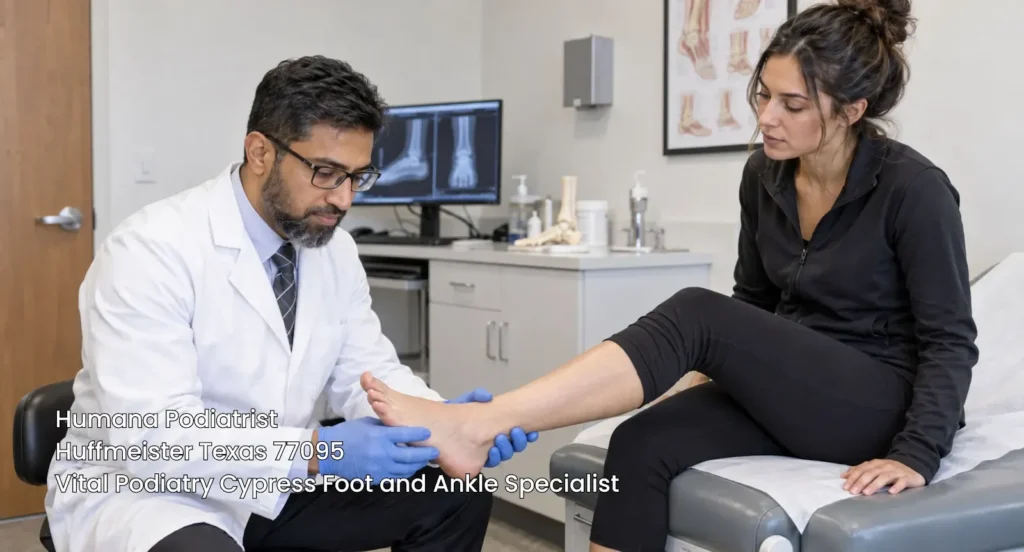
What Happens If You Ignore An Ingrown Toenail?

October 12, 2025

An ingrown toenail may seem like a small issue at first just a little pain or redness around your big toe. But if ignored, it can lead to severe discomfort, infection, and even long-term foot complications. Many people dismiss early signs of an ingrown toenail, hoping it will heal on its own. Unfortunately, leaving it untreated can cause more harm than expected.

At Vital Podiatry Foot and Ankle Specialist, we often see patients who delay treatment until the pain becomes unbearable. Understanding what happens when you ignore an ingrown toenail can help you take the right steps before the condition worsens.

Podiatrist ingrown toenail procedure using electric drill for precision nail care in professional clinical setting.

What Is an Ingrown Toenail?

An ingrown toenail occurs when the corner or edge of your toenail grows into the surrounding skin, usually on the big toe. This condition can be caused by:

  • Improper nail trimming (cutting too short or rounding the edges)
  • Tight shoes that squeeze the toes
  • Injury or trauma to the toe
  • Genetic factors that affect nail shape or growth pattern

In its early stages, an ingrown toenail may cause mild pain and swelling. However, when left untreated, it can quickly progress into a more serious infection or chronic problem.

Early Symptoms You Shouldn’t Ignore

Recognizing the early warning signs can make a big difference. Some common symptoms include:

  • Redness and tenderness around the toenail
  • Swelling and warmth in the affected area
  • Sharp pain when pressure is applied
  • Fluid buildup or minor drainage

These symptoms may seem minor, but they indicate that your nail is growing into your skin — and without treatment, the condition often worsens.

What Happens If You Ignore an Ingrown Toenail?

Ignoring an ingrown toenail may seem harmless at first, but it can lead to a chain reaction of problems. Here’s what can happen over time:

1. The Pain and Inflammation Get Worse

Initially, an ingrown toenail causes mild irritation. But as the nail continues to dig into your skin, the pain can intensify. The affected area may become increasingly swollen, red, and warm. Everyday activities like walking, exercising, or wearing shoes can become difficult.

The constant pressure from footwear can make the skin break down, creating an entry point for bacteria. Once bacteria enter, infection becomes a serious concern.

2. Infection Can Develop

One of the most common consequences of ignoring an ingrown toenail is infection. When the skin is pierced by the nail edge, bacteria can enter and multiply, leading to:

  • Pus or drainage from the site
  • Severe redness and swelling
  • A foul odor coming from the toe
  • Increased pain and throbbing sensation

Infections can spread deeper into the tissue or even reach the bone if not treated properly. Diabetic patients or individuals with poor circulation are especially at risk, as their bodies may struggle to heal naturally.

3. The Skin Around the Nail May Grow Over It

If you continue to ignore an ingrown toenail, the skin around it may start to grow over the nail edge. This makes the condition even harder to treat and increases the risk of chronic infection. Over time, granulation tissue, a soft, red tissue that bleeds easily can form around the nail. This indicates that your body is responding to continuous irritation or infection.

4. Permanent Nail Deformity or Tissue Damage

When left untreated for a long period, an ingrown toenail can cause permanent changes to the nail structure. The nail may become thickened, discolored, or deformed. The surrounding tissue can also scar, affecting how the nail grows in the future.

Severe cases might require a partial or total nail removal to prevent recurrence. This is why early professional care is always better than dealing with a long-term problem.

5. Complications in People With Diabetes or Circulatory Problems

For people with diabetes, peripheral neuropathy, or poor circulation, ignoring an ingrown toenail can be especially dangerous. Even a small infection can lead to:

  • Slow healing wounds
  • Ulcers or open sores
  • Severe infections that spread to bones or tissues
  • Risk of amputation in extreme cases

These complications occur because diabetes affects both sensation and blood flow in the feet, making it harder to notice pain or fight infections effectively.

If you have diabetes or any chronic health condition, always have a foot specialist evaluate any sign of an ingrown toenail promptly.

When to See a Foot Specialist

You should see a podiatrist if:

  • The pain lasts for more than a few days
  • You notice pus, drainage, or spreading redness
  • You have recurring ingrown toenails
  • You have diabetes, neuropathy, or poor circulation

At Vital Podiatry Foot and Ankle Specialist, we evaluate the severity of your condition and offer tailored treatment from conservative care to minor in-office procedures to relieve pain and prevent recurrence.

Treatment Options for an Ingrown Toenail

Depending on how severe the condition is, your podiatrist may recommend one or more of the following treatments:

1. Conservative Home Care (For Mild Cases)

If caught early, simple measures may help:

  • Soaking your foot in warm, soapy water several times a day
  • Applying antibiotic ointment
  • Wearing open-toed or loose-fitting shoes
  • Avoiding aggressive nail trimming

However, home care should only be attempted if there are no signs of infection or severe pain.

2. Professional Debridement or Nail Lifting

A podiatrist may gently lift the ingrown nail and place a small piece of cotton or dental floss under it to help it grow above the skin edge. This reduces pressure and allows proper healing.

3. Partial Nail Removal (Partial Nail Avulsion)

For more advanced or recurrent cases, the podiatrist may remove a small portion of the nail. This minor procedure is performed under local anesthesia and provides lasting relief.

4. Nail Matrix Treatment

If you have chronic ingrown toenails, the nail root (matrix) can be treated with a special solution or laser to prevent that part of the nail from growing back. This reduces the risk of future recurrence.

5. Infection Management

If infection has developed, antibiotics may be prescribed. The podiatrist will also clean the area thoroughly to prevent the infection from spreading.

Possible Long-Term Effects of Ignoring an Ingrown Toenail

If untreated, the condition can lead to long-term issues, such as:

  • Chronic pain and inflammation
  • Repeated infections that require medical intervention
  • Scarring of the nail fold
  • Thickened or misshapen toenails
  • Difficulty walking or wearing shoes comfortably

Ignoring an ingrown toenail doesn’t just cause short-term discomfort it can change the way your foot functions over time.

Podiatrist ingrown toenail treatment performed in clean spa setting with professional care and hygienic nail tools.

How to Prevent Ingrown Toenails

Prevention is always better than treatment. Here are some effective ways to avoid developing ingrown toenails:

  1. Trim nails straight across, not curved or too short.
  2. Avoid tight shoes and socks that crowd your toes.
  3. Keep feet clean and dry to prevent bacterial buildup.
  4. Protect your toes from injuries during sports or heavy work.
  5. Schedule regular check-ups if you have diabetes or recurring nail issues.

Why Professional Care Matters

While home remedies might offer temporary relief, they often don’t solve the root cause. A professional podiatrist ensures that:

  • The nail is trimmed and reshaped properly.
  • Infection is treated early before it spreads.
  • The likelihood of recurrence is minimized.

At Vital Podiatry Foot and Ankle Specialist, we focus on both treatment and prevention. Our goal is to help you maintain healthy feet and avoid painful complications caused by untreated nail conditions.

Why Choose Vital Podiatry Foot and Ankle Specialist for Your Ingrown Toenail Care in Timber Meadow

If you’re dealing with the sharp, nagging pain of an ingrown toenail, you don’t have to suffer through it. 

At Vital Podiatry Foot and Ankle Specialist, located near Timber Meadow, we specialize in safe, effective, and lasting relief for all types of toenail problems. Whether your discomfort is mild or severe, our team offers personalized care designed to get you back on your feet literally without the pain or frustration.

1. Specialized Expertise You Can Trust

Our experienced podiatrist focuses on diagnosing and treating ingrown toenails with precision and care. We don’t just treat the surface problem, we identify the cause, whether it’s improper nail trimming, tight footwear, or repeated trauma, and develop a plan to prevent it from coming back.

2. Comfortable and Gentle Treatments

Many patients hesitate to seek help because they fear the procedure will be painful. At Vital Podiatry Foot and Ankle Specialist, we make comfort our top priority. From gentle nail correction to in-office treatments using local anesthesia, our methods are designed to minimize discomfort while maximizing results.

3. Infection Prevention and Long-Term Relief

Ignoring an ingrown toenail can lead to infections or chronic nail problems. Our podiatry team ensures proper cleaning, care, and protection of the affected area. For recurring cases, we offer advanced treatments that stop the problem at the root, literally preventing the nail edge from growing incorrectly again.

4. Conveniently Located Near Timber Meadow

We understand that convenience matters. Our clinic near Timber Meadow offers flexible appointment scheduling and a calm, patient-focused environment. You won’t have to travel far to receive high-quality foot and nail care.

5. Compassionate Care for Every Patient

Every patient’s feet tell a different story. Whether you’re an athlete, a parent on the go, or someone managing diabetes, our specialists listen, care, and customize treatments to fit your lifestyle. We take time to explain each step, ensuring you feel confident and informed throughout your visit.

Don’t let an ingrown toenail keep you from walking comfortably or enjoying your daily activities. Trust Vital Podiatry Foot and Ankle Specialist, your local podiatrist near Timber Meadow, for professional, compassionate, and effective ingrown toenail treatment.

Vital Podiatry Foot and Ankle Specialist Serving the Timber Meadow Community and Beyond in Houston

Vital Podiatry Foot and Ankle Specialist is dedicated to serving the diverse needs of the local community of Houston, including individuals residing in neighborhoods like Timber Meadow. With its convenient location near landmarks such as the Champions Community Church and major intersections like Timber Meadow Oak Dr and Gatton Park Dr.(coordinates: 29.96889,-95.49677), we offer podiatrist ingrown toenail services.

Get Podiatrist Ingrown Toenail Services At Timber Meadow Now

CALL US NOW!

(281) 937-4546

Navigate from Timber Meadow to Vital Podiatry Foot and Ankle Specialist Now

Conclusion

An ingrown toenail might seem like a minor inconvenience, but as you’ve learned, ignoring it can lead to painful infections, long-term nail deformities, and in some cases, serious health risks especially for those with diabetes or poor circulation. What starts as mild tenderness can quickly progress into a condition that affects your comfort, mobility, and overall foot health.

The good news is that early treatment is simple, effective, and can prevent future complications. By visiting a trusted foot specialist like Vital Podiatry Foot and Ankle Specialist, you can address the problem at its source, relieve pain safely, and restore your nail’s normal growth.

Healthy feet play a major role in your quality of life. They keep you moving, active, and confident. So, if you notice the first signs of an ingrown toenail, don’t wait it out or try risky home fixes. Seek professional care, get the right treatment, and step forward with comfort and confidence.

FAQs

1. What happens if I ignore an ingrown toenail for too long?

Ignoring an ingrown toenail can lead to worsening pain, swelling, and infection. Over time, the skin around the nail can become inflamed or grow over the nail edge, making it harder to treat. In severe cases, untreated ingrown toenails can cause permanent nail deformity or infection that spreads deeper into the foot, especially for people with diabetes or circulation problems.

2. How do I know if my ingrown toenail is infected?

Signs of infection include increased redness, swelling, throbbing pain, pus or fluid drainage, and a foul odor coming from the affected toe. If you notice any of these symptoms, it’s important to see a podiatrist right away. At Vital Podiatry Foot and Ankle Specialist, we can safely clean the area, treat the infection, and prevent the condition from getting worse.

3. When should I see a podiatrist for an ingrown toenail?

You should schedule a visit with a foot specialist if your toenail pain doesn’t improve after a few days, if there’s drainage or signs of infection, or if you have recurring ingrown toenails. People with diabetes or poor circulation should never try to treat ingrown toenails at home early professional care is the safest approach.

4. What treatments are available for an ingrown toenail?

Treatment depends on the severity of your condition. Mild cases may be managed with warm foot soaks, proper nail trimming, and antibiotic ointment. More advanced cases might require a minor in-office procedure, such as partial nail removal or treatment of the nail root to prevent future growth issues. Vital Podiatry Foot and Ankle Specialist provides gentle, effective solutions to relieve pain and restore healthy nail growth.

5. Can an ingrown toenail heal on its own?

Sometimes a mild ingrown toenail may improve with proper care, but in most cases, it tends to worsen if left untreated. Without professional treatment, the nail may continue digging into the skin, leading to infection or chronic pain. Visiting Vital Podiatry Foot and Ankle Specialist ensures the problem is treated safely and correctly preventing recurrence and keeping your feet healthy.

TAKE YOUR FIRST STEP

OR CALL US

(281) 937-4546

Related Post


An ingrown toenail may seem like a small issue at first just a little pain or redness around your big toe. But if ignored, it can lead to severe discomfort, infection, and even long-term foot complications. Many people dismiss early signs of an ingrown toenail, hoping it will heal on its own. Unfortunately, leaving it untreated can cause more harm than expected.

At Vital Podiatry Foot and Ankle Specialist, we often see patients who delay treatment until the pain becomes unbearable. Understanding what happens when you ignore an ingrown toenail can help you take the right steps before the condition worsens.

Podiatrist ingrown toenail procedure using electric drill for precision nail care in professional clinical setting.

What Is an Ingrown Toenail?

An ingrown toenail occurs when the corner or edge of your toenail grows into the surrounding skin, usually on the big toe. This condition can be caused by:

  • Improper nail trimming (cutting too short or rounding the edges)
  • Tight shoes that squeeze the toes
  • Injury or trauma to the toe
  • Genetic factors that affect nail shape or growth pattern

In its early stages, an ingrown toenail may cause mild pain and swelling. However, when left untreated, it can quickly progress into a more serious infection or chronic problem.

Early Symptoms You Shouldn’t Ignore

Recognizing the early warning signs can make a big difference. Some common symptoms include:

  • Redness and tenderness around the toenail
  • Swelling and warmth in the affected area
  • Sharp pain when pressure is applied
  • Fluid buildup or minor drainage

These symptoms may seem minor, but they indicate that your nail is growing into your skin — and without treatment, the condition often worsens.

What Happens If You Ignore an Ingrown Toenail?

Ignoring an ingrown toenail may seem harmless at first, but it can lead to a chain reaction of problems. Here’s what can happen over time:

1. The Pain and Inflammation Get Worse

Initially, an ingrown toenail causes mild irritation. But as the nail continues to dig into your skin, the pain can intensify. The affected area may become increasingly swollen, red, and warm. Everyday activities like walking, exercising, or wearing shoes can become difficult.

The constant pressure from footwear can make the skin break down, creating an entry point for bacteria. Once bacteria enter, infection becomes a serious concern.

2. Infection Can Develop

One of the most common consequences of ignoring an ingrown toenail is infection. When the skin is pierced by the nail edge, bacteria can enter and multiply, leading to:

  • Pus or drainage from the site
  • Severe redness and swelling
  • A foul odor coming from the toe
  • Increased pain and throbbing sensation

Infections can spread deeper into the tissue or even reach the bone if not treated properly. Diabetic patients or individuals with poor circulation are especially at risk, as their bodies may struggle to heal naturally.

3. The Skin Around the Nail May Grow Over It

If you continue to ignore an ingrown toenail, the skin around it may start to grow over the nail edge. This makes the condition even harder to treat and increases the risk of chronic infection. Over time, granulation tissue, a soft, red tissue that bleeds easily can form around the nail. This indicates that your body is responding to continuous irritation or infection.

4. Permanent Nail Deformity or Tissue Damage

When left untreated for a long period, an ingrown toenail can cause permanent changes to the nail structure. The nail may become thickened, discolored, or deformed. The surrounding tissue can also scar, affecting how the nail grows in the future.

Severe cases might require a partial or total nail removal to prevent recurrence. This is why early professional care is always better than dealing with a long-term problem.

5. Complications in People With Diabetes or Circulatory Problems

For people with diabetes, peripheral neuropathy, or poor circulation, ignoring an ingrown toenail can be especially dangerous. Even a small infection can lead to:

  • Slow healing wounds
  • Ulcers or open sores
  • Severe infections that spread to bones or tissues
  • Risk of amputation in extreme cases

These complications occur because diabetes affects both sensation and blood flow in the feet, making it harder to notice pain or fight infections effectively.

If you have diabetes or any chronic health condition, always have a foot specialist evaluate any sign of an ingrown toenail promptly.

When to See a Foot Specialist

You should see a podiatrist if:

  • The pain lasts for more than a few days
  • You notice pus, drainage, or spreading redness
  • You have recurring ingrown toenails
  • You have diabetes, neuropathy, or poor circulation

At Vital Podiatry Foot and Ankle Specialist, we evaluate the severity of your condition and offer tailored treatment from conservative care to minor in-office procedures to relieve pain and prevent recurrence.

Treatment Options for an Ingrown Toenail

Depending on how severe the condition is, your podiatrist may recommend one or more of the following treatments:

1. Conservative Home Care (For Mild Cases)

If caught early, simple measures may help:

  • Soaking your foot in warm, soapy water several times a day
  • Applying antibiotic ointment
  • Wearing open-toed or loose-fitting shoes
  • Avoiding aggressive nail trimming

However, home care should only be attempted if there are no signs of infection or severe pain.

2. Professional Debridement or Nail Lifting

A podiatrist may gently lift the ingrown nail and place a small piece of cotton or dental floss under it to help it grow above the skin edge. This reduces pressure and allows proper healing.

3. Partial Nail Removal (Partial Nail Avulsion)

For more advanced or recurrent cases, the podiatrist may remove a small portion of the nail. This minor procedure is performed under local anesthesia and provides lasting relief.

4. Nail Matrix Treatment

If you have chronic ingrown toenails, the nail root (matrix) can be treated with a special solution or laser to prevent that part of the nail from growing back. This reduces the risk of future recurrence.

5. Infection Management

If infection has developed, antibiotics may be prescribed. The podiatrist will also clean the area thoroughly to prevent the infection from spreading.

Possible Long-Term Effects of Ignoring an Ingrown Toenail

If untreated, the condition can lead to long-term issues, such as:

  • Chronic pain and inflammation
  • Repeated infections that require medical intervention
  • Scarring of the nail fold
  • Thickened or misshapen toenails
  • Difficulty walking or wearing shoes comfortably

Ignoring an ingrown toenail doesn’t just cause short-term discomfort it can change the way your foot functions over time.

Podiatrist ingrown toenail treatment performed in clean spa setting with professional care and hygienic nail tools.

How to Prevent Ingrown Toenails

Prevention is always better than treatment. Here are some effective ways to avoid developing ingrown toenails:

  1. Trim nails straight across, not curved or too short.
  2. Avoid tight shoes and socks that crowd your toes.
  3. Keep feet clean and dry to prevent bacterial buildup.
  4. Protect your toes from injuries during sports or heavy work.
  5. Schedule regular check-ups if you have diabetes or recurring nail issues.

Why Professional Care Matters

While home remedies might offer temporary relief, they often don’t solve the root cause. A professional podiatrist ensures that:

  • The nail is trimmed and reshaped properly.
  • Infection is treated early before it spreads.
  • The likelihood of recurrence is minimized.

At Vital Podiatry Foot and Ankle Specialist, we focus on both treatment and prevention. Our goal is to help you maintain healthy feet and avoid painful complications caused by untreated nail conditions.

Why Choose Vital Podiatry Foot and Ankle Specialist for Your Ingrown Toenail Care in Timber Meadow

If you’re dealing with the sharp, nagging pain of an ingrown toenail, you don’t have to suffer through it. 

At Vital Podiatry Foot and Ankle Specialist, located near Timber Meadow, we specialize in safe, effective, and lasting relief for all types of toenail problems. Whether your discomfort is mild or severe, our team offers personalized care designed to get you back on your feet literally without the pain or frustration.

1. Specialized Expertise You Can Trust

Our experienced podiatrist focuses on diagnosing and treating ingrown toenails with precision and care. We don’t just treat the surface problem, we identify the cause, whether it’s improper nail trimming, tight footwear, or repeated trauma, and develop a plan to prevent it from coming back.

2. Comfortable and Gentle Treatments

Many patients hesitate to seek help because they fear the procedure will be painful. At Vital Podiatry Foot and Ankle Specialist, we make comfort our top priority. From gentle nail correction to in-office treatments using local anesthesia, our methods are designed to minimize discomfort while maximizing results.

3. Infection Prevention and Long-Term Relief

Ignoring an ingrown toenail can lead to infections or chronic nail problems. Our podiatry team ensures proper cleaning, care, and protection of the affected area. For recurring cases, we offer advanced treatments that stop the problem at the root, literally preventing the nail edge from growing incorrectly again.

4. Conveniently Located Near Timber Meadow

We understand that convenience matters. Our clinic near Timber Meadow offers flexible appointment scheduling and a calm, patient-focused environment. You won’t have to travel far to receive high-quality foot and nail care.

5. Compassionate Care for Every Patient

Every patient’s feet tell a different story. Whether you’re an athlete, a parent on the go, or someone managing diabetes, our specialists listen, care, and customize treatments to fit your lifestyle. We take time to explain each step, ensuring you feel confident and informed throughout your visit.

Don’t let an ingrown toenail keep you from walking comfortably or enjoying your daily activities. Trust Vital Podiatry Foot and Ankle Specialist, your local podiatrist near Timber Meadow, for professional, compassionate, and effective ingrown toenail treatment.

Vital Podiatry Foot and Ankle Specialist Serving the Timber Meadow Community and Beyond in Houston

Vital Podiatry Foot and Ankle Specialist is dedicated to serving the diverse needs of the local community of Houston, including individuals residing in neighborhoods like Timber Meadow. With its convenient location near landmarks such as the Champions Community Church and major intersections like Timber Meadow Oak Dr and Gatton Park Dr.(coordinates: 29.96889,-95.49677), we offer podiatrist ingrown toenail services.

Get Podiatrist Ingrown Toenail Services At Timber Meadow Now

CALL US NOW!

(281) 937-4546

Navigate from Timber Meadow to Vital Podiatry Foot and Ankle Specialist Now

Conclusion

An ingrown toenail might seem like a minor inconvenience, but as you’ve learned, ignoring it can lead to painful infections, long-term nail deformities, and in some cases, serious health risks especially for those with diabetes or poor circulation. What starts as mild tenderness can quickly progress into a condition that affects your comfort, mobility, and overall foot health.

The good news is that early treatment is simple, effective, and can prevent future complications. By visiting a trusted foot specialist like Vital Podiatry Foot and Ankle Specialist, you can address the problem at its source, relieve pain safely, and restore your nail’s normal growth.

Healthy feet play a major role in your quality of life. They keep you moving, active, and confident. So, if you notice the first signs of an ingrown toenail, don’t wait it out or try risky home fixes. Seek professional care, get the right treatment, and step forward with comfort and confidence.

FAQs

1. What happens if I ignore an ingrown toenail for too long?

Ignoring an ingrown toenail can lead to worsening pain, swelling, and infection. Over time, the skin around the nail can become inflamed or grow over the nail edge, making it harder to treat. In severe cases, untreated ingrown toenails can cause permanent nail deformity or infection that spreads deeper into the foot, especially for people with diabetes or circulation problems.

2. How do I know if my ingrown toenail is infected?

Signs of infection include increased redness, swelling, throbbing pain, pus or fluid drainage, and a foul odor coming from the affected toe. If you notice any of these symptoms, it’s important to see a podiatrist right away. At Vital Podiatry Foot and Ankle Specialist, we can safely clean the area, treat the infection, and prevent the condition from getting worse.

3. When should I see a podiatrist for an ingrown toenail?

You should schedule a visit with a foot specialist if your toenail pain doesn’t improve after a few days, if there’s drainage or signs of infection, or if you have recurring ingrown toenails. People with diabetes or poor circulation should never try to treat ingrown toenails at home early professional care is the safest approach.

4. What treatments are available for an ingrown toenail?

Treatment depends on the severity of your condition. Mild cases may be managed with warm foot soaks, proper nail trimming, and antibiotic ointment. More advanced cases might require a minor in-office procedure, such as partial nail removal or treatment of the nail root to prevent future growth issues. Vital Podiatry Foot and Ankle Specialist provides gentle, effective solutions to relieve pain and restore healthy nail growth.

5. Can an ingrown toenail heal on its own?

Sometimes a mild ingrown toenail may improve with proper care, but in most cases, it tends to worsen if left untreated. Without professional treatment, the nail may continue digging into the skin, leading to infection or chronic pain. Visiting Vital Podiatry Foot and Ankle Specialist ensures the problem is treated safely and correctly preventing recurrence and keeping your feet healthy.