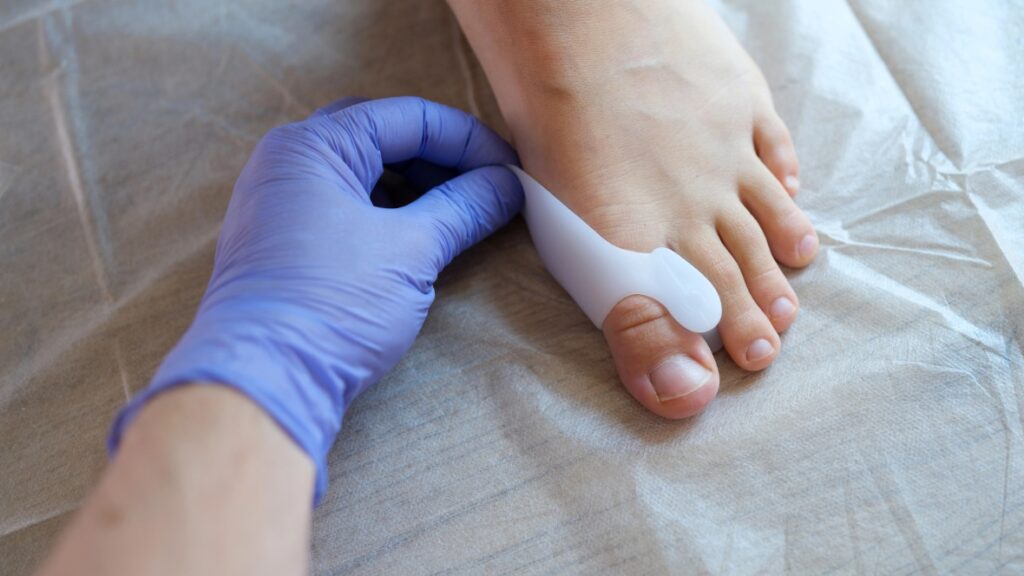
Feet work hard every day. They support your weight, keep you balanced, and move you forward. When they start hurting or something looks off, you might find yourself wondering, Who do I even see about this? What’s a feet specialist called?
The official name is podiatrist, but you’ll discover more roles in the world of foot and ankle care. This guide breaks everything down in simple language, especially for people near Crossroads Park looking for expert treatment right where they live.
Let’s get to the bottom of it, literally.
What Do You Call a Feet Specialist?
The most common and accurate term: podiatrist.
Other titles you might hear:
- Foot doctor
- Podiatric physician
- Foot and ankle specialist
- Podiatric surgeon
- Orthopedic foot and ankle surgeon (a different type of doctor that treats foot and ankle bones and joints)
If your feet hurt, if your toes look strange, or if walking makes you wince, a podiatrist is your go-to specialist.
What Does a Podiatrist Actually Do?
A podiatrist specializes in diagnosing, treating, and preventing medical problems that affect your:
- Feet
- Ankles
- Lower legs
Every part of the foot contains complex structures, 26 bones, 33 joints, 100+ muscles, tendons, and ligaments, all coordinating to help you move smoothly. When something goes wrong in any of those areas, your entire body can feel the impact. Back pain, knee pain, and hip pain often begin with foot mechanics.
Podiatrists focus on:
- Bone structure for proper alignment
- Joints that provide smooth motion
- Muscles and tendons that support balance and strength
- Nerves affecting sensation and coordination
- Skin and nails that protect the feet
- Blood circulation which keeps tissues healthy
They look at how you walk, how your shoes fit, and how foot posture affects your daily life. They support athletes, children with foot development concerns, workers who stand all day, and adults with arthritis or diabetes.
In short, they help your foundation stay strong.
How Podiatrists Help Keep You Moving
Here’s what a skilled podiatrist can do:
- Diagnose pain problems by identifying exactly which tissue is irritated, not guessing
- Fix broken or injured toes and ankles using immobilization, realignment, and therapy
- Perform surgeries ranging from simple toenail procedures to complex bone corrections
- Prescribe custom orthotics that reduce pain and improve posture
- Treat infections to prevent them from spreading deeply
- Prevent serious medical complications especially for patients with diabetes or poor circulation
Feet aren’t supposed to hurt. If they do, a podiatrist figures out why, and fixes it before life gets harder.
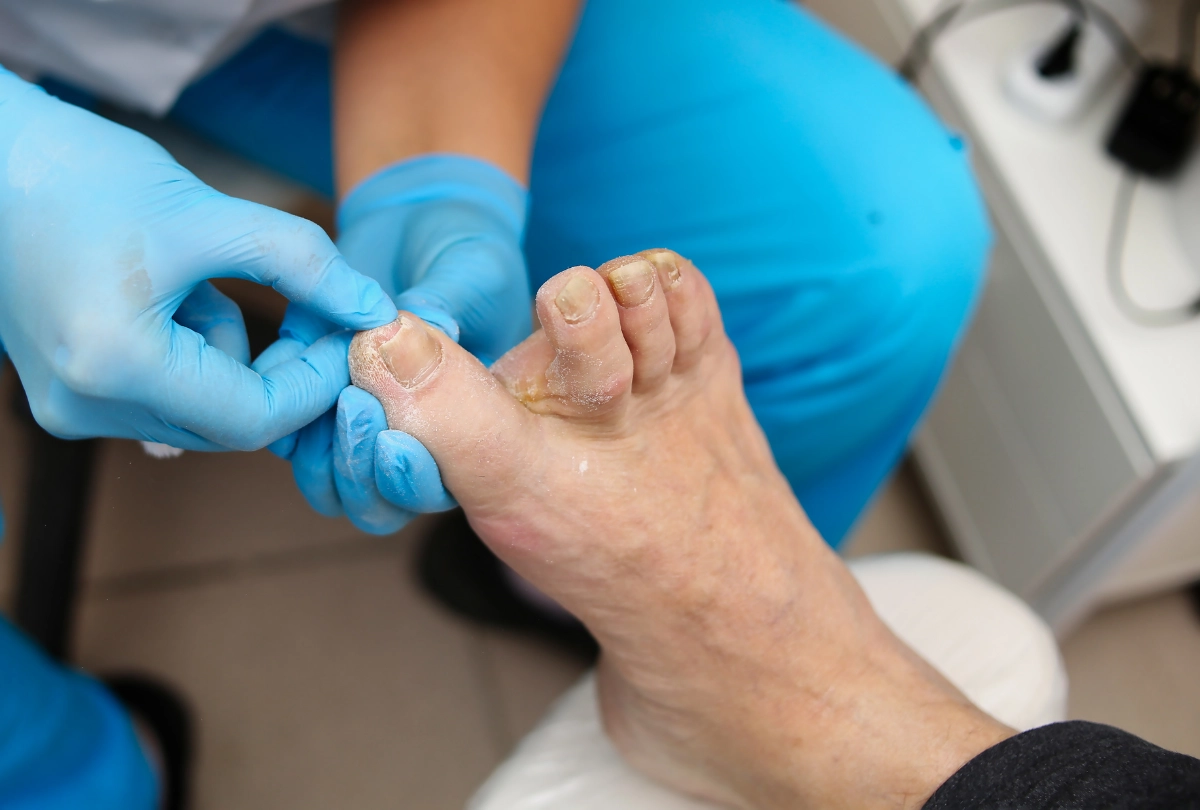
Common Conditions Podiatrists Treat
Your feet carry you everywhere. Overuse, genetics, injury, and footwear choices all create problems over time. Here are the issues podiatrists see every day:
Heel Pain / Plantar Fasciitis
Morning pain when stepping out of bed usually signals plantar fasciitis. It happens when the thick band of tissue under the foot becomes irritated.
A podiatrist offers:
- Stretching programs
- Night splints
- Shockwave therapy
- Supportive inserts or orthotics
Healing takes time, guidance shortens the process.
Bunions
A bunion pushes the big toe inward, creating a painful bump. It can come from genetics, shoes, or flat feet.
Treatment ranges from:
- Padding and shoe modifications
- Orthotics to slow progression
- Surgery for severe deformities
Ignoring bunions lets them worsen and become more painful.
Hammertoes
A toe curls upward and becomes stiff or painful. Shoes become a battle.
Podiatrists relieve symptoms using:
- Stretching and splinting
- Custom inserts
- Surgery if the toe becomes rigid
Ingrown Toenails
When the nail cuts into the skin, pain and infection usually follow.
Office treatment can:
- Remove only the offending nail edge
- Prevent regrowth permanently if the issue repeats
Quick, simple, and life-changing relief.
Toe and Foot Fractures
Broken bones in the foot often look like a “bad bruise” at first.
A podiatrist:
- Confirms the diagnosis with imaging
- Aligns the bone
- Protects it during healing
- Prevents deformity that could affect walking later
Flat Feet or High Arches
Both extremes affect balance and posture.
Signs include:
- Foot fatigue
- Knee or back pain
- Shoes wearing unevenly
Treatment may involve custom orthotics and strengthening exercises.
Arthritis in the Feet
Arthritis restricts movement and can alter foot shape. Even small joints cause big problems.
Podiatrists offer:
- Joint-friendly footwear solutions
- Bracing
- Injections
- Surgery when needed
The right plan keeps you active longer.
Sports Injuries
Ankle sprains, stress fractures, and tendon strains require targeted care.
Without proper recovery, athletes risk:
- Chronic instability
- Repeated injuries
- Long-term pain
A podiatrist supports full return to activity, not just quick fixes.
Warts
Plantar warts come from a virus that enters through tiny breaks in the skin.
Treatment options include:
- Cryotherapy
- Laser treatment
- Topical medication
They can be painful, especially under pressure points.
Toenail Fungus
Thick, yellow nails are not just cosmetic, fungus spreads and worsens with time.
Treatment may include:
- Oral or topical medications
- Laser therapy
- Nail debridement
Staying ahead of infection keeps nails healthy.
Tendon Problems / Achilles Tendinitis
Achilles pain often hits athletes or anyone with tight calves.
Ignoring it risks a full tendon tear which requires surgery.
Podiatrists relieve strain through:
- Proper stretching
- Strengthening programs
- Heel lifts
- Activity modification
✅ If you limp, avoid putting weight on a foot, or change how you walk to escape pain, that’s your body requesting professional help.
Early care prevents major complications.
Treatments and Procedures You Can Expect
Podiatrists aim to fix the cause, not chase symptoms.
Their treatment toolbox includes:
Pain-Relief Injections
Helpful for:
- Plantar fasciitis
- Neuromas
- Severe inflammation
They reduce pain enough to continue healing therapies without struggle.
Shockwave Therapy
A non-invasive treatment that stimulates healing in chronic tendon or heel pain cases. It’s especially helpful when traditional methods stall.
Nail & Skin Procedures
Quick office-based solutions for:
- Ingrown nails
- Warts
- Corns and calluses
Smoothing painful spots improves every step.
Custom Orthotics
Designed to:
- Support arches
- Redistribute pressure
- Correct alignment issues
These inserts improve stability and prevent repeated injuries, useful for athletes and those on-the-go.
Wound Care
Critical for:
- Diabetic patients
- People with poor circulation
A podiatrist helps prevent:
- Infection
- Ulcers
- Amputations
Routine monitoring saves lives.
Foot & Ankle Surgery
Used only when necessary and after conservative options are explored. Modern surgical techniques minimize downtime and restore function effectively.
Procedures may address:
- Bunions
- Hammertoes
- Traumatic fractures
- Chronic deformities
Movement & Gait Correction
Pain changes how you walk and compensation creates new pain. Podiatrists analyze movement to correct the pattern before it becomes a habit.

Other Specialists You May See for Foot Problems
While podiatrists handle most issues, a team approach sometimes works best.
Orthopedic Foot and Ankle Surgeon
If you have:
- Severe fractures
- Complex deformities
- Joint damage that needs reconstruction
You might be referred to this type of orthopedic doctor.
Physical Therapist
They help when:
- Balance is off
- Strength needs improvement
- Your gait (walking pattern) causes pain
They restore function once the medical issue is under control.
Dermatologist for Foot Skin Issues
They step in when foot problems involve the skin more than the structure, like:
- Persistent fungal infections
- Psoriasis
- Thick calluses that keep returning
How Podiatrists Train and Become Specialists
You can trust their expertise and here’s proof:
- Bachelor’s degree
- 4 years at a Podiatric Medical School → earns a DPM degree
- 3-year surgical and medical residency
- Additional specialty fellowships possible
- Board certification to demonstrate advanced skill
That’s 10+ years of specialized education focused on the lower legs, feet, and ankles.
What Happens at Your First Podiatry Visit?
You’ll finally get answers, here’s what to expect:
Step 1: Medical History & Symptoms
They ask:
- How long has the pain been going on?
- Did it start suddenly?
- What shoes do you wear?
- Does morning walking feel worse?
Every detail helps identify the problem.
Step 2: Physical Foot Exam
This includes:
- Checking circulation
- Touching painful areas
- Looking for swelling or deformities
- Watching you walk
Your feet tell a story once the right person looks.
Step 3: Imaging & Testing
May include:
- X-rays for bone injuries
- Ultrasound for tendon issues
- MRI for complicated cases
Nothing is left to guesswork.
Step 4: Treatment Plan
You receive a personalized plan, like:
- Stretching exercises
- Supportive footwear
- Orthotics
- Medications
- Surgery (only if needed)
The best care aims to get you back on your feet fast.
How to Pick the Right Foot Specialist Near Crossroads Park
Living near Crossroads Park gives you access to excellent podiatric care. Before choosing a clinic, consider:
Smart Questions to Ask
- Do you have experience with my specific problem?
- How soon can I be seen?
- Will treatment require surgery?
- What costs should I expect?
Warning Signs of a Poor Fit
- They avoid questions
- They don’t physically examine your feet
- They push procedures you don’t need
A trustworthy podiatrist listens, explains clearly, and focuses on your mobility and comfort.
Daily Foot Care Advice Backed by Specialists
Healthy habits prevent future pain.
Pick the Right Shoes
Choose footwear that:
- Fits the width of your feet
- Doesn’t squeeze your toes
- Has arch support and cushion
Toss shoes when the soles are worn, your feet notice before you do!
Foot Hygiene & Skin Care
- Wash and dry feet thoroughly
- Moisturize heels (avoid lotion between toes)
- Trim nails straight across
- Treat fungal infections early
Small habits keep problems small.
Signs Foot Pain Needs Urgent Attention
Call a foot doctor immediately if you notice:
- Sudden swelling after injury
- Severe pain that stops you from walking
- Signs of infection: redness, heat, pus
- Numbness in toes or feet
- Open wounds that don’t heal
Ignoring symptoms can lead to permanent damage.
Special Attention for Diabetes
Seek care fast if you have:
- Foot sores
- Cuts that don’t heal quickly
- Tingling or burning sensations
Diabetic nerve problems make injuries harder to feel, dangerous wounds can go unnoticed.
Real-Life Example of Foot Pain Success
Take “David,” a Crossroads Park resident who loved weekend basketball. One day, heel pain turned each step into misery. He tried stretching at home, but nothing changed.
A podiatrist identified:
- Tight calf muscles
- Plantar fasciitis caused by unsupportive sneakers
After guided treatment, including custom orthotics, simple strengthening moves, and updated athletic shoes, he returned to the game pain-free.
That’s the kind of change expert care delivers.
Costs, Insurance, and Affordability
Most podiatry services are considered medical necessity, not cosmetic.
Insurance often covers:
- Diabetic foot exams
- Fracture care
- Ingrown toenail treatment
- Pain-causing deformities
- Necessary foot surgeries
Before treatment begins, ask for a cost estimate to stay within budget.
Vital Podiatry Cypress Foot and Ankle Specialist
For people searching for a trusted foot specialist near Crossroads Park, Vital Podiatry Cypress Foot and Ankle Specialist provides complete care, heel pain, sports injuries, bunions, nail problems, and more.
Patients appreciate:
- Clear explanations
- Modern treatment options
- Personalized care for active lifestyles
- Convenient location close to home and community areas
They focus on long-lasting relief, not temporary fixes.
Vital Podiatry Cypress Foot and Ankle Specialist Serving the Crossroads Park Community and Beyond in Cypress
Vital Podiatry Cypress Foot and Ankle Specialist is dedicated to serving the diverse needs of the local community of Cypress, including individuals residing in neighborhoods like Crossroads Park. With its convenient location near landmarks such as the Charles W. Austin Park and major intersections like Wagg Way Rd. & US-290 Frontage Rd. (coordinates: 29.90788225443051, -95.61360091821938), we offer heel pain treatment Cypress services.
Get Heel Pain Treatment at Crossroads Park Now
CALL US NOW!
(281) 937-4546
Navigate from Crossroads Park to Vital Podiatry Cypress Foot and Ankle Specialist Now
Why Prioritizing Foot Health Protects Your Future Mobility
Feet deserve care before pain takes over. Now you know:
✅ A feet specialist is called a podiatrist
✅ They diagnose, treat, and prevent foot and ankle problems
✅ Early visits prevent bigger problems later
✅ Great care is available right near Crossroads Park
If taking a step hurts, that’s your cue. A podiatrist keeps you moving comfortably for years to come.
Take action today, and your future self will walk happier.
FAQs
Q1: Can a podiatrist perform surgery?
Yes. We train extensively in surgical procedures ranging from toe corrections to complex foot reconstructions.
Q2: Should I go to a podiatrist for heel pain?
Absolutely. Chronic heel pain usually signals plantar fasciitis or Achilles issues, both are common podiatry specialties.
Q3: Do I need a referral to see a podiatrist?
Often you can schedule directly, but it depends on your insurance plan. Calling the clinic helps clarify.
Q4: How soon should I see a foot doctor after an injury?
If you can’t put weight on your foot or notice swelling and bruising, schedule care right away.
Q5: Can foot problems affect my knees or back?
Yes. Poor foot alignment can cause a chain reaction of pain up the body. Custom orthotics often help.