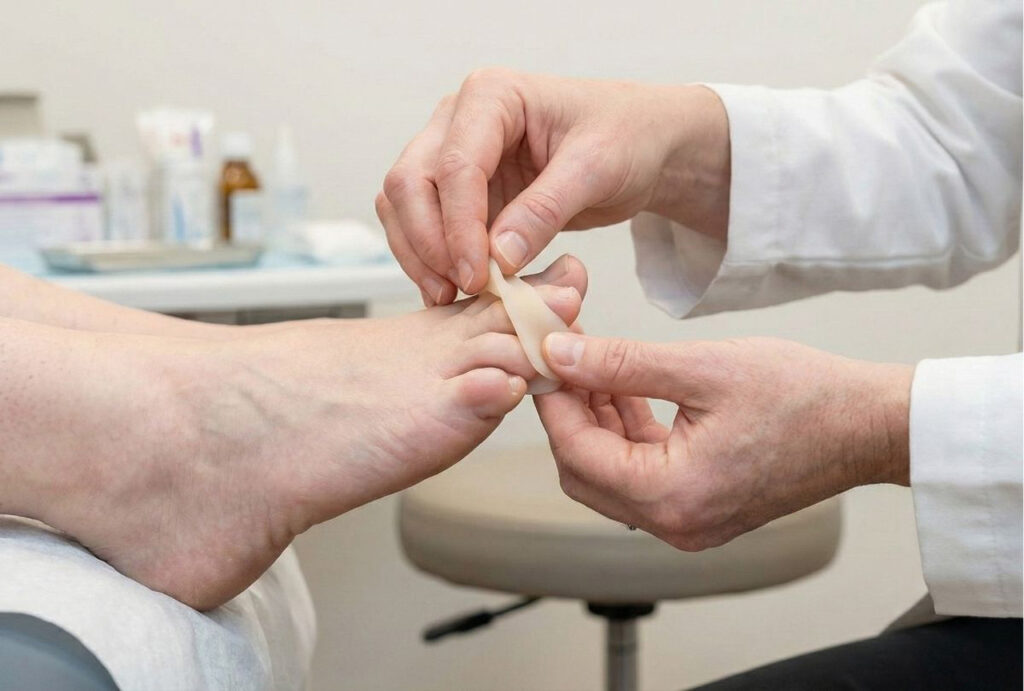
What Type of Doctor is a DPM?

August 27, 2025

You’ve heard the term “DPM” and you’re probably wondering, what exactly is this doctor? You’re not alone, many people confuse DPMs with general doctors or orthopedic surgeons. 

A DPM, or Doctor of Podiatric Medicine, is a medical professional who specializes in diagnosing, treating, and preventing conditions of the foot, ankle, and lower leg. From bunions and plantar fasciitis to complex ankle injuries, a DPM is the foot-and-ankle expert you need.

If you’re in Cornerstone Village North and want specialized care, Vital Podiatry Foot and Ankle Specialist is your trusted local partner for personalized, professional treatments. Whether it’s a simple heel ache or a complicated surgical repair, their team knows how to get you back on your feet safely and quickly.

Understanding the DPM: An Introduction

Let’s start with the basics. A DPM is often confused with other medical specialists, but their focus is precise: your feet and ankles. Imagine your feet as the foundation of a house. If the foundation cracks or weakens, the entire structure suffers. That’s why proper care from a DPM is crucial.

Even minor foot problems can lead to chronic pain, postural issues, and mobility limitations. A DPM evaluates your gait, examines your bones and joints, and treats underlying causes—not just surface symptoms.

Breaking Down the Acronym: DPM Explained

DPM stands for Doctor of Podiatric Medicine. Unlike MDs (Medical Doctors) or DOs (Doctors of Osteopathy), DPMs specialize exclusively in the lower extremities. Their training combines medicine, surgery, biomechanics, and patient care to keep you walking comfortably.

Think of a DPM as a mechanic who doesn’t just fix squeaky wheels—they fine-tune the entire suspension system, making sure your feet, ankles, and legs function optimally.

A DPM treating a foot injury in Cornerstone Village North.

Education and Training Required to Become a DPM

Becoming a DPM is no easy feat. It requires years of rigorous education, hands-on clinical experience, and advanced surgical training. Here’s the step-by-step breakdown:

Undergraduate Education: The First Step

Before podiatric medical school, aspiring DPMs complete a bachelor’s degree in biology, chemistry, or a pre-med track. This foundation is essential, as it covers anatomy, physiology, and basic medical sciences. The undergraduate phase usually takes four years.

During this time, students often volunteer or work in healthcare settings to gain exposure to patient care. This early experience helps them understand how to communicate with patients and manage real-world medical challenges.

Podiatric Medical School: What to Expect

After undergrad, students enter a podiatric medical school—another four years of intensive study. Coursework covers anatomy, pharmacology, pathology, biomechanics, surgical techniques, and foot-specific medical procedures.

Students learn everything from treating toenail infections to performing complex reconstructive surgeries. By the time they graduate, they’re equipped with the knowledge to handle a wide range of foot and ankle issues.

Residency and Hands-On Experience

Next comes residency, typically lasting three years. Here, DPMs treat real patients under supervision, perform surgeries, and manage chronic conditions. Residencies often rotate through hospitals, outpatient clinics, and specialized podiatric centers, providing comprehensive exposure to diverse cases.

During this time, residents also develop expertise in imaging techniques, surgical planning, and patient education. This combination of training ensures that DPMs are both skilled surgeons and compassionate caregivers.

What Does a DPM Do?

What can a DPM actually do for you? Their role is comprehensive, covering diagnosis, treatment, and prevention. They address everything from minor issues like ingrown toenails to severe conditions requiring surgery.

DPMs also provide guidance on preventive care, footwear choices, and lifestyle adjustments. The goal is to restore function, reduce pain, and prevent future problems.

Common Foot and Ankle Conditions Treated

DPMs treat a broad spectrum of conditions, including:

  • Bunions: Misaligned joints causing pain and swelling, often requiring surgery if severe.
  • Plantar Fasciitis: Heel pain caused by inflammation of the plantar fascia ligament.
  • Hammertoes: Deformities of the toe joints, often resulting from tight shoes or genetics.
  • Achilles Tendon Injuries: From inflammation to tears, these injuries can limit mobility.
  • Ankle Sprains: Ligament injuries requiring stabilization, therapy, or sometimes surgery.
  • Diabetic Foot Complications: DPMs monitor and treat ulcers, neuropathy, and infection risks.
  • Sports-Related Injuries: Stress fractures, tendonitis, and repetitive strain injuries.

For example, a patient in Cornerstone Village North came in complaining of severe heel pain that made walking painful. After a careful assessment, a DPM diagnosed plantar fasciitis and designed a custom orthotic and stretching program. Within weeks, the patient was walking comfortably again.

Surgical vs. Non-Surgical Treatments

DPMs employ both conservative and surgical approaches depending on the condition.

  • Non-surgical: Custom orthotics, physical therapy, medication, and lifestyle adjustments.
  • Surgical: Corrective procedures for bunions, hammertoes, fractures, tendon repairs, and joint reconstruction.

Choosing the right treatment involves evaluating the patient’s overall health, activity level, and long-term goals. A good DPM balances effectiveness with minimally invasive approaches whenever possible.

Fractures and Injuries

Foot and ankle fractures require precise care. DPMs stabilize broken bones, repair ligaments, and create rehabilitation plans. For example, a runner who suffered an ankle fracture might need a combination of casting, physiotherapy, and gradual return-to-sport training.

Chronic Conditions like Bunions and Plantar Fasciitis

Chronic pain doesn’t have to be permanent. DPMs treat these conditions using a mix of orthotics, splints, physical therapy, and surgical correction if needed. Patients often report improved mobility and decreased pain after following a tailored treatment plan.

A DPM injecting a patient for foot pain relief in Cornerstone Village North.

How a DPM Differs From Other Medical Specialists

You might ask, “Why not just see a general doctor or orthopedic surgeon?” The answer is specialization. While general practitioners and orthopedic surgeons can treat foot problems, DPMs focus exclusively on the lower extremities.

DPM vs. Orthopedic Surgeon

Orthopedic surgeons treat bones and joints across the entire body. DPMs, however, specialize in the feet and ankles, giving them an advantage in biomechanical understanding and surgical precision for this area.

DPM vs. General Practitioner

General practitioners handle minor foot issues but may lack the in-depth knowledge of complex foot and ankle conditions. A DPM provides targeted care, ensuring chronic problems don’t escalate into long-term disability.

Why Visit a DPM at Vital Podiatry Foot and Ankle Specialist

If you’re in Cornerstone Village North, visiting Vital Podiatry Foot and Ankle Specialist guarantees expert care. Their team combines advanced diagnostics, personalized treatment plans, and compassionate care to restore mobility and reduce pain.

Personalized Care for Cornerstone Village North Residents

Every patient’s feet are unique, which is why Vital Podiatry offers individualized assessments and treatment strategies. They evaluate gait patterns, foot structure, and lifestyle needs to design solutions that truly work.

Advanced Treatment Options Available

From laser therapy and shockwave treatment to minimally invasive surgeries and custom orthotics, Vital Podiatry provides cutting-edge care. They also educate patients on injury prevention and long-term foot health.

Common Misconceptions About DPMs

There are plenty of myths about DPMs. Let’s set the record straight.

DPMs Only Treat Toenail Problems?

Not true. While DPMs handle nail issues, they treat everything from heel pain and fractures to complex reconstructive surgeries. They are foot and ankle specialists, not just “nail doctors.”

Are DPMs Less Qualified Than MDs?

Absolutely not. DPMs undergo extensive education, residency, and licensing. Their specialization makes them uniquely qualified for foot and ankle care—arguably more so than general MDs for these specific conditions.

When Should You See a DPM?

Minor foot pain can escalate into major problems if left untreated. Here’s when to schedule an appointment:

Signs and Symptoms to Watch Out For

  • Persistent pain or swelling
  • Numbness or tingling in the feet
  • Frequent injuries or sprains
  • Difficulty walking or wearing shoes comfortably

If you notice these, a DPM can diagnose the issue and provide a treatment plan to prevent further complications.

Preventive Foot and Ankle Care Tips

Don’t wait for pain to strike! Follow these preventive tips:

  • Wear supportive, properly fitted shoes
  • Maintain a healthy weight
  • Stretch and strengthen foot and ankle muscles regularly
  • Inspect your feet for changes, especially if you have diabetes or circulatory issues
  • Use custom orthotics if recommended by a DPM

These habits can keep your feet healthy and reduce the risk of injury.

Vital Podiatry Foot and Ankle Specialist Serving the Cornerstone Village North Community and Beyond in Houston

Vital Podiatry Foot and Ankle Specialist is dedicated to serving the diverse needs of the local community of Houston, including individuals residing in neighborhoods like Cornerstone Village North. With its convenient location near landmarks such as the Kingdom Hall of Jehovah’s Witnesses and major intersections like Loverswood Dr and Walters Rd (coordinates: 29.99036,-95.48315), we offer DPM services.

Get DPM Services at Cornerstone Village North Now

CALL US NOW!

(281) 937-4546

Navigate From Cornerstone Village North to Vital Podiatry Foot and Ankle Specialist Now

Conclusion

A DPM is far more than a “foot doctor.” They are highly trained specialists dedicated to keeping your feet and ankles healthy and functional. If you live in Cornerstone Village North and are experiencing foot or ankle issues, Vital Podiatry Foot and Ankle Specialist is your trusted partner for personalized, professional care.

Don’t let foot pain slow you down, expert care is closer than you think. Schedule an appointment today, and take the first step toward pain-free walking.

FAQs

  1. What conditions does a DPM treat?
    DPMs treat bunions, plantar fasciitis, fractures, ankle sprains, nail disorders, and diabetic foot complications.
  2. How long does it take to become a DPM?
    Typically, 4 years undergraduate + 4 years podiatric medical school + 3-year residency = 11 years of training.
  3. Can DPMs perform surgery?
    Yes, DPMs are trained to perform foot and ankle surgeries, including reconstructive procedures.
  4. Do I need a referral to see a DPM?
    Usually not; most patients can schedule directly with a podiatrist.
  5. How is a DPM different from an orthopedic surgeon?
    Orthopedic surgeons treat all bones and joints, whereas DPMs specialize exclusively in foot and ankle care.

TAKE YOUR FIRST STEP

OR CALL US

(281) 937-4546

Related Post


You’ve heard the term “DPM” and you’re probably wondering, what exactly is this doctor? You’re not alone, many people confuse DPMs with general doctors or orthopedic surgeons. 

A DPM, or Doctor of Podiatric Medicine, is a medical professional who specializes in diagnosing, treating, and preventing conditions of the foot, ankle, and lower leg. From bunions and plantar fasciitis to complex ankle injuries, a DPM is the foot-and-ankle expert you need.

If you’re in Cornerstone Village North and want specialized care, Vital Podiatry Foot and Ankle Specialist is your trusted local partner for personalized, professional treatments. Whether it’s a simple heel ache or a complicated surgical repair, their team knows how to get you back on your feet safely and quickly.

Understanding the DPM: An Introduction

Let’s start with the basics. A DPM is often confused with other medical specialists, but their focus is precise: your feet and ankles. Imagine your feet as the foundation of a house. If the foundation cracks or weakens, the entire structure suffers. That’s why proper care from a DPM is crucial.

Even minor foot problems can lead to chronic pain, postural issues, and mobility limitations. A DPM evaluates your gait, examines your bones and joints, and treats underlying causes—not just surface symptoms.

Breaking Down the Acronym: DPM Explained

DPM stands for Doctor of Podiatric Medicine. Unlike MDs (Medical Doctors) or DOs (Doctors of Osteopathy), DPMs specialize exclusively in the lower extremities. Their training combines medicine, surgery, biomechanics, and patient care to keep you walking comfortably.

Think of a DPM as a mechanic who doesn’t just fix squeaky wheels—they fine-tune the entire suspension system, making sure your feet, ankles, and legs function optimally.

A DPM treating a foot injury in Cornerstone Village North.

Education and Training Required to Become a DPM

Becoming a DPM is no easy feat. It requires years of rigorous education, hands-on clinical experience, and advanced surgical training. Here’s the step-by-step breakdown:

Undergraduate Education: The First Step

Before podiatric medical school, aspiring DPMs complete a bachelor’s degree in biology, chemistry, or a pre-med track. This foundation is essential, as it covers anatomy, physiology, and basic medical sciences. The undergraduate phase usually takes four years.

During this time, students often volunteer or work in healthcare settings to gain exposure to patient care. This early experience helps them understand how to communicate with patients and manage real-world medical challenges.

Podiatric Medical School: What to Expect

After undergrad, students enter a podiatric medical school—another four years of intensive study. Coursework covers anatomy, pharmacology, pathology, biomechanics, surgical techniques, and foot-specific medical procedures.

Students learn everything from treating toenail infections to performing complex reconstructive surgeries. By the time they graduate, they’re equipped with the knowledge to handle a wide range of foot and ankle issues.

Residency and Hands-On Experience

Next comes residency, typically lasting three years. Here, DPMs treat real patients under supervision, perform surgeries, and manage chronic conditions. Residencies often rotate through hospitals, outpatient clinics, and specialized podiatric centers, providing comprehensive exposure to diverse cases.

During this time, residents also develop expertise in imaging techniques, surgical planning, and patient education. This combination of training ensures that DPMs are both skilled surgeons and compassionate caregivers.

What Does a DPM Do?

What can a DPM actually do for you? Their role is comprehensive, covering diagnosis, treatment, and prevention. They address everything from minor issues like ingrown toenails to severe conditions requiring surgery.

DPMs also provide guidance on preventive care, footwear choices, and lifestyle adjustments. The goal is to restore function, reduce pain, and prevent future problems.

Common Foot and Ankle Conditions Treated

DPMs treat a broad spectrum of conditions, including:

  • Bunions: Misaligned joints causing pain and swelling, often requiring surgery if severe.
  • Plantar Fasciitis: Heel pain caused by inflammation of the plantar fascia ligament.
  • Hammertoes: Deformities of the toe joints, often resulting from tight shoes or genetics.
  • Achilles Tendon Injuries: From inflammation to tears, these injuries can limit mobility.
  • Ankle Sprains: Ligament injuries requiring stabilization, therapy, or sometimes surgery.
  • Diabetic Foot Complications: DPMs monitor and treat ulcers, neuropathy, and infection risks.
  • Sports-Related Injuries: Stress fractures, tendonitis, and repetitive strain injuries.

For example, a patient in Cornerstone Village North came in complaining of severe heel pain that made walking painful. After a careful assessment, a DPM diagnosed plantar fasciitis and designed a custom orthotic and stretching program. Within weeks, the patient was walking comfortably again.

Surgical vs. Non-Surgical Treatments

DPMs employ both conservative and surgical approaches depending on the condition.

  • Non-surgical: Custom orthotics, physical therapy, medication, and lifestyle adjustments.
  • Surgical: Corrective procedures for bunions, hammertoes, fractures, tendon repairs, and joint reconstruction.

Choosing the right treatment involves evaluating the patient’s overall health, activity level, and long-term goals. A good DPM balances effectiveness with minimally invasive approaches whenever possible.

Fractures and Injuries

Foot and ankle fractures require precise care. DPMs stabilize broken bones, repair ligaments, and create rehabilitation plans. For example, a runner who suffered an ankle fracture might need a combination of casting, physiotherapy, and gradual return-to-sport training.

Chronic Conditions like Bunions and Plantar Fasciitis

Chronic pain doesn’t have to be permanent. DPMs treat these conditions using a mix of orthotics, splints, physical therapy, and surgical correction if needed. Patients often report improved mobility and decreased pain after following a tailored treatment plan.

A DPM injecting a patient for foot pain relief in Cornerstone Village North.

How a DPM Differs From Other Medical Specialists

You might ask, “Why not just see a general doctor or orthopedic surgeon?” The answer is specialization. While general practitioners and orthopedic surgeons can treat foot problems, DPMs focus exclusively on the lower extremities.

DPM vs. Orthopedic Surgeon

Orthopedic surgeons treat bones and joints across the entire body. DPMs, however, specialize in the feet and ankles, giving them an advantage in biomechanical understanding and surgical precision for this area.

DPM vs. General Practitioner

General practitioners handle minor foot issues but may lack the in-depth knowledge of complex foot and ankle conditions. A DPM provides targeted care, ensuring chronic problems don’t escalate into long-term disability.

Why Visit a DPM at Vital Podiatry Foot and Ankle Specialist

If you’re in Cornerstone Village North, visiting Vital Podiatry Foot and Ankle Specialist guarantees expert care. Their team combines advanced diagnostics, personalized treatment plans, and compassionate care to restore mobility and reduce pain.

Personalized Care for Cornerstone Village North Residents

Every patient’s feet are unique, which is why Vital Podiatry offers individualized assessments and treatment strategies. They evaluate gait patterns, foot structure, and lifestyle needs to design solutions that truly work.

Advanced Treatment Options Available

From laser therapy and shockwave treatment to minimally invasive surgeries and custom orthotics, Vital Podiatry provides cutting-edge care. They also educate patients on injury prevention and long-term foot health.

Common Misconceptions About DPMs

There are plenty of myths about DPMs. Let’s set the record straight.

DPMs Only Treat Toenail Problems?

Not true. While DPMs handle nail issues, they treat everything from heel pain and fractures to complex reconstructive surgeries. They are foot and ankle specialists, not just “nail doctors.”

Are DPMs Less Qualified Than MDs?

Absolutely not. DPMs undergo extensive education, residency, and licensing. Their specialization makes them uniquely qualified for foot and ankle care—arguably more so than general MDs for these specific conditions.

When Should You See a DPM?

Minor foot pain can escalate into major problems if left untreated. Here’s when to schedule an appointment:

Signs and Symptoms to Watch Out For

  • Persistent pain or swelling
  • Numbness or tingling in the feet
  • Frequent injuries or sprains
  • Difficulty walking or wearing shoes comfortably

If you notice these, a DPM can diagnose the issue and provide a treatment plan to prevent further complications.

Preventive Foot and Ankle Care Tips

Don’t wait for pain to strike! Follow these preventive tips:

  • Wear supportive, properly fitted shoes
  • Maintain a healthy weight
  • Stretch and strengthen foot and ankle muscles regularly
  • Inspect your feet for changes, especially if you have diabetes or circulatory issues
  • Use custom orthotics if recommended by a DPM

These habits can keep your feet healthy and reduce the risk of injury.

Vital Podiatry Foot and Ankle Specialist Serving the Cornerstone Village North Community and Beyond in Houston

Vital Podiatry Foot and Ankle Specialist is dedicated to serving the diverse needs of the local community of Houston, including individuals residing in neighborhoods like Cornerstone Village North. With its convenient location near landmarks such as the Kingdom Hall of Jehovah’s Witnesses and major intersections like Loverswood Dr and Walters Rd (coordinates: 29.99036,-95.48315), we offer DPM services.

Get DPM Services at Cornerstone Village North Now

CALL US NOW!

(281) 937-4546

Navigate From Cornerstone Village North to Vital Podiatry Foot and Ankle Specialist Now

Conclusion

A DPM is far more than a “foot doctor.” They are highly trained specialists dedicated to keeping your feet and ankles healthy and functional. If you live in Cornerstone Village North and are experiencing foot or ankle issues, Vital Podiatry Foot and Ankle Specialist is your trusted partner for personalized, professional care.

Don’t let foot pain slow you down, expert care is closer than you think. Schedule an appointment today, and take the first step toward pain-free walking.

FAQs

  1. What conditions does a DPM treat?
    DPMs treat bunions, plantar fasciitis, fractures, ankle sprains, nail disorders, and diabetic foot complications.
  2. How long does it take to become a DPM?
    Typically, 4 years undergraduate + 4 years podiatric medical school + 3-year residency = 11 years of training.
  3. Can DPMs perform surgery?
    Yes, DPMs are trained to perform foot and ankle surgeries, including reconstructive procedures.
  4. Do I need a referral to see a DPM?
    Usually not; most patients can schedule directly with a podiatrist.
  5. How is a DPM different from an orthopedic surgeon?
    Orthopedic surgeons treat all bones and joints, whereas DPMs specialize exclusively in foot and ankle care.