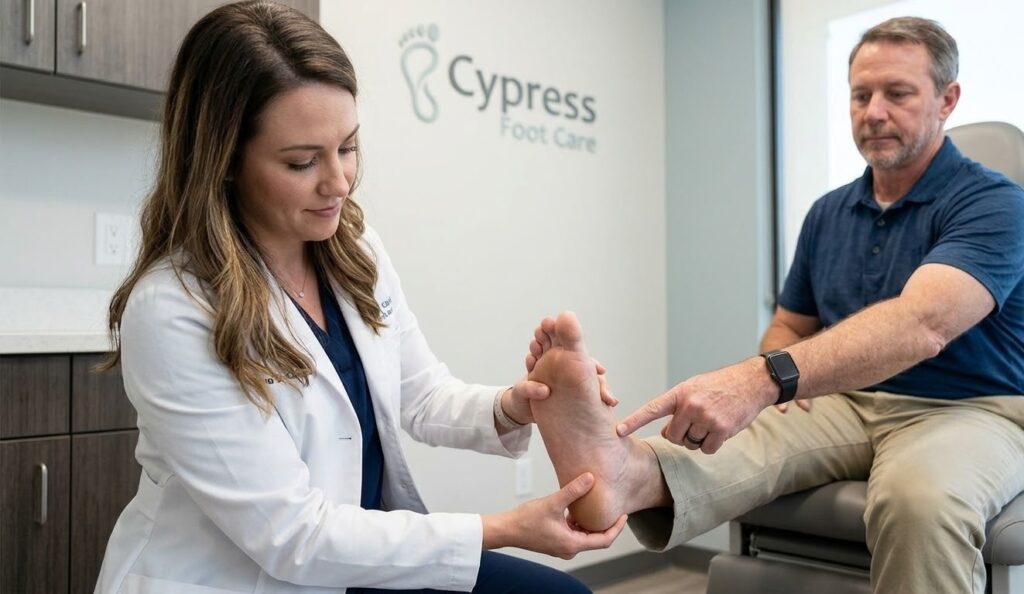
Medicare and Everyday Foot Care: What You Should Know
Many people assume Medicare is a blanket policy that covers every type of healthcare service once you turn 65. In reality, Medicare is more selective. It focuses on medical treatments that are considered essential to diagnose, treat, or prevent health problems.
Toenail trimming often falls into a gray area. For some people, it’s simply grooming. For others—especially those with health conditions like diabetes or poor circulation—it can be a matter of preventing infection or avoiding serious complications. That’s why Medicare may or may not step in, depending on your situation.
What Medicare Usually Covers
Medicare is divided into different “parts,” each designed to cover specific services.
- Medicare Part A (Hospital Insurance): This is the portion that covers inpatient hospital stays, skilled nursing facility care, hospice, and some home healthcare. Think of Part A as the safety net for more serious health events that require you to be admitted.
- Medicare Part B (Medical Insurance): This covers outpatient services such as doctor visits, lab work, durable medical equipment, and preventive screenings. Most podiatry services, including toenail care when it’s medically necessary, fall under Part B.
So, if your toenail trimming is performed during an outpatient visit to a podiatrist and is deemed medically necessary, it would typically fall under Part B coverage. Understanding this structure helps you know which part of Medicare you’re actually dealing with.
Where Toenail Trimming Fits In
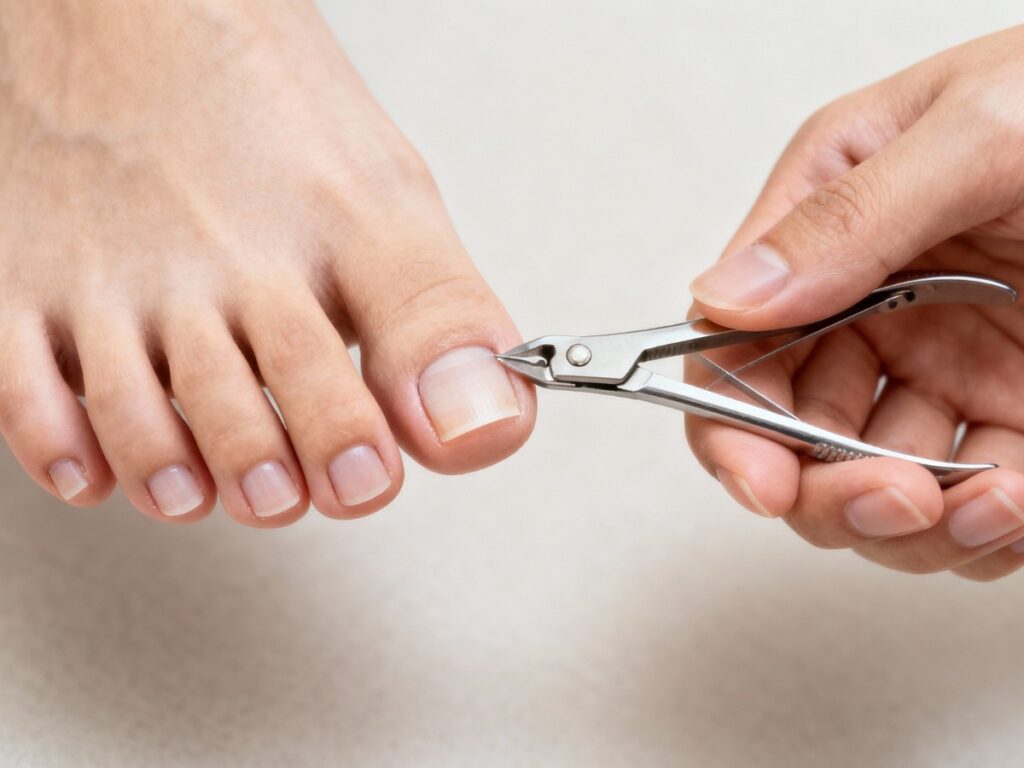
Toenail trimming sits at the intersection of medical care and routine maintenance. On one hand, it’s something most people handle at home with a simple pair of clippers. On the other, when toenails become thick, brittle, infected, or dangerous to manage because of health conditions, trimming becomes more than a cosmetic issue.
Think of it like dental cleanings: going in for a polish to make your teeth shine is cosmetic, but removing plaque to prevent gum disease is medical. Toenail trimming works the same way—if it prevents infections or complications, Medicare may treat it as a medical necessity rather than routine grooming.
Why Toenail Care Matters for Seniors
More Than Just Cosmetic Grooming
Toenail care is about more than neat feet. As we age, nails often become thicker and harder to cut. For seniors with limited mobility or reduced hand strength, trimming nails can feel like wrestling with a stubborn tree branch. Add in poor eyesight, and the risk of accidental cuts increases dramatically.
What seems like a small nick can lead to infections or ulcers that spiral into much bigger health problems.
Common Foot Problems in Older Adults
It’s not unusual for older adults to face:
- Thickened nails that are difficult to trim without professional tools.
- Fungal infections that make nails brittle, discolored, and painful.
- Ingrown toenails that dig into the skin, causing pain and possible infection.
- Neuropathy (nerve damage, often from diabetes), which reduces sensation in the feet and makes it harder to notice small injuries.
This is why toenail care for seniors is more than vanity—it’s preventive medicine.
When Does Medicare Cover Toenail Trimming?
Medical Necessity Explained
Medicare has one key rule: it will only cover services that are deemed “medically necessary.” This doesn’t mean just convenient or nice to have—it must serve a clear health purpose. For toenail trimming, medical necessity is often tied to conditions like diabetes, vascular disease, or foot deformities that increase the risk of injury and infection.
Routine Care vs. Covered Care
Routine toenail trimming for someone with no medical complications? Not covered. Trimming nails to prevent infections in a patient with diabetes? That’s a different story. Medicare makes the distinction based on documentation from your doctor or podiatrist, who must explain why the service is necessary.
Examples of Covered Situations
Toenail Trimming for Diabetes Patients
Diabetes can reduce blood flow and nerve sensitivity in the feet. Something as simple as an ingrown toenail can turn into a non-healing wound. Medicare acknowledges this risk and often covers podiatry visits for diabetic nail care to prevent infections or ulcerations.
Toenail Trimming for Circulatory Issues
If you suffer from peripheral artery disease or another vascular condition, poor blood circulation means injuries heal more slowly. Medicare may cover toenail trimming if it prevents conditions that could otherwise land you in the hospital.
What Medicare Doesn’t Cover
Routine Pedicures and Cosmetic Nail Care
Medicare draws a clear boundary when it comes to cosmetic services. Pedicures, spa treatments, or basic grooming that doesn’t serve a medical purpose are never covered. These fall under personal maintenance, not healthcare.
Out-of-Pocket Costs for Non-Covered Care
If your toenail trimming doesn’t qualify as medically necessary, you’ll need to pay out-of-pocket. Costs can vary depending on where you go, but some podiatry clinics offer discounted rates for seniors. It’s also worth asking if the clinic provides bundled services, so you can combine nail care with other foot check-ups at a lower cost.
Role of a Podiatrist in Toenail Trimming
How Podiatrists Evaluate Toenail Problems
A podiatrist isn’t just someone who trims nails. They evaluate the entire foot and ankle, checking circulation, nerve function, and skin condition. During an appointment, they may ask about your medical history, inspect for fungal infections, and assess whether nail trimming poses risks if done at home.
Importance of Professional Care
Think of podiatrists as “foot doctors” who can prevent small problems from turning into big ones. Professional nail trimming is safer, especially for seniors with diabetes, arthritis, or poor mobility. It can mean the difference between keeping your feet healthy and ending up with an infection that requires hospitalization.
Vital Podiatry Cypress Foot and Ankle Specialist
Serving Tower Oaks Meadows with Expert Foot Care
At Vital Podiatry Cypress Foot and Ankle Specialist, patients in Tower Oaks Meadows receive more than just nail trimming—they get comprehensive foot and ankle care tailored to their needs. Whether it’s thick nails, ingrown toenails, or foot pain, the clinic’s specialists provide solutions that balance comfort with medical safety.
Medicare-Friendly Foot and Nail Services
One of the biggest benefits of choosing Vital Podiatry is their familiarity with Medicare rules. They help patients determine what’s covered, file claims correctly, and avoid unnecessary out-of-pocket expenses. For seniors, that means less stress and more focus on health.
How to Check Your Coverage
Talking to Your Medicare Provider
Before scheduling your visit, it’s a smart move to call Medicare directly or log into your account on Medicare.gov. Ask whether podiatry services for toenail trimming related to your health condition are included under your plan.
Asking the Right Questions Before an Appointment
Here are some questions to ask your podiatrist’s office:
- Do you accept Medicare assignment?
- What documentation is required for coverage?
- Will I need a referral from my primary care doctor?
- How often will Medicare pay for my visits?
Having clear answers upfront prevents billing surprises later.
Alternatives if Medicare Doesn’t Cover You
Supplemental Insurance Options
Many seniors purchase supplemental coverage (Medigap) or switch to Medicare Advantage plans, some of which provide broader podiatry benefits. These plans may cover routine toenail trimming that Original Medicare excludes.
Affordable Foot Care Clinics
If you don’t have supplemental coverage, community clinics, local health departments, or nonprofit senior centers sometimes offer reduced-cost or even free foot care days. It’s worth checking around Tower Oaks Meadows for programs that support senior wellness.

Preparing for a Toenail Trimming Appointment
What to Expect During the Visit
A podiatry visit is usually straightforward. The doctor will start with a quick exam of your feet, checking for circulation issues, swelling, or infections. Then, they’ll use sterilized tools to trim and shape your nails. If you have fungal nails, they may also suggest topical treatments or other options.
Tips for Making the Most of Your Appointment
- Bring your Medicare card and any supplemental insurance cards.
- Share your medical history, especially conditions like diabetes or vascular disease.
- Wear comfortable, easy-to-remove shoes.
- Don’t be embarrassed—podiatrists see all kinds of feet every day.
Cost Considerations and Billing Insights
Understanding Copays and Deductibles
Even when Medicare Part B covers toenail trimming, you may still be responsible for 20% of the cost after meeting your deductible. If you have supplemental insurance, that portion may be reduced or eliminated.
Avoiding Surprise Medical Bills
The key to avoiding unexpected charges is to confirm that your podiatrist accepts Medicare assignment. This ensures they bill Medicare directly and agree to Medicare’s approved rates, rather than charging you extra.
Preventive Foot Care Tips for Seniors
Daily Habits for Healthy Feet
- Wash your feet daily with warm water and mild soap.
- Dry thoroughly, especially between the toes, to prevent fungal infections.
- Apply moisturizer to keep skin soft but avoid putting lotion between toes.
- Wear shoes that fit well and provide support.
Warning Signs You Shouldn’t Ignore
Seek medical attention if you notice:
- Redness or swelling around the nails
- Toenails that become unusually thick or change color
- Cuts or wounds that don’t heal
- Pain while walking or standing
These can signal underlying conditions that require immediate care.
Vital Podiatry Cypress Foot and Ankle Specialist Serving the Tower Oaks Meadows Community and Beyond in Cypress
Vital Podiatry Cypress Foot and Ankle Specialist is dedicated to serving the diverse needs of the local community of Cypress, including individuals residing in neighborhoods like Tower Oaks Meadows. With its convenient location near landmarks such as the Adam Elementary School and major intersections like Dakar Dr and Honey Grove Ln (coordinates: 29.939358509476236, -95.61359599664893), we offer Medicare podiatrist Cypress services.
Get Medicare Podiatrist Services at Tower Oaks Meadows Now
Navigate From Tower Oaks Meadows to Vital Podiatry Cypress Foot and Ankle Specialist Now
Conclusion
Will Medicare pay to have your toenails trimmed? The answer depends on the “why.” If it’s routine grooming, you’ll likely pay out-of-pocket. But if toenail care is essential to managing conditions like diabetes, neuropathy, or circulatory issues, Medicare Part B may cover the visit as medically necessary.
At Vital Podiatry Cypress Foot and Ankle Specialist, serving Tower Oaks Meadows, patients receive expert care tailored to their needs and guidance on Medicare coverage to make foot health more affordable and accessible.
FAQs
1. Does Medicare cover toenail trimming for everyone?
No. Medicare only covers toenail trimming if it’s deemed medically necessary due to conditions like diabetes, neuropathy, or circulatory disease.
2. Can I get a pedicure covered by Medicare?
No. Pedicures and cosmetic nail services are considered routine and are not covered.
3. How often will Medicare pay for toenail trimming?
It depends on your diagnosis and podiatrist’s notes, but typically every 60 days if medically necessary.
4. Do I need a referral to see a podiatrist?
With Original Medicare, you usually don’t need a referral. However, some Medicare Advantage plans may require one.
5. How do I confirm if my podiatrist accepts Medicare?
Call the office directly or use the provider search tool on Medicare.gov to check.