When Should You See A Heel Pain Doctor Instead Of Trying Home Remedies?

February 3, 2026

Heel pain has a way of starting quietly and then slowly taking over your day. At first, it might feel like nothing more than stiffness when you get out of bed or a dull ache after standing too long. You stretch it out, ice it, maybe buy a new pair of shoes, and assume it will work itself out. For some people, that’s true. For many others, that small ache turns into a persistent, life-limiting problem.

If you live in Meisterwood, heel pain can affect everything—from your ability to work comfortably to enjoying walks, exercise, or even standing during daily tasks. The challenge isn’t deciding whether to try home remedies—it’s knowing when home remedies are no longer enough and professional care becomes necessary.

This article breaks that decision down clearly, so you know exactly when to keep managing heel pain at home and when to see a heel pain doctor before the problem worsens.

Understanding Heel Pain: Why It’s More Than Just a Sore Foot

Your heel is the first point of contact with the ground every time you take a step. It absorbs shock, stabilizes your movement, and supports your entire body weight. Over the course of a single day, that adds up to thousands of pounds of force traveling through one small area of your foot.

Because of that constant load, even small imbalances or repetitive stress can cause damage. Heel pain is rarely “just soreness.” It’s usually a signal that something is inflamed, strained, overloaded, or structurally stressed.

Ignoring heel pain is similar to ignoring a crack in your windshield. At first, it seems manageable. But with time, pressure, and continued use, the damage spreads. What could have been a simple fix becomes a larger, more complicated problem.
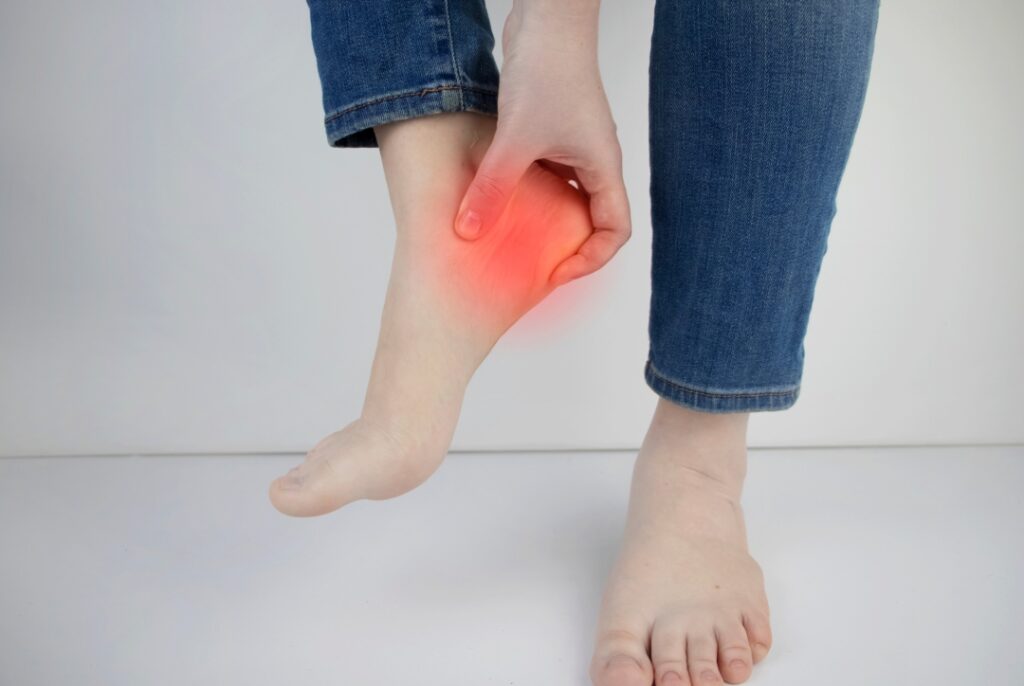
Heel pain doctor Cypress treating severe dry cracked skin and calluses on the base of a patient's painful foot.

Common Causes of Heel Pain

Heel pain isn’t a single diagnosis. It’s a symptom with multiple possible causes, each requiring different treatment strategies.

Plantar Fasciitis

Plantar fasciitis occurs when the plantar fascia—a thick, fibrous band running along the bottom of your foot—becomes irritated or inflamed. This tissue acts like a shock-absorbing cable, supporting your arch and helping your foot return energy with each step.

When it’s overstressed, tiny microtears develop. Overnight, the tissue tightens. Then, when you stand up in the morning, it suddenly stretches again—causing sharp, stabbing pain. Many people describe it as stepping on a nail or shard of glass. Without proper treatment, plantar fasciitis often becomes chronic and increasingly resistant to simple care.

Heel Spurs

Heel spurs are bony growths that develop on the heel bone due to prolonged strain and tension. They often form gradually and may exist for years before causing symptoms.

On their own, heel spurs aren’t always painful. However, when they develop alongside plantar fasciitis, they can worsen inflammation and discomfort. This is why imaging is often necessary—because symptoms alone don’t always tell the full story.

Achilles Tendinitis

Achilles tendinitis involves inflammation of the tendon connecting your calf muscle to your heel. It’s commonly caused by overuse, tight calf muscles, sudden increases in physical activity, or wearing unsupportive footwear.

Pain typically appears at the back of the heel and worsens with walking, climbing stairs, or standing on tiptoe. If left untreated, Achilles tendinitis can weaken the tendon, increasing the risk of long-term degeneration or rupture.

Stress Fractures

Stress fractures are tiny cracks in the heel bone caused by repetitive impact rather than a single injury. They’re common in runners, athletes, and individuals who stand or walk for long periods on hard surfaces.

Unlike soft-tissue injuries, stress fractures often don’t respond to basic home remedies. Continuing activity can make the fracture worse, leading to prolonged recovery or more serious injury.

Why Home Remedies Are Often the First Step

Home remedies are popular because they’re accessible, affordable, and familiar. For mild heel pain, they can provide short-term relief and sometimes allow the body to heal on its own.

The issue isn’t using home remedies—it’s knowing when they’ve reached their limit.

Popular At-Home Heel Pain Treatments

Common at-home strategies include:

  • Resting and reducing impact activities
  • Icing the heel to reduce inflammation
  • Stretching the calves and arches
  • Taking over-the-counter anti-inflammatory medications
  • Using store-bought shoe inserts

These approaches often focus on symptom relief rather than addressing the root cause. That’s fine for temporary discomfort, but problematic for ongoing pain.

When Home Remedies Actually Work

Home remedies tend to work best when heel pain is:

  • Recent and mild
  • Clearly linked to short-term overuse
  • Improving steadily over several days
  • Not associated with swelling, sharp pain, or limping

If your pain decreases day by day and doesn’t return with activity, home care may be sufficient. If progress stalls or pain returns immediately when normal activity resumes, the issue likely requires professional evaluation.
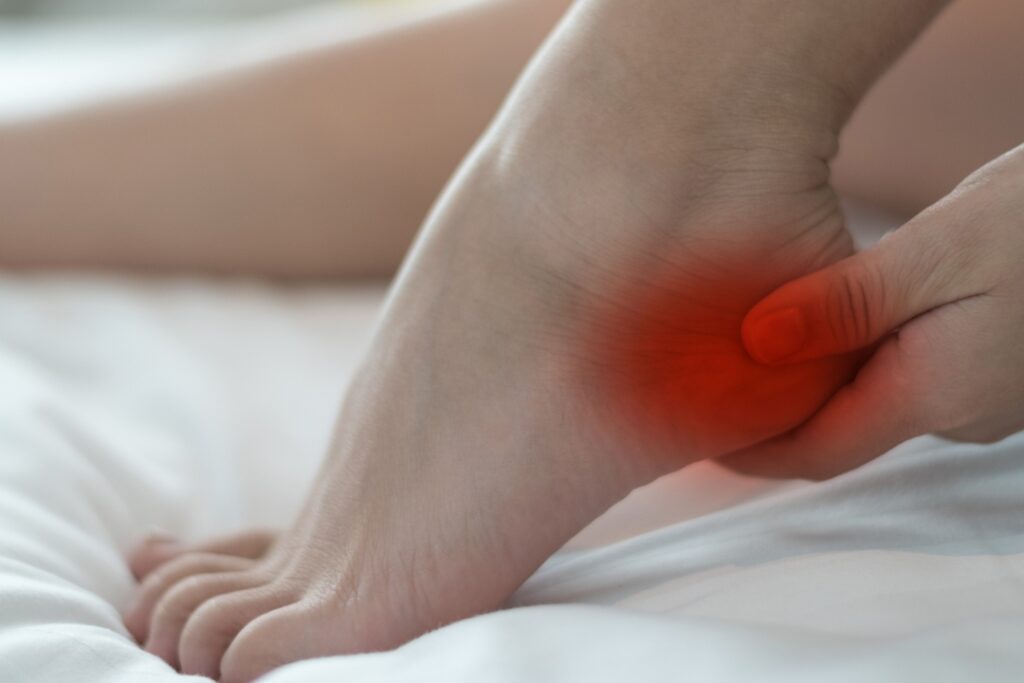
Effective plantar fasciitis relief from a heel pain doctor Cypress specialist for morning foot arch stiffness.

Red Flags: When Heel Pain Shouldn’t Be Ignored

Certain symptoms indicate that heel pain is no longer a minor issue.

Pain That Lasts More Than Two Weeks

Persistent pain lasting more than two weeks—despite rest and home care—usually means the underlying issue isn’t resolving on its own. Continuing the same approach often delays proper healing.

Sharp or Stabbing Pain

Sharp pain, especially during the first steps in the morning, often indicates structural or tissue damage rather than simple inflammation.

Swelling, Redness, or Warmth

These signs suggest significant inflammation, infection, or injury. Home remedies alone are not appropriate in these cases.

Heel Pain Affecting Daily Activities

If heel pain is changing how you walk, stand, or perform your job, it’s no longer a minor problem. Altered movement patterns increase the risk of knee, hip, and back pain.

When Should You See a Heel Pain Doctor?

A simple guideline: If heel pain interferes with your quality of life or doesn’t improve, it’s time to see a specialist.

Morning Heel Pain That Won’t Go Away

Ongoing morning pain is one of the clearest indicators that professional treatment is needed, particularly for plantar fasciitis.

Pain That Gets Worse Over Time

Pain that intensifies rather than improves often signals ongoing tissue damage.

Heel Pain After an Injury

Falls, missteps, or sudden impacts can cause internal damage that isn’t visible externally. Even mild-appearing injuries can lead to serious complications if ignored.

The Risks of Delaying Professional Heel Care

Delaying treatment often leads to bigger problems than the original pain.

Chronic Pain and Long-Term Damage

Untreated heel pain can result in scar tissue, reduced flexibility, and persistent inflammation that’s much harder to reverse.

Compensatory Injuries

To avoid pain, your body shifts weight and changes posture. Over time, this can cause knee strain, hip pain, and lower back issues.

How a Heel Pain Doctor Diagnoses the Problem

Accurate diagnosis is essential for effective treatment.

Physical Examination

A thorough exam evaluates foot structure, gait, flexibility, pressure distribution, and pain points to identify the true source of discomfort.

Imaging and Diagnostic Tests

X-rays or advanced imaging may be used to identify heel spurs, fractures, or structural abnormalities that home remedies cannot address.

Treatment Options Beyond Home Remedies

Once the cause is identified, treatment becomes targeted and more effective.

Custom Orthotics

Custom orthotics are designed specifically for your foot structure and walking mechanics, helping reduce strain and support healing.

Physical Therapy

Physical therapy improves strength, flexibility, and movement patterns, reducing recurrence and promoting long-term relief.

Advanced Medical Treatments

Modern podiatry offers advanced non-surgical treatments that stimulate healing and reduce inflammation when conservative care isn’t enough.

Vital Podiatry Cypress Foot and Ankle Specialist

Vital Podiatry Cypress Foot and Ankle Specialist provides comprehensive heel pain diagnosis and treatment using evidence-based, patient-centered care tailored to individual lifestyles and needs.

Expert Heel Pain Care in Meisterwood

For Meisterwood residents, having access to specialized foot and ankle care means earlier diagnosis, more precise treatment, and faster recovery—before heel pain becomes chronic.

Why Meisterwood Residents Should Seek Local Heel Care

Local specialists understand daily routines, occupational demands, and lifestyle factors that influence foot health, allowing for more personalized treatment plans.

How Early Treatment Speeds Up Recovery

Early treatment reduces inflammation, prevents tissue damage, and shortens recovery time—often avoiding more aggressive interventions later.

Choosing the Right Heel Pain Doctor

Choose a provider who focuses on diagnosis, individualized treatment, and long-term prevention—not just temporary symptom relief.

Vital Podiatry Cypress Foot and Ankle Specialist Serving the Meisterwood Community and Beyond in Cypress

Vital Podiatry Cypress Foot and Ankle Specialist is dedicated to serving the diverse needs of the local community of Cypress, including individuals residing in neighborhoods like Meisterwood. With its convenient location near landmarks such as the Marrs Satsuma Pocket Park and major intersections like Angelique Dr and Beauvoir Dr (coordinates: 29.939359322465165, -95.62397413218804), we offer heel pain doctor Cypress services.

Get Heel Pain Doctor Services at Meisterwood Now

CALL US NOW!

(281) 937-4546

Navigate from Meisterwood to Vital Podiatry Cypress Foot and Ankle Specialist Now

Conclusion

Heel pain is not something you should ignore or simply endure. While home remedies can help in the early stages, persistent or worsening pain is a clear sign that professional care is needed. Delaying treatment often leads to chronic pain, slower recovery, and secondary injuries that could have been prevented.

If heel pain is affecting your daily life, seeking expert care sooner rather than later can make a meaningful difference in your comfort, mobility, and long-term foot health.

FAQs

1. How long should I try home remedies before seeing a doctor?
If pain lasts more than two weeks without improvement, professional care is recommended.

2. Is heel pain always plantar fasciitis?
No. Several conditions can cause heel pain, which is why accurate diagnosis is important.

3. Can heel pain cause other problems?
Yes. Compensation often leads to knee, hip, or back pain.

4. Do custom orthotics really help?
Yes. They address biomechanical issues that generic inserts cannot.

5. Is surgery usually necessary for heel pain?
No. Most cases resolve with non-surgical treatment when addressed early.

TAKE YOUR FIRST STEP

OR CALL US

(281) 937-4546

Related Post


Heel pain has a way of starting quietly and then slowly taking over your day. At first, it might feel like nothing more than stiffness when you get out of bed or a dull ache after standing too long. You stretch it out, ice it, maybe buy a new pair of shoes, and assume it will work itself out. For some people, that’s true. For many others, that small ache turns into a persistent, life-limiting problem.

If you live in Meisterwood, heel pain can affect everything—from your ability to work comfortably to enjoying walks, exercise, or even standing during daily tasks. The challenge isn’t deciding whether to try home remedies—it’s knowing when home remedies are no longer enough and professional care becomes necessary.

This article breaks that decision down clearly, so you know exactly when to keep managing heel pain at home and when to see a heel pain doctor before the problem worsens.

Understanding Heel Pain: Why It’s More Than Just a Sore Foot

Your heel is the first point of contact with the ground every time you take a step. It absorbs shock, stabilizes your movement, and supports your entire body weight. Over the course of a single day, that adds up to thousands of pounds of force traveling through one small area of your foot.

Because of that constant load, even small imbalances or repetitive stress can cause damage. Heel pain is rarely “just soreness.” It’s usually a signal that something is inflamed, strained, overloaded, or structurally stressed.

Ignoring heel pain is similar to ignoring a crack in your windshield. At first, it seems manageable. But with time, pressure, and continued use, the damage spreads. What could have been a simple fix becomes a larger, more complicated problem.

Heel pain doctor Cypress treating severe dry cracked skin and calluses on the base of a patient's painful foot.

Common Causes of Heel Pain

Heel pain isn’t a single diagnosis. It’s a symptom with multiple possible causes, each requiring different treatment strategies.

Plantar Fasciitis

Plantar fasciitis occurs when the plantar fascia—a thick, fibrous band running along the bottom of your foot—becomes irritated or inflamed. This tissue acts like a shock-absorbing cable, supporting your arch and helping your foot return energy with each step.

When it’s overstressed, tiny microtears develop. Overnight, the tissue tightens. Then, when you stand up in the morning, it suddenly stretches again—causing sharp, stabbing pain. Many people describe it as stepping on a nail or shard of glass. Without proper treatment, plantar fasciitis often becomes chronic and increasingly resistant to simple care.

Heel Spurs

Heel spurs are bony growths that develop on the heel bone due to prolonged strain and tension. They often form gradually and may exist for years before causing symptoms.

On their own, heel spurs aren’t always painful. However, when they develop alongside plantar fasciitis, they can worsen inflammation and discomfort. This is why imaging is often necessary—because symptoms alone don’t always tell the full story.

Achilles Tendinitis

Achilles tendinitis involves inflammation of the tendon connecting your calf muscle to your heel. It’s commonly caused by overuse, tight calf muscles, sudden increases in physical activity, or wearing unsupportive footwear.

Pain typically appears at the back of the heel and worsens with walking, climbing stairs, or standing on tiptoe. If left untreated, Achilles tendinitis can weaken the tendon, increasing the risk of long-term degeneration or rupture.

Stress Fractures

Stress fractures are tiny cracks in the heel bone caused by repetitive impact rather than a single injury. They’re common in runners, athletes, and individuals who stand or walk for long periods on hard surfaces.

Unlike soft-tissue injuries, stress fractures often don’t respond to basic home remedies. Continuing activity can make the fracture worse, leading to prolonged recovery or more serious injury.

Why Home Remedies Are Often the First Step

Home remedies are popular because they’re accessible, affordable, and familiar. For mild heel pain, they can provide short-term relief and sometimes allow the body to heal on its own.

The issue isn’t using home remedies—it’s knowing when they’ve reached their limit.

Popular At-Home Heel Pain Treatments

Common at-home strategies include:

  • Resting and reducing impact activities
  • Icing the heel to reduce inflammation
  • Stretching the calves and arches
  • Taking over-the-counter anti-inflammatory medications
  • Using store-bought shoe inserts

These approaches often focus on symptom relief rather than addressing the root cause. That’s fine for temporary discomfort, but problematic for ongoing pain.

When Home Remedies Actually Work

Home remedies tend to work best when heel pain is:

  • Recent and mild
  • Clearly linked to short-term overuse
  • Improving steadily over several days
  • Not associated with swelling, sharp pain, or limping

If your pain decreases day by day and doesn’t return with activity, home care may be sufficient. If progress stalls or pain returns immediately when normal activity resumes, the issue likely requires professional evaluation.

Effective plantar fasciitis relief from a heel pain doctor Cypress specialist for morning foot arch stiffness.

Red Flags: When Heel Pain Shouldn’t Be Ignored

Certain symptoms indicate that heel pain is no longer a minor issue.

Pain That Lasts More Than Two Weeks

Persistent pain lasting more than two weeks—despite rest and home care—usually means the underlying issue isn’t resolving on its own. Continuing the same approach often delays proper healing.

Sharp or Stabbing Pain

Sharp pain, especially during the first steps in the morning, often indicates structural or tissue damage rather than simple inflammation.

Swelling, Redness, or Warmth

These signs suggest significant inflammation, infection, or injury. Home remedies alone are not appropriate in these cases.

Heel Pain Affecting Daily Activities

If heel pain is changing how you walk, stand, or perform your job, it’s no longer a minor problem. Altered movement patterns increase the risk of knee, hip, and back pain.

When Should You See a Heel Pain Doctor?

A simple guideline: If heel pain interferes with your quality of life or doesn’t improve, it’s time to see a specialist.

Morning Heel Pain That Won’t Go Away

Ongoing morning pain is one of the clearest indicators that professional treatment is needed, particularly for plantar fasciitis.

Pain That Gets Worse Over Time

Pain that intensifies rather than improves often signals ongoing tissue damage.

Heel Pain After an Injury

Falls, missteps, or sudden impacts can cause internal damage that isn’t visible externally. Even mild-appearing injuries can lead to serious complications if ignored.

The Risks of Delaying Professional Heel Care

Delaying treatment often leads to bigger problems than the original pain.

Chronic Pain and Long-Term Damage

Untreated heel pain can result in scar tissue, reduced flexibility, and persistent inflammation that’s much harder to reverse.

Compensatory Injuries

To avoid pain, your body shifts weight and changes posture. Over time, this can cause knee strain, hip pain, and lower back issues.

How a Heel Pain Doctor Diagnoses the Problem

Accurate diagnosis is essential for effective treatment.

Physical Examination

A thorough exam evaluates foot structure, gait, flexibility, pressure distribution, and pain points to identify the true source of discomfort.

Imaging and Diagnostic Tests

X-rays or advanced imaging may be used to identify heel spurs, fractures, or structural abnormalities that home remedies cannot address.

Treatment Options Beyond Home Remedies

Once the cause is identified, treatment becomes targeted and more effective.

Custom Orthotics

Custom orthotics are designed specifically for your foot structure and walking mechanics, helping reduce strain and support healing.

Physical Therapy

Physical therapy improves strength, flexibility, and movement patterns, reducing recurrence and promoting long-term relief.

Advanced Medical Treatments

Modern podiatry offers advanced non-surgical treatments that stimulate healing and reduce inflammation when conservative care isn’t enough.

Vital Podiatry Cypress Foot and Ankle Specialist

Vital Podiatry Cypress Foot and Ankle Specialist provides comprehensive heel pain diagnosis and treatment using evidence-based, patient-centered care tailored to individual lifestyles and needs.

Expert Heel Pain Care in Meisterwood

For Meisterwood residents, having access to specialized foot and ankle care means earlier diagnosis, more precise treatment, and faster recovery—before heel pain becomes chronic.

Why Meisterwood Residents Should Seek Local Heel Care

Local specialists understand daily routines, occupational demands, and lifestyle factors that influence foot health, allowing for more personalized treatment plans.

How Early Treatment Speeds Up Recovery

Early treatment reduces inflammation, prevents tissue damage, and shortens recovery time—often avoiding more aggressive interventions later.

Choosing the Right Heel Pain Doctor

Choose a provider who focuses on diagnosis, individualized treatment, and long-term prevention—not just temporary symptom relief.

Vital Podiatry Cypress Foot and Ankle Specialist Serving the Meisterwood Community and Beyond in Cypress

Vital Podiatry Cypress Foot and Ankle Specialist is dedicated to serving the diverse needs of the local community of Cypress, including individuals residing in neighborhoods like Meisterwood. With its convenient location near landmarks such as the Marrs Satsuma Pocket Park and major intersections like Angelique Dr and Beauvoir Dr (coordinates: 29.939359322465165, -95.62397413218804), we offer heel pain doctor Cypress services.

Get Heel Pain Doctor Services at Meisterwood Now

CALL US NOW!

(281) 937-4546

Navigate from Meisterwood to Vital Podiatry Cypress Foot and Ankle Specialist Now

Conclusion

Heel pain is not something you should ignore or simply endure. While home remedies can help in the early stages, persistent or worsening pain is a clear sign that professional care is needed. Delaying treatment often leads to chronic pain, slower recovery, and secondary injuries that could have been prevented.

If heel pain is affecting your daily life, seeking expert care sooner rather than later can make a meaningful difference in your comfort, mobility, and long-term foot health.

FAQs

1. How long should I try home remedies before seeing a doctor?
If pain lasts more than two weeks without improvement, professional care is recommended.

2. Is heel pain always plantar fasciitis?
No. Several conditions can cause heel pain, which is why accurate diagnosis is important.

3. Can heel pain cause other problems?
Yes. Compensation often leads to knee, hip, or back pain.

4. Do custom orthotics really help?
Yes. They address biomechanical issues that generic inserts cannot.

5. Is surgery usually necessary for heel pain?
No. Most cases resolve with non-surgical treatment when addressed early.