For athletes and physically active individuals, the feet are the unsung heroes of movement. Every sprint, jump, pivot, or sudden stop begins and ends with the feet absorbing and distributing force. Whether you’re playing basketball, running a marathon, or enjoying a casual weekend soccer game, your feet endure tremendous stress.
Because of this constant workload, sports-related foot injuries are incredibly common. Many athletes initially dismiss foot pain as a minor inconvenience, assuming it will disappear with rest. However, ignoring foot discomfort can often make the problem worse, turning a small issue into a long-term injury.
Think of your feet as the foundation of a building. If the foundation develops cracks, the entire structure becomes unstable. The same principle applies to the human body. When the feet are injured or misaligned, the effects can travel upward, affecting the ankles, knees, hips, and even the spine.
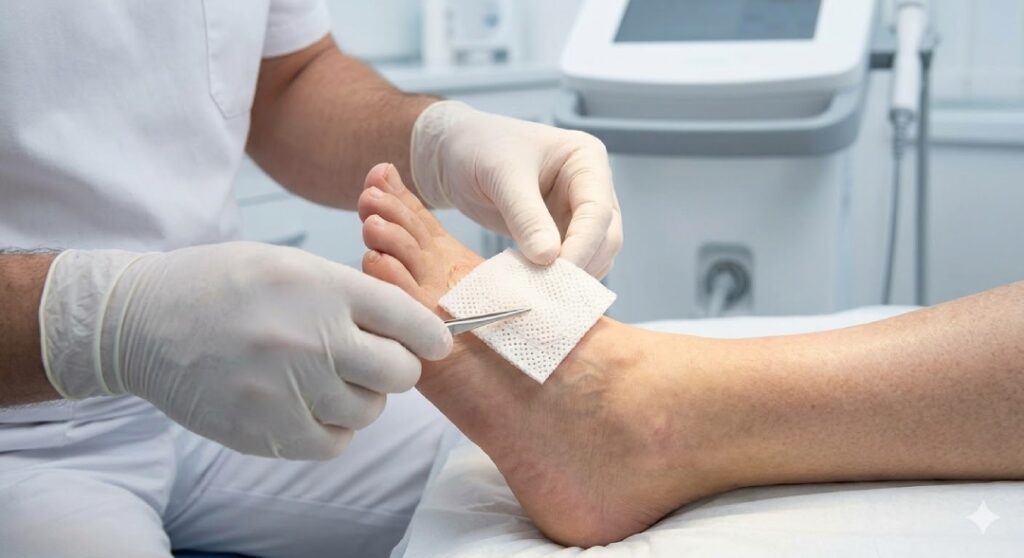
This is why consulting a foot specialist doctor is so important. Specialists have the expertise to diagnose complex foot conditions and provide targeted treatment that promotes faster recovery.
Patients in Briarchase often rely on the professional care offered by Vital Podiatry Foot and Ankle Specialist, where athletes receive expert evaluation and personalized treatment for sports-related foot injuries.
Why Your Feet Are Critical in Sports Performance
Your feet are far more than simple support structures—they are intricate mechanical systems designed to stabilize, absorb shock, and propel the body forward. In sports, these functions become even more critical.
Every time an athlete runs, jumps, or lands, the feet absorb forces that can be two to three times the person’s body weight. During high-impact activities like basketball or running, that pressure increases even more.
The Complex Structure of the Foot
The human foot is a marvel of engineering. It contains:
- 26 bones
- 33 joints
- Over 100 muscles, ligaments, and tendons
These components must function together seamlessly to maintain balance, mobility, and stability.
To visualize this complexity, imagine the inner workings of a finely tuned watch. Each tiny gear must move precisely for the watch to function. Similarly, every bone, tendon, and ligament in the foot must coordinate perfectly to allow smooth movement.
If even one component becomes inflamed, strained, or misaligned, it can disrupt the entire system.
Why Athletes Put Their Feet at Risk
Athletes frequently expose their feet to repetitive stress and sudden impact. Running long distances, jumping repeatedly, and rapidly changing direction place intense pressure on the foot structures.
For example:
- A runner may strike the ground thousands of times during a single training session.
- Basketball players constantly jump and land on hard surfaces.
- Soccer players pivot quickly, placing strain on ligaments and tendons.
Over time, this repetitive strain can lead to micro-injuries that gradually worsen if left untreated.

Common Sports-Related Foot Injuries
Sports injuries involving the foot and ankle are incredibly diverse. Some develop suddenly due to trauma, while others build gradually through repetitive strain.
Understanding these injuries helps athletes recognize warning signs early.
Plantar Fasciitis
Plantar fasciitis is one of the most common causes of heel pain among athletes. The plantar fascia is a thick band of connective tissue that runs along the bottom of the foot, connecting the heel to the toes.
When this tissue becomes irritated or inflamed, it causes sharp pain—especially during the first steps in the morning or after long periods of rest.
Runners, dancers, and individuals who participate in high-impact sports are particularly prone to plantar fasciitis.
Without proper treatment, the pain can persist for months and significantly affect mobility.
Stress Fractures
Stress fractures are tiny cracks in bones caused by repetitive impact rather than a single traumatic event.
They are common among:
- Long-distance runners
- Gymnasts
- Basketball players
- Military recruits
Unlike sudden fractures caused by accidents, stress fractures develop gradually. Athletes often mistake them for muscle soreness and continue training, which can worsen the injury.
A foot specialist doctor can identify these fractures early and prevent them from progressing into more severe breaks.
Achilles Tendon Injuries
The Achilles tendon is the largest tendon in the body and plays a crucial role in walking, running, and jumping.
Athletes frequently develop:
- Achilles tendonitis (inflammation)
- Partial tears
- Complete tendon ruptures
Imagine a thick rope connecting your calf muscles to your heel bone. When that rope becomes overstretched or damaged, movement becomes painful and unstable.
Proper treatment is essential to restore strength and flexibility.
Ankle Sprains and Ligament Damage
Ankle sprains occur when ligaments stretch beyond their normal limits or tear entirely. This typically happens when the foot twists awkwardly during sports activities.
Sports that involve quick changes in direction—such as basketball, tennis, and soccer—have high rates of ankle sprains.
While many people consider ankle sprains minor injuries, repeated sprains can lead to chronic instability if not properly treated.
Why Seeing a Foot Specialist Doctor Matters
When foot pain appears, many athletes attempt self-treatment with rest, ice, or over-the-counter medications. While these methods may relieve mild discomfort, they often fail to address the underlying cause.
This is where the expertise of a foot specialist becomes invaluable.
Accurate Diagnosis with Advanced Techniques
Foot specialists use advanced diagnostic tools to understand the root cause of pain.
These may include:
- Digital X-rays
- Ultrasound imaging
- MRI scans
- Biomechanical evaluations
- Gait analysis
A gait analysis, for example, examines how a person walks or runs. It can reveal subtle imbalances or structural issues that contribute to injury.
This level of detailed assessment ensures that treatment targets the exact source of the problem.
Personalized Treatment Plans
No two athletes are exactly alike. Age, activity level, body mechanics, and injury history all influence treatment strategies.
A foot specialist creates a tailored recovery plan designed specifically for the patient. This approach may include a combination of therapies such as orthotics, physical therapy, or targeted exercises.
Faster Recovery for Athletes
Athletes often want to return to their sport as quickly as possible. However, rushing recovery can lead to reinjury.
Specialists focus on safe and efficient healing, helping athletes regain strength, flexibility, and stability before returning to activity.
The Risks of Ignoring Foot Injuries
Ignoring foot injuries is like ignoring a small leak in a pipe—it may seem harmless initially, but the damage can spread over time.
Chronic Pain and Long-Term Damage
Untreated injuries may lead to chronic conditions such as:
- Tendon degeneration
- Joint instability
- Persistent inflammation
- Arthritis
What starts as a mild discomfort can eventually become a long-term medical issue.
Reduced Athletic Performance
Foot pain forces the body to compensate. For example, an athlete may shift weight to avoid pressure on a painful heel.
Over time, this compensation can lead to:
- Knee pain
- Hip misalignment
- Lower back strain
In other words, a small foot injury can create a chain reaction throughout the body.
Treatments a Foot Specialist May Recommend
Treatment strategies depend on the type and severity of the injury.
Non-Surgical Treatments
Many sports injuries respond well to conservative care.
Orthotics and Supportive Devices
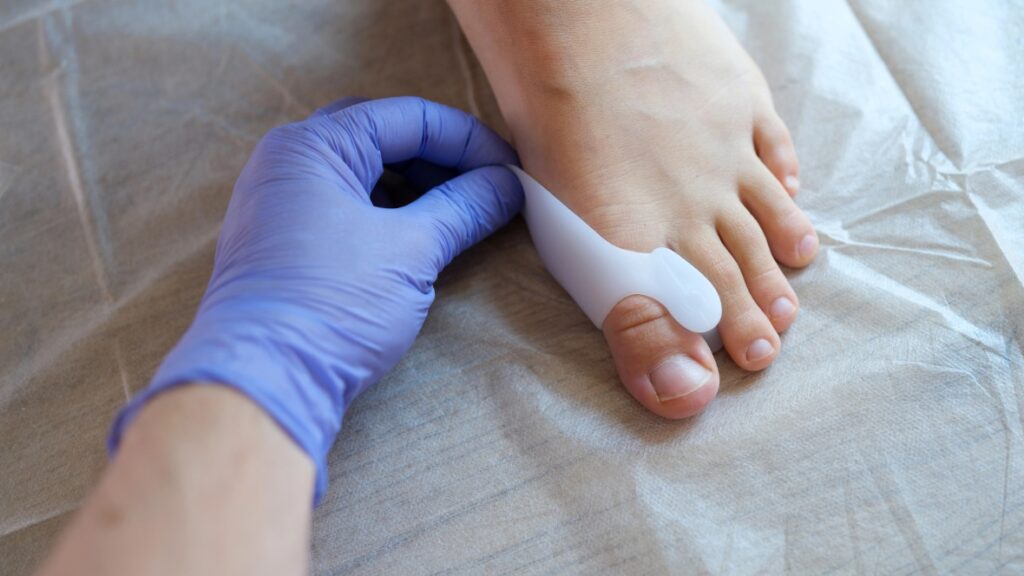
Custom orthotics are specially designed inserts placed inside shoes to improve alignment and reduce pressure.
For athletes, orthotics can enhance performance while protecting vulnerable areas of the foot.
Physical Therapy
Physical therapy focuses on restoring strength, flexibility, and mobility. Therapists may guide patients through exercises designed to stabilize the ankle, strengthen foot muscles, and improve balance.
Minimally Invasive Procedures
Some injuries benefit from treatments like corticosteroid injections or regenerative therapies that reduce inflammation and promote healing.
These options allow athletes to recover without major surgical procedures.
Surgical Treatment When Necessary
In severe cases, surgery may be required to repair damaged tendons, ligaments, or bones. Modern podiatric surgery often uses minimally invasive techniques that reduce recovery time.
Preventing Sports-Related Foot Injuries
Prevention plays a key role in athletic longevity.
Proper Footwear
Shoes designed for specific sports provide the necessary support and cushioning. Running shoes, for example, absorb impact differently than basketball shoes.
Wearing inappropriate footwear can increase injury risk.
Strength and Flexibility Training
Athletes should include stretching and strengthening exercises in their routine. Strong muscles and flexible tendons help stabilize the foot and reduce stress on joints.
Early Evaluation and Injury Prevention
Even mild discomfort should not be ignored. Early evaluation allows specialists to detect potential issues before they escalate.
Vital Podiatry Foot and Ankle Specialist – Trusted Foot Specialist Doctor near Briarchase
Athletes and active individuals near Briarchase rely on Vital Podiatry Foot and Ankle Specialist for expert foot and ankle care.
The clinic focuses on comprehensive podiatric services, including diagnosis, treatment, and prevention of sports-related injuries.
Patients benefit from:
- Advanced diagnostic technology
- Customized treatment plans
- Experienced podiatric specialists
- Patient-centered care
By combining modern medical techniques with personalized attention, Vital Podiatry Foot and Ankle Specialist helps patients recover safely and return to the activities they enjoy.
What to Expect During Your Visit
Many patients feel uncertain before their first appointment, but the evaluation process is straightforward.
Initial Assessment
The specialist will ask about your symptoms, athletic activities, and medical history.
They may examine:
- Foot alignment
- Range of motion
- Muscle strength
- Areas of tenderness
Diagnostic Imaging
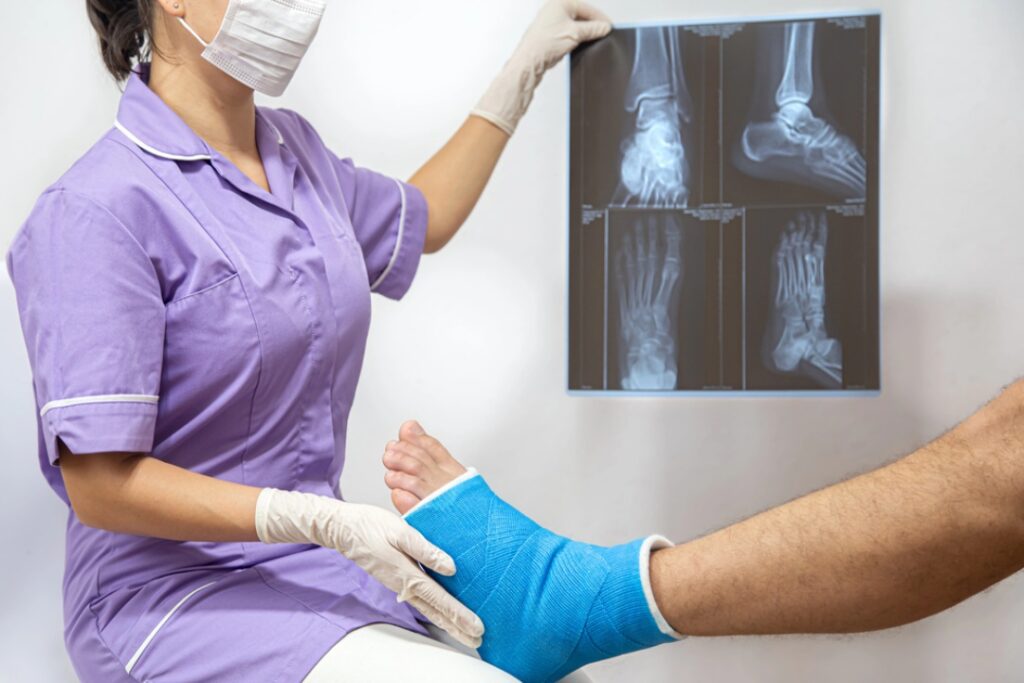
Imaging tools such as X-rays or ultrasound scans help identify structural problems, fractures, or tendon damage.
Personalized Recovery Plan
Based on the diagnosis, the specialist will develop a comprehensive treatment plan tailored to your lifestyle and athletic goals.
How Early Treatment Improves Recovery
Addressing injuries early can dramatically reduce recovery time.
Early treatment prevents inflammation from spreading and reduces the likelihood of chronic pain. Athletes who receive prompt care often return to their sport faster and with fewer complications.
When Should Athletes See a Foot Specialist Doctor?
Athletes should seek professional care if they experience symptoms such as:
- Persistent foot pain
- Swelling or bruising
- Difficulty walking or running
- Pain during athletic activity
- Reduced mobility
These signs indicate that the body needs medical attention.
Choosing the Right Foot Specialist Doctor
Selecting the right specialist ensures optimal care.
Patients should consider:
- Experience with sports injuries
- Advanced treatment options
- Positive patient reviews
- Personalized care approach
Choosing the right doctor can make a significant difference in both recovery time and long-term outcomes.
Vital Podiatry Foot and Ankle Specialist Serving the Briarchase Community and Beyond in Houston
Vital Podiatry Foot and Ankle Specialist is dedicated to serving the diverse needs of the local community of Houston, including individuals residing in neighborhoods like Briarchase. With its convenient location near landmarks such as the Beneke Elementary School and major intersections like Sablegrove Ln and Sablechase Dr (coordinates: 29.97611,-95.48002), we offer foot specialist doctor services.
Get Foot Specialist Doctor Services at Briarchase Now
CALL US NOW!
(281) 937-4546
Navigate from Briarchase to Vital Podiatry Foot and Ankle Specialist Now
Conclusion
Sports-related foot injuries can affect anyone—from professional athletes to individuals who simply enjoy staying active. Because the feet serve as the body’s foundation, even small injuries can have widespread effects on mobility and performance.
Consulting a foot specialist doctor ensures accurate diagnosis, effective treatment, and proper recovery. Expert care not only helps athletes heal faster but also reduces the risk of future injuries.
For patients in Briarchase, Vital Podiatry Foot and Ankle Specialist provides trusted, professional care for sports-related foot injuries. Their commitment to advanced podiatric treatment and personalized patient care makes them a reliable partner in maintaining healthy, strong feet.
FAQs
1. What does a foot specialist doctor treat?
A foot specialist doctor treats conditions affecting the feet and ankles, including sports injuries, fractures, plantar fasciitis, tendon injuries, and chronic foot pain.
2. Should athletes see a specialist for mild foot pain?
Yes. Mild pain may indicate an underlying issue that could worsen without treatment.
3. How long does recovery from a sports foot injury take?
Recovery time varies depending on the injury and treatment method, ranging from a few weeks to several months.
4. Can foot injuries affect other parts of the body?
Yes. Foot problems can alter body mechanics and lead to knee, hip, or back pain.
5. Why choose Vital Podiatry Foot and Ankle Specialist in Briarchase?
We provide expert diagnosis, personalized treatment plans, and comprehensive care for sports-related foot injuries.