Don’t Ignore Heel Pain
Heel pain is one of those sneaky problems that can quietly derail your daily life. At first, you might notice a dull ache in the morning or after a long day at work.
Many people brush it off, assuming it’s from standing too long or wearing uncomfortable shoes. But here’s the truth: your heel pain is your body sending a warning signal. Ignoring it can turn a minor discomfort into chronic pain, affect your mobility, and even impact your mood and lifestyle.
In Grantwood, Vital Podiatry Foot and Ankle Specialist helps patients catch heel issues early. Their expertise ensures you can tackle problems before they spiral out of control—because your feet deserve more than temporary fixes.
Understanding Heel Pain: More Than Just a Sore Foot
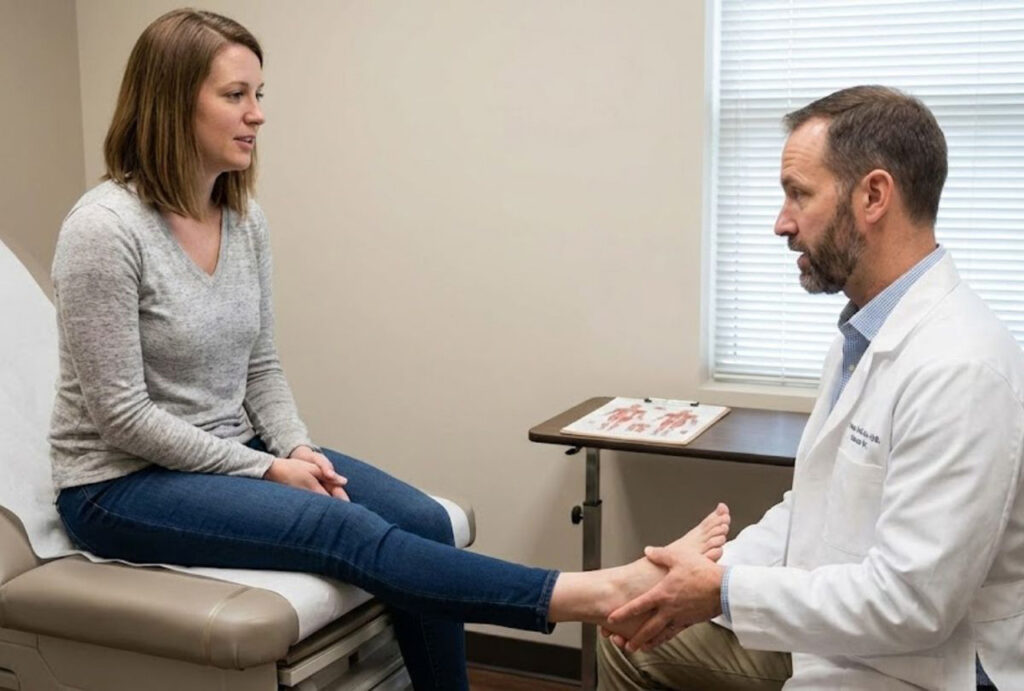
Heel pain isn’t just “foot soreness.” It’s a complex condition with many possible causes. Think of it as your body trying to communicate that something is off in the foundation of your mobility.
Heel pain can vary in intensity and timing—it might flare up first thing in the morning, after exercise, or even randomly during the day. Recognizing the root cause is key to effective treatment.
Causes of Heel Pain
The most common causes include:
- Plantar Fasciitis: Tiny tears in the thick band of tissue under your foot, causing stabbing morning pain.
- Achilles Tendonitis: Inflammation of the tendon connecting your calf to your heel.
- Heel Spurs: Bony growths that can develop after chronic stress on your heel.
- Stress Fractures: Small cracks in the heel bone from repetitive impact or overuse.
Systemic conditions like arthritis or diabetes can also contribute. That’s why seeing a specialist early helps pinpoint the exact cause instead of guessing.
Common Misconceptions About Heel Pain
Many people assume heel pain is temporary, thinking a bit of rest or stretching will solve it. Others believe it only affects runners or athletes. But the reality? Heel pain can affect anyone—teachers who stand all day, parents chasing after kids, office workers who commute long distances on hard floors. Waiting too long often worsens the problem, making treatment more complicated later on.
The Risks of Ignoring Heel Pain
Neglecting heel pain isn’t just risky—it can create a domino effect of issues throughout your body. Here’s why it matters:
Progression to Chronic Conditions
Minor heel pain can escalate into plantar fasciitis, tendonitis, or nerve entrapments. Once these become chronic, they are much harder to treat. Chronic conditions can linger for months or even years if ignored, sometimes requiring more invasive interventions.
Impact on Overall Mobility
Heel pain changes how you walk. You might unconsciously favor one foot, shorten your stride, or avoid certain movements. Over time, this altered gait can cause knee, hip, or back problems. Essentially, ignoring heel pain is like letting one weak link compromise the whole chain of your body’s mechanics.
Emotional and Lifestyle Consequences
Persistent foot pain isn’t just physical—it can affect your mental well-being. It can make you irritable, disrupt sleep, limit your hobbies, and even reduce social engagement. Imagine missing out on walks with friends, gym sessions, or weekend adventures because your heel aches every step of the way.
Why Early Intervention Matters
Early intervention is a game-changer. Addressing heel pain promptly ensures better outcomes, fewer complications, and faster recovery.
Better Treatment Outcomes
Patients who see a heel pain doctor early often respond well to non-invasive treatments like orthotics, stretching, or physical therapy. The sooner a doctor identifies the cause, the higher the chance of successful treatment without surgery.
Preventing Complications
Untreated heel pain can lead to long-term damage, like chronic inflammation, bone spurs, or structural foot changes. Early intervention prevents these complications and saves time, money, and discomfort.
Reducing Recovery Time
Imagine a small fire versus a wildfire. Treating a minor heel issue is quick and manageable, like putting out a spark. Waiting too long lets it escalate into a wildfire that takes months to contain. Early care significantly reduces recovery time and lets you get back to life sooner.
Meet Vital Podiatry Foot and Ankle Specialist
When it comes to foot health in Grantwood, Vital Podiatry Foot and Ankle Specialist is a trusted name. They combine experience, modern technology, and personalized care to treat heel pain effectively.
Who We Are
Vital Podiatry is a team of licensed podiatrists dedicated to keeping patients on their feet. They understand that foot pain affects more than just mobility—it impacts quality of life. Every patient receives a tailored approach to diagnosis and treatment.
Services Offered
From plantar fasciitis treatment to custom orthotics and minimally invasive procedures, Vital Podiatry covers a comprehensive range of heel pain solutions. Their goal is simple: stop heel pain early and prevent it from becoming a chronic issue.
Signs You Should See a Heel Pain Doctor Immediately
Not all heel pain is an emergency, but some signs indicate it’s time to seek professional care.
Pain That Persists Beyond a Few Days
If your heel aches for more than a few days despite rest, it’s not something to ignore. Early evaluation can prevent progression into a chronic problem.
Swelling, Redness, or Bruising
Visible changes like swelling or bruising may indicate inflammation, tissue damage, or even a fracture. These conditions require prompt attention.
Difficulty Walking or Standing
If pain limits your daily activities or causes you to limp, it’s time to see a professional. Walking through pain can worsen the problem and affect other joints.
Diagnostic Tools Heel Pain Doctors Use
Accurate diagnosis is the first step to effective treatment. Heel pain doctors use a mix of techniques to pinpoint the cause.
Physical Examination
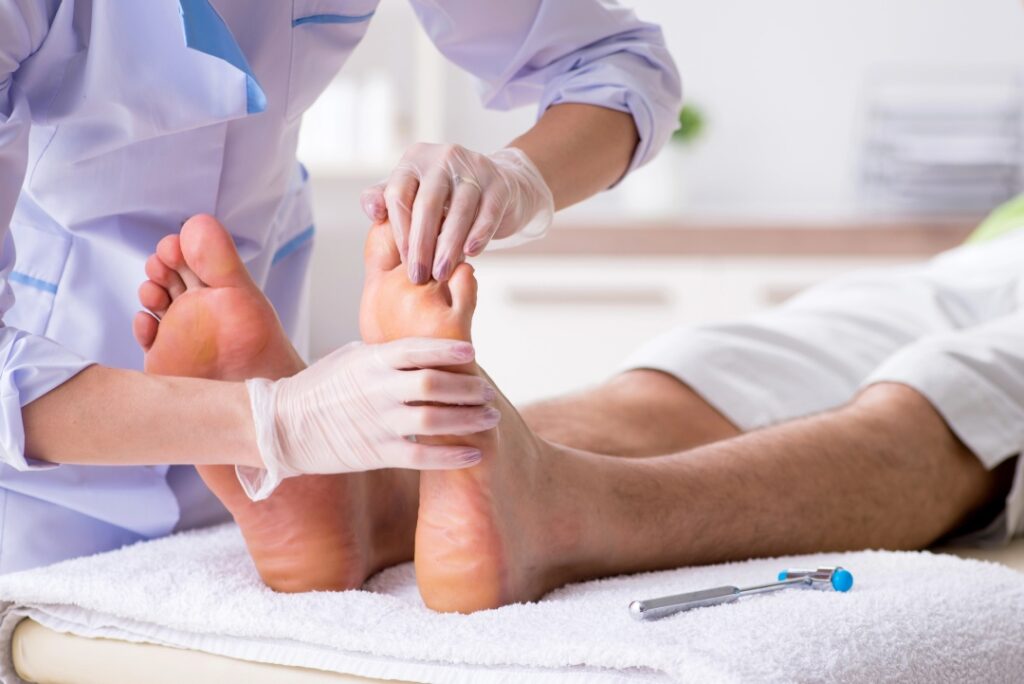
A thorough exam identifies tenderness, inflammation, and movement restrictions. Doctors observe your walking pattern, foot alignment, and pressure points.
Imaging Techniques (X-ray, MRI, Ultrasound)
X-rays reveal bone spurs or fractures, while MRIs show soft tissue damage like tendon tears. Ultrasound can detect inflammation or thickening in the plantar fascia.
Gait Analysis
How you walk can reveal hidden problems. Gait analysis identifies abnormal pressure points, alignment issues, and risk factors contributing to heel pain.
Effective Treatments for Heel Pain
Treatment depends on the underlying cause, and early intervention increases success rates.
Conservative Treatments: Rest, Ice, Orthotics
Rest and ice reduce inflammation. Supportive footwear and custom orthotics can correct biomechanical issues and prevent further stress. Physical therapy exercises stretch and strengthen the foot.
Medical Interventions: Injections, Medications
For persistent pain, cortisone injections or anti-inflammatory medications may help. Shockwave therapy is another modern approach to stimulate healing in chronic cases.
Surgical Options for Severe Cases
Surgery is usually a last resort, required only if conservative measures fail. Early treatment often eliminates the need for invasive procedures.

Preventing Heel Pain in Daily Life
Prevention is often easier than treatment. Small adjustments can keep your heels healthy for years.
Footwear Tips
Choose supportive shoes with cushioned soles and proper arch support. Avoid high heels or flat, unsupportive shoes for extended periods.
Stretching and Strengthening Exercises
Calf stretches, plantar fascia stretches, and foot-strengthening exercises improve flexibility and resilience. Even a few minutes daily can make a huge difference.
Lifestyle Adjustments
Maintain a healthy weight, avoid standing for long periods without breaks, and alternate between high-impact and low-impact activities to reduce stress on your heels.
When Heel Pain Becomes Chronic
Chronic heel pain is far more complex than occasional soreness.
Plantar Fasciitis and Other Chronic Issues
Untreated plantar fasciitis, tendonitis, or nerve entrapments can linger for months. Chronic inflammation thickens tissues, leading to persistent discomfort.
Long-Term Consequences if Untreated
Ignoring chronic heel pain can alter gait mechanics, leading to knee, hip, and back problems. It can also reduce activity levels, affecting overall fitness and quality of life.
Patient Stories: Real Experiences from Grantwood
Stories from real patients illustrate why early care matters.
Success Stories with Early Intervention
Jane, a local teacher, noticed heel pain after long days on her feet. She visited Vital Podiatry within a week. With conservative treatment, stretches, and custom orthotics, she was back to teaching and weekend walks in just three weeks.
Lessons Learned from Delay in Treatment
Mark ignored his heel pain for months, thinking it would go away. By the time he visited, he required a more intensive treatment plan, taking months to recover. His experience highlights how early attention saves time, pain, and frustration.
Vital Podiatry Foot and Ankle Specialist Serving the Grantwood Community and Beyond in Houston
Vital Podiatry Foot and Ankle Specialist is dedicated to serving the diverse needs of the local community of Houston, including individuals residing in neighborhoods like Grantwood. With its convenient location near landmarks such as the Russ Poppe Family Park and major intersections like Cypress Ln and Holly Ln (coordinates: 29.96889,-95.59667), we offer heel pain doctor Houston services.
Get Heel Pain Doctor Services at Grantwood Now
CALL US NOW!
(281) 937-4546
Navigate from Grantwood to Vital Podiatry Foot and Ankle Specialist Now
Don’t Wait, Act Early
Heel pain is your body’s warning system. Ignoring it can lead to chronic conditions, reduced mobility, and a lower quality of life. In Grantwood, Vital Podiatry Foot and Ankle Specialist offers early intervention, personalized care, and practical solutions to prevent long-term problems. Don’t wait—address heel pain now before it becomes a lifelong challenge.
FAQs
1: How quickly should I see a heel pain doctor?
If pain persists more than a few days or affects daily activities, schedule a visit immediately.
2: Can heel pain be treated without surgery?
Most cases respond well to conservative treatments like orthotics, stretching, and medication. Surgery is rarely needed if addressed early.
3: Are heel pain problems hereditary?
Genetics can influence foot structure, which may predispose someone to conditions like plantar fasciitis.
4: What can I do at home to relieve heel pain?
Rest, ice, gentle stretching, and supportive footwear help. But professional evaluation is recommended to prevent chronic issues.
5: How long does recovery take from heel pain treatments?
Recovery varies; early intervention usually leads to weeks, while chronic cases may take months.