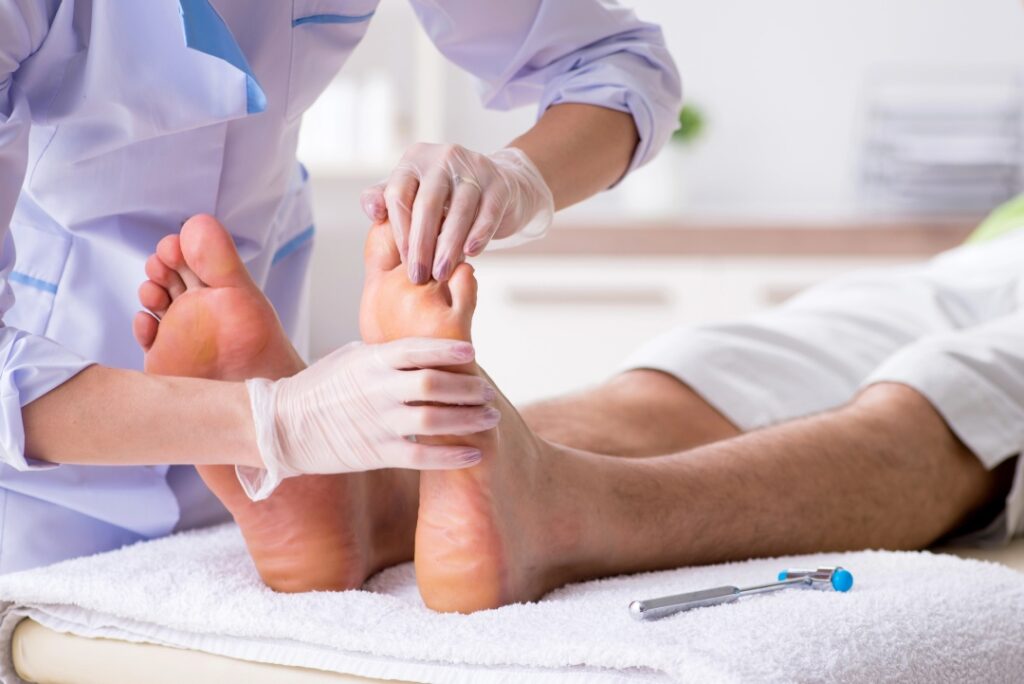
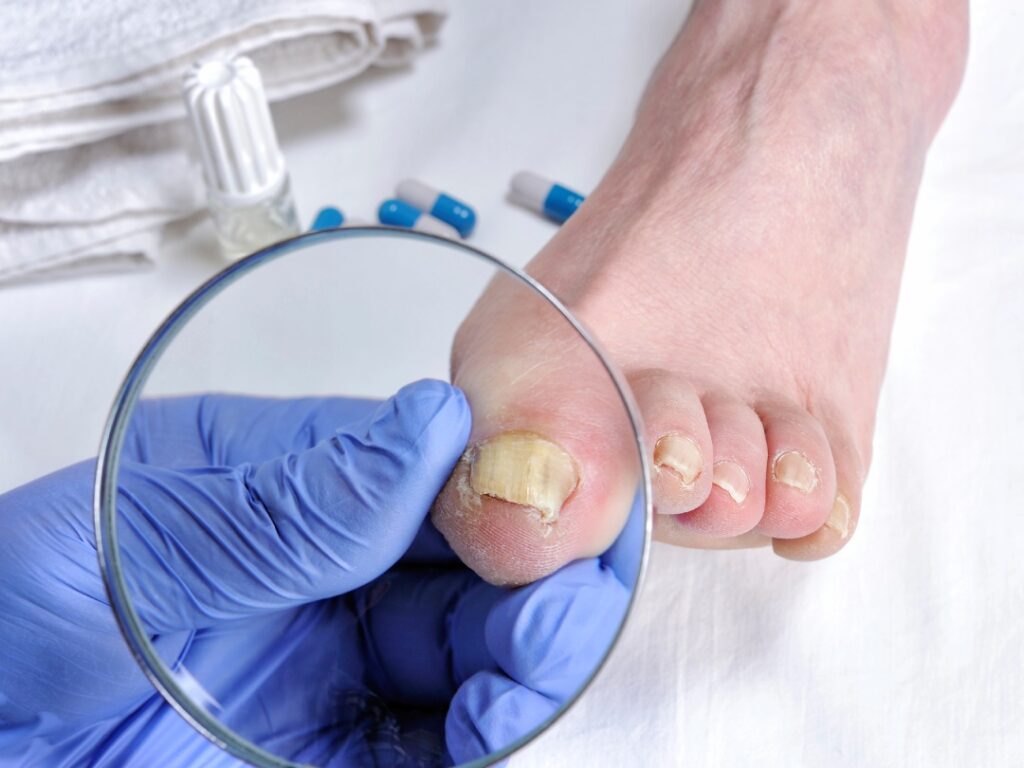
Wounds are an unfortunate part of life. From a simple paper cut to a stubborn foot ulcer, they can affect anyone at any time. While minor injuries might seem easy to manage at home, there are many situations where professional care is critical.
Knowing how often a wound should be professionally cleaned can make a huge difference in preventing infection, speeding up healing, and reducing long-term complications. For residents in Houston, Vital Podiatry Foot and Ankle Specialist offers expert care that ensures your wounds heal safely and effectively.
Understanding Wound Care
Wound care goes beyond simply applying a bandage. It involves assessing the wound, cleaning it properly, and monitoring its healing process. Every wound is unique, and understanding the type and severity of the injury is key to determining how often professional cleaning is necessary.
Types of Wounds
Acute Wounds
Acute wounds are sudden injuries that often heal within a predictable timeframe. Examples include cuts, scrapes, burns, or surgical incisions. While these wounds are generally straightforward, improper cleaning or neglect can quickly lead to infections or delayed healing. Acute wounds require immediate attention to ensure the injury does not worsen.
Chronic Wounds
Chronic wounds are slower to heal and often last for weeks or months. They can be caused by underlying conditions like diabetes, poor circulation, or pressure ulcers.
Chronic wounds are more complex and require frequent professional cleaning to prevent serious complications. Because these wounds resist natural healing processes, consistent monitoring by experts is crucial.
Why Professional Cleaning Matters
Professional wound cleaning is essential for preventing infection and ensuring proper healing. Even small wounds can become problematic if not managed correctly. While home care is important, professional cleaning offers expertise, sterile techniques, and access to advanced wound care tools.
Preventing Infection
Every open wound is a potential entry point for bacteria. If bacteria infiltrate a wound, it can cause infections that may spread to surrounding tissue or enter the bloodstream. Professional cleaning reduces this risk by thoroughly removing dirt, debris, and bacteria, while also identifying early signs of infection.
Promoting Faster Healing
Cleaning a wound professionally removes dead tissue and promotes optimal blood flow to the area. Healthy blood flow delivers oxygen and nutrients that are vital for repair. By maintaining a clean wound environment, professional care helps the body heal more efficiently, potentially reducing recovery time by days or weeks.
Signs a Wound Needs Professional Attention
Some wounds are obvious candidates for professional care, while others may seem minor but hide potential complications. Recognizing the warning signs early ensures you seek care promptly.
Redness, Swelling, and Pain
If a wound becomes increasingly red, swollen, or painful, it could signal inflammation or infection. Pain that worsens over time is another indication that professional cleaning is needed. Persistent inflammation is not normal and requires expert evaluation.
Pus or Unusual Discharge
Yellow, green, or foul-smelling discharge is a classic sign of infection. Pus formation indicates bacterial activity and requires immediate professional attention to prevent further complications.
Delayed Healing or Reopening
Wounds that fail to heal in the expected timeframe or that reopen easily are a warning that they are not healing properly. Chronic wounds or wounds in areas of high pressure, such as the feet, often need specialized cleaning and monitoring.
How Often Should a Wound Be Professionally Cleaned?
The frequency of professional cleaning depends on the type, location, and severity of the wound. Here’s a detailed breakdown:
Minor Cuts and Scrapes
Minor injuries like small cuts or abrasions may only require a single professional cleaning session. After this, consistent home care, including daily cleaning, proper dressing changes, and monitoring, is usually sufficient. If a minor wound shows signs of infection, additional professional visits may be necessary.
Surgical or Deep Wounds
Surgical wounds or deep lacerations require more frequent professional attention. These wounds often need cleaning every few days until fully healed. Regular monitoring allows the healthcare provider to manage infection risks and ensure sutures or stitches remain intact.
Chronic or Diabetic Wounds
Chronic wounds, especially diabetic foot ulcers, are high-risk and require frequent professional cleaning, sometimes multiple times per week. Patients with diabetes or circulation issues need expert care to prevent infections, avoid tissue damage, and encourage healing.
What Happens During a Professional Cleaning
Understanding the professional wound cleaning process helps you feel confident about treatment and ensures you follow home care instructions correctly.
Step-by-Step Process
- Assessment – The specialist examines the wound, checking depth, size, and signs of infection.
- Cleaning – The wound is irrigated with sterile solutions to remove dirt, bacteria, and debris.
- Debridement – Any dead or damaged tissue is carefully removed to promote healthy tissue growth.
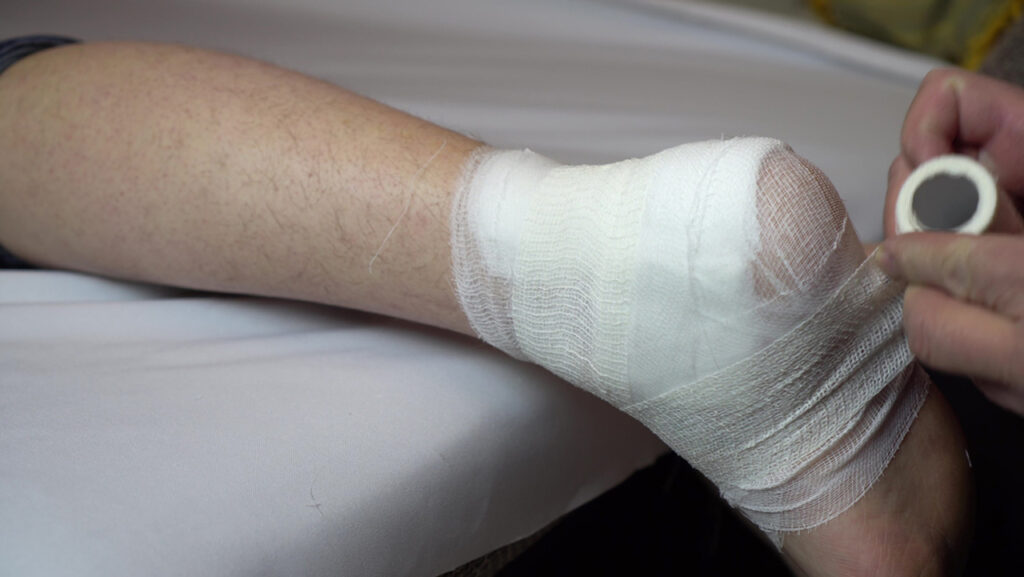
- Dressing – The wound is covered with a sterile dressing suitable for its type and location.
- Follow-Up Care – Instructions for home care and frequency of return visits are provided.
Tools and Techniques Used
Professional clinics use sterile instruments, advanced irrigation systems, and sometimes negative pressure therapy or wound vacs for chronic wounds. These techniques minimize infection risk and optimize the healing environment.
Home Care Between Professional Cleanings
Even with regular professional visits, daily home care plays a vital role in successful wound healing.
Daily Cleaning and Dressing Changes
Clean the wound gently using recommended solutions and change dressings as instructed. Avoid touching the wound with bare hands or exposing it to dirt and bacteria.
Monitoring for Infection
Watch for increased redness, swelling, or unusual discharge. Catching an infection early makes treatment faster and more effective.

Vital Podiatry Foot and Ankle Specialist: Lincoln Green South Wound Care Experts
Specialized care is especially critical for foot and ankle wounds, where circulation and pressure issues can complicate healing. Vital Podiatry Foot and Ankle Specialist in Houston provides comprehensive, personalized care for these types of wounds.
Specialized Services for Foot and Ankle Wounds
The clinic treats a wide range of wounds, including diabetic foot ulcers, surgical wounds, post-traumatic injuries, and pressure sores. Their team uses advanced wound care technologies to support faster, safer healing.
How They Personalize Care for Every Patient
Each patient receives a customized treatment plan based on wound type, overall health, and lifestyle. Personalization helps reduce healing time and prevents complications, ensuring the best possible outcome.
Risks of Ignoring Professional Wound Care
Neglecting professional wound care can lead to serious consequences, even for minor injuries.
Infection and Sepsis
Untreated wounds can become infected, potentially spreading bacteria into the bloodstream and causing sepsis, a life-threatening condition. Early professional intervention drastically lowers this risk.
Scarring and Complications
Improperly managed wounds may heal poorly, leaving large scars, limiting mobility, or developing into chronic wounds that require long-term care.
Tips for Faster Healing
You can accelerate wound healing by combining professional care with healthy habits and proper precautions.
Nutrition and Hydration
Eat a balanced diet rich in protein, vitamins, and minerals that support tissue repair. Staying hydrated also promotes healthy blood flow to the wound area.
Avoiding Pressure or Friction
Reduce stress on the wound area, especially for foot injuries. Wear protective footwear and avoid repeated friction that could reopen the wound.
Choosing the Right Wound Care Clinic
Not all clinics provide the same level of care. Selecting a clinic with skilled specialists and modern equipment can make a big difference in your recovery.
Reputation and Experience
Look for clinics with certified specialists and positive patient feedback. Experienced clinicians can identify complications early and apply the most effective treatments.
Advanced Techniques and Equipment
Clinics that use advanced wound care tools, such as negative pressure therapy, sterile irrigation systems, and specialized dressings, can reduce healing time and prevent infections.
Vital Podiatry Foot and Ankle Specialist Serving the Lincoln Green South Community and Beyond in Houston
Vital Podiatry Foot and Ankle Specialist is dedicated to serving the diverse needs of the local community of Houston, including individuals residing in neighborhoods like Lincoln Green South. With its convenient location near landmarks such as the Grace England Early Childhood & Pre-K Center and major intersections like Greenyard Dr & Threeawn Ct (coordinates: 29.93558,-95.49524), we offer wound care clinic Houston services.
Get Wound Care Clinic Services at Lincoln Green South Now
CALL US NOW!
(281) 937-4546
Navigate from Lincoln Green South to Vital Podiatry Foot and Ankle Specialist Now
Ensuring Optimal Wound Healing with Professional Care
Determining how often a wound should be professionally cleaned depends on its type, severity, and your overall health. Minor wounds may need occasional professional care, while chronic or complex wounds often require frequent cleaning and monitoring.
Combining professional treatment with proper home care, nutrition, and precautions helps wounds heal faster, reduces the risk of infection, and minimizes scarring. Houston residents can trust Vital Podiatry Foot and Ankle Specialist to provide personalized, high-quality wound care for every patient.
FAQs
1.Can I clean a deep wound at home instead of visiting a clinic?
Deep wounds require professional assessment and cleaning. Attempting to manage them at home increases infection risk and may delay healing.
2.How soon should a wound be professionally cleaned after an injury?
Minor wounds may be checked within 24–48 hours. Surgical or deep wounds often need immediate professional care.
3.How long does professional wound cleaning take?
Most sessions last 15–30 minutes, but chronic or complex wounds may require longer or multiple visits.
4.Can professional cleaning reduce scarring?
Yes. Proper cleaning and care minimize infection and promote healthier tissue repair, which can reduce visible scarring.
5.How do I choose the right wound care clinic in Houston?
Look for clinics with certified specialists, advanced equipment, positive patient reviews, and personalized care plans. Vital Podiatry Foot and Ankle Specialist excels in foot and ankle wound management.