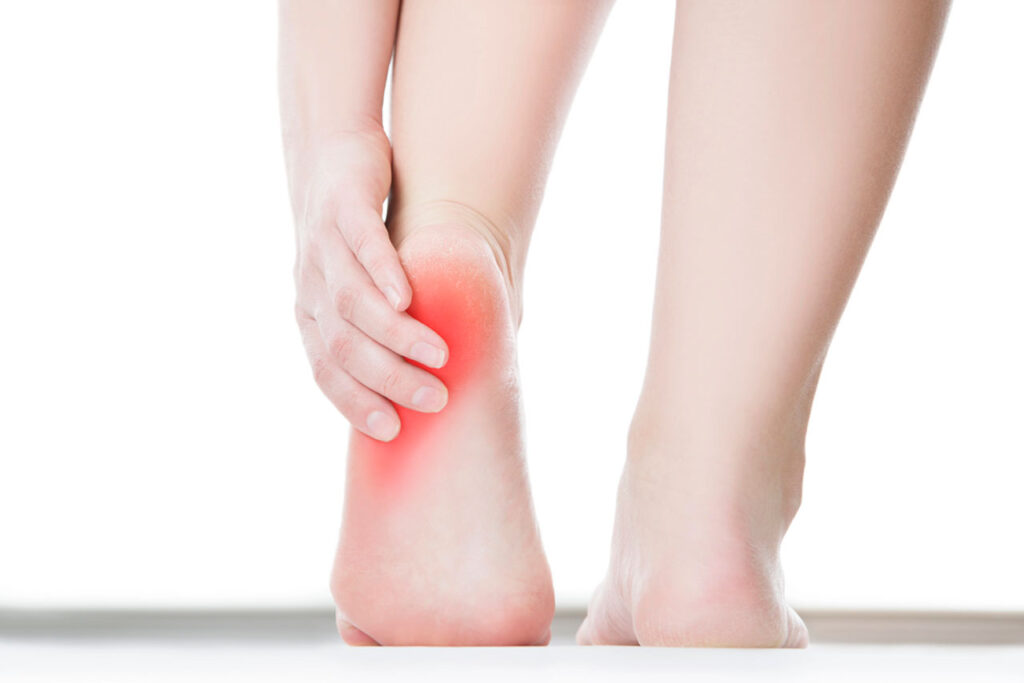
Heel pain often starts as a small ache but can become a part of daily life. You may notice it with your first steps in the morning, after standing at work, or while walking near Huffmeister Park. While rest, stretching, or new shoes may help temporarily, pain that lasts for months usually needs professional evaluation.
Long-term heel pain is commonly linked to plantar fasciitis, heel spurs, Achilles tendon irritation, tight calf muscles, poor arch support, or repeated pressure on the heel. Even if the pain comes and goes, the underlying problem may continue without proper treatment.
At Vital Podiatry Cypress Foot And Ankle Specialist, we help patients identify the cause of ongoing heel pain and create practical treatment plans designed to relieve discomfort and improve daily movement.
Why Heel Pain Can Last For Months
Heel pain often lasts because the tissue around the heel is still being strained every day. Walking, standing, climbing stairs, exercising, and wearing unsupportive shoes can keep the heel irritated.
One common cause is plantar fasciitis. This condition affects the thick band of tissue along the bottom of the foot. The plantar fascia supports the arch and absorbs pressure when you walk. When it becomes irritated, pain often develops near the bottom of the heel.
Heel pain may also come from:
- Heel spurs
- Achilles tendonitis
- Bursitis
- Flat feet
- High arches
- Nerve irritation
- Stress injuries
- Poor footwear
- Tight calf muscles
For people around Huffmeister Park, heel pain may become more noticeable during walks, outdoor activity, errands, or long periods on hard surfaces. Even normal daily movement can slow recovery when the foot is not supported correctly.
Common Signs That Heel Pain Needs Attention
Some heel pain improves with short-term rest. But pain that lasts several weeks or months should not be ignored.
You may need professional care if you have:
- Sharp pain under the heel
- Morning heel pain with your first steps
- Heel pain after walking near Huffmeister Park
- Pain that returns after sitting
- Swelling around the heel or ankle
- Burning, tingling, or numbness
- Pain that limits work, exercise, or errands
- Discomfort that has not improved with new shoes
A heel pain doctor Cypress patients can rely on can check whether the pain is caused by plantar fasciitis, heel spurs, tendon irritation, nerve pressure, or another foot and ankle condition.
The Turning Point: Finding The Real Cause
Heel pain is often caused by more than one issue at the same time. A patient may have plantar fasciitis, tight calves, poor arch support, and worn-out shoes, all contributing to the problem.
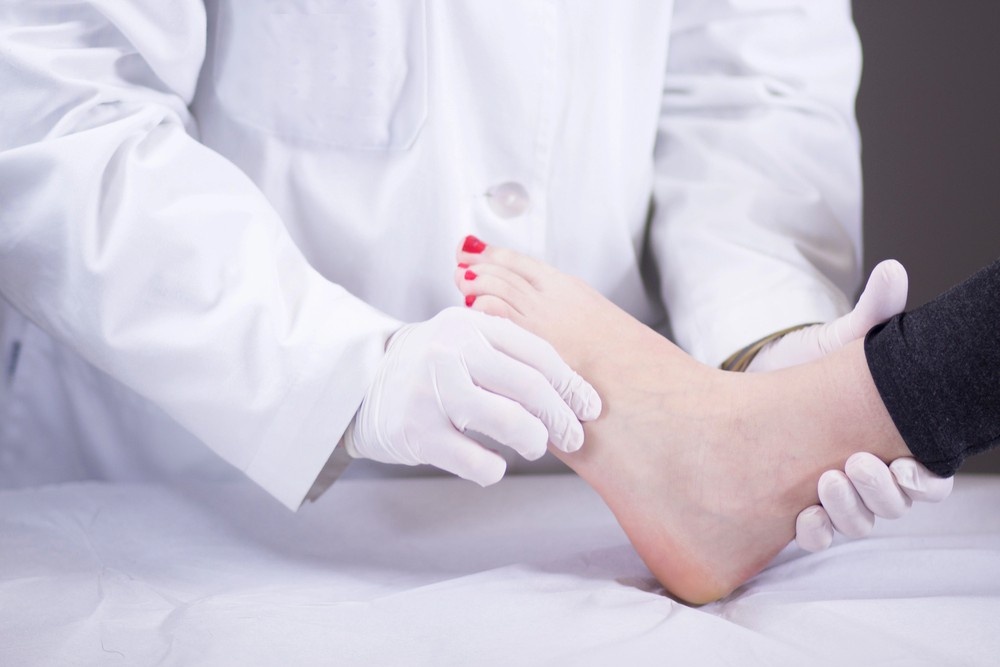
What a Podiatric Exam Looks For
A careful exam checks:
- Where the pain is located
- When it started
- What makes it worse
- How the foot moves while walking
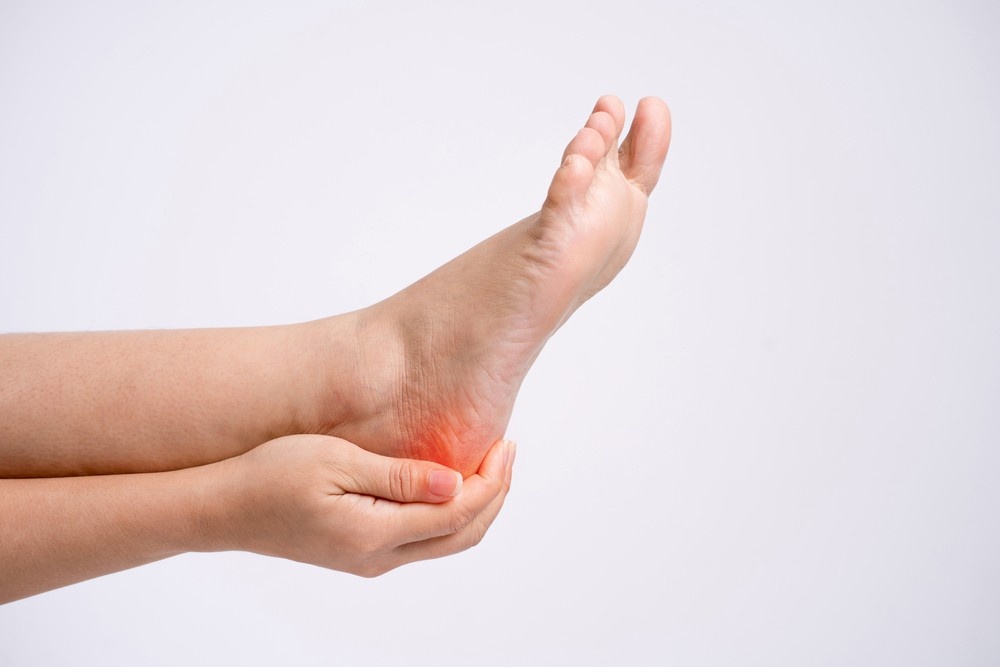
Common Pain Locations
- Under the heel: may suggest plantar fasciitis
- Behind the heel: may point to Achilles tendon irritation
- Along the side of the heel: may involve nerve pressure or shoe-related stress
At Vital Podiatry Cypress Foot and Ankle Specialist, the evaluation focuses on the full picture, including symptoms, activity level, footwear, foot structure, and daily routine. This helps create a treatment plan that targets the actual cause of the pain.
Why Rest Alone May Not Be Enough
Rest can reduce heel pressure, but it may not fix the cause of the pain. If the foot still moves in a way that strains the plantar fascia or Achilles tendon, pain often returns once activity increases.
Many people feel temporary relief, then experience the same pain after walking, standing, or exercising again. The foot may also need:
- Better support
- Stretching
- Inflammation control
- Proper footwear
- Custom orthotics
A better treatment plan focuses on both comfort and function, helping the foot handle daily pressure more effectively.
How Foot Mechanics Affect Heel Pain
Every step places pressure on the heel, arch, and ball of the foot. When the foot rolls inward too much, lacks flexibility, or has poor arch support, the heel absorbs extra stress.
- Flat feet can strain the plantar fascia.
- High arches can increase heel pressure.
- Tight calf muscles can pull on the heel and stress the Achilles tendon and the bottom of the foot.
Shoes also matter. Soft or unsupportive footwear, such as thin sandals, worn athletic shoes, flexible flats, and some work shoes, can make heel pain worse.
Treatment Options For Heel Pain
Treatment depends on the cause, severity, and length of symptoms. Many patients improve with conservative care when the plan is consistent and based on the diagnosis.
Supportive Footwear Guidance
Wear shoes that support the arch, cushion the heel, and provide stability. Walking, work, or athletic shoes should match your foot type, and worn-out shoes should be replaced to reduce repeated heel stress.
Stretching And Mobility Work
Regular calf and plantar fascia stretches help reduce tension on the heel. A simple routine includes calf stretches, foot stretches, and gentle mobility exercises performed consistently.
Orthotics And Arch Support
Shoe inserts or custom orthotics can improve pressure distribution across the foot. They are especially helpful for flat feet, high arches, poor alignment, or uneven weight-bearing.
Activity Changes
You usually don’t need to stop activity completely. Instead, reduce intensity, shorten walks, switch to lower-impact movement, wear better shoes, and limit time on hard surfaces. Even routines like walking near Huffmeister Park can continue with these adjustments to support healing.
Anti-Inflammatory Care
Inflammation can worsen heel pain. Anti-inflammatory options may be included in the plan depending on your health history and exam results.
Advanced Podiatric Care
If heel pain lasts for months or doesn’t improve with basic care, further podiatric treatments may be recommended based on the condition, pain level, and response to earlier steps.
Choose Comfort Again: Heel Pain Care Near Huffmeister Park
When heel pain lasts for months, you need more than general advice. You need a clear diagnosis and a treatment plan that fits your daily life.
Why Choose Vital Podiatry Cypress Foot and Ankle Specialist
Vital Podiatry Cypress Foot and Ankle Specialist provides care for heel pain, plantar fasciitis, heel spurs, Achilles tendon pain, arch problems, and other foot and ankle conditions.
Patients choose us because we take time to understand when pain happens, where the heel hurts, what shoes are worn, and how activity affects the foot. This helps us create practical, personalized care plans.
What Patients Can Expect
- Personalized Evaluation – Treatment plans are based on your condition, lifestyle, and goals.
- Clear Guidance – We explain possible causes and treatment options in a simple, understandable way.
- Practical Daily Care – Whether you stand at work, walk near Huffmeister Park, exercise, or manage a busy schedule, treatment should support your routine.
What Often Makes The Difference
Relief usually comes from combining the right diagnosis, proper support, and consistent care.
Helpful steps may include:
- Identifying the true cause of heel pain
- Wearing supportive shoes
- Reducing strain on the plantar fascia
- Proper calf and foot stretching
- Using orthotics if needed
- Managing inflammation
- Adjusting activity during recovery
- Following up if pain continues
Heel pain can improve, but guessing often delays recovery. A focused podiatric evaluation can help stop the cycle of temporary relief and recurring pain.
When To Schedule An Appointment
Consider an appointment if heel pain lasts more than a few weeks, keeps returning, or affects walking, standing, work, or exercise.
Seek care sooner if you have severe pain, cannot bear weight, or notice swelling, bruising, numbness, burning, or tingling.
A heel pain doctor Cypress residents trust can help determine whether symptoms are linked to plantar fasciitis, heel spurs, Achilles tendon problems, nerve irritation, or another foot and ankle condition.
Vital Podiatry Cypress Foot And Ankle Specialist Serving The Huffmeister Park Community And Beyond In Cypress
Vital Podiatry Cypress Foot And Ankle Specialist is dedicated to serving the diverse needs of the local community of Cypress, including individuals residing in neighborhoods like Huffmeister Park. With its convenient location near landmarks such as the Urban Air Trampoline and Adventure Park and major intersections like Huffmeister Rd and Hempstead Hwy (coordinates: 29.9258696, -95.62916320000001), we offer heel pain doctor Cypress services.
Get Heel Pain Doctor Services At Huffmeister Park Now
CALL US NOW!
(281) 937-4546
Navigate From Huffmeister Park To Vital Podiatry Cypress Foot and Ankle Specialist Now
Conclusion
Heel pain that lasts for months is not something you have to accept as normal. It may be related to plantar fasciitis, heel spurs, Achilles tendon irritation, poor foot mechanics, tight calf muscles, or unsupported footwear.
The difference often comes from understanding the cause and following a treatment plan that supports the foot during daily activity. If heel pain is limiting your walks near Huffmeister Park, your workday, or your normal routine, professional care can help you take the next step.
Vital Podiatry Cypress Foot And Ankle Specialist offers clear, patient-focused heel pain evaluation and treatment for people who want practical answers and more comfortable movement.
FAQs
1. Why Has My Heel Pain Lasted For Months?
Heel pain may last for months when the underlying cause has not been treated. Common reasons include plantar fasciitis, heel spurs, Achilles tendon irritation, tight calf muscles, poor arch support, or repeated pressure from walking and standing.
2. Is Plantar Fasciitis a Common Cause of Heel Pain?
Yes. Plantar fasciitis is a common cause of pain under the heel. It often causes sharp pain with the first steps in the morning or after sitting for a long time.
3. Can Walking Near Huffmeister Park Make Heel Pain Worse?
Walking can make heel pain worse if the plantar fascia, Achilles tendon, or heel tissue is already irritated. Supportive shoes, shorter walks, and proper treatment may help reduce symptoms.
4. Do I Need Orthotics For Heel Pain?
Not every patient needs orthotics, but they may help when heel pain is linked to flat feet, high arches, poor alignment, or uneven pressure through the foot.
5. When Should I See a Podiatrist For Heel Pain?
You should see a podiatrist if heel pain lasts more than a few weeks, keeps returning, limits walking, or does not improve with basic care. Severe pain, swelling, numbness, burning, or trouble bearing weight should be checked sooner.