What Is One Of The Most Common Disorders Of The Foot?

October 22, 2025

Our feet carry us through every step of life, yet they often receive the least attention. From walking to standing, running, or working long hours, our feet absorb tremendous stress every day. Over time, this constant pressure can lead to pain, inflammation, or chronic conditions that interfere with daily movement.

One of the most frequent complaints seen by podiatrists worldwide is heel pain and in most cases, the culprit is plantar fasciitis. This condition affects millions each year and is one of the most common disorders of the foot treated at Vital Podiatry Foot and Ankle Specialist.

Understanding what causes plantar fasciitis, how it presents, and the best ways to manage it can help individuals recognize the early signs and seek appropriate care before the pain becomes disabling.

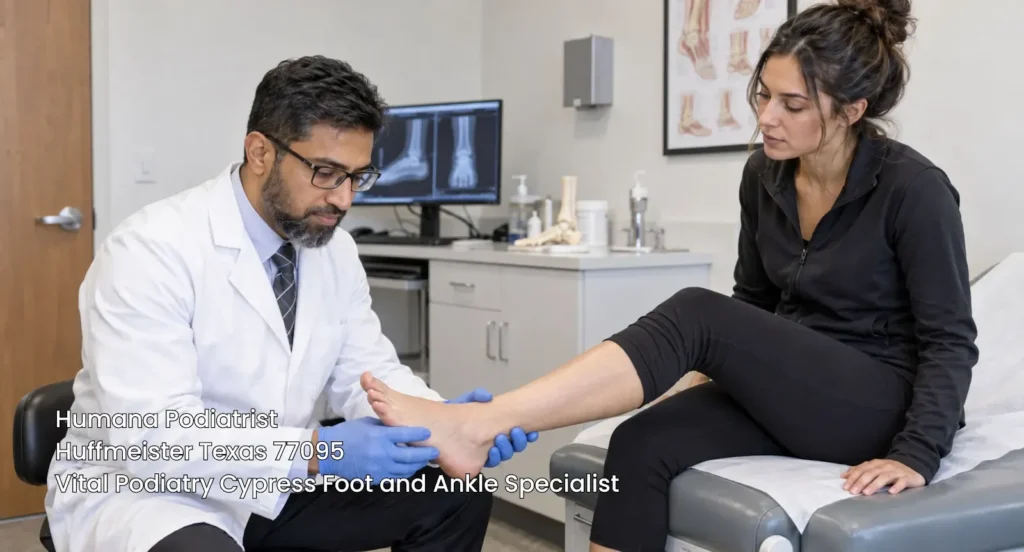
Foot specialist Houston treats heel pain and inflammation with expert care for plantar fasciitis and foot conditions.

What Is Plantar Fasciitis?

Plantar fasciitis is an inflammatory condition involving the plantar fascia — a thick, fibrous band of tissue that stretches from the heel bone (calcaneus) to the base of the toes. Its main function is to support the arch of the foot and absorb shock during movement.

When this tissue becomes overstretched or irritated, it develops small tears that trigger inflammation. The result is sharp, stabbing heel pain, especially noticeable when taking the first steps in the morning or after prolonged rest.

This discomfort often lessens as the day goes on but can worsen after long periods of standing or walking. Over time, chronic stress on the plantar fascia can make the condition more persistent, leading to ongoing discomfort that interferes with daily life.

How Common Is Plantar Fasciitis?

Plantar fasciitis is one of the most widespread causes of foot and heel pain. Studies estimate that around 2 million Americans are treated for the condition annually, and nearly 10% of the population will experience it at some point in their lifetime.

It is particularly prevalent among:

  • Middle-aged adults (ages 40–60) due to age-related loss of tissue elasticity.
  • Athletes, such as runners, dancers, and basketball players, who place repeated stress on their heels.
  • Workers in standing professions like teachers, nurses, or retail staff who spend hours on their feet daily.

The widespread nature of plantar fasciitis emphasizes the importance of early recognition and prevention. Even mild heel pain can be a warning sign of tissue strain that, if ignored, may progress to more chronic inflammation.

What Causes Plantar Fasciitis?

Plantar fasciitis typically develops due to repetitive strain and excessive pressure on the plantar fascia. However, multiple underlying factors can contribute to the onset of this common foot disorder.

1. Foot Structure and Biomechanics

Every foot shape is unique — and certain structures naturally increase stress on the fascia:

  • Flat feet (fallen arches) cause the plantar fascia to stretch excessively.
  • High arches create concentrated pressure on the heel and forefoot.
  • Abnormal walking patterns, such as overpronation (rolling the foot inward too much), strain the fascia over time.

These structural differences alter the natural shock absorption of the foot, forcing the fascia to work harder with each step.

2. Occupation and Activity Level

Those who spend most of their day walking, standing, or carrying heavy loads are more prone to plantar fasciitis. Occupations like warehouse work, healthcare, and hospitality often require extended periods on hard surfaces, which increases tension on the heel.

Athletes, particularly runners, may experience plantar fasciitis due to repetitive impact and inadequate rest between training sessions.

3. Footwear Choices

Improper footwear is one of the most underestimated causes of heel pain. Shoes that lack arch support or cushioning fail to absorb impact properly. Wearing worn-out sneakers, high heels, or flat sandals can worsen the condition by putting continuous stress on the plantar fascia.

4. Weight and Lifestyle

Excess body weight increases the load on the foot’s ligaments and tissues. Even a small increase in weight can create noticeable strain with each step. Additionally, a sedentary lifestyle weakens the supporting muscles in the foot and calf, making them less effective at distributing pressure.

5. Aging and Flexibility

With age, the fascia naturally loses elasticity. Tight calf muscles or Achilles tendons also pull on the heel, creating more tension. Without proper stretching and strengthening, this tightness can make the fascia more prone to microscopic tears.

Symptoms of Plantar Fasciitis

Recognizing symptoms early can make treatment much more effective. The hallmark sign is pain at the bottom of the heel, often described as sharp, stabbing, or burning.

Other symptoms include:

  • Morning heel pain: Discomfort when first standing after rest that improves slightly with movement.
  • Pain after activity: Pain may return after long walks or exercise sessions.
  • Tenderness and stiffness: Especially noticeable when flexing the toes upward.
  • Mild swelling: Around the arch or heel area.

In chronic cases, the pain may radiate along the arch or cause the person to unconsciously adjust their gait which can lead to knee, hip, or back problems over time.

How Is Plantar Fasciitis Diagnosed?

Diagnosis begins with a detailed physical examination. At Vital Podiatry Foot and Ankle Specialist, podiatrists assess:

  • Pain location: Pressing on specific areas of the heel to pinpoint the source.
  • Foot flexibility: Checking how the foot moves when flexed or extended.
  • Walking mechanics: Observing gait to detect imbalance or misalignment.

When the cause is unclear, imaging tests such as X-rays, ultrasound, or MRI scans help rule out related conditions like heel spurs, stress fractures, or tendon injuries.

Accurate diagnosis ensures treatment targets both the inflammation and any contributing biomechanical issues

Treatment Options for Plantar Fasciitis

Fortunately, most people recover from plantar fasciitis without surgery. The treatment approach focuses on reducing inflammation, relieving pain, and restoring proper foot function.

1. Rest and Ice Therapy

Temporary rest allows the fascia to heal. Applying ice packs for 15–20 minutes several times a day helps decrease swelling and soothe discomfort after long activity periods.

2. Proper Footwear and Orthotics

Switching to shoes with firm arch support, deep heel cups, and cushioning can dramatically improve symptoms. Custom-made orthotic inserts are often prescribed to distribute weight evenly and reduce pressure points.

3. Stretching and Strengthening Exercises

Consistent stretching is key to recovery. Some effective exercises include:

  • Calf stretches: Leaning against a wall with one foot behind the other to stretch the Achilles tendon.
  • Towel stretches: Looping a towel around the foot and pulling gently before standing up in the morning.
  • Foot rolling: Using a frozen water bottle or massage ball to relax the fascia.

These movements improve flexibility and prevent future strain.

4. Medications

Nonsteroidal anti-inflammatory drugs (NSAIDs) can relieve pain and inflammation when used correctly. However, they should complement, not replace, physical therapy and lifestyle changes.

5. Physical Therapy

A physical therapist may guide patients through specific routines to strengthen the lower leg and foot muscles, improve stability, and correct movement patterns that aggravate the fascia.

6. Night Splints

Wearing night splints keeps the foot flexed while sleeping, preventing the fascia from tightening overnight. This often reduces morning pain significantly.

7. Advanced Treatments

For chronic or severe cases, modern therapies such as shockwave therapy, platelet-rich plasma (PRP) injections, or corticosteroid injections may be recommended. These promote healing at the cellular level and reduce persistent inflammation.

When Is Surgery Necessary?

Surgery is considered only after six to twelve months of unsuccessful conservative treatment. The most common surgical procedure is plantar fascia release, where part of the ligament is cut to relieve tension.

While the success rate is high, it’s typically a last resort due to the recovery period required. At Vital Podiatry Foot and Ankle Specialist, the focus is always on non-invasive, evidence-based care first to help patients recover safely without surgery.

Foot specialist Houston uses red light therapy to reduce ankle pain and promote healing for foot-related injuries.

Preventing Plantar Fasciitis

Prevention is always easier than treatment. Here are simple steps to keep your feet healthy and strong:

  1. Choose supportive footwear: Look for shoes with proper arch support and cushioning for your activity level.
  2. Maintain flexibility: Regular stretching of the calves, ankles, and arches keeps tissues supple.
  3. Avoid sudden increases in activity: Gradually build up running distances or workout intensity.
  4. Maintain a healthy weight: Less body weight means less strain on the heel and arch.
  5. Replace old shoes: Footwear loses support over time most athletic shoes should be replaced every 300–500 miles.

A proactive approach not only helps prevent plantar fasciitis but also enhances overall comfort and mobility.

Other Common Foot Disorders to Watch Out For

While plantar fasciitis is the leading cause of heel pain, other conditions may also affect foot health:

  • Bunions: A misalignment of the big toe joint that forms a bony bump on the side of the foot.
  • Achilles tendonitis: Inflammation of the tendon connecting the calf to the heel, often due to overuse.
  • Flat feet: A lack of natural arch support leading to strain in the foot and leg muscles.
  • Morton’s neuroma: Nerve irritation between the toes that causes burning or tingling sensations.
  • Heel spurs: Calcium deposits that form near the heel bone, frequently seen alongside plantar fasciitis.

Recognizing the symptoms early allows for faster intervention and improved recovery outcomes.

When to See a Podiatrist

Persistent heel or arch pain lasting more than a few weeks should not be ignored. If home remedies aren’t helping or the pain worsens, professional evaluation is essential.

At Vital Podiatry Foot and Ankle Specialist, patients receive individualized care — from diagnosis to treatment and long-term prevention. Whether you’re an athlete, a working professional, or simply someone who enjoys being active, expert podiatric care can restore mobility and relieve discomfort effectively.

Why Vital Podiatry Foot and Ankle Specialist Is Rushwood’s Trusted Foot Care Expert 

Foot pain can make even the simplest tasks feel like a challenge whether it’s walking to your car, standing at work, or chasing your kids around the house. At Vital Podiatry Foot and Ankle Specialist, we understand how important it is to move without pain. That’s why we’re proud to be one of the most trusted foot specialists in Rushwood.

Our team focuses on restoring comfort, mobility, and confidence with personalized, advanced podiatric care. When your feet feel good, everything else follows and that’s exactly what we’re here to deliver.

Why Choose Vital Podiatry Foot and Ankle Specialist?

1. Comprehensive Care for Every Foot and Ankle Condition

From plantar fasciitis and bunions to heel pain, ingrown toenails, and diabetic foot issues, our specialists provide treatment for all types of foot and ankle conditions. We use advanced diagnostic tools and treatment techniques designed to relieve pain, promote healing, and prevent future problems.

2. Patient-Centered Approach

We don’t believe in one-size-fits-all care. Each patient receives a customized treatment plan tailored to their lifestyle, comfort level, and long-term health goals. Whether you’re an athlete, a busy professional, or someone managing a chronic condition, we take time to understand your specific needs.

3. Modern Techniques and Advanced Technology

Our Houston podiatry clinic is equipped with state-of-the-art diagnostic imaging and non-invasive treatment options. We stay updated with the latest medical innovations from orthotic therapy to regenerative procedures so you receive the most effective and comfortable care available today.

4. Convenient Location Near Rushwood

Located near Rushwood, we’re easily accessible to patients across northwest Houston and nearby communities. We designed our clinic with comfort and convenience in mind, ensuring short wait times, a welcoming environment, and a team that treats you like family.

5. Trusted, Experienced Specialists

Our foot specialists bring years of medical expertise and a deep understanding of foot and ankle health. We’ve helped countless Houston-area residents get back on their feet literally through precise diagnosis, compassionate care, and proven treatment plans.

Conditions We Treat

At Vital Podiatry Foot and Ankle Specialist, we diagnose and treat a wide range of conditions, including:

  • Plantar fasciitis (heel pain)
  • Bunions and hammertoes
  • Achilles tendonitis
  • Ankle sprains and instability
  • Flat feet and high arches
  • Neuromas and nerve pain
  • Diabetic foot complications
  • Toenail fungus and ingrown nails
  • Foot injuries and fractures

No matter how mild or severe your symptoms may seem, our experts take a careful, comprehensive approach to ensure you receive the right care from day one.

Your Feet Deserve Expert Attention

Ignoring foot or ankle pain can lead to worsening symptoms, mobility issues, and even chronic complications. Early intervention from a qualified foot specialist in Houston near Rushwood can make all the difference.

Our mission is simple to help you walk, run, and move with confidence again. Through expert care, advanced treatments, and genuine compassion, Vital Podiatry Foot and Ankle Specialist ensures your feet get the attention and healing they deserve.

Visit Vital Podiatry Foot and Ankle Specialist Today

If you’re experiencing foot discomfort, stiffness, or ongoing pain, don’t wait until it worsens. Let our trusted podiatry team help you take the first step toward relief.

Location: Conveniently located near Rushwood, serving Houston and nearby communities.
Hours: Flexible scheduling available for busy lifestyles.
Contact: Call us today to book your appointment and experience expert care that keeps you moving comfortably.

Step Confidently with Houston’s Leading Foot Specialists

Healthy feet are the foundation of an active life and at Vital Podiatry Foot and Ankle Specialist, we make that our priority. Whether you’re recovering from injury or dealing with chronic pain, our specialists are here to support every step of your journey.

Take the first step toward lasting relief schedule your visit today and see why patients across Houston and Rushwood trust Vital Podiatry Foot and Ankle Specialist for comprehensive, compassionate foot care.

Vital Podiatry Foot and Ankle Specialist Serving the Rushwood Community and Beyond in Houston

Vital Podiatry Foot and Ankle Specialist is dedicated to serving the diverse needs of the local community of Houston, including individuals residing in neighborhoods like Rushwood. With its convenient location near landmarks such as The Houston Northwest – Creados Para Mas and major intersections like Ridge Hollow Dr. and Adel Rd. (coordinates: 29.95113,-95.44956), we offer Foot specialist Houston services.

Get Foot Specialist Services At Rushwood Now

CALL US NOW!

(281) 937-4546

Navigate from Rushwood to Vital Podiatry Foot and Ankle Specialist Now

Conclusion: 

Plantar fasciitis may be one of the most common foot disorders, but it doesn’t have to slow you down. With early recognition, consistent care, and expert guidance, most people recover fully and return to pain-free movement.

If you’re dealing with heel pain or suspect plantar fasciitis, schedule a consultation with Vital Podiatry Foot and Ankle Specialist. Professional diagnosis and treatment can help you regain comfort, prevent recurrence, and keep your feet healthy for years to come.

FAQs

1. What is the most common disorder of the foot?

The most common foot disorder is plantar fasciitis, an inflammation of the thick band of tissue (plantar fascia) that connects your heel to your toes. It often causes sharp heel pain, especially when you first get out of bed or after long periods of standing. At Vital Podiatry Foot and Ankle Specialist, we provide advanced treatment options including custom orthotics, physical therapy, and non-invasive therapies to relieve pain and restore comfort.

2. What causes plantar fasciitis or heel pain?

Plantar fasciitis typically develops from overuse, improper footwear, or structural issues such as flat feet or high arches. Other contributing factors include prolonged standing, excessive running, obesity, and tight calf muscles. Our Houston podiatrists near Rushwood evaluate your gait, footwear, and activity level to identify the exact cause and create a customized treatment plan for long-term relief.

3. How is plantar fasciitis treated at Vital Podiatry Foot and Ankle Specialist?

Treatment often starts with non-surgical methods, such as rest, ice, stretching, and supportive footwear. We may also recommend orthotic inserts, night splints, or shockwave therapy to promote healing. For persistent pain, advanced treatments like platelet-rich plasma (PRP) therapy or injections may be used. Our goal is to relieve inflammation, improve mobility, and prevent recurrence without the need for surgery.

4. When should I see a foot specialist for heel or arch pain?

You should schedule a visit with a foot specialist in Houston if your pain lasts longer than two weeks, worsens after rest, or interferes with your daily activities. Early evaluation can prevent chronic damage and speed up recovery. At Vital Podiatry Foot and Ankle Specialist, we offer same-week appointments for patients near Rushwood who need prompt care for heel or foot discomfort.

5. How can I prevent plantar fasciitis and other common foot problems?

You can help prevent plantar fasciitis by wearing supportive shoes, stretching your calves regularly, maintaining a healthy weight, and replacing worn-out footwear. It’s also helpful to avoid walking barefoot on hard surfaces. Regular foot checkups at Vital Podiatry Foot and Ankle Specialist can catch small issues early before they lead to chronic pain or inflammation.

TAKE YOUR FIRST STEP

OR CALL US

(281) 937-4546

Related Post


Our feet carry us through every step of life, yet they often receive the least attention. From walking to standing, running, or working long hours, our feet absorb tremendous stress every day. Over time, this constant pressure can lead to pain, inflammation, or chronic conditions that interfere with daily movement.

One of the most frequent complaints seen by podiatrists worldwide is heel pain and in most cases, the culprit is plantar fasciitis. This condition affects millions each year and is one of the most common disorders of the foot treated at Vital Podiatry Foot and Ankle Specialist.

Understanding what causes plantar fasciitis, how it presents, and the best ways to manage it can help individuals recognize the early signs and seek appropriate care before the pain becomes disabling.

Foot specialist Houston treats heel pain and inflammation with expert care for plantar fasciitis and foot conditions.

What Is Plantar Fasciitis?

Plantar fasciitis is an inflammatory condition involving the plantar fascia — a thick, fibrous band of tissue that stretches from the heel bone (calcaneus) to the base of the toes. Its main function is to support the arch of the foot and absorb shock during movement.

When this tissue becomes overstretched or irritated, it develops small tears that trigger inflammation. The result is sharp, stabbing heel pain, especially noticeable when taking the first steps in the morning or after prolonged rest.

This discomfort often lessens as the day goes on but can worsen after long periods of standing or walking. Over time, chronic stress on the plantar fascia can make the condition more persistent, leading to ongoing discomfort that interferes with daily life.

How Common Is Plantar Fasciitis?

Plantar fasciitis is one of the most widespread causes of foot and heel pain. Studies estimate that around 2 million Americans are treated for the condition annually, and nearly 10% of the population will experience it at some point in their lifetime.

It is particularly prevalent among:

  • Middle-aged adults (ages 40–60) due to age-related loss of tissue elasticity.
  • Athletes, such as runners, dancers, and basketball players, who place repeated stress on their heels.
  • Workers in standing professions like teachers, nurses, or retail staff who spend hours on their feet daily.

The widespread nature of plantar fasciitis emphasizes the importance of early recognition and prevention. Even mild heel pain can be a warning sign of tissue strain that, if ignored, may progress to more chronic inflammation.

What Causes Plantar Fasciitis?

Plantar fasciitis typically develops due to repetitive strain and excessive pressure on the plantar fascia. However, multiple underlying factors can contribute to the onset of this common foot disorder.

1. Foot Structure and Biomechanics

Every foot shape is unique — and certain structures naturally increase stress on the fascia:

  • Flat feet (fallen arches) cause the plantar fascia to stretch excessively.
  • High arches create concentrated pressure on the heel and forefoot.
  • Abnormal walking patterns, such as overpronation (rolling the foot inward too much), strain the fascia over time.

These structural differences alter the natural shock absorption of the foot, forcing the fascia to work harder with each step.

2. Occupation and Activity Level

Those who spend most of their day walking, standing, or carrying heavy loads are more prone to plantar fasciitis. Occupations like warehouse work, healthcare, and hospitality often require extended periods on hard surfaces, which increases tension on the heel.

Athletes, particularly runners, may experience plantar fasciitis due to repetitive impact and inadequate rest between training sessions.

3. Footwear Choices

Improper footwear is one of the most underestimated causes of heel pain. Shoes that lack arch support or cushioning fail to absorb impact properly. Wearing worn-out sneakers, high heels, or flat sandals can worsen the condition by putting continuous stress on the plantar fascia.

4. Weight and Lifestyle

Excess body weight increases the load on the foot’s ligaments and tissues. Even a small increase in weight can create noticeable strain with each step. Additionally, a sedentary lifestyle weakens the supporting muscles in the foot and calf, making them less effective at distributing pressure.

5. Aging and Flexibility

With age, the fascia naturally loses elasticity. Tight calf muscles or Achilles tendons also pull on the heel, creating more tension. Without proper stretching and strengthening, this tightness can make the fascia more prone to microscopic tears.

Symptoms of Plantar Fasciitis

Recognizing symptoms early can make treatment much more effective. The hallmark sign is pain at the bottom of the heel, often described as sharp, stabbing, or burning.

Other symptoms include:

  • Morning heel pain: Discomfort when first standing after rest that improves slightly with movement.
  • Pain after activity: Pain may return after long walks or exercise sessions.
  • Tenderness and stiffness: Especially noticeable when flexing the toes upward.
  • Mild swelling: Around the arch or heel area.

In chronic cases, the pain may radiate along the arch or cause the person to unconsciously adjust their gait which can lead to knee, hip, or back problems over time.

How Is Plantar Fasciitis Diagnosed?

Diagnosis begins with a detailed physical examination. At Vital Podiatry Foot and Ankle Specialist, podiatrists assess:

  • Pain location: Pressing on specific areas of the heel to pinpoint the source.
  • Foot flexibility: Checking how the foot moves when flexed or extended.
  • Walking mechanics: Observing gait to detect imbalance or misalignment.

When the cause is unclear, imaging tests such as X-rays, ultrasound, or MRI scans help rule out related conditions like heel spurs, stress fractures, or tendon injuries.

Accurate diagnosis ensures treatment targets both the inflammation and any contributing biomechanical issues

Treatment Options for Plantar Fasciitis

Fortunately, most people recover from plantar fasciitis without surgery. The treatment approach focuses on reducing inflammation, relieving pain, and restoring proper foot function.

1. Rest and Ice Therapy

Temporary rest allows the fascia to heal. Applying ice packs for 15–20 minutes several times a day helps decrease swelling and soothe discomfort after long activity periods.

2. Proper Footwear and Orthotics

Switching to shoes with firm arch support, deep heel cups, and cushioning can dramatically improve symptoms. Custom-made orthotic inserts are often prescribed to distribute weight evenly and reduce pressure points.

3. Stretching and Strengthening Exercises

Consistent stretching is key to recovery. Some effective exercises include:

  • Calf stretches: Leaning against a wall with one foot behind the other to stretch the Achilles tendon.
  • Towel stretches: Looping a towel around the foot and pulling gently before standing up in the morning.
  • Foot rolling: Using a frozen water bottle or massage ball to relax the fascia.

These movements improve flexibility and prevent future strain.

4. Medications

Nonsteroidal anti-inflammatory drugs (NSAIDs) can relieve pain and inflammation when used correctly. However, they should complement, not replace, physical therapy and lifestyle changes.

5. Physical Therapy

A physical therapist may guide patients through specific routines to strengthen the lower leg and foot muscles, improve stability, and correct movement patterns that aggravate the fascia.

6. Night Splints

Wearing night splints keeps the foot flexed while sleeping, preventing the fascia from tightening overnight. This often reduces morning pain significantly.

7. Advanced Treatments

For chronic or severe cases, modern therapies such as shockwave therapy, platelet-rich plasma (PRP) injections, or corticosteroid injections may be recommended. These promote healing at the cellular level and reduce persistent inflammation.

When Is Surgery Necessary?

Surgery is considered only after six to twelve months of unsuccessful conservative treatment. The most common surgical procedure is plantar fascia release, where part of the ligament is cut to relieve tension.

While the success rate is high, it’s typically a last resort due to the recovery period required. At Vital Podiatry Foot and Ankle Specialist, the focus is always on non-invasive, evidence-based care first to help patients recover safely without surgery.

Foot specialist Houston uses red light therapy to reduce ankle pain and promote healing for foot-related injuries.

Preventing Plantar Fasciitis

Prevention is always easier than treatment. Here are simple steps to keep your feet healthy and strong:

  1. Choose supportive footwear: Look for shoes with proper arch support and cushioning for your activity level.
  2. Maintain flexibility: Regular stretching of the calves, ankles, and arches keeps tissues supple.
  3. Avoid sudden increases in activity: Gradually build up running distances or workout intensity.
  4. Maintain a healthy weight: Less body weight means less strain on the heel and arch.
  5. Replace old shoes: Footwear loses support over time most athletic shoes should be replaced every 300–500 miles.

A proactive approach not only helps prevent plantar fasciitis but also enhances overall comfort and mobility.

Other Common Foot Disorders to Watch Out For

While plantar fasciitis is the leading cause of heel pain, other conditions may also affect foot health:

  • Bunions: A misalignment of the big toe joint that forms a bony bump on the side of the foot.
  • Achilles tendonitis: Inflammation of the tendon connecting the calf to the heel, often due to overuse.
  • Flat feet: A lack of natural arch support leading to strain in the foot and leg muscles.
  • Morton’s neuroma: Nerve irritation between the toes that causes burning or tingling sensations.
  • Heel spurs: Calcium deposits that form near the heel bone, frequently seen alongside plantar fasciitis.

Recognizing the symptoms early allows for faster intervention and improved recovery outcomes.

When to See a Podiatrist

Persistent heel or arch pain lasting more than a few weeks should not be ignored. If home remedies aren’t helping or the pain worsens, professional evaluation is essential.

At Vital Podiatry Foot and Ankle Specialist, patients receive individualized care — from diagnosis to treatment and long-term prevention. Whether you’re an athlete, a working professional, or simply someone who enjoys being active, expert podiatric care can restore mobility and relieve discomfort effectively.

Why Vital Podiatry Foot and Ankle Specialist Is Rushwood’s Trusted Foot Care Expert 

Foot pain can make even the simplest tasks feel like a challenge whether it’s walking to your car, standing at work, or chasing your kids around the house. At Vital Podiatry Foot and Ankle Specialist, we understand how important it is to move without pain. That’s why we’re proud to be one of the most trusted foot specialists in Rushwood.

Our team focuses on restoring comfort, mobility, and confidence with personalized, advanced podiatric care. When your feet feel good, everything else follows and that’s exactly what we’re here to deliver.

Why Choose Vital Podiatry Foot and Ankle Specialist?

1. Comprehensive Care for Every Foot and Ankle Condition

From plantar fasciitis and bunions to heel pain, ingrown toenails, and diabetic foot issues, our specialists provide treatment for all types of foot and ankle conditions. We use advanced diagnostic tools and treatment techniques designed to relieve pain, promote healing, and prevent future problems.

2. Patient-Centered Approach

We don’t believe in one-size-fits-all care. Each patient receives a customized treatment plan tailored to their lifestyle, comfort level, and long-term health goals. Whether you’re an athlete, a busy professional, or someone managing a chronic condition, we take time to understand your specific needs.

3. Modern Techniques and Advanced Technology

Our Houston podiatry clinic is equipped with state-of-the-art diagnostic imaging and non-invasive treatment options. We stay updated with the latest medical innovations from orthotic therapy to regenerative procedures so you receive the most effective and comfortable care available today.

4. Convenient Location Near Rushwood

Located near Rushwood, we’re easily accessible to patients across northwest Houston and nearby communities. We designed our clinic with comfort and convenience in mind, ensuring short wait times, a welcoming environment, and a team that treats you like family.

5. Trusted, Experienced Specialists

Our foot specialists bring years of medical expertise and a deep understanding of foot and ankle health. We’ve helped countless Houston-area residents get back on their feet literally through precise diagnosis, compassionate care, and proven treatment plans.

Conditions We Treat

At Vital Podiatry Foot and Ankle Specialist, we diagnose and treat a wide range of conditions, including:

  • Plantar fasciitis (heel pain)
  • Bunions and hammertoes
  • Achilles tendonitis
  • Ankle sprains and instability
  • Flat feet and high arches
  • Neuromas and nerve pain
  • Diabetic foot complications
  • Toenail fungus and ingrown nails
  • Foot injuries and fractures

No matter how mild or severe your symptoms may seem, our experts take a careful, comprehensive approach to ensure you receive the right care from day one.

Your Feet Deserve Expert Attention

Ignoring foot or ankle pain can lead to worsening symptoms, mobility issues, and even chronic complications. Early intervention from a qualified foot specialist in Houston near Rushwood can make all the difference.

Our mission is simple to help you walk, run, and move with confidence again. Through expert care, advanced treatments, and genuine compassion, Vital Podiatry Foot and Ankle Specialist ensures your feet get the attention and healing they deserve.

Visit Vital Podiatry Foot and Ankle Specialist Today

If you’re experiencing foot discomfort, stiffness, or ongoing pain, don’t wait until it worsens. Let our trusted podiatry team help you take the first step toward relief.

Location: Conveniently located near Rushwood, serving Houston and nearby communities.
Hours: Flexible scheduling available for busy lifestyles.
Contact: Call us today to book your appointment and experience expert care that keeps you moving comfortably.

Step Confidently with Houston’s Leading Foot Specialists

Healthy feet are the foundation of an active life and at Vital Podiatry Foot and Ankle Specialist, we make that our priority. Whether you’re recovering from injury or dealing with chronic pain, our specialists are here to support every step of your journey.

Take the first step toward lasting relief schedule your visit today and see why patients across Houston and Rushwood trust Vital Podiatry Foot and Ankle Specialist for comprehensive, compassionate foot care.

Vital Podiatry Foot and Ankle Specialist Serving the Rushwood Community and Beyond in Houston

Vital Podiatry Foot and Ankle Specialist is dedicated to serving the diverse needs of the local community of Houston, including individuals residing in neighborhoods like Rushwood. With its convenient location near landmarks such as The Houston Northwest – Creados Para Mas and major intersections like Ridge Hollow Dr. and Adel Rd. (coordinates: 29.95113,-95.44956), we offer Foot specialist Houston services.

Get Foot Specialist Services At Rushwood Now

CALL US NOW!

(281) 937-4546

Navigate from Rushwood to Vital Podiatry Foot and Ankle Specialist Now

Conclusion: 

Plantar fasciitis may be one of the most common foot disorders, but it doesn’t have to slow you down. With early recognition, consistent care, and expert guidance, most people recover fully and return to pain-free movement.

If you’re dealing with heel pain or suspect plantar fasciitis, schedule a consultation with Vital Podiatry Foot and Ankle Specialist. Professional diagnosis and treatment can help you regain comfort, prevent recurrence, and keep your feet healthy for years to come.

FAQs

1. What is the most common disorder of the foot?

The most common foot disorder is plantar fasciitis, an inflammation of the thick band of tissue (plantar fascia) that connects your heel to your toes. It often causes sharp heel pain, especially when you first get out of bed or after long periods of standing. At Vital Podiatry Foot and Ankle Specialist, we provide advanced treatment options including custom orthotics, physical therapy, and non-invasive therapies to relieve pain and restore comfort.

2. What causes plantar fasciitis or heel pain?

Plantar fasciitis typically develops from overuse, improper footwear, or structural issues such as flat feet or high arches. Other contributing factors include prolonged standing, excessive running, obesity, and tight calf muscles. Our Houston podiatrists near Rushwood evaluate your gait, footwear, and activity level to identify the exact cause and create a customized treatment plan for long-term relief.

3. How is plantar fasciitis treated at Vital Podiatry Foot and Ankle Specialist?

Treatment often starts with non-surgical methods, such as rest, ice, stretching, and supportive footwear. We may also recommend orthotic inserts, night splints, or shockwave therapy to promote healing. For persistent pain, advanced treatments like platelet-rich plasma (PRP) therapy or injections may be used. Our goal is to relieve inflammation, improve mobility, and prevent recurrence without the need for surgery.

4. When should I see a foot specialist for heel or arch pain?

You should schedule a visit with a foot specialist in Houston if your pain lasts longer than two weeks, worsens after rest, or interferes with your daily activities. Early evaluation can prevent chronic damage and speed up recovery. At Vital Podiatry Foot and Ankle Specialist, we offer same-week appointments for patients near Rushwood who need prompt care for heel or foot discomfort.

5. How can I prevent plantar fasciitis and other common foot problems?

You can help prevent plantar fasciitis by wearing supportive shoes, stretching your calves regularly, maintaining a healthy weight, and replacing worn-out footwear. It’s also helpful to avoid walking barefoot on hard surfaces. Regular foot checkups at Vital Podiatry Foot and Ankle Specialist can catch small issues early before they lead to chronic pain or inflammation.