Struggling with Persistent Heel Pain? Understand Why It Comes Back After Treatment. Huffmeister Park

May 20, 2026

Heel pain has a frustrating habit of disappearing for a while, only to return just when you thought you were done with it. If you’ve gone through treatment — rest, stretching, orthotics, maybe even a round of physical therapy — and still find yourself wincing with every morning step, you’re not alone. 

Many people in and around the Huffmeister Park community deal with recurring heel pain that simply won’t go away. Understanding why heel pain comes back is the first step toward stopping the cycle for good.

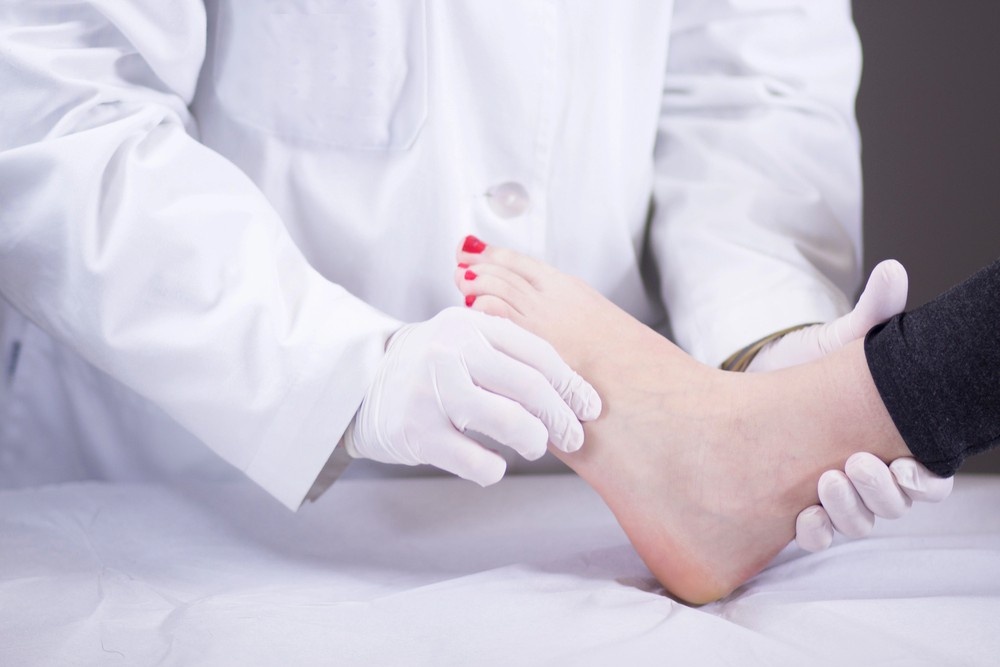
A detailed examination of a patient's sore heel by an expert heel pain doctor Cypress in a medical office.

What Is Heel Pain, and Why Is It So Common?

Heel pain is one of the most frequently seen foot complaints in podiatric care. It can show up as a sharp, stabbing sensation near the bottom of the heel, a dull ache along the back of the foot, or a burning feeling that gets worse after periods of rest.

The most frequent cause is plantar fasciitis — inflammation of the plantar fascia, a thick band of tissue that runs along the bottom of your foot from your heel bone (calcaneus) to your toes. Other common causes include:

  • Heel Spurs — bony growths that develop on the calcaneus over time
  • Achilles Tendinitis — inflammation where the Achilles tendon attaches to the back of the heel
  • Bursitis — irritation of the fluid-filled sac cushioning the heel bone
  • Tarsal Tunnel Syndrome — compression of the tibial nerve as it passes through the foot
  • Stress Fractures — tiny cracks in the heel bone caused by repetitive impact

Each of these conditions responds differently to treatment, which is a big part of why a generic approach so often falls short.

Why Does Heel Pain Keep Coming Back After Treatment?

This is the question most patients ask after their second or third flare-up. The answer usually comes down to a few consistent patterns that are easy to overlook.

The Root Cause Was Never Fully Identified

Many people treat the symptom — the pain — without ever addressing what’s actually causing the tissue damage. Plantar fasciitis, for example, is often triggered by biomechanical problems like flat feet, high arches, overpronation (rolling inward when walking), or leg length differences. If treatment stops at pain relief and skips a full biomechanical assessment, those same stress patterns continue loading the heel, and the tissue never truly heals.

Treatment Stopped Too Early

Feeling better is not the same as being healed. The plantar fascia and surrounding soft tissues need adequate time to fully recover and rebuild strength. 

Many patients ease up on their exercises, stop wearing their orthotics, or return to high-impact activity too quickly — and the pain rebounds within weeks. Completing the full course of treatment, even when symptoms improve, is a key part of lasting recovery.

Footwear Choices Were Not Changed

Worn-out shoes, unsupportive flats, or footwear that doesn’t match your foot type can undo weeks of progress. The heel needs proper cushioning and arch support throughout the entire day, not just during exercise. Even walking barefoot on hard floors at home for short periods can be enough to re-inflame recovering tissue.

Underlying Health Conditions Are Being Missed

Conditions like obesity, diabetes, rheumatoid arthritis, and gout can all make heel pain more likely to persist. These systemic issues change how tissue heals and how inflammation behaves in the foot. Without managing these alongside structural causes, recovery often stays incomplete — no matter how many times treatment is tried.

The Wrong Treatment Was Applied

Not all heel pain is plantar fasciitis. Treating Achilles tendinitis the same way as plantar fasciitis, or missing a stress fracture because no imaging was ordered, leads to treatments that simply don’t match the problem. Accurate diagnosis is the foundation of any lasting relief.

What a Proper Heel Pain Evaluation Should Include

If your heel pain keeps returning, it’s worth asking whether your previous evaluation was thorough enough. A complete assessment should cover all of the following:

  • Detailed Health and Activity History — when the pain started, what makes it better or worse, your daily activity level, and your footwear habits
  • Physical Examination — checking range of motion in the ankle, the alignment of the foot and lower leg, and pinpointing precise areas of tenderness
  • Gait Analysis — observing how you walk and stand to identify biomechanical problems that may be contributing to the condition
  • Imaging When Appropriate — X-rays to check for heel spurs or stress fractures; diagnostic ultrasound to assess soft tissue health in real time
  • Review of Prior Treatments — understanding what has been tried before and why it may not have produced lasting results

When all of these pieces come together, patterns emerge that make it much easier to build a treatment plan that actually holds.
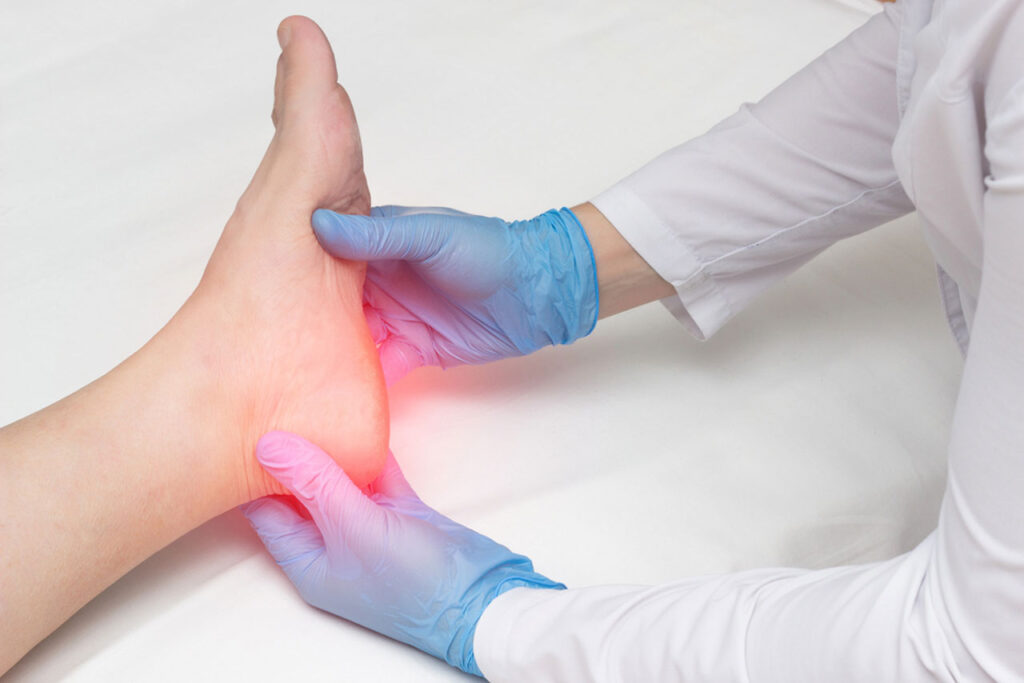
Hands with blue gloves perform a physical exam on a patient's sore heel by a leading heel pain doctor Cypress.

Treatment Options That Go Beyond Basic Rest

Modern podiatric care for persistent heel pain has come a long way. Depending on what’s driving your symptoms, a well-rounded treatment plan may include one or more of the following approaches.

Custom Orthotics

Unlike over-the-counter insoles, custom orthotics are molded to the exact shape of your foot. They correct the specific mechanical problems — whether that’s overpronation, poor arch support, or uneven pressure distribution — that keep stressing the plantar fascia or Achilles tendon over time.

Physical Therapy and Targeted Stretching

Stretching the calf muscles, Achilles tendon, and plantar fascia is one of the most effective long-term strategies for heel pain. A structured stretching program, especially first thing in the morning before taking any steps, significantly reduces the mechanical load placed on the heel throughout the day.

Shockwave Therapy (ESWT)

Extracorporeal shockwave therapy uses acoustic waves to stimulate blood flow and promote tissue repair in chronic heel conditions. It’s a non-surgical option with strong clinical evidence for patients who haven’t responded to more conservative care and don’t want to consider surgery.

Corticosteroid Injections

In cases involving significant inflammation, a targeted corticosteroid injection into the affected area can provide meaningful short-term relief. This is typically used alongside structural corrections rather than as a standalone solution.

Night Splints

Night splints keep the plantar fascia in a gently stretched position while you sleep, reducing the sharp “first step” pain that many heel pain sufferers experience each morning when they get out of bed.

Minimally Invasive Procedures

For cases that don’t respond to conservative treatment, options like ultrasound-guided needle tenotomy or platelet-rich plasma (PRP) injections can promote healing in damaged tissue without requiring open surgery.

Why Choose Vital Podiatry Cypress Foot and Ankle Specialist?

At Vital Podiatry Cypress Foot and Ankle Specialist, we understand that heel pain isn’t just an inconvenience — it changes how you move, how you work, and how you live. Patients from the Huffmeister Park area and across Cypress trust our practice because we take recurring heel pain seriously and approach every case with a thorough, individualized evaluation.

Here’s what sets our practice apart:

  • Comprehensive Diagnostics — We don’t guess. We use in-office imaging, gait analysis, and detailed physical examinations to find the actual source of your pain before recommending any treatment.
  • Personalized Treatment Plans — Your care plan is built around your specific foot mechanics, lifestyle, and goals — not a generic protocol designed for the average patient.
  • Advanced, Evidence-Based Treatments — From custom orthotics to shockwave therapy to minimally invasive procedures, we offer the full range of modern podiatric care under one roof.
  • Continuity of Care — We follow your progress over time to make sure your recovery holds, and we adjust your plan as needed along the way.
  • A Practice That Listens — Many of our patients have been through treatment before. We take that history seriously and work to understand why previous approaches didn’t deliver lasting results.

Whether you’re dealing with plantar fasciitis, heel spurs, Achilles problems, or another source of chronic heel discomfort, our team is here to help you find relief that lasts — not just temporary comfort that fades after a few weeks.

If you’re searching for a trusted heel pain doctor Cypress patients rely on for real, lasting results, Vital Podiatry Cypress Foot and Ankle Specialist is ready to help you take that next step — confidently and without pain.

Vital Podiatry Cypress Foot And Ankle Specialist Serving The Huffmeister Park Community And Beyond In Cypress

 Vital Podiatry Cypress Foot And Ankle Specialist is dedicated to serving the diverse needs of the local community of Cypress, including individuals residing in neighborhoods like Huffmeister Park. With its convenient location near landmarks such as the Urban Air Trampoline and Adventure Park and major intersections like Huffmeister Rd and Hempstead Hwy (coordinates: 29.9258696, -95.62916320000001), we offer heel pain doctor Cypress services.

Get Heel Pain Doctor Services At Huffmeister Park Now

CALL US NOW!

(281) 937-4546

Navigate From Huffmeister Park To Vital Podiatry Cypress Foot and Ankle Specialist Now

Conclusion

Recurring heel pain is rarely about bad luck. In most cases, it comes back because the underlying cause was never fully identified, treatment ended too soon, or contributing factors like footwear and foot mechanics were never properly addressed. The good news is that with the right diagnostic approach and a plan built around your specific needs, persistent heel pain can be resolved — not just managed from flare-up to flare-up.

If you live near Huffmeister Park and you’re tired of the cycle of temporary relief followed by the same familiar pain, it’s time to get a thorough evaluation from a team that takes the whole picture into account. At Vital Podiatry Cypress Foot and Ankle Specialist, we’re committed to getting to the root of the problem — and keeping you on your feet.

Don’t wait for another flare-up. Schedule your appointment today.

FAQs

1.) Why Does My Heel Hurt Most in the Morning When I First Get Out of Bed?

This is a common sign of plantar fasciitis. The tissue tightens overnight and gets suddenly stretched when you step down. That first step causes sharp pain in the heel.

2.) Can Heel Pain Go Away on Its Own Without Treatment?

Mild cases may improve with rest, but many return without proper treatment. Ignoring it can make the condition worse over time. Early care usually leads to faster recovery.

3.) How Do I Know If I Have Plantar Fasciitis or a Heel Spur?

 Plantar fasciitis is soft tissue inflammation, while a heel spur is a bone growth. They often occur together but don’t always cause the same pain. A podiatrist can confirm with an exam or imaging.

4.) Are Custom Orthotics Really Necessary, or Can I Just Use Store-Bought Insoles?

 Store-bought insoles offer basic support but are not customized. Custom orthotics are designed for your foot structure and movement. They usually provide better long-term relief for recurring pain.

5.) How Long Does It Typically Take for Heel Pain to Fully Resolve?

Mild cases may improve in 6–8 weeks with early treatment. More chronic cases can take several months. Consistent care is key to full recovery.

TAKE YOUR FIRST STEP

OR CALL US

(281) 937-4546

Related Post


Heel pain has a frustrating habit of disappearing for a while, only to return just when you thought you were done with it. If you’ve gone through treatment — rest, stretching, orthotics, maybe even a round of physical therapy — and still find yourself wincing with every morning step, you’re not alone. 

Many people in and around the Huffmeister Park community deal with recurring heel pain that simply won’t go away. Understanding why heel pain comes back is the first step toward stopping the cycle for good.

A detailed examination of a patient's sore heel by an expert heel pain doctor Cypress in a medical office.

What Is Heel Pain, and Why Is It So Common?

Heel pain is one of the most frequently seen foot complaints in podiatric care. It can show up as a sharp, stabbing sensation near the bottom of the heel, a dull ache along the back of the foot, or a burning feeling that gets worse after periods of rest.

The most frequent cause is plantar fasciitis — inflammation of the plantar fascia, a thick band of tissue that runs along the bottom of your foot from your heel bone (calcaneus) to your toes. Other common causes include:

  • Heel Spurs — bony growths that develop on the calcaneus over time
  • Achilles Tendinitis — inflammation where the Achilles tendon attaches to the back of the heel
  • Bursitis — irritation of the fluid-filled sac cushioning the heel bone
  • Tarsal Tunnel Syndrome — compression of the tibial nerve as it passes through the foot
  • Stress Fractures — tiny cracks in the heel bone caused by repetitive impact

Each of these conditions responds differently to treatment, which is a big part of why a generic approach so often falls short.

Why Does Heel Pain Keep Coming Back After Treatment?

This is the question most patients ask after their second or third flare-up. The answer usually comes down to a few consistent patterns that are easy to overlook.

The Root Cause Was Never Fully Identified

Many people treat the symptom — the pain — without ever addressing what’s actually causing the tissue damage. Plantar fasciitis, for example, is often triggered by biomechanical problems like flat feet, high arches, overpronation (rolling inward when walking), or leg length differences. If treatment stops at pain relief and skips a full biomechanical assessment, those same stress patterns continue loading the heel, and the tissue never truly heals.

Treatment Stopped Too Early

Feeling better is not the same as being healed. The plantar fascia and surrounding soft tissues need adequate time to fully recover and rebuild strength. 

Many patients ease up on their exercises, stop wearing their orthotics, or return to high-impact activity too quickly — and the pain rebounds within weeks. Completing the full course of treatment, even when symptoms improve, is a key part of lasting recovery.

Footwear Choices Were Not Changed

Worn-out shoes, unsupportive flats, or footwear that doesn’t match your foot type can undo weeks of progress. The heel needs proper cushioning and arch support throughout the entire day, not just during exercise. Even walking barefoot on hard floors at home for short periods can be enough to re-inflame recovering tissue.

Underlying Health Conditions Are Being Missed

Conditions like obesity, diabetes, rheumatoid arthritis, and gout can all make heel pain more likely to persist. These systemic issues change how tissue heals and how inflammation behaves in the foot. Without managing these alongside structural causes, recovery often stays incomplete — no matter how many times treatment is tried.

The Wrong Treatment Was Applied

Not all heel pain is plantar fasciitis. Treating Achilles tendinitis the same way as plantar fasciitis, or missing a stress fracture because no imaging was ordered, leads to treatments that simply don’t match the problem. Accurate diagnosis is the foundation of any lasting relief.

What a Proper Heel Pain Evaluation Should Include

If your heel pain keeps returning, it’s worth asking whether your previous evaluation was thorough enough. A complete assessment should cover all of the following:

  • Detailed Health and Activity History — when the pain started, what makes it better or worse, your daily activity level, and your footwear habits
  • Physical Examination — checking range of motion in the ankle, the alignment of the foot and lower leg, and pinpointing precise areas of tenderness
  • Gait Analysis — observing how you walk and stand to identify biomechanical problems that may be contributing to the condition
  • Imaging When Appropriate — X-rays to check for heel spurs or stress fractures; diagnostic ultrasound to assess soft tissue health in real time
  • Review of Prior Treatments — understanding what has been tried before and why it may not have produced lasting results

When all of these pieces come together, patterns emerge that make it much easier to build a treatment plan that actually holds.

Hands with blue gloves perform a physical exam on a patient's sore heel by a leading heel pain doctor Cypress.

Treatment Options That Go Beyond Basic Rest

Modern podiatric care for persistent heel pain has come a long way. Depending on what’s driving your symptoms, a well-rounded treatment plan may include one or more of the following approaches.

Custom Orthotics

Unlike over-the-counter insoles, custom orthotics are molded to the exact shape of your foot. They correct the specific mechanical problems — whether that’s overpronation, poor arch support, or uneven pressure distribution — that keep stressing the plantar fascia or Achilles tendon over time.

Physical Therapy and Targeted Stretching

Stretching the calf muscles, Achilles tendon, and plantar fascia is one of the most effective long-term strategies for heel pain. A structured stretching program, especially first thing in the morning before taking any steps, significantly reduces the mechanical load placed on the heel throughout the day.

Shockwave Therapy (ESWT)

Extracorporeal shockwave therapy uses acoustic waves to stimulate blood flow and promote tissue repair in chronic heel conditions. It’s a non-surgical option with strong clinical evidence for patients who haven’t responded to more conservative care and don’t want to consider surgery.

Corticosteroid Injections

In cases involving significant inflammation, a targeted corticosteroid injection into the affected area can provide meaningful short-term relief. This is typically used alongside structural corrections rather than as a standalone solution.

Night Splints

Night splints keep the plantar fascia in a gently stretched position while you sleep, reducing the sharp “first step” pain that many heel pain sufferers experience each morning when they get out of bed.

Minimally Invasive Procedures

For cases that don’t respond to conservative treatment, options like ultrasound-guided needle tenotomy or platelet-rich plasma (PRP) injections can promote healing in damaged tissue without requiring open surgery.

Why Choose Vital Podiatry Cypress Foot and Ankle Specialist?

At Vital Podiatry Cypress Foot and Ankle Specialist, we understand that heel pain isn’t just an inconvenience — it changes how you move, how you work, and how you live. Patients from the Huffmeister Park area and across Cypress trust our practice because we take recurring heel pain seriously and approach every case with a thorough, individualized evaluation.

Here’s what sets our practice apart:

  • Comprehensive Diagnostics — We don’t guess. We use in-office imaging, gait analysis, and detailed physical examinations to find the actual source of your pain before recommending any treatment.
  • Personalized Treatment Plans — Your care plan is built around your specific foot mechanics, lifestyle, and goals — not a generic protocol designed for the average patient.
  • Advanced, Evidence-Based Treatments — From custom orthotics to shockwave therapy to minimally invasive procedures, we offer the full range of modern podiatric care under one roof.
  • Continuity of Care — We follow your progress over time to make sure your recovery holds, and we adjust your plan as needed along the way.
  • A Practice That Listens — Many of our patients have been through treatment before. We take that history seriously and work to understand why previous approaches didn’t deliver lasting results.

Whether you’re dealing with plantar fasciitis, heel spurs, Achilles problems, or another source of chronic heel discomfort, our team is here to help you find relief that lasts — not just temporary comfort that fades after a few weeks.

If you’re searching for a trusted heel pain doctor Cypress patients rely on for real, lasting results, Vital Podiatry Cypress Foot and Ankle Specialist is ready to help you take that next step — confidently and without pain.

Vital Podiatry Cypress Foot And Ankle Specialist Serving The Huffmeister Park Community And Beyond In Cypress

 Vital Podiatry Cypress Foot And Ankle Specialist is dedicated to serving the diverse needs of the local community of Cypress, including individuals residing in neighborhoods like Huffmeister Park. With its convenient location near landmarks such as the Urban Air Trampoline and Adventure Park and major intersections like Huffmeister Rd and Hempstead Hwy (coordinates: 29.9258696, -95.62916320000001), we offer heel pain doctor Cypress services.

Get Heel Pain Doctor Services At Huffmeister Park Now

CALL US NOW!

(281) 937-4546

Navigate From Huffmeister Park To Vital Podiatry Cypress Foot and Ankle Specialist Now

Conclusion

Recurring heel pain is rarely about bad luck. In most cases, it comes back because the underlying cause was never fully identified, treatment ended too soon, or contributing factors like footwear and foot mechanics were never properly addressed. The good news is that with the right diagnostic approach and a plan built around your specific needs, persistent heel pain can be resolved — not just managed from flare-up to flare-up.

If you live near Huffmeister Park and you’re tired of the cycle of temporary relief followed by the same familiar pain, it’s time to get a thorough evaluation from a team that takes the whole picture into account. At Vital Podiatry Cypress Foot and Ankle Specialist, we’re committed to getting to the root of the problem — and keeping you on your feet.

Don’t wait for another flare-up. Schedule your appointment today.

FAQs

1.) Why Does My Heel Hurt Most in the Morning When I First Get Out of Bed?

This is a common sign of plantar fasciitis. The tissue tightens overnight and gets suddenly stretched when you step down. That first step causes sharp pain in the heel.

2.) Can Heel Pain Go Away on Its Own Without Treatment?

Mild cases may improve with rest, but many return without proper treatment. Ignoring it can make the condition worse over time. Early care usually leads to faster recovery.

3.) How Do I Know If I Have Plantar Fasciitis or a Heel Spur?

 Plantar fasciitis is soft tissue inflammation, while a heel spur is a bone growth. They often occur together but don’t always cause the same pain. A podiatrist can confirm with an exam or imaging.

4.) Are Custom Orthotics Really Necessary, or Can I Just Use Store-Bought Insoles?

 Store-bought insoles offer basic support but are not customized. Custom orthotics are designed for your foot structure and movement. They usually provide better long-term relief for recurring pain.

5.) How Long Does It Typically Take for Heel Pain to Fully Resolve?

Mild cases may improve in 6–8 weeks with early treatment. More chronic cases can take several months. Consistent care is key to full recovery.