Think Bunions Are Just A Bump? These Are The Hidden Symptoms You Shouldn’t Ignore. Huffmeister

May 2, 2026

Bunions are often misunderstood, with many people assuming the bony bump at the base of the big toe is just a minor cosmetic issue that can be managed with wider shoes or pain relievers. In reality.

A bunion is a progressive structural deformity where foot bones shift out of alignment, causing the big toe to angle toward the second toe and the metatarsophalangeal (MTP) joint to push outward. What starts as a small bump can worsen over time, changing your walking pattern, affecting other toes, and limiting daily activity.

If you live near the Huffmeister area and have been ignoring ongoing foot discomfort, this guide is for you.

What Most People Miss: Bunions Go Beyond the Bump

The visible bump is only part of the problem. Bunions involve shifting bones, inflamed tissue, and gait changes that can affect the knees, hips, and lower back, which is why many cases go untreated until the deformity worsens.

Here are the hidden and often overlooked signs of a developing or worsening bunion:

1. Persistent or Worsening Foot Pain

Pain around the MTP joint is one of the earliest signs, but it’s frequently written off as general foot tiredness or the result of poor footwear.

What it may feel like:

  • Sharp or stabbing pain during movement
  • A dull, aching sensation at rest
  • A burning feeling along the inner edge of the foot near the big toe
  • Discomfort that consistently returns after walking or standing

Pain that keeps coming back — especially after walking, standing for long periods, or wearing shoes — is a warning sign worth taking seriously. This type of discomfort often signals ongoing inflammation in the joint or surrounding soft tissue.

2. Stiffness and Reduced Range of Motion in the Big Toe

One of the earliest signs of a bunion is stiffness and reduced movement in the big toe, often noticed in the morning or during walking. As the MTP joint becomes less flexible, walking mechanics change, forcing other parts of the foot—and even the knees and hips—to compensate, which can lead to discomfort elsewhere. 

3. Calluses and Corns Between the Toes

As the big toe pushes toward the second toe, the two toes begin to overlap or rub against each other repeatedly. This constant friction leads to the formation of calluses and corns, particularly on the tops or sides of the toes.

Why this matters:

  • Calluses and corns signal abnormal bone alignment and ongoing pressure
  • They can become painful independently of the bunion itself
  • Overlapping toes make shoe-fitting increasingly difficult
  • Skin breakdown in these areas can lead to additional complications

While these skin changes may appear minor, they are a direct result of the structural shift happening inside the foot.

4. Numbness or Tingling in the Toes

Some people with bunions experience numbness, tingling, or a pins-and-needles sensation when the bony bump or tight shoes place pressure on nearby nerves. These nerve-related symptoms suggest the bunion is affecting more than the joint and should not be ignored, as they may become harder to treat over time. 

5. Hammertoe Development

A bunion can push nearby toes out of alignment, causing the second or third toe to bend at the middle joint and develop a hammertoe. Over time, hammertoes can become rigid, painful, and affect shoe fit, often developing gradually without notice. 
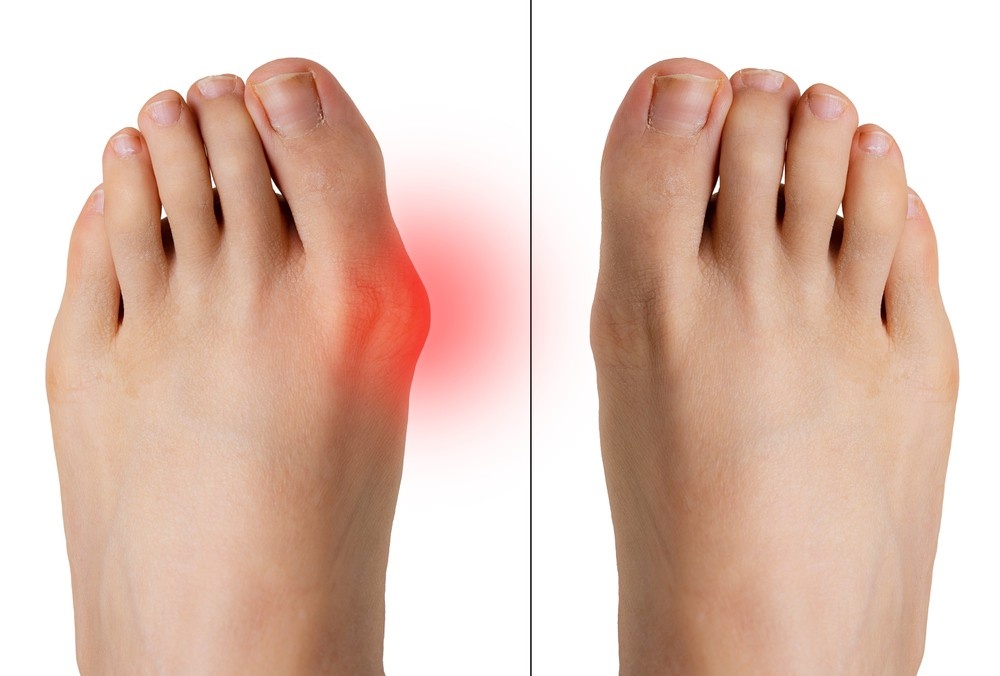
Experience relief with specialized care from bunion treatment doctors in Cypress to resolve chronic pain and inflammation.

6. Swelling, Redness, and Warmth Around the Joint

Chronic redness, swelling, and warmth around the base of the big toe point to an active inflammatory process that goes beyond normal muscle fatigue.

Common signs of joint inflammation include:

  • Tenderness to the touch at the MTP joint
  • Noticeable swelling that doesn’t go down with rest
  • Skin that appears red or feels warm around the bump
  • Flare-ups after activity or after wearing constrictive footwear

Bursitis — inflammation of the small fluid-filled sacs that cushion the joint — can also develop alongside a bunion, adding another layer of discomfort that may require its own targeted treatment.

7. Changes in the Way You Walk

One of the more significant hidden effects of a bunion is gait alteration. When walking becomes painful, the body naturally adjusts to reduce pressure on the affected foot. These compensatory walking pattern changes don’t just affect comfort — they affect your biomechanics.

Gait changes related to bunions can lead to:

  • Pain in the ball of the foot
  • Heel pain or plantar fasciitis
  • Ankle discomfort
  • Knee and hip strain
  • Lower back pain

If you’ve noticed new or unexplained pain in areas beyond your foot, the underlying cause may well be a bunion slowly changing the way you move.

Why You Shouldn’t Wait to Get Evaluated

Bunions do not heal on their own because they involve a structural change in the bones. While padding, custom orthotics, and better footwear can reduce pain and slow progression, they cannot reverse the misalignment.

Why Early Evaluation Matters

  • More treatment options are available in the early stages
  • Long-term outcomes are often better with early care
  • Delaying treatment increases the risk of severe deformity and possible surgery

Accurate Diagnosis Is Important

A foot and ankle specialist can also rule out conditions with similar symptoms, such as gout, rheumatoid arthritis, stress fractures, and bursitis, ensuring you receive the right treatment plan.
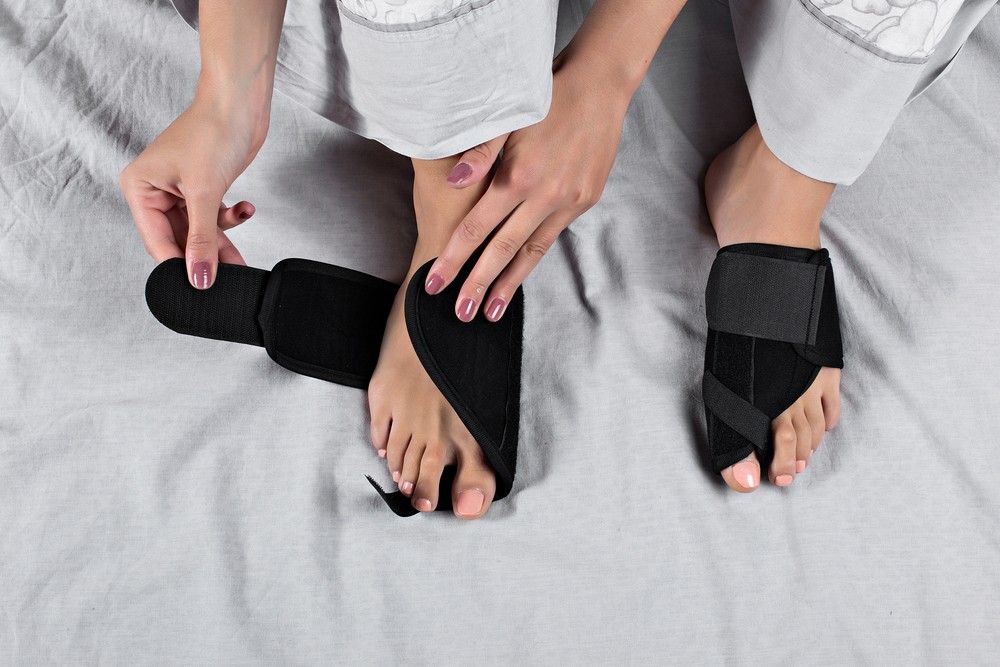
Bunion treatment doctors Cypress suggest corrective braces to alleviate discomfort and improve daily mobility for patients.

When to See a Specialist

Schedule an evaluation with a foot and ankle specialist if you notice any of the following:

  • A visible bony bump at the base of your big toe
  • Pain when walking, standing, or wearing shoes
  • Difficulty finding comfortable footwear
  • Big toe stiffness or limited movement
  • Toe numbness, tingling, or burning sensation
  • Secondary toe deformities, such as hammertoes
  • Swelling or redness around the MTP joint that doesn’t go away

Don’t wait until daily activity becomes difficult. Foot health directly affects your overall mobility and quality of life.

Why Choose Vital Podiatry — Cypress Foot and Ankle Specialist

Serving Patients in Huffmeister and Throughout the Cypress Area

At Vital Podiatry Cypress Foot and Ankle Specialist, we know foot pain should not be ignored. As experienced bunion treatment specialists in Cypress, we provide thorough, patient-focused care for bunions at every stage — from early discomfort to severe deformities requiring surgery.

What Sets Vital Podiatry Apart

  • Specialized Expertise: Our specialists focus exclusively on foot and ankle conditions, offering advanced knowledge beyond general practice care.
  • Comprehensive Diagnosis: We use advanced imaging and biomechanical evaluations to understand how your bunion affects foot function and gait.
  • Full Range of Treatments: We offer everything from custom orthotics and physical therapy guidance to minimally invasive and traditional bunion surgery.
  • Personalized Care Plans: Every treatment plan is tailored to your symptoms, lifestyle, activity level, and long-term goals.
  • Convenient for Huffmeister Residents: Our Cypress location provides trusted specialty foot care close to home.
  • Clear Communication: We explain your condition and treatment options in straightforward language so you can make confident decisions.

Whether your bunion is mild or has progressed over time, Vital Podiatry is here to help you move with less pain and greater confidence.

Vital Podiatry Cypress Foot And Ankle Specialist Serving The Huffmeister Community And Beyond In Cypress

 Vital Podiatry Cypress Foot And Ankle Specialist is dedicated to serving the diverse needs of the local community of Cypress, including individuals residing in neighborhoods like Huffmeister. With its convenient location near landmarks such as the Hunter Pence Baseball Academy and major intersections like Hempstead Rd and FM 1960 W (coordinates: 29.91687628240938, -95.6239753042562), we offer bunion treatment doctors Cypress services.

Get Bunion Treatment Doctors Service At Huffmeister Now

CALL US NOW!

(281) 937-4546

Navigate From HuffmeisterTo Vital Podiatry Cypress Foot and Ankle Specialist Now

Conclusion

A bunion is far more than an unwanted bump on the side of your foot. It is a structural foot condition that can quietly progress over months and years, affecting your comfort, your walking mechanics, your adjacent toes, and your overall quality of life. The hidden symptoms — big toe stiffness, nerve sensations, hammertoe formation, gait changes, and recurring joint inflammation — are just as significant as the visible lump and deserve professional attention.

If you’re in the Huffmeister area and have been living with foot discomfort that you’ve been putting off addressing, now is a good time to act. The team at Vital Podiatry Cypress Foot and Ankle Specialist, is here to provide expert evaluation and effective, compassionate care tailored to your needs. Your feet carry you through every part of life. Make sure they’re getting the attention they deserve.

FAQs

1. Can a Bunion Go Away on Its Own Without Treatment?

No, a bunion is a structural bone deformity, meaning the misalignment will not correct itself over time. Conservative care can manage symptoms and slow progression, but professional evaluation is needed to protect your long-term foot health.

2. What Makes Bunion Symptoms Worse Over Time?

Wearing narrow or high-heeled shoes regularly, having flat feet or low arches, and a family history of bunions can all accelerate progression. Conditions like rheumatoid arthritis that affect joint health can also cause symptoms to worsen more quickly.

3. Are Bunions Only Caused by Wearing the Wrong Shoes?

Footwear can aggravate an existing bunion, but shoes are rarely the sole cause. Bunions are primarily linked to inherited foot structure and bone mechanics that increase your risk regardless of shoe choice.

4. What Is the Difference Between a Bunion and a Hammertoe?

A bunion is a deformity at the MTP joint at the base of the big toe, while a hammertoe is a bending deformity at the middle joint of a smaller toe. The two conditions are closely connected and frequently appear together as the big toe pushes adjacent toes out of alignment.

5. How Do I Know If I Need Surgery for My Bunion?

Surgery is typically considered when conservative treatments no longer provide sufficient relief, and the bunion is significantly limiting your daily activities. A thorough evaluation with the bunion treatment doctors Cypress patients trust at Vital Podiatry will help determine the right path forward for your specific condition.

TAKE YOUR FIRST STEP

OR CALL US

(281) 937-4546

Related Post


Bunions are often misunderstood, with many people assuming the bony bump at the base of the big toe is just a minor cosmetic issue that can be managed with wider shoes or pain relievers. In reality.

A bunion is a progressive structural deformity where foot bones shift out of alignment, causing the big toe to angle toward the second toe and the metatarsophalangeal (MTP) joint to push outward. What starts as a small bump can worsen over time, changing your walking pattern, affecting other toes, and limiting daily activity.

If you live near the Huffmeister area and have been ignoring ongoing foot discomfort, this guide is for you.

What Most People Miss: Bunions Go Beyond the Bump

The visible bump is only part of the problem. Bunions involve shifting bones, inflamed tissue, and gait changes that can affect the knees, hips, and lower back, which is why many cases go untreated until the deformity worsens.

Here are the hidden and often overlooked signs of a developing or worsening bunion:

1. Persistent or Worsening Foot Pain

Pain around the MTP joint is one of the earliest signs, but it’s frequently written off as general foot tiredness or the result of poor footwear.

What it may feel like:

  • Sharp or stabbing pain during movement
  • A dull, aching sensation at rest
  • A burning feeling along the inner edge of the foot near the big toe
  • Discomfort that consistently returns after walking or standing

Pain that keeps coming back — especially after walking, standing for long periods, or wearing shoes — is a warning sign worth taking seriously. This type of discomfort often signals ongoing inflammation in the joint or surrounding soft tissue.

2. Stiffness and Reduced Range of Motion in the Big Toe

One of the earliest signs of a bunion is stiffness and reduced movement in the big toe, often noticed in the morning or during walking. As the MTP joint becomes less flexible, walking mechanics change, forcing other parts of the foot—and even the knees and hips—to compensate, which can lead to discomfort elsewhere. 

3. Calluses and Corns Between the Toes

As the big toe pushes toward the second toe, the two toes begin to overlap or rub against each other repeatedly. This constant friction leads to the formation of calluses and corns, particularly on the tops or sides of the toes.

Why this matters:

  • Calluses and corns signal abnormal bone alignment and ongoing pressure
  • They can become painful independently of the bunion itself
  • Overlapping toes make shoe-fitting increasingly difficult
  • Skin breakdown in these areas can lead to additional complications

While these skin changes may appear minor, they are a direct result of the structural shift happening inside the foot.

4. Numbness or Tingling in the Toes

Some people with bunions experience numbness, tingling, or a pins-and-needles sensation when the bony bump or tight shoes place pressure on nearby nerves. These nerve-related symptoms suggest the bunion is affecting more than the joint and should not be ignored, as they may become harder to treat over time. 

5. Hammertoe Development

A bunion can push nearby toes out of alignment, causing the second or third toe to bend at the middle joint and develop a hammertoe. Over time, hammertoes can become rigid, painful, and affect shoe fit, often developing gradually without notice. 

Experience relief with specialized care from bunion treatment doctors in Cypress to resolve chronic pain and inflammation.

6. Swelling, Redness, and Warmth Around the Joint

Chronic redness, swelling, and warmth around the base of the big toe point to an active inflammatory process that goes beyond normal muscle fatigue.

Common signs of joint inflammation include:

  • Tenderness to the touch at the MTP joint
  • Noticeable swelling that doesn’t go down with rest
  • Skin that appears red or feels warm around the bump
  • Flare-ups after activity or after wearing constrictive footwear

Bursitis — inflammation of the small fluid-filled sacs that cushion the joint — can also develop alongside a bunion, adding another layer of discomfort that may require its own targeted treatment.

7. Changes in the Way You Walk

One of the more significant hidden effects of a bunion is gait alteration. When walking becomes painful, the body naturally adjusts to reduce pressure on the affected foot. These compensatory walking pattern changes don’t just affect comfort — they affect your biomechanics.

Gait changes related to bunions can lead to:

  • Pain in the ball of the foot
  • Heel pain or plantar fasciitis
  • Ankle discomfort
  • Knee and hip strain
  • Lower back pain

If you’ve noticed new or unexplained pain in areas beyond your foot, the underlying cause may well be a bunion slowly changing the way you move.

Why You Shouldn’t Wait to Get Evaluated

Bunions do not heal on their own because they involve a structural change in the bones. While padding, custom orthotics, and better footwear can reduce pain and slow progression, they cannot reverse the misalignment.

Why Early Evaluation Matters

  • More treatment options are available in the early stages
  • Long-term outcomes are often better with early care
  • Delaying treatment increases the risk of severe deformity and possible surgery

Accurate Diagnosis Is Important

A foot and ankle specialist can also rule out conditions with similar symptoms, such as gout, rheumatoid arthritis, stress fractures, and bursitis, ensuring you receive the right treatment plan.

Bunion treatment doctors Cypress suggest corrective braces to alleviate discomfort and improve daily mobility for patients.

When to See a Specialist

Schedule an evaluation with a foot and ankle specialist if you notice any of the following:

  • A visible bony bump at the base of your big toe
  • Pain when walking, standing, or wearing shoes
  • Difficulty finding comfortable footwear
  • Big toe stiffness or limited movement
  • Toe numbness, tingling, or burning sensation
  • Secondary toe deformities, such as hammertoes
  • Swelling or redness around the MTP joint that doesn’t go away

Don’t wait until daily activity becomes difficult. Foot health directly affects your overall mobility and quality of life.

Why Choose Vital Podiatry — Cypress Foot and Ankle Specialist

Serving Patients in Huffmeister and Throughout the Cypress Area

At Vital Podiatry Cypress Foot and Ankle Specialist, we know foot pain should not be ignored. As experienced bunion treatment specialists in Cypress, we provide thorough, patient-focused care for bunions at every stage — from early discomfort to severe deformities requiring surgery.

What Sets Vital Podiatry Apart

  • Specialized Expertise: Our specialists focus exclusively on foot and ankle conditions, offering advanced knowledge beyond general practice care.
  • Comprehensive Diagnosis: We use advanced imaging and biomechanical evaluations to understand how your bunion affects foot function and gait.
  • Full Range of Treatments: We offer everything from custom orthotics and physical therapy guidance to minimally invasive and traditional bunion surgery.
  • Personalized Care Plans: Every treatment plan is tailored to your symptoms, lifestyle, activity level, and long-term goals.
  • Convenient for Huffmeister Residents: Our Cypress location provides trusted specialty foot care close to home.
  • Clear Communication: We explain your condition and treatment options in straightforward language so you can make confident decisions.

Whether your bunion is mild or has progressed over time, Vital Podiatry is here to help you move with less pain and greater confidence.

Vital Podiatry Cypress Foot And Ankle Specialist Serving The Huffmeister Community And Beyond In Cypress

 Vital Podiatry Cypress Foot And Ankle Specialist is dedicated to serving the diverse needs of the local community of Cypress, including individuals residing in neighborhoods like Huffmeister. With its convenient location near landmarks such as the Hunter Pence Baseball Academy and major intersections like Hempstead Rd and FM 1960 W (coordinates: 29.91687628240938, -95.6239753042562), we offer bunion treatment doctors Cypress services.

Get Bunion Treatment Doctors Service At Huffmeister Now

CALL US NOW!

(281) 937-4546

Navigate From HuffmeisterTo Vital Podiatry Cypress Foot and Ankle Specialist Now

Conclusion

A bunion is far more than an unwanted bump on the side of your foot. It is a structural foot condition that can quietly progress over months and years, affecting your comfort, your walking mechanics, your adjacent toes, and your overall quality of life. The hidden symptoms — big toe stiffness, nerve sensations, hammertoe formation, gait changes, and recurring joint inflammation — are just as significant as the visible lump and deserve professional attention.

If you’re in the Huffmeister area and have been living with foot discomfort that you’ve been putting off addressing, now is a good time to act. The team at Vital Podiatry Cypress Foot and Ankle Specialist, is here to provide expert evaluation and effective, compassionate care tailored to your needs. Your feet carry you through every part of life. Make sure they’re getting the attention they deserve.

FAQs

1. Can a Bunion Go Away on Its Own Without Treatment?

No, a bunion is a structural bone deformity, meaning the misalignment will not correct itself over time. Conservative care can manage symptoms and slow progression, but professional evaluation is needed to protect your long-term foot health.

2. What Makes Bunion Symptoms Worse Over Time?

Wearing narrow or high-heeled shoes regularly, having flat feet or low arches, and a family history of bunions can all accelerate progression. Conditions like rheumatoid arthritis that affect joint health can also cause symptoms to worsen more quickly.

3. Are Bunions Only Caused by Wearing the Wrong Shoes?

Footwear can aggravate an existing bunion, but shoes are rarely the sole cause. Bunions are primarily linked to inherited foot structure and bone mechanics that increase your risk regardless of shoe choice.

4. What Is the Difference Between a Bunion and a Hammertoe?

A bunion is a deformity at the MTP joint at the base of the big toe, while a hammertoe is a bending deformity at the middle joint of a smaller toe. The two conditions are closely connected and frequently appear together as the big toe pushes adjacent toes out of alignment.

5. How Do I Know If I Need Surgery for My Bunion?

Surgery is typically considered when conservative treatments no longer provide sufficient relief, and the bunion is significantly limiting your daily activities. A thorough evaluation with the bunion treatment doctors Cypress patients trust at Vital Podiatry will help determine the right path forward for your specific condition.